The Psyllid Pest: Tiny Jumping Insects on Houseplants and Citrus
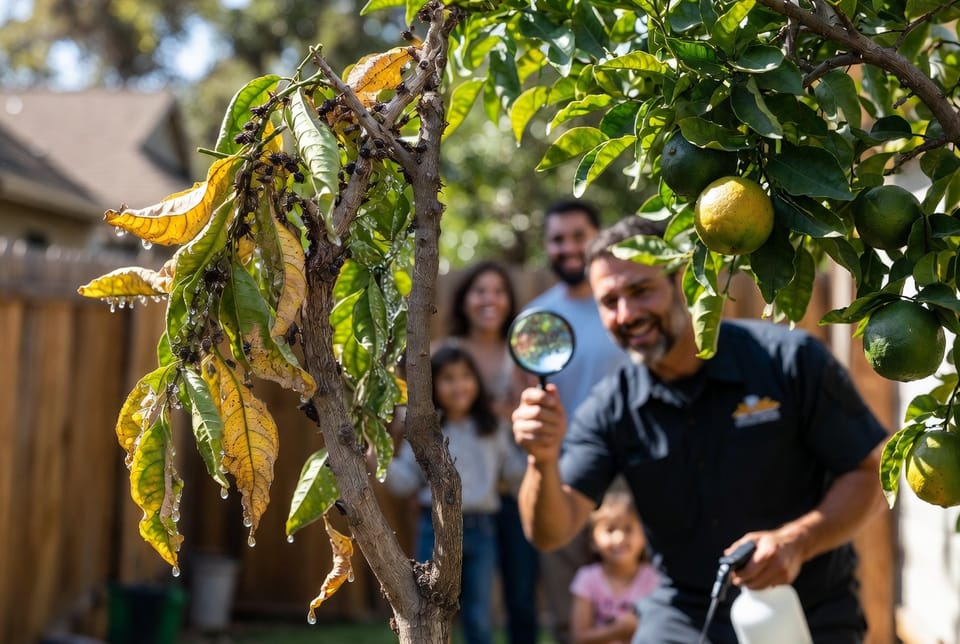
Psyllids, often called jumping plant lice, are small but formidable pests that can wreak havoc on your beloved houseplants and prized citrus trees. These tiny insects may seem insignificant at first glance, yet their rapid reproduction and sap-sucking habits lead to noticeable damage that threatens plant health and vitality.
Eliminate Psyllids Today – Call for Expert Help!
If you’ve noticed curled leaves, sticky residue, or stunted growth on your indoor greenery or outdoor citrus, psyllids could be the culprit. Understanding these pests is the first step toward effective, long-term protection. In this comprehensive guide, we’ll explore their behavior, preferred hosts, signs of infestation, and proven control strategies that restore your plants to robust health.
Early detection and professional intervention make all the difference in safeguarding your garden investments.
Understanding Psyllid Biology and Behavior
Psyllids belong to a group of sap-feeding insects that are masters of stealth and agility. Adults are typically very small—about 1/8 inch long—with strong hind legs that allow them to jump when disturbed, earning them the nickname "jumping plant lice." Their bodies are often yellowish or brownish, with clear wings that fold roof-like over their backs.
These pests feed primarily on plant sap by piercing tender new growth with specialized mouthparts. As they feed, they excrete a sugary substance known as honeydew. This sticky residue not only coats leaves but also encourages the growth of sooty mold, a black fungus that further impairs photosynthesis and gives plants an unsightly appearance.
Leaf curling, yellowing, and drop are common symptoms. In severe cases, heavy infestations can stunt overall plant growth and reduce fruit production in citrus. Certain species also transmit devastating plant diseases, amplifying the risk beyond direct feeding damage.
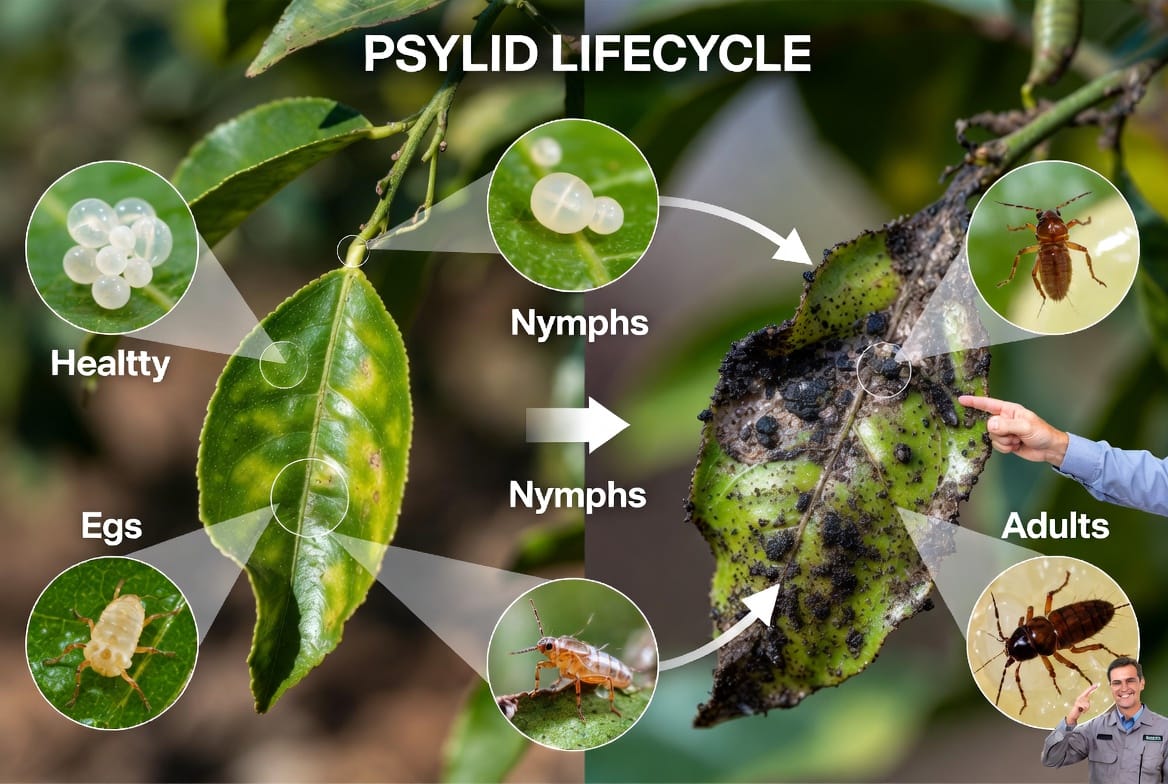
Their lifecycle typically includes eggs, nymphs, and adults. Females lay eggs on new flush growth, and nymphs—immature stages that resemble smaller, wingless versions of adults—feed aggressively. Depending on environmental conditions, multiple generations can occur in a single season, allowing populations to explode quickly in warm, humid environments.
Why psyllids thrive indoors and out: Houseplants provide a stable, protected environment year-round, while citrus trees in warmer climates offer abundant tender shoots ideal for feeding and reproduction.
Common Hosts: From Houseplants to Citrus Groves
Psyllids are not picky, but they show strong preferences for certain plants:
- Citrus trees (oranges, lemons, limes, grapefruits): The Asian citrus psyllid is particularly notorious, feeding on new growth and potentially vectoring huanglongbing (citrus greening disease).
- Tomatoes and potatoes: The potato/tomato psyllid causes distorted leaves and can transmit pathogens.
- Ornamental plants and houseplants: Species target boxwood, eucalyptus, acacia, and various indoor favorites like ficus or hibiscus.
- Other vegetables: Peppers, eggplants, and related nightshade family members.
Homeowners in regions like Texas often encounter issues with citrus and indoor collections, especially during spring and summer flushes of new growth.
Risks of ignoring an infestation include weakened plants, reduced yields, aesthetic decline, and potential spread to neighboring gardens or commercial orchards.
Identifying a Psyllid Infestation Early
Spotting psyllids promptly prevents escalation. Look for these key indicators:
- Tiny jumping insects on the undersides of young leaves.
- Cupped or distorted new leaves that fail to expand properly.
- Shiny, sticky honeydew covering foliage and dripping onto surfaces below.
- Black sooty mold developing on the honeydew.
- Yellowing, wilting, or premature leaf drop.
- Stunted shoots and poor overall vigor in citrus or houseplants.
Use a magnifying glass or phone camera zoom for confirmation, as adults are minute. Nymphs may appear as flat, scale-like bumps. Shake a branch gently over white paper to dislodge and reveal them.
Pro tip: Regular monitoring during periods of new growth is your best defense. Houseplants near windows or citrus in backyard settings deserve weekly checks.
Effective Control Strategies for Psyllids
Managing psyllids requires an integrated approach that combines cultural practices, mechanical removal, organic treatments, and, when necessary, professional expertise. The goal is not just elimination but creating conditions where pests struggle to return.
Cultural and Preventive Measures
- Maintain plant health: Vigorous plants resist infestations better. Provide proper watering, fertilization, and sunlight.
- Prune infested growth: Remove and dispose of heavily affected shoots to reduce populations.
- Improve air circulation: Space plants adequately and avoid overcrowding.
- Quarantine new plants: Inspect and isolate newcomers for several weeks.
These foundational steps reduce the need for interventions and promote long-term resilience.
Organic and Mechanical Controls
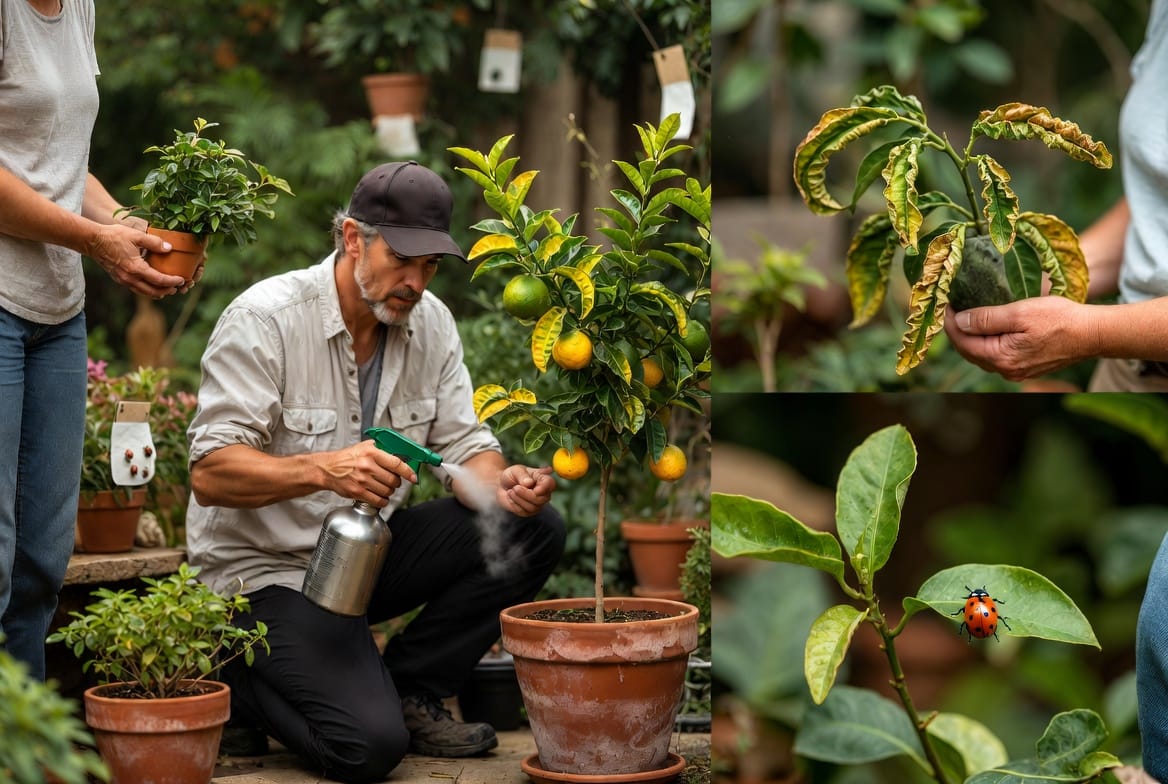
Insecticidal soap and neem oil are highly effective, safe options for homeowners:
- Insecticidal soap: Directly contacts and disrupts soft-bodied pests. Apply thoroughly to undersides of leaves.
- Neem oil: Acts as a repellent, growth regulator, and smothering agent. It disrupts feeding and reproduction with minimal impact on beneficial insects when used correctly.
- Sticky traps: Yellow cards placed near plants capture flying adults.
- Horticultural oils: Suffocate eggs and nymphs during dormant or light infestation periods.
Beneficial insects provide excellent biological control. Ladybugs, lacewings, and parasitic wasps naturally prey on psyllids. Introducing these allies creates a balanced ecosystem in your garden.
Application best practices:
- Treat in early morning or evening to avoid leaf burn.
- Repeat applications every 7-10 days as needed, following label instructions.
- Always test on a small area first.
When to Call Professionals
For severe infestations, widespread citrus issues, or concerns about disease transmission, professional pest management offers advanced solutions. Experts use targeted treatments, monitor populations, and provide tailored prevention plans that protect both your plants and the broader environment.
Long-Term Prevention and Integrated Pest Management (IPM)
Integrated Pest Management combines all available tools for sustainable control:
- Monitor regularly.
- Use least-toxic options first.
- Encourage biodiversity.
- Maintain detailed records of treatments and observations.
For citrus growers and serious indoor gardeners, resistant varieties and certified disease-free stock add another layer of protection. In areas prone to Asian citrus psyllid, vigilance against huanglongbing symptoms remains crucial.
Common mistakes to avoid:
- Overwatering, which stresses plants and attracts pests.
- Relying solely on one method without rotation.
- Ignoring beneficial insects and disrupting natural balances.
By adopting IPM principles, you minimize chemical use while maximizing effectiveness and environmental safety.
The Impact on Home Gardens and Beyond
Psyllids don’t just damage individual plants—they can affect your enjoyment of gardening, home aesthetics, and even property value if citrus landscapes decline. In regions with significant citrus cultivation, coordinated community efforts help slow spread.
Homeowners who act quickly often report full recovery within weeks. Healthy plants rebound beautifully, producing lush foliage and abundant harvests once pests are under control.
Reassuring note: With the right knowledge and support, psyllid problems are highly manageable. Most infestations respond well to consistent, targeted care.
Additional Tips for Houseplant and Citrus Enthusiasts
- Indoor strategies: Wipe leaves regularly, use fans for air movement, and isolate affected plants.
- Outdoor citrus care: Ensure good drainage, proper spacing, and timely pruning of water sprouts.
- Seasonal awareness: Peak activity often aligns with warm weather and new growth flushes.
- Safe product selection: Choose OMRI-listed organic options for edible plants.
- Companion planting: Certain herbs and flowers can help deter pests naturally.
Educating yourself and your family turns pest challenges into opportunities for better garden stewardship.
Protect your plants from psyllids. Don’t let tiny invaders compromise your green space—restore health and beauty with professional support.
Get Professional Psyllid Control – Call Now!