The Concrete Sealer Stripping: Removing Old Coatings Before Resealing
Proper surface preparation stands as the foundation of every successful concrete sealing project. Many homeowners and facility managers discover too late that simply applying a new coat of sealer over an old one leads to disappointing results.
Get Your Concrete Stripped & Resealed Professionally – Call Now!
At its core, concrete sealer stripping removes aged, worn, or incompatible coatings so fresh sealer can bond correctly and deliver maximum durability, beauty, and protection.
Why Old Sealer Must Be Removed Before New Application
Old sealer layers degrade over time through UV exposure, foot and vehicle traffic, chemical spills, and moisture cycles. When you apply new sealer directly on top, several critical issues arise:
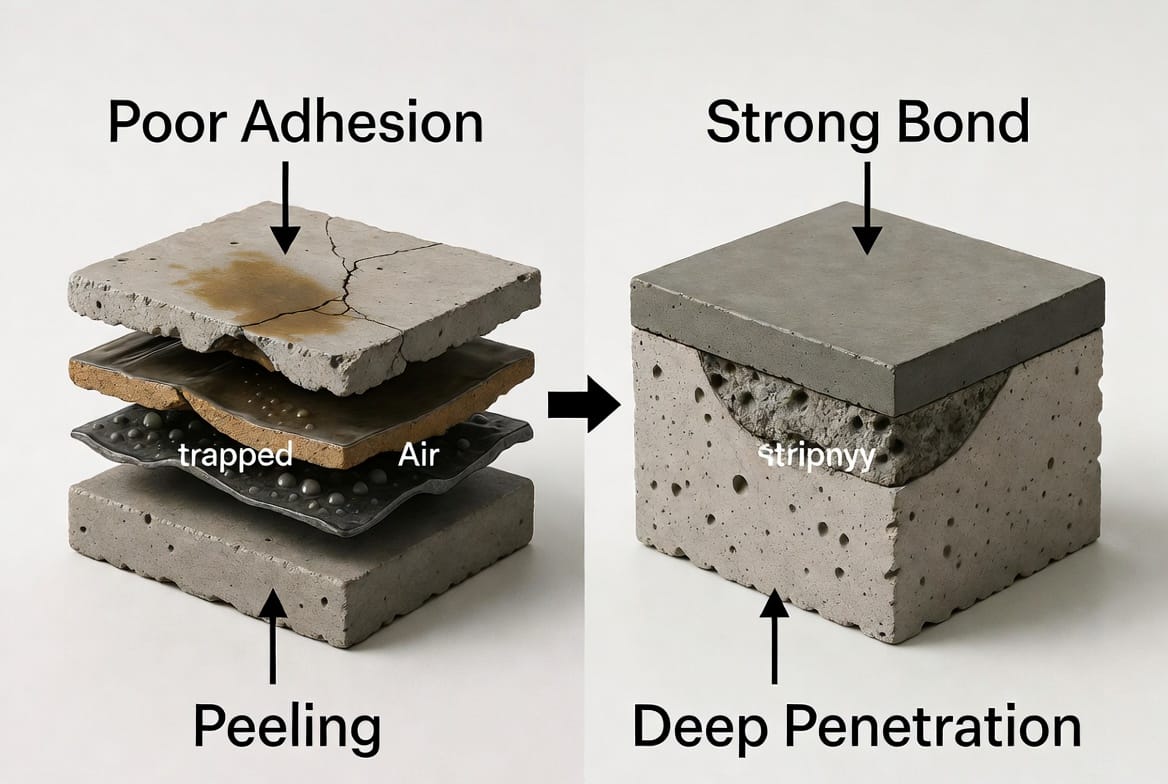
- Poor Adhesion: Fresh sealer cannot form a strong molecular bond with oxidized or contaminated old coatings.
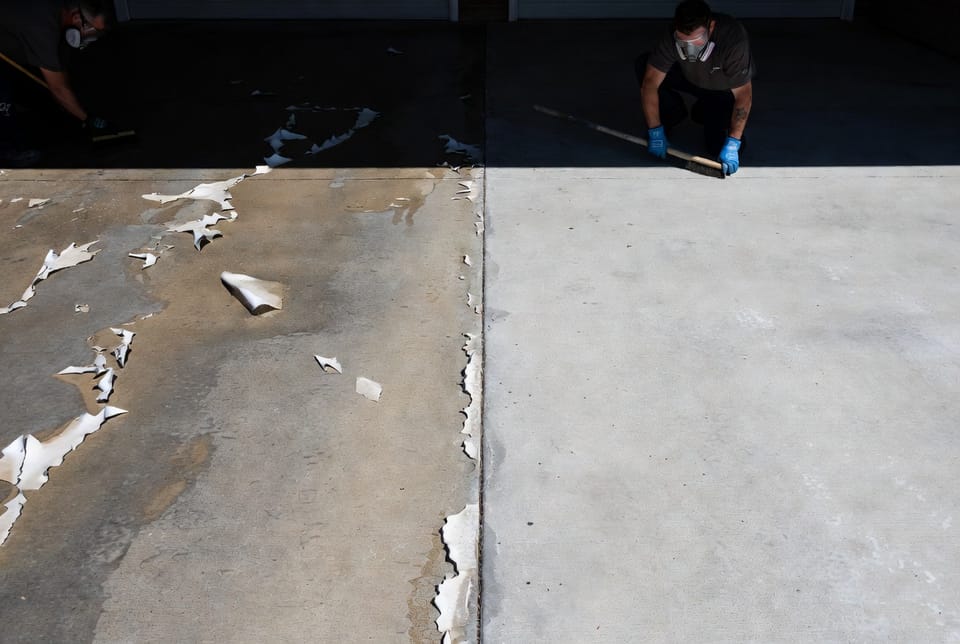
- Peeling and Flaking: The new layer lifts along with the failing base layer, creating larger damaged areas.
- Trapped Moisture: Old sealer often traps water vapor beneath it, leading to bubbling or white efflorescence.
- Reduced Performance: The new sealer cannot penetrate properly, diminishing its stain resistance, gloss retention, and longevity.
Skipping the stripping step almost always results in premature failure—sometimes within months instead of years. Investing time in proper removal saves significant money and effort in the long run.
Signs That Indicate Stripping Is Necessary
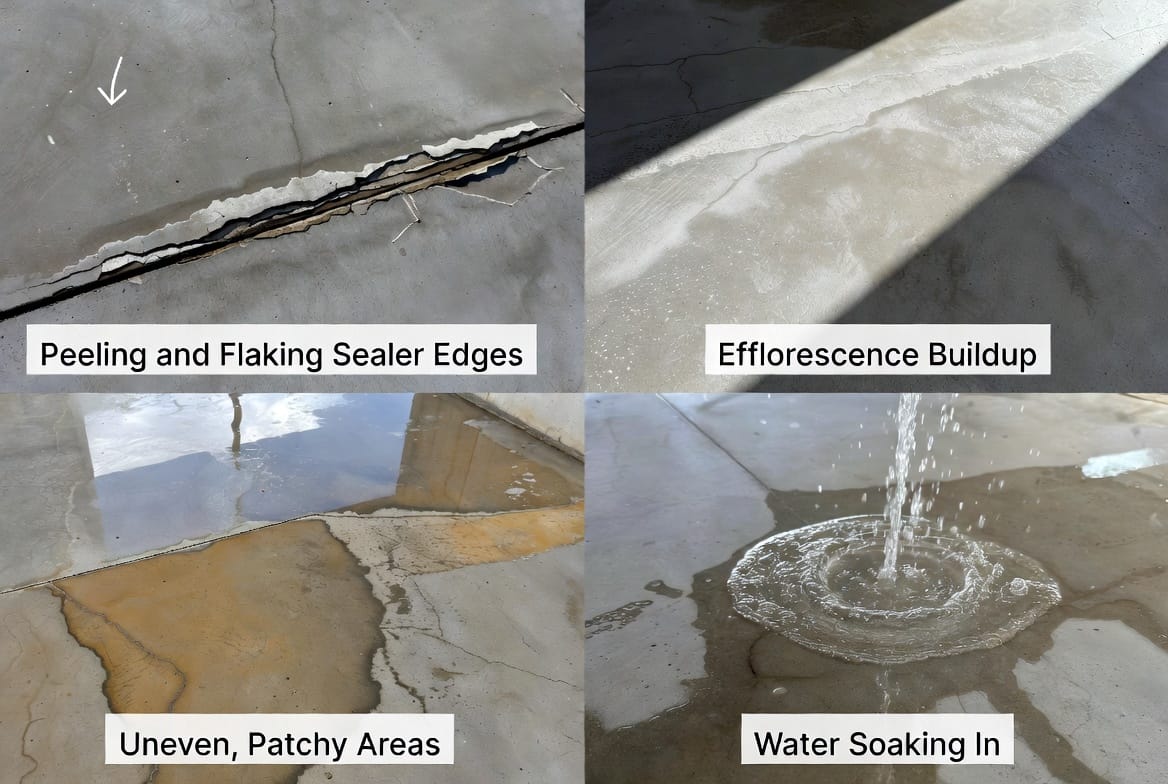
Recognizing when your concrete needs stripping helps you act before major damage occurs. Look for these common warning signs:
- Peeling or flaking sealer that lifts easily when scraped
- White haze or efflorescence appearing on the surface
- Uneven gloss or color with patchy shiny and dull areas
- Poor water beading — water soaks in instead of forming tight beads
- Stains that won’t clean or increased surface dusting
- Visible cracks where old sealer has pulled away from the concrete
Professional Methods for Concrete Sealer Stripping
Several proven techniques exist for effective removal. The best choice depends on the type of old sealer, floor size, and condition.
1. Chemical Strippers
Modern, low-VOC chemical strippers offer the most efficient solution for most residential and light commercial projects. These specialized formulas soften and break down acrylic, polyurethane, and epoxy sealers without heavy mechanical damage.
Advantages include:
- Minimal dust creation
- Faster coverage on large areas
- Ability to reach into pores and textures
Always follow manufacturer guidelines and use proper personal protective equipment.
2. Mechanical Grinding and Shot Blasting
For thick or multiple layers of old coatings, professionals use diamond grinders or shot-blasting equipment. This method completely removes the old material while simultaneously profiling the concrete for superior new sealer adhesion.
When mechanical methods shine:
- Extremely thick or cured epoxy coatings
- Heavily damaged or spalled surfaces
- Projects requiring a fresh, open concrete profile
3. Combination Approach
Many expert crews combine chemical stripping with light mechanical preparation. This hybrid method ensures complete removal while creating the ideal surface texture for resealing.
Step-by-Step Surface Preparation Process
Successful concrete sealer stripping follows a systematic approach:
- Assessment — Thorough inspection of the entire surface and testing sealer type.
- Protection — Cover walls, doors, and nearby landscaping.
- Application of Stripper — Even, generous coverage with proper dwell time.
- Removal — Scraping and pressure washing loosened material.
- Neutralization & Cleaning — Complete removal of chemical residues.
- Final Profiling — Light grinding or acid etching if needed for porosity.
- Drying & Testing — Ensure the surface is completely dry and ready.
Proper execution of these steps creates a clean, receptive surface that maximizes the performance of your new concrete sealer.
When to Hire Professional Concrete Sealing Services
While small areas might suit a determined DIYer, most projects benefit significantly from professional expertise. Consider hiring specialists when:
- The floor exceeds 500 square feet
- Multiple layers of old sealer exist
- You’re dealing with epoxy or specialty coatings
- The concrete shows signs of damage or spalling
- You want guaranteed long-term results with proper warranties
Professionals bring the right equipment, experience, and knowledge to handle unexpected challenges efficiently and safely.
Common Mistakes to Avoid During Stripping
- Using generic paint strippers instead of concrete-specific formulas
- Rushing the dwell time of chemical strippers
- Inadequate neutralization and rinsing
- Applying new sealer before the surface fully dries
- Skipping safety gear and proper ventilation
Avoiding these pitfalls ensures a smooth, professional-quality outcome.
The Benefits of Proper Stripping and Resealing
When performed correctly, stripping old sealer and applying a fresh, high-quality coating delivers:
- Extended Surface Life — Protection that lasts 3–7 years or more
- Enhanced Appearance — Rich color, beautiful sheen, and uniform look
- Superior Stain Resistance — Easy cleanup of oil, chemicals, and dirt
- Reduced Maintenance — Fewer cleaning requirements and longer intervals between resealing
- Increased Property Value — Well-maintained concrete floors make strong visual impressions
Conclusion: Seal Only a Clean, Stripped Surface
The secret to beautiful, long-lasting concrete protection lies in thorough preparation. Never compromise on concrete sealer stripping—it forms the critical foundation for every successful resealing project.
A properly stripped and prepared surface ensures your new sealer delivers its full potential in durability, beauty, and performance.
Ready to restore your concrete floors to their best condition? Contact our experienced team today to discuss professional sealing services and get expert guidance tailored to your specific project.
Expert Concrete Sealer Stripping & Preparation – Call Now!