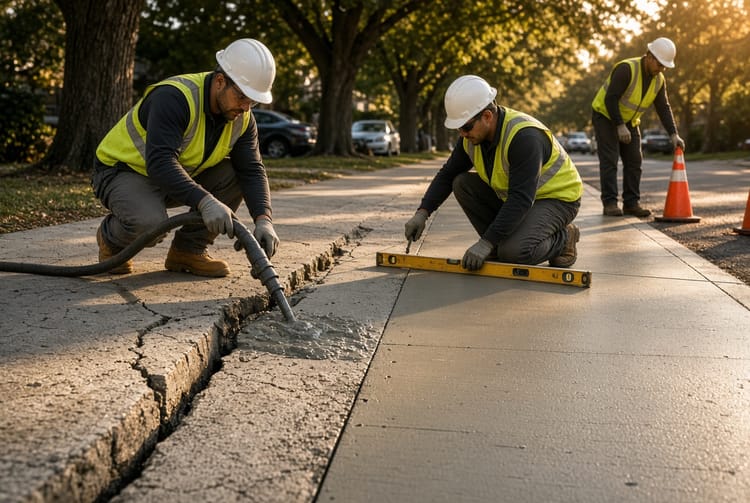
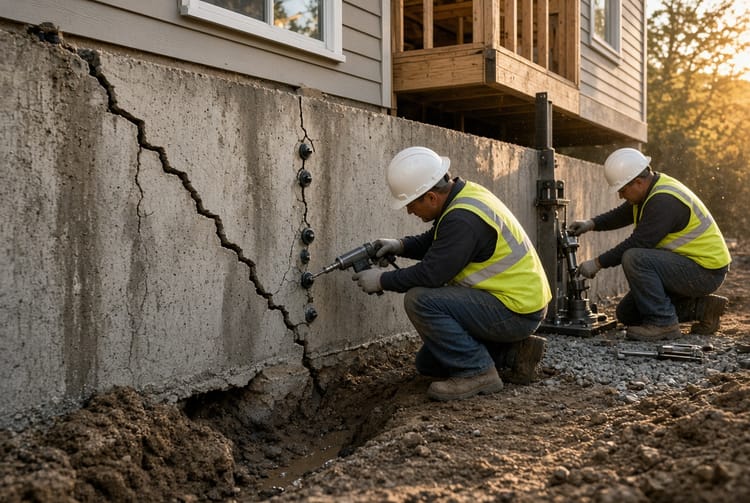
The Concrete Sand Base: Why Proper Subgrade Prevents Cracking
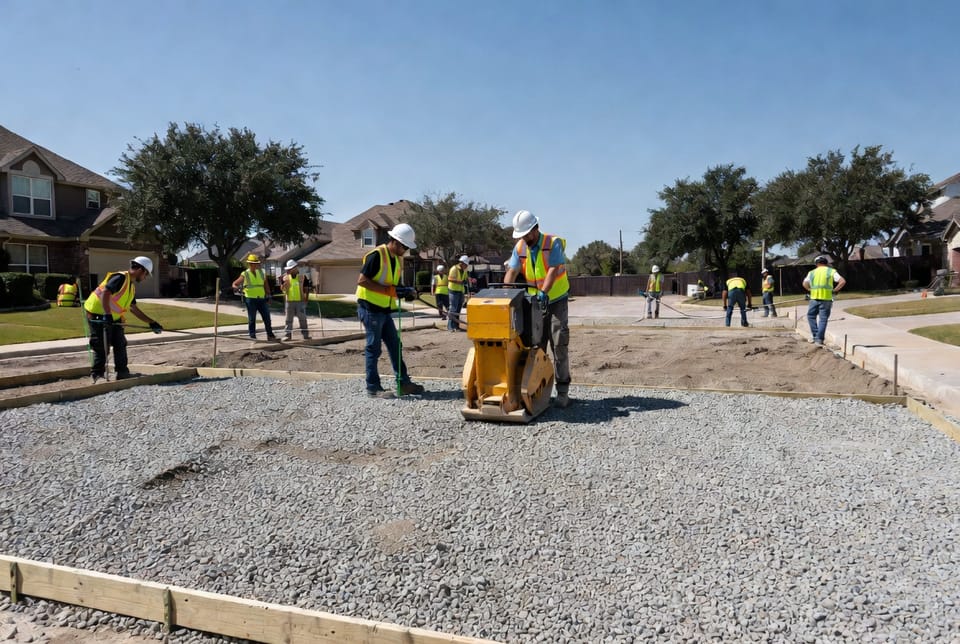
Concrete surfaces like driveways, patios, sidewalks, and foundations represent significant investments in your home. When installed correctly, they deliver decades of reliable service. Yet many homeowners face premature cracking, settling, or heaving that leads to costly repairs. The secret often lies beneath the surface — in the concrete sand base and proper subgrade preparation.
Get Expert Concrete Base Preparation – Call Now!
At our concrete services, we emphasize that a strong slab starts with an exceptional foundation. Skipping or rushing the base preparation is one of the leading causes of concrete failure. In this comprehensive guide, we explore why a compacted sand or gravel base is essential, how it protects against cracking, signs of trouble, and best practices for long-lasting results.
Proper subgrade preparation isn't just a technical step — it's the insurance policy for your concrete investment. Let's dive into what makes the difference between a slab that lasts a lifetime and one that cracks within years.
Why Every Concrete Project Needs a Solid Subgrade
Concrete is incredibly strong under compression but relatively weak against uneven pressure or movement. Without uniform support from below, even the best concrete mix will eventually fail. The subgrade — the native soil beneath your project — and the base layer (typically compacted sand or gravel) work together to:
- Distribute weight evenly
- Manage water drainage
- Mitigate frost effects in colder climates
- Prevent soil expansion and contraction
When the base is inadequate, voids or soft spots develop over time. These allow the concrete to flex, leading to stress fractures. A well-prepared concrete sand base acts as a stable platform that keeps the slab level and supported year-round.
Key risk: Poor drainage in the subgrade traps water, softening the soil and causing differential settling. This is especially problematic in areas with clay-heavy soils common in many regions, including Texas.
Understanding the Layers: From Subgrade to Finished Slab
A successful concrete installation involves multiple carefully prepared layers.
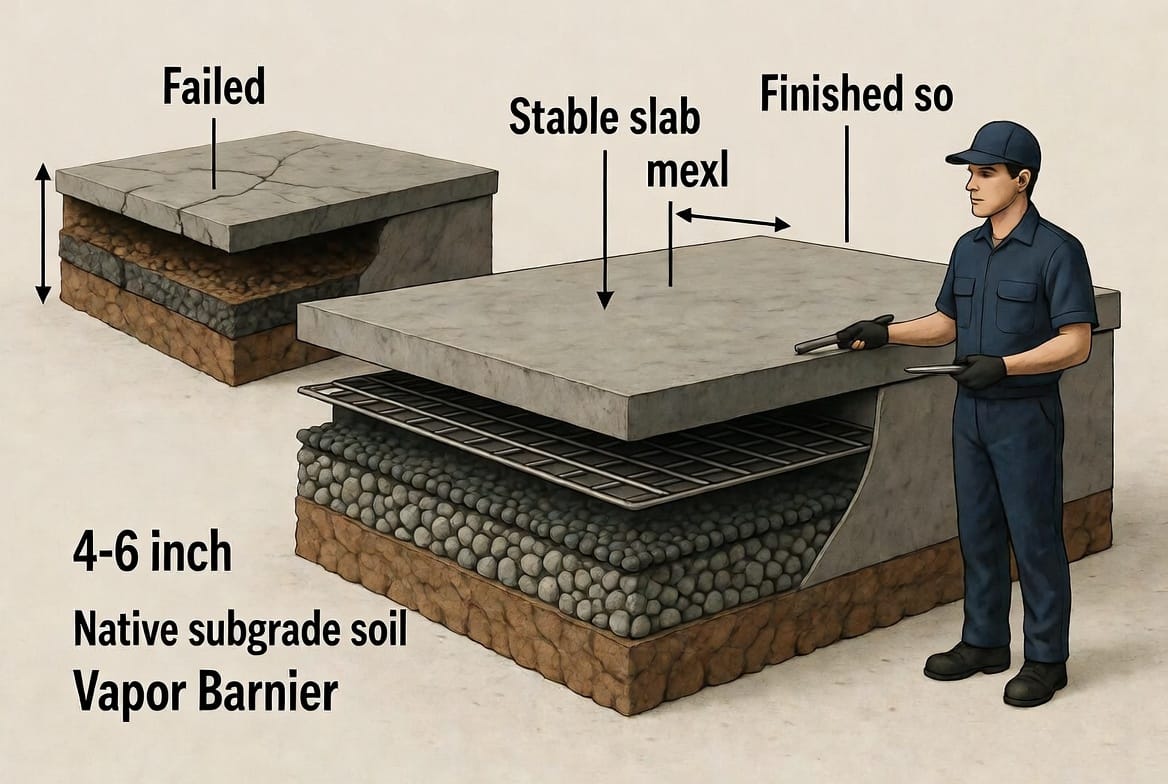
The subgrade is the undisturbed or properly compacted native soil. It must be free of organic material, debris, and soft spots. Above this comes the base course — usually 4-6 inches of clean, compacted gravel or coarse sand. This layer provides:
- Excellent drainage to keep water moving away from the slab
- A uniform, stable surface that resists shifting
- Protection against frost heave by creating a capillary break
Finally, the concrete itself, often with reinforcement, completes the system. Each layer depends on the one below it for success.
The Critical Role of Compacted Sand or Gravel Base
A concrete sand base or gravel base serves several vital functions that directly prevent cracking:
- Uniform Support: Compaction eliminates air pockets and creates consistent density. This prevents the slab from developing high and low spots that lead to cracking under load.
- Drainage Management: Water flows through the base rather than pooling beneath the concrete. Standing water is a primary enemy of concrete longevity.
- Frost Protection: In regions with freeze-thaw cycles, the base layer helps insulate and allows expansion without damaging the slab above.
- Load Distribution: Heavy vehicles on driveways or foot traffic on patios require this intermediary layer to spread forces evenly.
Industry standards recommend compacting the base in lifts (layers) using professional equipment. Achieving 95% or higher compaction density is the professional benchmark for durability.
Pro Tip: Using the right material matters. Clean, angular gravel (like 3/4-inch crushed stone) interlocks better than rounded pea gravel, providing superior stability for your concrete sand base.
Signs Your Concrete Base Was Inadequate
Recognizing early warning signs can save you from major repairs. Watch for these common indicators of poor subgrade preparation:
- Random cracking patterns that appear within the first 2-3 years
- Settling or sinking in specific areas, creating trip hazards
- Heaving where sections of the slab rise unevenly, often in winter
- Pooling water along edges or in low spots after rain
- Widening joints or separation from adjacent structures
These issues stem from the same root cause: insufficient support from below. Once movement begins, it accelerates. Addressing the base early prevents escalation.
Many homeowners initially mistake these for surface-level problems. In reality, the fix often requires removing the failed concrete, correcting the subgrade, and repouring — a far more expensive proposition than doing it right the first time.
Recommended Base Depths and Material Specifications
For most residential applications, experts recommend:
- Driveways: 4-6 inches of compacted gravel base
- Patios and Walkways: 4 inches minimum
- Garage slabs or heavier loads: 6-8 inches or more
- Foundations: Engineered depths based on soil tests and local codes
The base should be compacted to at least 95% Standard Proctor density. Moisture content during compaction is equally important — too dry and it won't bind; too wet and it becomes unstable.
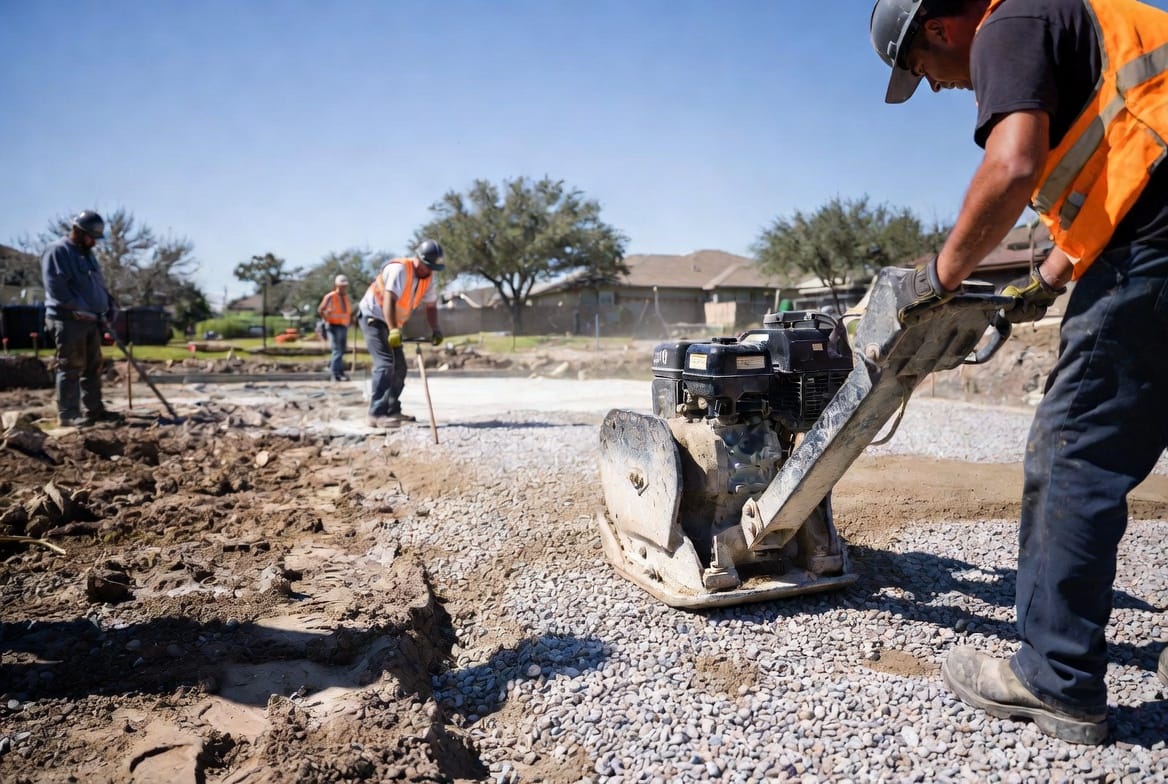
Always consider local soil conditions. Expansive clays require additional stabilization or thicker bases. A professional concrete service will evaluate your specific site before recommending the optimal approach.
Step-by-Step: How Professionals Prepare the Perfect Base
Our experienced crews follow a proven process to deliver superior results:
- Site Evaluation: Assess soil type, drainage patterns, and load requirements.
- Excavation: Remove unsuitable material to the proper depth.
- Subgrade Compaction: Compact the native soil thoroughly.
- Base Material Installation: Add gravel or sand in controlled lifts.
- Layer-by-Layer Compaction: Use heavy equipment for maximum density.
- Final Grading: Achieve precise level and slope for drainage.
- Moisture Testing: Ensure optimal conditions before pouring.
This methodical approach eliminates guesswork and ensures your concrete performs as expected for decades.
Common Mistakes Homeowners and Inexperienced Contractors Make
Avoid these pitfalls that lead to premature cracking:
- Insufficient excavation leaving organic debris or soft soil
- Inadequate compaction — hand-tamping is rarely sufficient for larger areas
- Wrong materials — using fine sand that holds water instead of draining gravel
- Poor drainage planning directing water toward rather than away from the slab
- Rushing the process without allowing proper settling between steps
These shortcuts might save time initially but result in expensive failures later. Investing in proper preparation pays for itself many times over.
The Long-Term Benefits of Getting the Base Right
When you prioritize a quality concrete sand base and subgrade, you enjoy:
- Fewer repairs and lower maintenance costs
- Enhanced curb appeal with smooth, level surfaces
- Increased property value through durable hardscaping
- Better performance under heavy use or extreme weather
- Peace of mind knowing your investment is protected
Many of our clients report zero cracking issues even after 10+ years when following professional base preparation standards.
Why Choose Experienced Concrete Professionals
Soil conditions vary widely, and every project presents unique challenges. DIY attempts often overlook critical factors like soil testing, proper compaction testing, or local building code requirements. Our team brings the expertise, equipment, and attention to detail necessary for lasting results.
We don't just pour concrete — we engineer stable foundations that stand the test of time. From initial consultation through final cleanup, our focus remains on delivering exceptional quality.
Protecting Your Concrete Investment Starts Below the Surface
A good slab truly starts with a good base. Understanding the importance of the concrete sand base empowers you to make informed decisions about your home improvement projects. Whether you're planning a new driveway, patio, or foundation work, never underestimate the subgrade.
Don't wait for cracks to appear before taking action. Proper planning and professional execution prevent problems before they start.
Ready to build something that lasts? Contact our concrete experts today to discuss your project and ensure your next slab gets the foundation it deserves.
We proudly serve homeowners with reliable concrete solutions designed for long-term performance and satisfaction.
Avoid Costly Cracks with Proper Subgrade – Call Today