The Concrete Retaining Wall Drainage: Weep Holes and Gravel Backfill
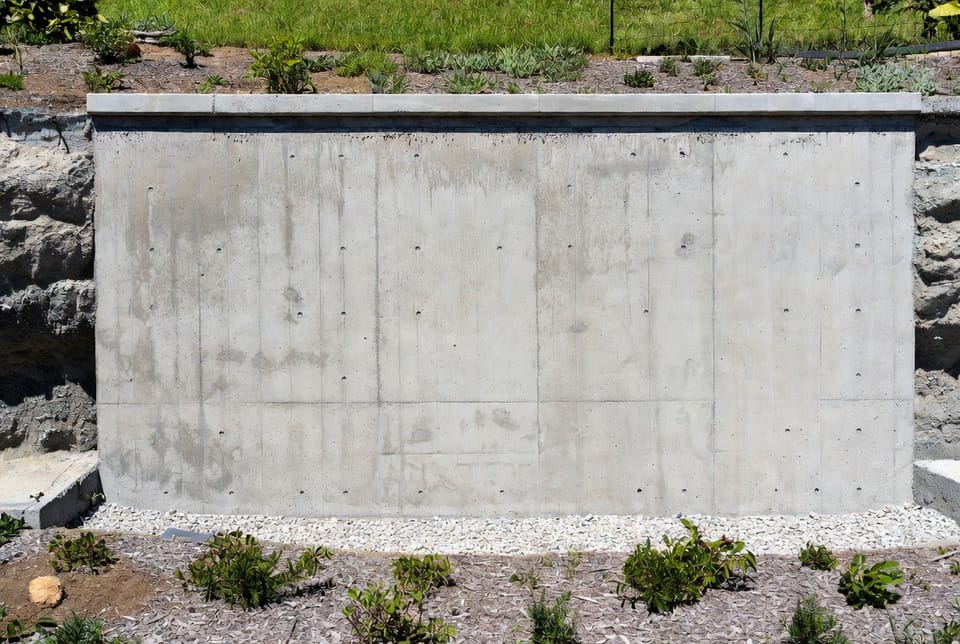
Concrete retaining walls serve as essential structural elements in landscaping, residential properties, and commercial developments. They hold back soil, create level areas, and prevent erosion. However, one critical design element often overlooked is effective drainage. Without it, even the strongest concrete retaining wall can fail under hydrostatic pressure from trapped water.
Ensure Proper Drainage for Your Retaining Wall – Call Now
At our company, we emphasize that proper concrete retaining wall drainage using weep holes, gravel backfill, and complementary systems is not optional — it is fundamental to long-term performance and safety. This comprehensive guide explains why drainage matters, how to implement it correctly, common failure signs, and best practices to protect your investment.
Why Retaining Walls Need Effective Drainage
Water is one of the greatest threats to any retaining wall. When rainwater or groundwater accumulates behind the structure, it creates hydrostatic pressure — a force that pushes outward against the wall. Over time, this pressure can cause the wall to lean, bulge, crack, or even collapse entirely.
Proper drainage relieves this pressure by allowing water to escape safely. A well-drained system reduces the load on the wall, extends its lifespan, and protects the surrounding landscape and structures.
Key risks of inadequate drainage include:
- Structural failure leading to costly repairs or complete rebuilds
- Soil erosion behind and around the wall
- Foundation damage to nearby buildings or hardscapes
- Safety hazards for people and property
By investing in quality drainage from the start, homeowners and contractors ensure walls remain stable for decades.
Essential Components of a Reliable Drainage System
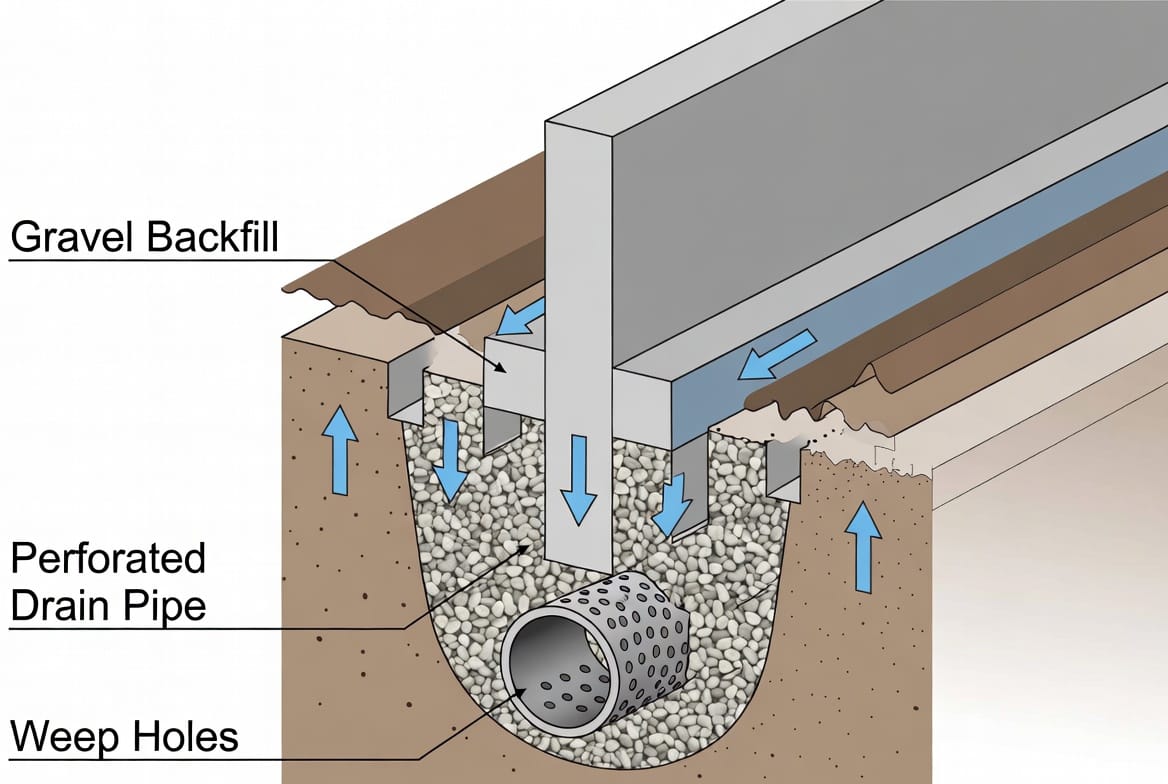
A complete concrete retaining wall drainage solution integrates several complementary elements working together. Understanding each component helps ensure proper installation and maintenance.
Weep Holes: The Pressure Relief Valves
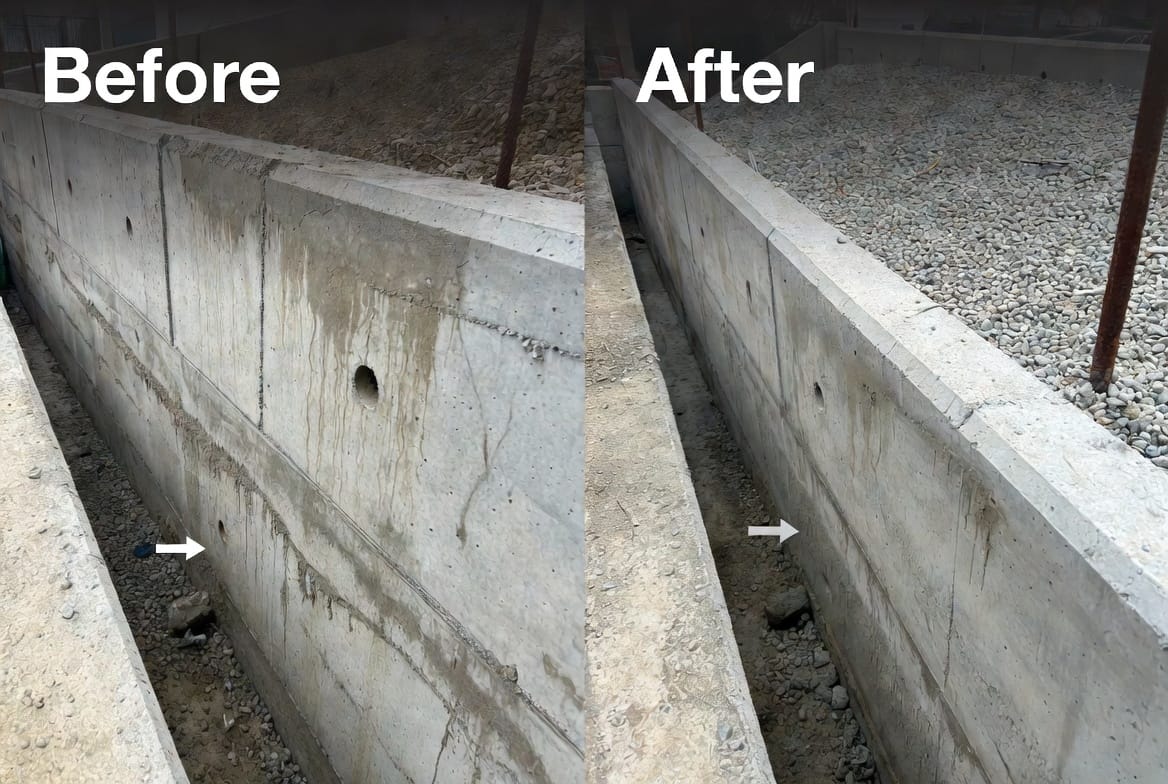
Weep holes are small openings strategically placed near the base of the retaining wall. They allow water that has passed through the backfill to exit the system, preventing buildup behind the wall.
Properly designed weep holes:
- Are typically 2 to 4 inches in diameter
- Spaced every 4 to 6 feet horizontally
- Positioned slightly above the lowest grade or footing level
- Often lined with filter fabric to prevent clogging
These unassuming features play a vital role in maintaining wall integrity by providing continuous pressure relief.
Gravel Backfill: The Foundation of Drainage
Gravel backfill is perhaps the most important material in the drainage system. Unlike native soil or clay, clean gravel creates large voids that allow water to flow freely toward the weep holes and drain pipes.
Benefits of using proper gravel backfill:
- Excellent permeability for rapid water movement
- Reduces soil saturation behind the wall
- Provides structural support while maintaining drainage paths
- Minimizes hydrostatic pressure significantly
Experts recommend using clean, angular gravel sized between 3/4-inch to 1-1/2 inches. This material should extend from the base of the wall up to at least 12-18 inches behind the structure, depending on wall height and soil conditions.
Perforated Drain Pipes: Managing Water Volume
For taller walls or areas with high water tables, a perforated drain pipe (often called a French drain) at the base of the wall collects and redirects water away from the structure. The pipe sits within the gravel backfill and channels water to a safe discharge point.
This combination of gravel backfill, weep holes, and drain pipe creates a robust, multi-layered drainage approach that handles both minor and significant water events.
Signs of Drainage Failure in Concrete Retaining Walls
Early detection of drainage problems can save significant time and money. Watch for these common indicators:
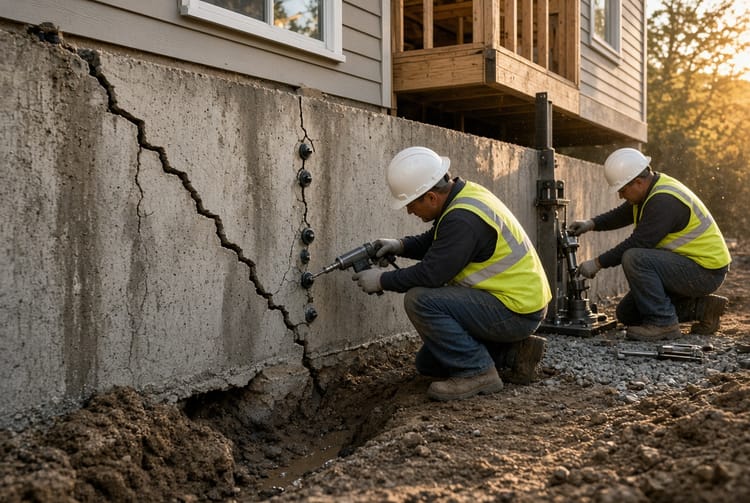
- Leaning or tilting of the wall outward
- Bulging sections where the face of the wall pushes forward
- Visible water stains or efflorescence on the concrete surface
- Missing or clogged weep holes
- Cracks appearing horizontally or vertically
- Soft, saturated soil at the base of the wall
- Erosion or pooling water behind the wall
If you notice any of these signs of drainage failure, prompt professional assessment is essential. Addressing issues early often allows for targeted repairs rather than full reconstruction.
Best Practices for Installing Drainage Systems
Successful concrete retaining wall drainage begins during the initial construction phase. Key installation guidelines include:
- Site Evaluation — Assess soil type, water table, and rainfall patterns
- Proper Footing Preparation — Ensure stable foundation with integrated drainage
- Filter Fabric Application — Use geotextile fabric to separate gravel from soil
- Layered Backfilling — Install gravel in controlled lifts while compacting carefully
- Weep Hole Placement — Maintain consistent spacing and clear pathways
- Pipe Installation — Slope drain pipes properly toward discharge points
- Quality Materials — Choose durable concrete, clean gravel, and appropriate pipe
Contractors should always follow local building codes and engineering specifications tailored to the specific site conditions.
Maintenance Tips to Preserve Your Drainage System
Even the best-designed systems benefit from regular attention. Simple maintenance routines help ensure long-term performance:
- Inspect weep holes seasonally for blockages
- Clear debris from the base and top of the wall
- Monitor for new cracks or movement
- Ensure gutters and downspouts direct water away from the wall
- Replenish gravel if settling occurs over time
These proactive steps reinforce the wall’s stability and prevent minor issues from escalating.
Common Myths About Retaining Wall Drainage
Many property owners underestimate drainage needs. Some common misconceptions include:
- “My wall doesn’t need drainage because the area is well-drained”
- “Weep holes alone are sufficient”
- “Any backfill material will work”
- “Drainage is only important in rainy climates”
In reality, proper drainage is critical in virtually all environments. Even arid regions experience occasional heavy rains or irrigation runoff that can compromise walls without adequate systems.
Choosing Professional Concrete Retaining Wall Services
Designing and building retaining walls with integrated drainage requires specialized knowledge and experience. Professional teams understand soil mechanics, hydrostatic forces, and local regulations to deliver solutions that last.
When selecting a contractor, look for:
- Proven expertise in concrete retaining wall drainage
- Portfolio of successful projects
- Commitment to quality materials and proper techniques
- Clear communication about design choices
The right professionals ensure your wall not only looks impressive but performs reliably for years to come.
The Long-Term Value of Proper Drainage
Investing in comprehensive drainage — including weep holes, gravel backfill, and supporting systems — delivers substantial returns through:
- Extended wall lifespan
- Reduced maintenance costs
- Enhanced property safety and aesthetics
- Increased real estate value
- Peace of mind during heavy weather events
A well-engineered retaining wall becomes an asset rather than a potential liability.
Conclusion: Drainage Keeps Walls Standing Strong
Concrete retaining wall drainage through thoughtfully implemented weep holes, gravel backfill, and drain pipes represents one of the most important aspects of successful wall design. By understanding and addressing water management from the beginning, you protect your property and avoid expensive future problems.
Drainage systems may work quietly behind the scenes, but their impact on wall performance is profound. When properly designed and maintained, these features ensure your retaining walls continue to provide beauty, function, and stability for generations.
If you have questions about your existing retaining wall or need expert guidance on a new project, our team is here to help.
Get Expert Retaining Wall Drainage Solutions – Call Today