The Concrete Ramp for Wheelchairs: ADA Slope and Landing Requirements
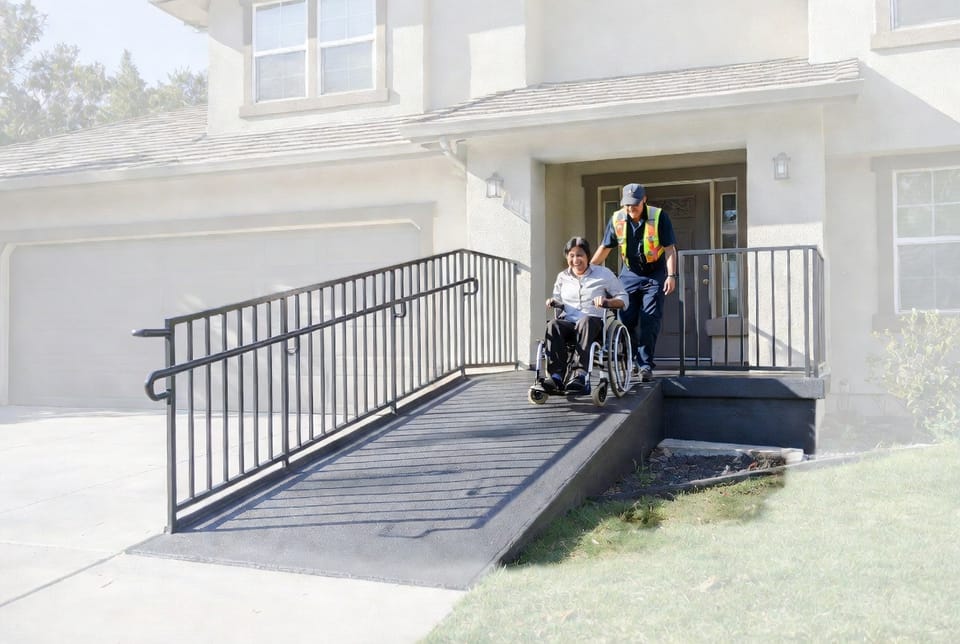
Creating accessible environments is not just a legal requirement—it is a commitment to dignity, independence, and inclusion for everyone. For homeowners, business owners, and property managers, installing a concrete ramp for wheelchairs can transform spaces into welcoming areas that comply with the Americans with Disabilities Act (ADA). At the heart of successful projects are precise ADA slope and landing requirements that ensure safety and functionality.
Get Expert Concrete Wheelchair Ramp Installation – Call Now!
Whether you are planning a new build or upgrading an existing entryway, understanding these standards prevents costly mistakes and delivers lasting value. In this comprehensive guide, we explore everything you need to know about designing and constructing ADA-compliant concrete wheelchair ramps, focusing on slope ratios, landing specifications, width, handrails, and more. By the end, you will feel confident about building ramps that truly serve your community.
Why ADA-Compliant Concrete Ramps Matter
Wheelchair accessibility goes beyond convenience. Improper ramps create barriers that limit mobility, pose safety risks, and may result in legal liabilities. ADA standards provide clear, science-backed guidelines developed to accommodate a wide range of users, including those with powered wheelchairs, walkers, or temporary mobility needs.
Concrete stands out as the preferred material for these ramps because of its durability, low maintenance, and ability to achieve smooth, precise slopes. A well-built concrete ramp withstands weather, heavy use, and time while maintaining the exact measurements required for compliance.
Key benefits include:
- Enhanced independence for residents and visitors
- Increased property value and market appeal
- Reduced risk of accidents and lawsuits
- Contribution to an inclusive community
Property owners who invest in proper concrete wheelchair ramps often report higher satisfaction from tenants, customers, and family members. It is a proactive step that demonstrates care and foresight.
Understanding the Critical ADA Slope Requirement
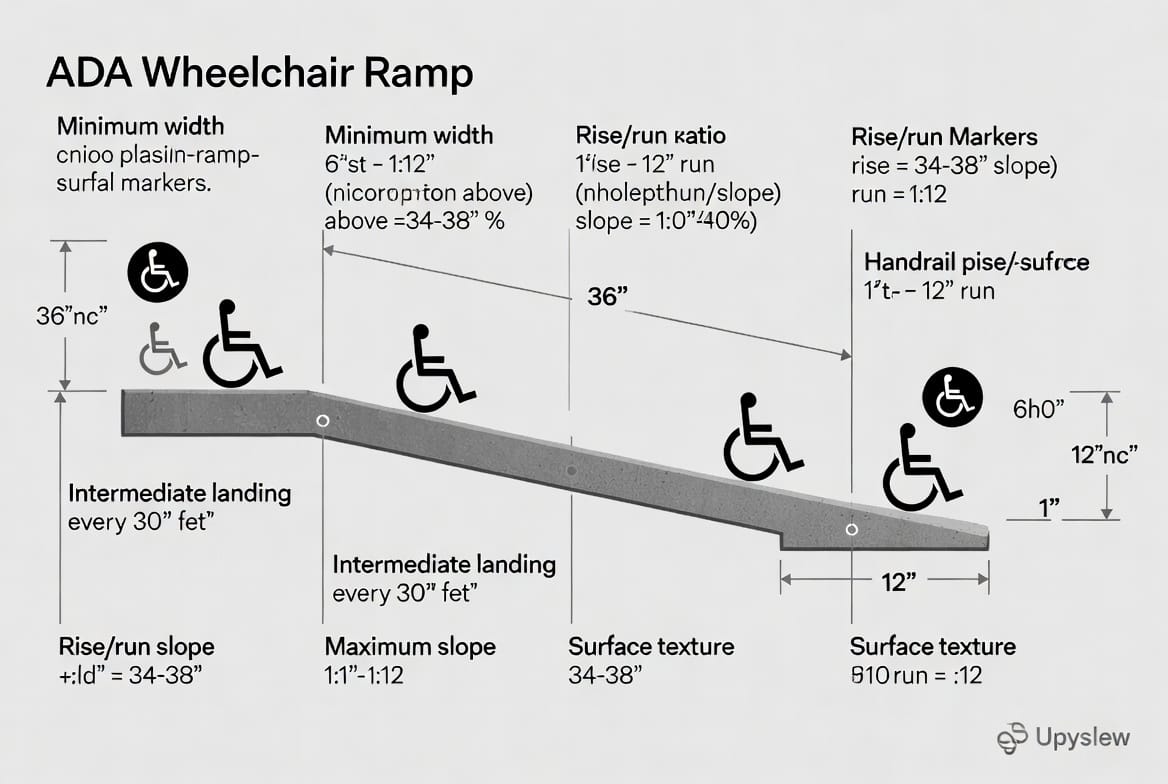
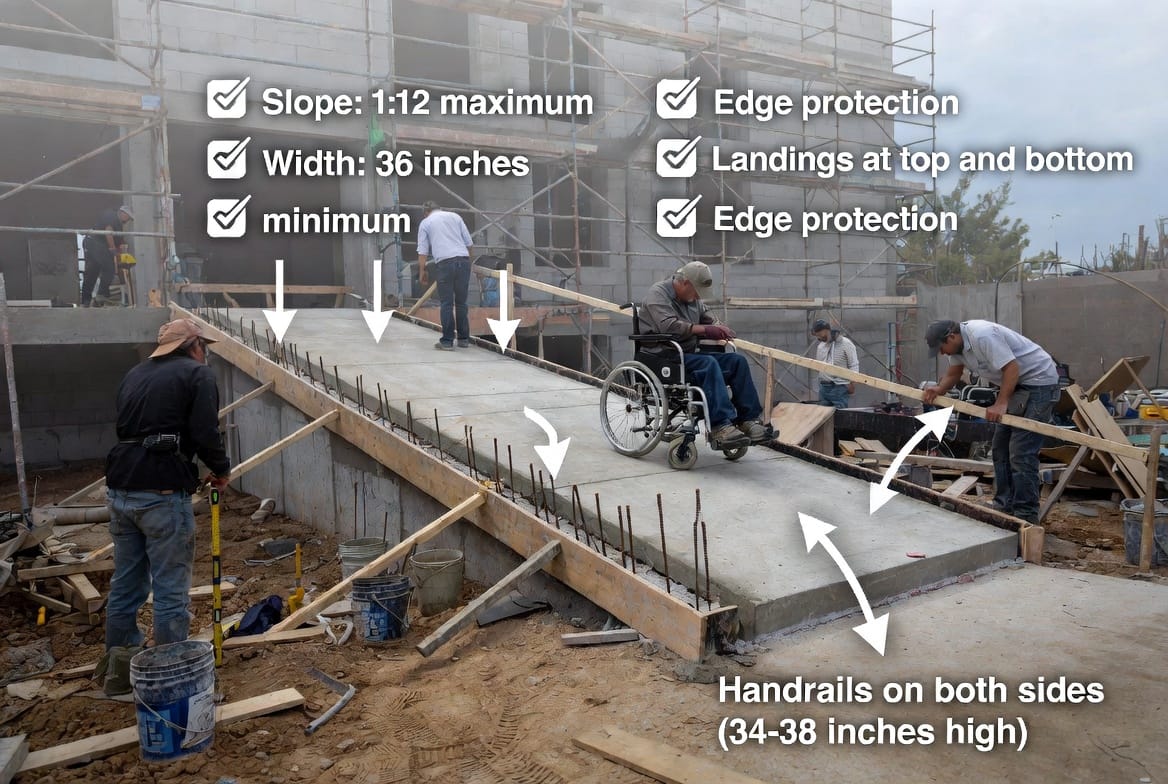
The cornerstone of any ADA-compliant ramp is the maximum slope of 1:12. This means 1 inch of vertical rise for every 12 inches of horizontal run. Steeper slopes make navigation difficult and dangerous, especially for manual wheelchair users or those with limited strength.
For example, a 6-inch rise requires at least 6 feet of ramp length (72 inches). This gentle gradient allows safe ascent and descent with controlled speed and minimal effort.
Important considerations for slope:
- Maximum allowable slope: 1:12 for most ramps
- Steeper slopes permitted only in limited cases: Up to 1:8 or 1:10 for very short rises with specific conditions
- Cross slope: Must not exceed 1:48 to prevent sideways tipping
- Surface: Firm, stable, and slip-resistant concrete with proper texturing or brooming
Professional contractors carefully calculate these dimensions using laser levels and forms to achieve perfect uniformity. Deviations as small as a fraction of an inch can compromise compliance, which is why experienced teams are essential.
Landing Requirements: Essential Rest and Transition Points
No concrete wheelchair ramp is complete without properly sized landings. These flat platforms provide space to rest, change direction, or open doors safely.
ADA landing standards include:
- Bottom and top landings: Minimum 60 inches by 60 inches square
- Intermediate landings: Required every 30 feet of ramp run (or after 30 feet of continuous rise)
- Switchback landings: At least 60 inches by 60 inches, plus additional space for turning
- Door landings: Clear space beyond the swing of any door
Landings must maintain the same width as the ramp and feature the same non-slip concrete finish. They act as critical safety buffers, preventing users from losing control on longer runs. In residential or commercial settings, thoughtful landing placement can also enhance the overall aesthetic flow of the entrance.
Contractors often integrate these landings seamlessly into the concrete pour, ensuring level surfaces with precise drainage slopes (typically 1/4 inch per foot away from buildings) to prevent water accumulation.
Minimum Width and Clear Space Guidelines
Ramp width is another vital factor for usability. The ADA requires a minimum clear width of 36 inches between handrails or curbs. This accommodates most wheelchairs and allows safe passing in some situations.
For high-traffic areas or wider mobility devices, many experts recommend 48 to 60 inches or more. Additional considerations include:
- Edge protection to prevent wheels from slipping off
- Adequate clearance for handrails (typically 1.5 inches from walls)
- Sufficient maneuvering space at entrances
Proper width ensures the ramp feels spacious and secure rather than restrictive. When planning your concrete ramp for wheelchairs, consult local building officials early to confirm any stricter municipal codes that may apply beyond baseline ADA rules.
Handrails, Edge Protection, and Additional Safety Features
For any ramp with a rise greater than 6 inches, handrails are mandatory. They must be installed on both sides and meet specific height and graspability requirements:
- Height: 34 to 38 inches measured from the ramp surface
- Continuous along the full length, including landings
- Grippable diameter between 1¼ and 2 inches
- Rounded edges and smooth surfaces
Edge protection options include curbs (minimum 2 inches high), railings, or extended surfaces that stop wheels from rolling off. These elements work together with the concrete structure to create a complete safety system.
Other important features:
- Surface texture: Broom-finished or stamped concrete for traction
- Lighting: Adequate illumination for nighttime use
- Contrast markings: For visibility at edges and transitions
- Drainage: Integrated slopes to direct water away
These details separate a basic ramp from a truly professional, ADA-compliant concrete installation.
Common Mistakes to Avoid in Concrete Ramp Construction
Even well-intentioned projects can fall short without expert guidance. Frequent issues include:
- Incorrect slope calculations leading to overly steep sections
- Insufficient landing lengths causing maneuvering difficulties
- Inadequate handrail installation or missing edge protection
- Poor concrete mix or finishing that creates slippery surfaces
- Failure to account for frost heave or soil settlement in colder climates
Avoiding these pitfalls requires detailed site evaluation, proper formwork, quality concrete mixes (often with additives for strength and workability), and thorough inspections. Partnering with specialists experienced in ADA concrete ramps saves time, money, and headaches while guaranteeing code compliance.
The Construction Process: Step by Step
Building a compliant concrete wheelchair ramp follows a structured approach:
- Site Assessment — Evaluate existing grade, soil conditions, and space availability.
- Design and Permitting — Create detailed plans meeting ADA slope and landing rules.
- Foundation Preparation — Excavate, compact base material, and install forms.
- Reinforcement — Place rebar or wire mesh for structural integrity.
- Concrete Pour — Use high-quality mix, finish to exact slopes, and texture the surface.
- Curing and Finishing — Allow proper curing time before adding handrails and details.
- Final Inspection — Verify all measurements against ADA standards.
Throughout this process, maintaining the 1:12 slope and strategic landing placements ensures the ramp performs perfectly for years.
Benefits Beyond Compliance
An accessible concrete ramp does more than meet legal standards. It boosts property accessibility scores, supports aging-in-place goals, and opens opportunities for community events or business growth. Families appreciate the peace of mind knowing loved ones can move freely. Businesses benefit from broader customer bases and positive public perception.
Moreover, ADA-compliant ramps often qualify for tax incentives or grants aimed at improving accessibility. This makes them a smart financial decision alongside their humanitarian value.
Maintenance Tips for Long-Lasting Performance
To keep your ramp in top condition:
- Regularly inspect for cracks or settling
- Clean surfaces to maintain traction
- Check handrails and fasteners seasonally
- Address drainage issues promptly
- Consider sealers for added protection in harsh weather
Routine care extends the life of the concrete and preserves compliance over time.
Planning Your Own Accessible Ramp Project
Every property is unique, which is why professional assessment is invaluable. Factors like total rise, available footprint, local climate, and usage patterns all influence the final design. A qualified concrete specialist can guide you through options that balance functionality, aesthetics, and budget.
Whether for a private residence, commercial building, or public facility, investing in proper concrete wheelchair ramps creates spaces where everyone belongs.
In conclusion, building accessible ramps that meet code is an achievable and rewarding project when you follow ADA slope and landing requirements. The 1:12 slope, adequate landings every 30 feet, 36-inch minimum width, and appropriate handrails form the foundation of safe, usable designs.
Ready to create a safer, more inclusive entrance? Contact our team today to discuss ADA-compliant concrete solutions tailored to your needs.
Create Accessible Entrances with Confidence – Call Now!