The Concrete Planter Box: Built-in Gardens for Patios and Yards
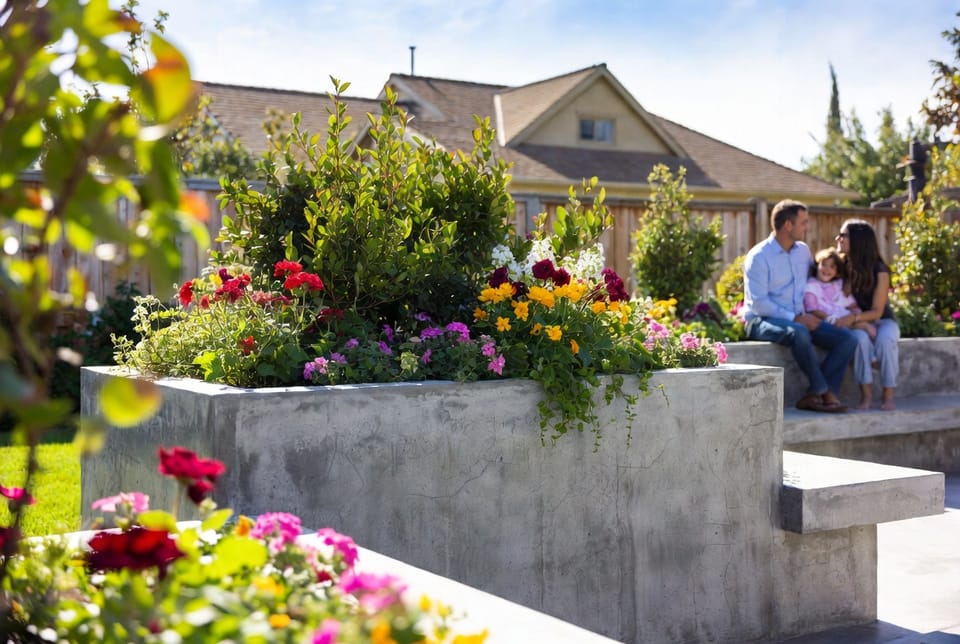
Concrete planter boxes represent one of the most durable and versatile solutions for homeowners seeking permanent landscaping features that enhance both aesthetics and functionality. Unlike temporary wooden or plastic containers that degrade over time, concrete planters offer timeless appeal, structural integrity, and the ability to withstand harsh weather conditions while supporting thriving plant life.
Get Custom Concrete Planters Installed – Call Now!
Whether you're designing a compact urban patio or a spacious backyard retreat, built-in concrete planter boxes create defined garden spaces that blend seamlessly with your home's architecture. In this comprehensive guide, we'll explore everything you need to know about planning, building, and maintaining these landscape features.
Why Choose Concrete Planter Boxes for Your Landscape?
Concrete planter boxes deliver unmatched longevity and low maintenance. They resist rot, pests, and cracking when properly constructed, making them ideal for high-traffic areas or regions with extreme temperature fluctuations.
Beyond durability, these structures provide several key advantages:
- Thermal mass that helps regulate soil temperature for healthier root systems
- Customization potential in size, shape, and finish to match any design style
- Integration with patios, retaining walls, or raised garden beds
- Weed suppression and clear boundaries for organized planting
- Increased property value through professional-grade hardscaping
Homeowners in areas like Dallas and surrounding Texas communities particularly appreciate concrete's ability to handle intense sun, occasional heavy rains, and clay-heavy soils.
Planning Your Concrete Planter Box Project
Successful concrete planter construction begins with thoughtful design. Consider these essential factors:
- Location and sunlight exposure: Choose spots that match your desired plants' needs — full sun for vegetables and flowering annuals, partial shade for ferns and hostas.
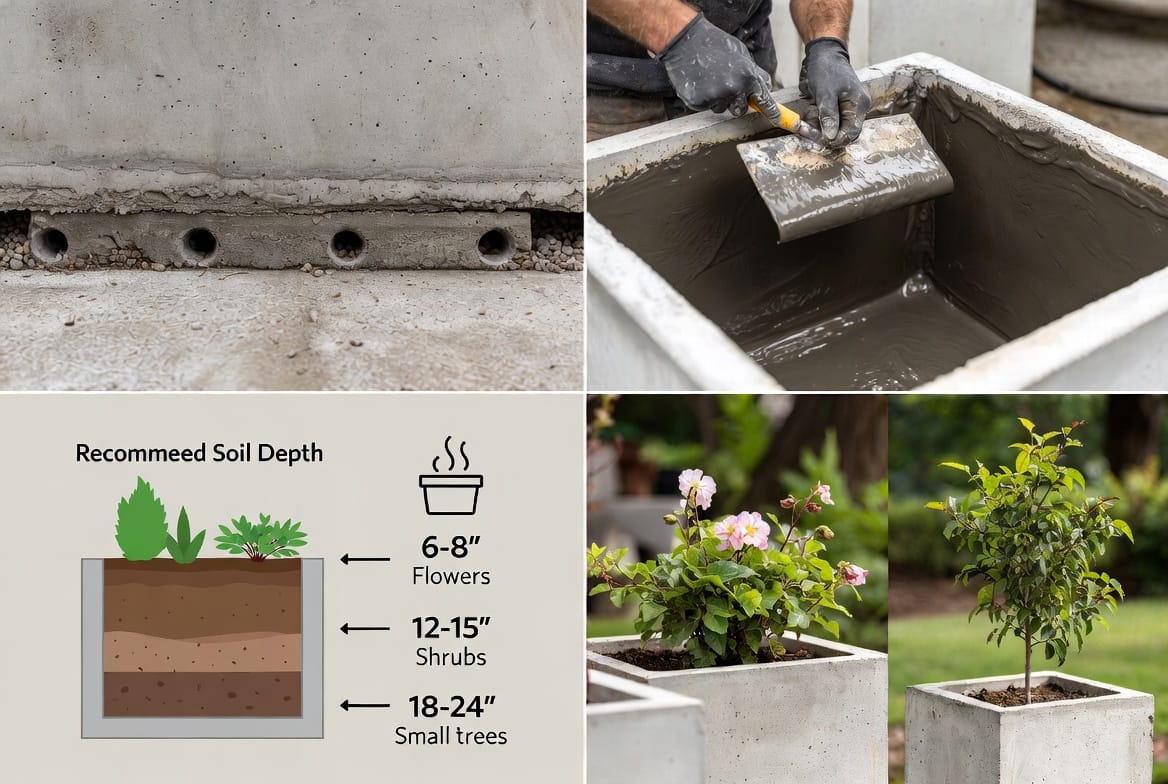
- Size and scale: Aim for at least 12-18 inches in depth for most perennials and shrubs. Width and length depend on available space, but larger boxes (24+ inches deep) support small trees.
- Shape options: Rectangular for clean lines, curved for organic flow, or L-shaped to wrap around corners.
- Drainage strategy: Critical for preventing root rot — plan for multiple drainage holes and gravel layers.
- Height considerations: Keep walls between 12-36 inches for comfortable access and visual balance.
Pro tip: Sketch your design on paper or use simple landscaping software to visualize how the planter will integrate with existing hardscape and architecture.
Materials and Tools Needed
Building a quality concrete planter requires reliable materials:
- Concrete mix (high-strength recommended for structural integrity)
- Rebar or wire mesh for reinforcement
- Wooden forms (plywood or dimensional lumber)
- Waterproofing sealant suitable for concrete
- Gravel for drainage base
- PVC pipe or drainage fittings
- Basic tools: level, trowel, mixer, safety gear
Always source materials from reputable suppliers to ensure consistency and strength.
Step-by-Step Guide to Building Concrete Planter Boxes
1. Site Preparation and Foundation
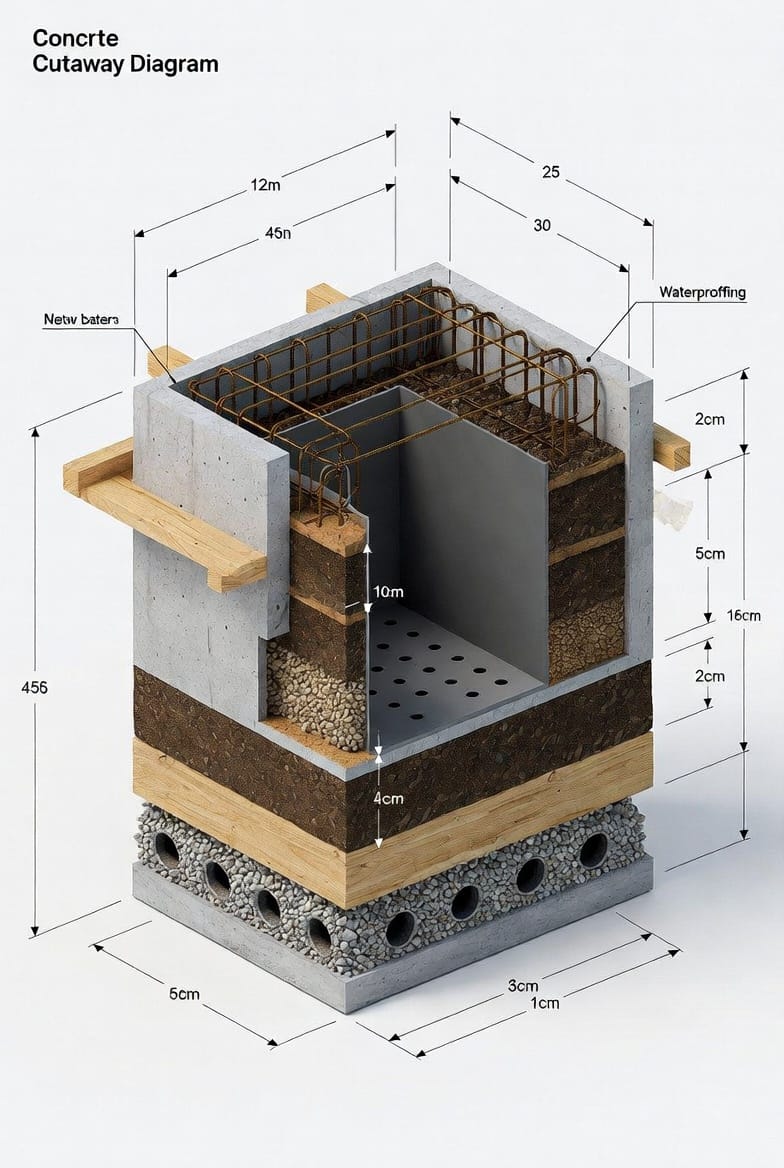
Begin by clearing the area and creating a stable, level base. Excavate slightly and add a compacted gravel foundation to promote drainage and prevent shifting. For built-in designs against existing structures, ensure proper isolation to avoid moisture transfer.
2. Form Construction
Construct sturdy wooden forms that define the planter's shape. Use release agents so forms detach cleanly after curing. Brace forms securely — wet concrete exerts significant pressure. Pay special attention to corners and joints for clean, professional results.
3. Reinforcement with Rebar
Rebar reinforcing is essential for structural longevity. Place vertical and horizontal rebar in a grid pattern, maintaining proper clearance from edges to prevent rust. Wire ties secure intersections. This reinforcement prevents cracking from soil pressure and freeze-thaw cycles.
4. Pouring and Finishing Concrete
Mix and pour concrete in one continuous operation for best results. Vibrate to eliminate air pockets. Smooth the top edges for a finished look or add texture for visual interest. Allow proper curing time — typically 7 days minimum before removing forms, longer for full strength.
5. Adding Drainage Features
Drainage holes are non-negotiable. Drill or form several holes in the bottom, spacing them evenly. Line the base with landscape fabric and gravel to prevent clogging while allowing water to escape. Consider slight sloping toward drainage points.
6. Waterproofing the Interior
Apply high-quality waterproofing membrane or sealant to interior surfaces. This crucial step prevents water absorption into the concrete, protecting both the structure and nearby foundations from moisture damage. Choose products rated for constant soil contact.
Design Considerations for Optimal Performance
Size matters significantly in planter success. Shallower boxes suit succulents and herbs, while deeper ones accommodate larger root systems. Ensure adequate soil depth — generally 12-24 inches depending on plant selection.
Shape influences both aesthetics and functionality. Rounded corners reduce stress points in the concrete, while straight lines complement modern architecture. Integrate built-in irrigation lines during construction for effortless maintenance.
Color and texture options abound. Integral pigments, acid stains, or stamped patterns can match your home's exterior. Consider sealing the exterior for easier cleaning and enhanced weather resistance.
Plants That Thrive in Concrete Planter Boxes
Concrete's alkaline nature suits many plants, but soil amendments help optimize growing conditions. Excellent choices include:
- Flowering perennials: Lavender, salvia, and coneflowers for pollinator-friendly displays
- Ornamental grasses: For movement and year-round interest
- Small shrubs: Boxwood, dwarf evergreens, or flowering varieties like hydrangeas
- Herbs and vegetables: Rosemary, thyme, tomatoes, and peppers in sunny locations
- Succulents and cacti: Perfect for drought-tolerant designs
Match plants to your USDA zone and microclimate. In Texas regions, heat-tolerant and drought-resistant varieties perform exceptionally well.
Soil preparation involves quality potting mix blended with compost. Add perlite or vermiculite for improved drainage in heavier mixes.
Maintenance Tips for Long-Lasting Beauty
Concrete planter boxes require minimal upkeep once established:
- Monitor soil moisture — concrete can dry out faster than ground soil
- Fertilize according to plant needs, typically spring and mid-summer
- Inspect for cracks annually and seal as needed
- Clean surfaces gently to prevent staining
- Refresh topsoil or mulch periodically
With proper care, your built-in gardens will provide decades of enjoyment.
Common Mistakes to Avoid
- Insufficient drainage leading to waterlogged soil
- Inadequate reinforcement causing structural failure
- Poor waterproofing resulting in moisture issues
- Wrong plant selection for container depth and exposure
- Rushing the curing process
By following best practices, you ensure a professional result that enhances your property for years to come.
Enhancing Your Outdoor Living Space
Built-in concrete planter boxes transform ordinary patios and yards into inviting garden retreats. They create natural gathering spots, define zones within larger landscapes, and provide opportunities for creative plant combinations that evolve with seasons.
Many homeowners combine planters with seating walls, water features, or lighting for complete outdoor rooms. The possibilities are limited only by imagination and available space.
Environmental and Practical Benefits
Concrete planters support sustainable landscaping by reducing the need for replacement containers and enabling efficient water use through contained growing areas. They minimize soil erosion around patios and provide habitat for beneficial insects when planted thoughtfully.
For families, these features offer educational opportunities — children love helping tend container gardens — while creating beautiful, low-maintenance spaces for relaxation and entertaining.
Professional Installation vs. DIY
While capable DIYers can successfully build concrete planter boxes, complex designs or structural integrations benefit from professional expertise. Experienced concrete landscape contractors ensure proper engineering, permitting compliance (where required), and flawless execution.
Professionals bring specialized tools, material knowledge, and design insights that elevate projects from functional to extraordinary.
Conclusion: Invest in Permanent Greenery
Built-in concrete planters add permanent greenery and sophisticated hardscaping that elevates any patio or yard. Their durability, customizability, and beauty make them a smart long-term investment for homeowners who value quality outdoor spaces.
Ready to enhance your property with custom concrete solutions? Our team specializes in landscape concrete projects tailored to your vision and local conditions. Contact us today to discuss your ideas and receive expert guidance on creating beautiful, lasting concrete planter boxes for your home.
Expert Concrete Planter Box Installation – Call Now