The Concrete Driveway Sealing: Timing, Products, and Application Methods.
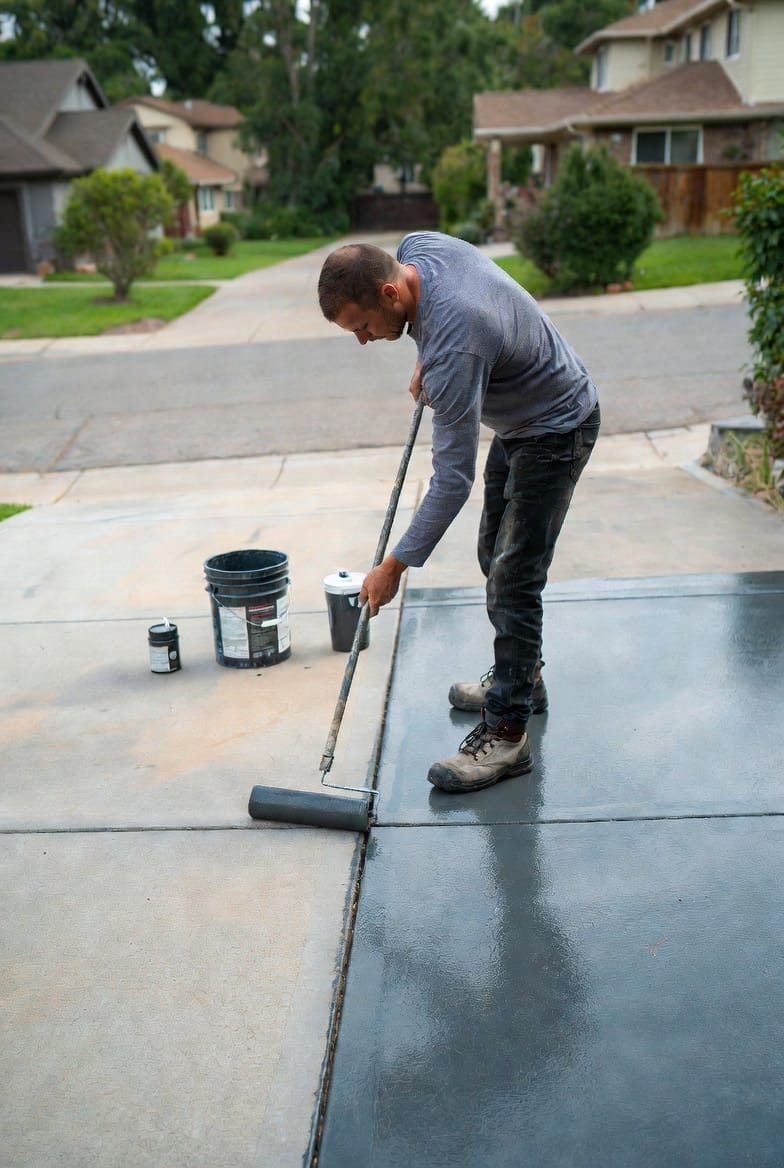
Concrete driveway sealing stands as one of the most effective ways to extend the life and beauty of your home’s most hardworking surface. A well-sealed driveway resists water damage, oil stains, de-icing salts, and everyday wear, preserving both appearance and structural integrity for years. When performed correctly, sealing transforms an ordinary concrete slab into a durable, low-maintenance asset that continues to serve your family reliably.
Protect Your Concrete Driveway – Call for Expert Sealing Today
Homeowners often wonder exactly when and how to approach this essential maintenance task. The good news is that concrete driveway sealing follows clear, proven guidelines that deliver consistent results. By understanding the optimal timing, selecting the right product, and following professional application methods, you can protect your investment without guesswork or costly mistakes.
When to Seal Your Concrete Driveway
Timing matters more than most realize. Freshly poured concrete requires a full curing period before any sealer can be applied safely. New concrete must cure for 28-30 days minimum. During this window, moisture continues to escape from the slab as it reaches full hardness. Applying sealer too early traps that moisture and can cause peeling, bubbling, or white efflorescence that ruins the finish.
Once the initial cure is complete, plan to reapply sealer every 2 to 5 years depending on climate, traffic, and exposure. In regions with harsh winters and frequent freeze-thaw cycles, every 2-3 years keeps the surface protected. Milder climates with lower vehicle traffic may stretch intervals to 4-5 years.
Look for these clear signs that your driveway needs attention:
- Fading or dull appearance – the rich color of the concrete has washed out
- Increased dust when sweeping or pressure-washing
- Rapid absorption of water – puddles disappear quickly instead of beading up
- Visible hairline cracks or surface pitting
- Stains from oil, tire marks, or rust that penetrate deeper than before
Acting at the first signs prevents minor issues from becoming expensive repairs. Regular concrete driveway sealing acts as an invisible shield that stops damage before it starts.
Why Proper Sealing Matters for Long-Term Maintenance
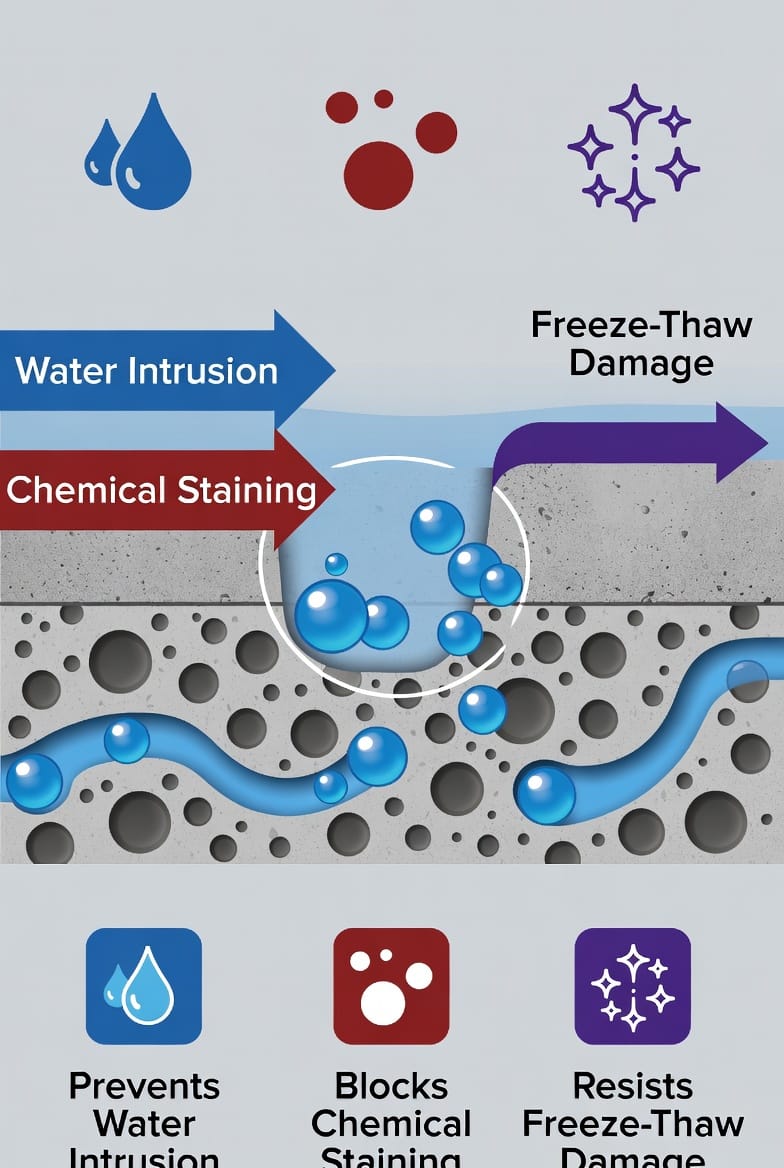
Sealing is not cosmetic—it is genuine maintenance that directly impacts longevity. Unsealed concrete is porous by nature. Water enters the surface, expands when it freezes, and creates micro-cracks. De-icing chemicals accelerate this process. Oil and gasoline stains become permanent without protection.
A quality sealer creates a barrier that repels moisture while still allowing the concrete to breathe. It reduces surface erosion, makes cleaning effortless, and dramatically lowers the risk of costly replacements. Homeowners who maintain a consistent sealing schedule routinely enjoy driveways that look fresh for decades instead of deteriorating within ten years.
Understanding the Main Types of Concrete Sealers
Three primary categories dominate the market, each engineered for specific performance needs. Choosing the right one ensures both protection and the exact appearance you want.
Silicate sealers penetrate deeply into the concrete rather than sitting on top. They chemically react with the free lime in the slab to form a hardened, dust-proof surface. These sealers deliver a completely natural matte look with no sheen or color enhancement. They excel in high-traffic areas where a film-forming product might wear unevenly. Because they become part of the concrete itself, silicate options offer excellent longevity with minimal maintenance.
Acrylic sealers form a thin protective film on the surface. Available in solvent- or water-based formulas, they provide a beautiful low-to-high gloss that enhances the natural color of the concrete. Acrylics deliver superior UV resistance and make the surface easier to clean. They are ideal for homeowners who want that “just-installed” wet look while still protecting against water and mild chemicals. Reapplication is straightforward, and the finish can be adjusted from satin to high gloss.
Epoxy sealers deliver extreme durability for the toughest conditions. These two-part systems create a thick, rock-hard coating that resists heavy vehicle traffic, chemicals, and abrasion better than any other option. Epoxy produces a high-gloss, showroom-quality finish and stands up to gasoline, motor oil, and road salt exceptionally well. While slightly more involved to apply, the results justify the effort in driveways that see constant use or harsh exposure.
Each type has its place. Your choice depends on desired appearance, local climate, and how the driveway is used day to day.
Step-by-Step Application Methods for Professional Results
Proper application separates a lasting seal from a disappointing one. Follow these proven steps and you will achieve factory-like results every time.
- Prepare the surface thoroughly – Remove all dirt, oil, old sealer, and debris using a pressure washer or concrete cleaner. Allow the driveway to dry completely for at least 24 hours.
- Protect surrounding areas – Mask off grass, siding, and landscaping with plastic sheeting and painter’s tape.
- Choose the right tools – A high-quality roller with extension pole, paint tray, and stiff-bristle brush for edges and corners deliver even coverage.
- Apply in ideal conditions – Temperatures between 50°F and 85°F with no rain forecast for 24-48 hours ensure proper curing.
- Work in sections – Divide the driveway into manageable areas and apply sealer from the back toward the street to avoid stepping on wet product.
- Use thin, even coats – Two thin coats perform far better than one heavy coat. Allow the first coat to dry according to product instructions before applying the second.
- Back-roll for uniformity – Lightly roll over the surface again to eliminate roller marks and puddles.
Allow full cure time—usually 24-72 hours—before driving or walking on the sealed surface. Following these methods eliminates common problems like streaking, bubbling, or uneven protection.
Common Mistakes to Avoid and How to Fix Them
Even experienced DIYers occasionally encounter challenges. The most frequent issues include applying sealer to a damp surface, using the wrong product for the climate, or skipping thorough cleaning. These mistakes lead to premature peeling or trapped moisture.
If you notice white spots or flaking after sealing, the surface likely was not fully dry. In that case, allow complete drying and reapply a compatible product after light sanding. Always test a small inconspicuous area first when switching sealer types.
Maintaining Your Sealed Driveway Year After Year
Once sealed, your driveway requires minimal effort to stay beautiful. Sweep regularly to remove abrasive dirt. Rinse with water when stains appear. Reapply sealer on the schedule recommended for your climate and product choice. These simple habits multiply the lifespan of both the sealer and the concrete beneath it.
Protecting Your Concrete Investment with Sealing
Concrete driveway sealing remains the single most cost-effective maintenance step you can take. When timed correctly, chosen thoughtfully, and applied properly, the right sealer safeguards your driveway against the elements and daily wear for years to come. You gain peace of mind knowing your home’s entrance looks polished and performs reliably season after season.
Ready to protect your concrete investment with professional results? Ask about our expert sealing services today.
Get Professional Driveway Sealing – Call Now!