The Concrete Disposal Dumpster: Weight Limits for Heavy Materials
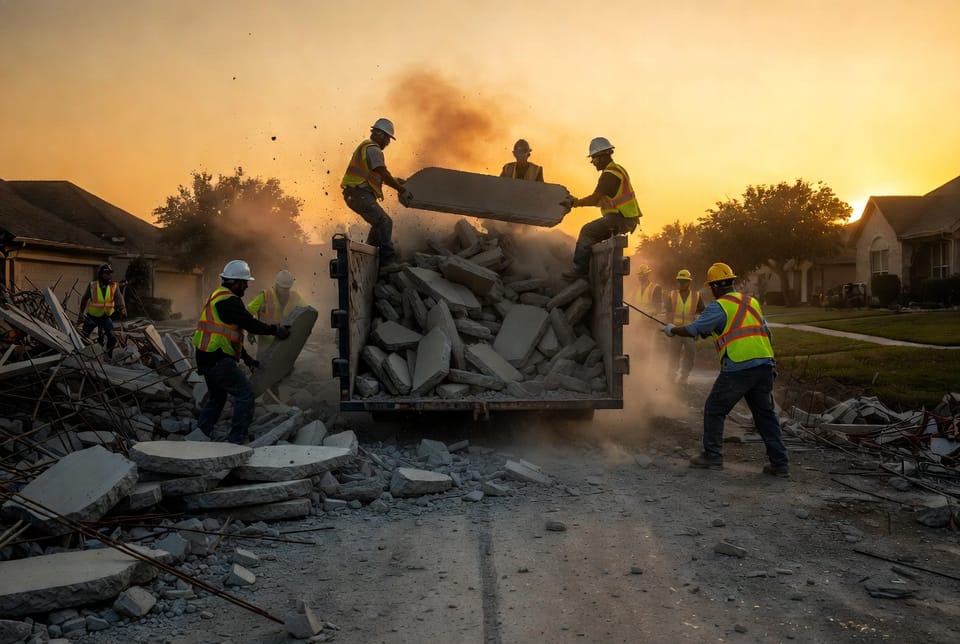
When tackling home renovations, demolition projects, or construction jobs, one of the most critical decisions involves proper concrete disposal. Unlike lighter construction debris, concrete and dirt present unique challenges due to their significant weight. Understanding weight limits for heavy materials in dumpster rentals ensures safety, compliance, and cost efficiency. At our dumpster rental service, we prioritize helping homeowners and contractors navigate these details with confidence.
Handle Heavy Concrete Safely – Call for Expert Dumpster Rental
Concrete is one of the densest materials you'll encounter in a typical cleanup. A single cubic foot weighs approximately 150 pounds, making even modest volumes surprisingly heavy. Ignoring these realities can lead to overloaded dumpsters, extra fees, unsafe hauling conditions, or even regulatory violations. This comprehensive guide breaks down everything you need to know about renting the right concrete disposal dumpster while staying within safe weight limits.
Why Concrete and Dirt Require Special Attention in Dumpster Rentals
Standard construction debris like wood, drywall, or packaging materials is relatively lightweight. Heavy materials such as broken concrete, rebar-reinforced slabs, or excavated dirt demand a different approach. Overloading a dumpster beyond its rated capacity risks:
- Vehicle instability during transport
- Damage to the dumpster or hauling equipment
- Fines from weight-restricted roads or landfills
- Higher disposal costs due to overage charges
Our experts recommend always specifying that your project involves heavy debris when reserving a dumpster. This allows us to suggest appropriately sized containers with realistic weight limits tailored to your needs.
Key risks of mismanaging heavy loads include:
- Increased liability on your job site
- Potential structural failure of the dumpster floor
- Delays in project timelines
- Environmental concerns from improper disposal
By planning ahead, you protect your property, your team, and your budget.
Understanding Concrete Weight: Essential Calculations
Accurate estimation prevents surprises. Here's how to calculate the weight of your concrete debris:
Basic formula:
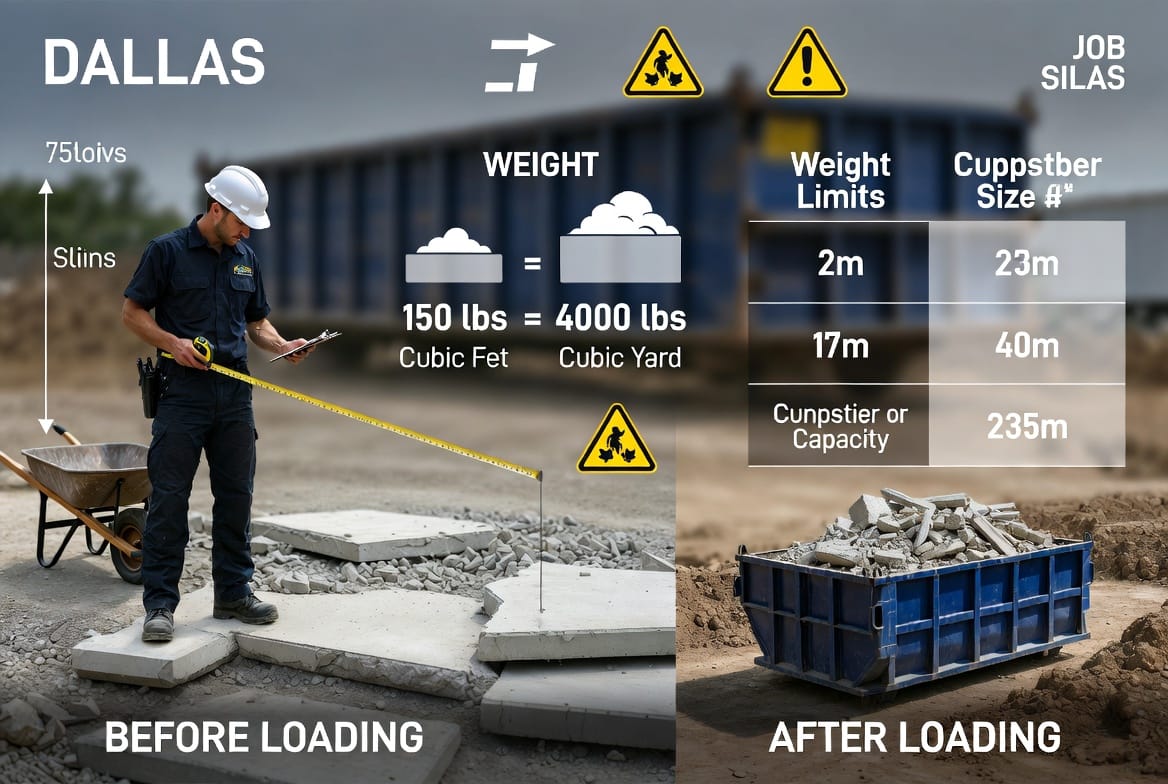
Volume in cubic feet × 150 pounds per cubic foot = Total estimated weight.
For larger projects, think in cubic yards (most dumpsters are sized this way):
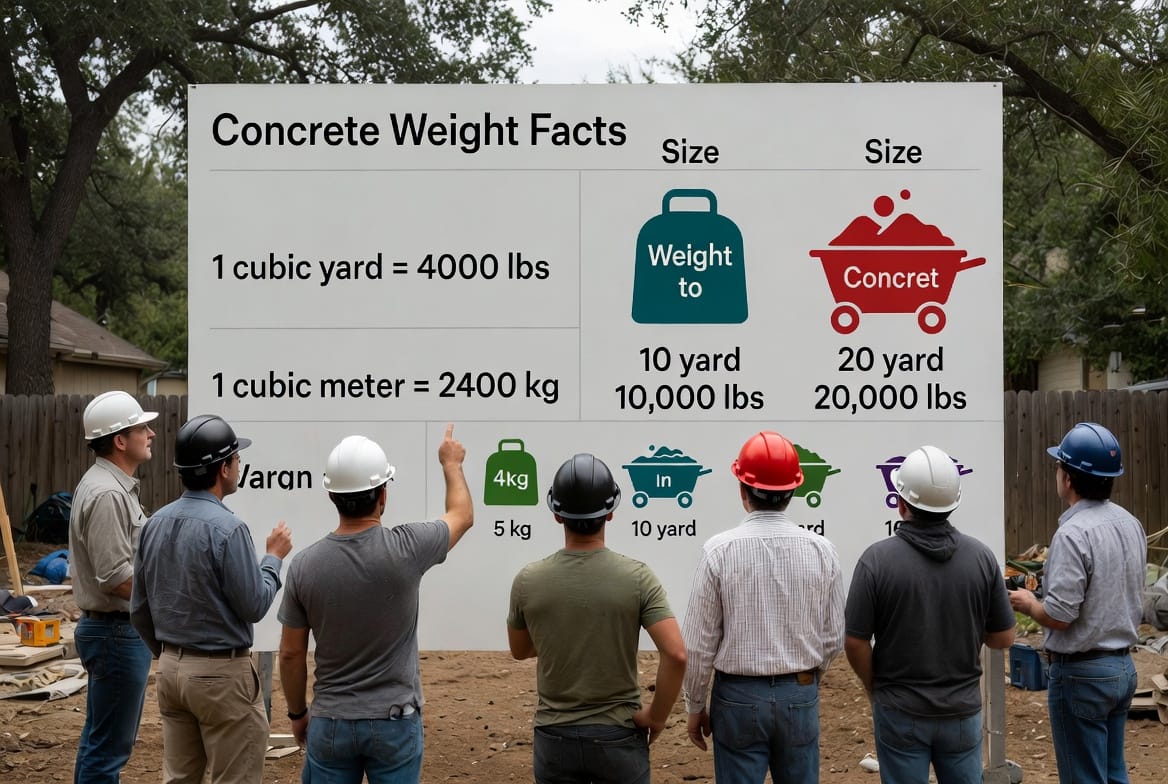
- 1 cubic yard of concrete weighs approximately 4,000 pounds (about 2 tons).
Practical estimation tips:
- Measure the length, width, and average thickness of concrete sections you plan to remove.
- Account for reinforcement materials like rebar, which adds extra weight.
- Include any attached dirt or soil, as these also contribute significantly to the total load.
- Use online calculators or consult our team for precise assessments based on your project photos.
Pro tip: It's always better to underestimate volume slightly and rent a larger dumpster than to risk exceeding weight limits. Our professionals can help refine these estimates during the rental consultation.
Dumpster Size Options and Their Weight Limits for Concrete
Different dumpster sizes accommodate varying amounts of heavy material. Here’s a breakdown of common options:
- 10-yard dumpster: Ideal for small projects like driveway sections or patio removal. Typical weight limit around 8,000–10,000 pounds. Suitable for roughly 2–2.5 cubic yards of concrete.
- 15-yard dumpster: A versatile mid-size choice for moderate renovations. Often rated for 12,000–15,000 pounds, accommodating up to 3–4 cubic yards of heavy debris.
- 20-yard dumpster: Popular for larger home projects. Standard weight limits typically range from 16,000–20,000 pounds, handling approximately 4–5 cubic yards of concrete safely.
- 30-yard dumpster: Best for substantial demolition. Higher capacity but strict weight limits (often 20,000–25,000+ pounds depending on hauler) to ensure safe transport.
- 40-yard dumpster: For major commercial or large residential jobs. Requires careful planning as heavy material limits are monitored closely.
Remember, these are general guidelines. Actual weight limits vary by location, landfill rules, and rental provider. Always confirm specifics when ordering your concrete disposal dumpster.
Factors that influence weight restrictions:
- Local road and bridge weight regulations
- Landfill tipping fees based on tonnage
- Dumpster construction and axle ratings
- Weather conditions affecting material density
Choosing the correct size from the start avoids costly overage fees, which can add hundreds of dollars if exceeded.
Best Practices for Loading Concrete Safely
Proper loading maximizes space while staying under weight limits:
- Break concrete into manageable chunks—no pieces larger than 2–3 feet across.
- Distribute weight evenly across the dumpster floor.
- Layer lighter debris on top if mixing materials (when permitted).
- Avoid overfilling beyond the container’s walls.
- Use protective gear and equipment like wheelbarrows or skid steers for heavy lifting.
Safety first: Never attempt to move heavy concrete manually if it risks injury. Professional equipment or hired labor ensures compliance and protection.
Our dumpster rental team provides guidance on loading techniques tailored to heavy materials like concrete and dirt, helping Dallas-area homeowners and contractors complete projects efficiently.
Environmental and Regulatory Considerations
Responsible concrete disposal goes beyond weight limits. Many areas encourage recycling of clean concrete, which can be crushed and reused as aggregate for new construction. This reduces landfill impact and may qualify for lower disposal rates.
Important regulations to note:
- Permits may be required for large dumpsters on public streets.
- Hazardous materials (paint, asbestos) must be separated.
- Certain landfills have strict acceptance criteria for heavy loads.
- Weight tickets are often required at drop-off.
By partnering with an experienced provider, you ensure full compliance while contributing to sustainable practices. We guide customers through these requirements, offering reassurance every step of the way.
Common Mistakes to Avoid with Heavy Debris Dumpsters
Even experienced contractors can overlook details. Watch out for these pitfalls:
- Underestimating density: Concrete weighs far more than general waste.
- Mixing incompatible materials: Some facilities restrict contaminated loads.
- Ignoring rental terms: Overweight charges can exceed the base rental fee.
- Poor site preparation: Ensure stable, level ground for dumpster placement.
- Last-minute changes: Notify your provider early if project scope increases.
Learning from these common errors helps you approach your project with authority and confidence.
Benefits of Professional Dumpster Rental for Concrete Projects
Renting a specialized concrete disposal dumpster offers numerous advantages:
- Convenience: Materials stay contained on-site until pickup.
- Cost predictability: Clear weight guidelines minimize surprises.
- Time savings: Focus on your renovation instead of hauling trips.
- Safety improvements: Reduced clutter lowers accident risks.
- Eco-friendly options: Access to recycling streams for clean concrete.
Homeowners in the Dallas area particularly appreciate how proper planning transforms stressful cleanups into manageable, successful projects.
Project Planning Checklist for Heavy Material Disposal
Use this checklist to prepare:
- Assess total volume and estimate weight using the 150 lbs per cubic foot rule.
- Select appropriate dumpster size based on calculations.
- Clear the placement area of obstacles.
- Schedule delivery and pickup to match your timeline.
- Separate recyclable concrete when possible.
- Document everything with photos for insurance or permit purposes.
- Contact professionals for advice on complex jobs.
Following these steps ensures smooth execution from start to finish.
Real-World Examples of Concrete Disposal Success
Consider a typical Dallas suburban driveway replacement. By renting a 20-yard dumpster and carefully calculating loads, homeowners successfully removed over 4 cubic yards of old concrete without exceeding weight limits. The result? A fresh, durable new surface and a clean property ready for landscaping.
Larger commercial projects, such as parking lot repairs or foundation work, benefit even more from expert guidance on heavy debris management. Our service has supported countless such endeavors with reliable, compliant solutions.
Expanding Your Knowledge: Related Heavy Materials
While this guide focuses on concrete, similar principles apply to:
- Excavated dirt and soil
- Asphalt chunks from paving jobs
- Masonry debris including bricks and blocks
- Stone landscaping materials
Each requires thoughtful weight limit consideration. Our team provides unified advice across these categories, helping you manage mixed or specialized loads effectively.
Why Weight Limits Matter for Your Bottom Line
Staying within approved weight limits isn't just about rules—it's smart business and responsible homeownership. Overages lead to unexpected expenses, while proper planning keeps projects on budget and on schedule. Reassuringly, with the right information and support, managing concrete disposal becomes straightforward.
Partnering with Experts for Stress-Free Disposal
Navigating weight limits for heavy materials becomes much easier when you work with knowledgeable professionals. We offer flexible rental periods, competitive pricing, and expert consultation to match your specific project needs in the Dallas area and beyond.
Whether you're a homeowner tackling a weekend project or a contractor managing multiple sites, understanding concrete weight and dumpster capacities empowers better decisions.
Conclusion: Dispose of Concrete Within Weight Limits
Proper concrete disposal through a well-chosen dumpster rental protects your property, ensures safety, and supports efficient project completion. By respecting weight limits, calculating loads accurately (remember: ~150 lbs per cubic foot or 4,000 lbs per cubic yard), and following best practices, you set yourself up for success.
Dispose of concrete within weight limits. For personalized advice and reliable dumpster rental services tailored to heavy materials.
Our team stands ready to help you manage your next project confidently and compliantly.
Need Concrete Disposal? Get the Right Dumpster – Call Now