The Commercial Auto Policy: When Your Personal Policy Isn't Enough
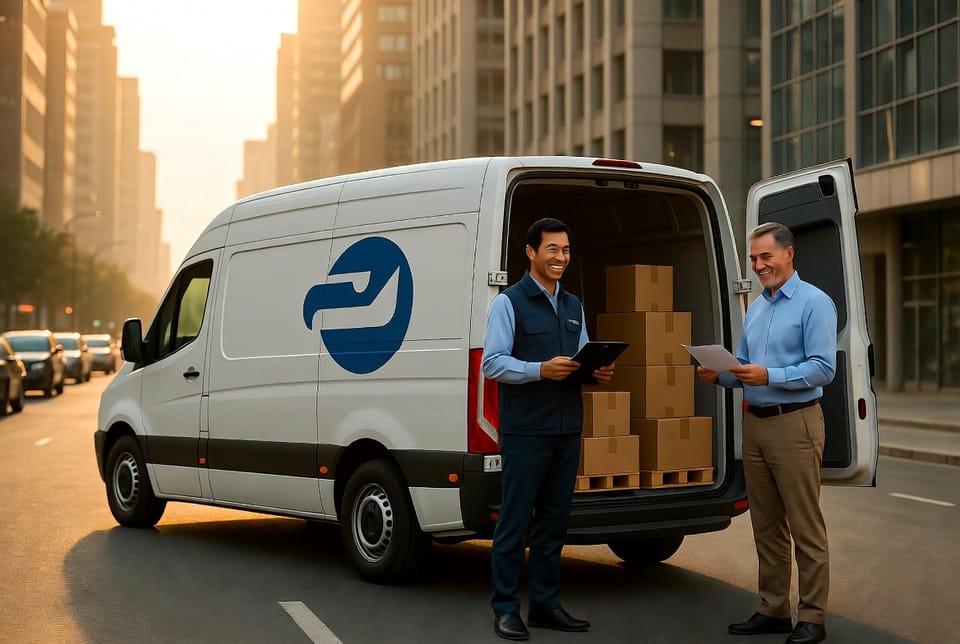
In today's competitive business landscape, your vehicle is more than just transportation—it's a vital tool that keeps operations running smoothly. Whether you're making deliveries, visiting clients, or hauling equipment, the risks on the road multiply when driving for business purposes. A standard personal auto insurance policy may seem convenient, but it often leaves significant gaps that could jeopardize your company's financial health.
Get Commercial Auto Coverage Today – Call Now!
This comprehensive guide explores the commercial auto policy, its essential protections, and why it's the smart choice for business owners who rely on vehicles for work. With clear insights and practical advice, you'll understand how to safeguard your assets and maintain peace of mind.
Why Personal Auto Insurance Falls Short for Business Use
Many entrepreneurs start small, using their personal cars or trucks for occasional business tasks. However, insurance companies draw a clear line between personal and commercial activities. Using a personal vehicle for work—even sporadically—can void coverage if an accident occurs.
Key risks include:
- Claim denials when an insurer discovers business use during an investigation.
- Insufficient liability limits that fail to cover major commercial incidents.
- Lack of specialized protections for cargo, tools, or business-specific equipment.
Personal policies are designed for commuting, errands, and leisure driving. They typically exclude or limit coverage for vehicles primarily used in business operations. Transitioning to a commercial auto policy ensures your coverage matches your actual usage patterns.
Imagine this scenario: A contractor uses their personal truck to transport tools and materials to job sites. An unexpected collision damages both the vehicle and expensive equipment inside. Without commercial coverage, repair costs and lost business income could fall entirely on the owner.
When Do You Need Commercial Auto Insurance?
Recognizing the right time to upgrade protects your business before problems arise. Here are the primary situations where a commercial auto policy becomes essential:
- Vehicles dedicated to business operations: Any car, truck, or van primarily used for work-related travel.
- Transporting goods or passengers: Delivering products, carrying clients, or moving inventory regularly.
- More than occasional business use: Even frequent client meetings or site visits can trigger the need for commercial coverage.
- Vehicles with business signage or branding: Wraps, magnets, or logos signal commercial intent to insurers.
- Fleet operations: Multiple vehicles under one business require tailored commercial protection.
Business owners in industries like construction, delivery services, consulting, and retail benefit most from this specialized insurance. The policy adapts to your unique needs rather than forcing a one-size-fits-all personal approach.
Personal vs. Commercial Auto Insurance: Key Differences
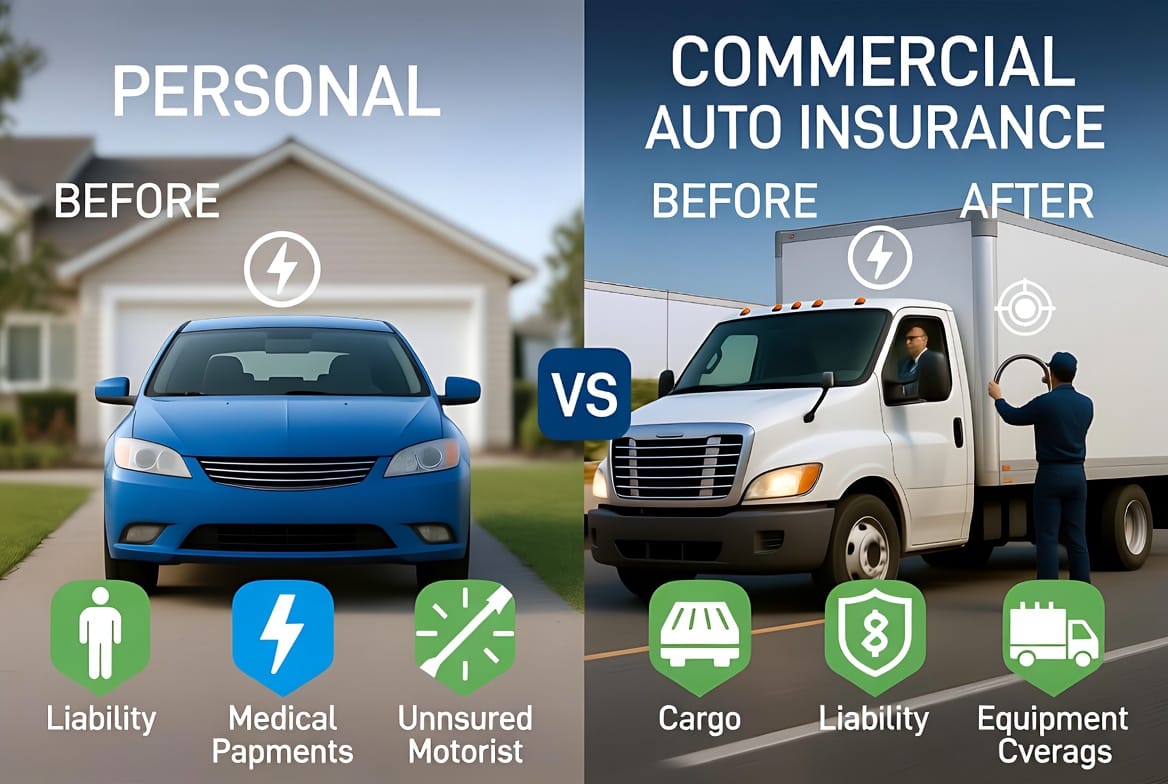
Understanding these distinctions empowers you to make informed decisions. Here's how the two policies compare:
| Aspect | Personal Auto Policy | Commercial Auto Policy |
|---|---|---|
| Usage | Personal commuting and errands | Business operations and work-related travel |
| Liability Limits | Standard household amounts | Higher limits tailored for commercial risks |
| Cargo & Equipment | Minimal or excluded | Comprehensive coverage for business loads |
| Vehicle Types | Standard passenger vehicles | Includes trucks, vans, and specialty fleets |
| Rating Factors | Driver history, personal mileage | Business mileage, industry type, fleet size |
Commercial policies provide broader protection because business driving involves greater exposure. Higher traffic volumes, heavier loads, and professional schedules increase accident potential. Investing in proper coverage demonstrates responsibility and professionalism to clients and partners.
What Does a Commercial Auto Policy Cover?
A well-designed commercial auto policy delivers robust safeguards that go far beyond basic personal insurance. Core components typically include:
- Higher Liability Coverage: Protects against substantial claims from accidents involving bodily injury or property damage during business activities.
- Physical Damage Protection: Covers repairs or replacement of your commercial vehicles after collisions, theft, or other perils.
- Cargo Insurance: Safeguards goods being transported—essential for delivery and logistics businesses.
- Equipment and Tools Coverage: Protects specialized gear stored in or on the vehicle.
- Uninsured/Underinsured Motorist Protection: Added security when other drivers lack adequate coverage.
- Medical Payments: Covers injuries to you or your employees regardless of fault.
Additional optional endorsements can further customize protection, such as hired and non-owned auto coverage for employees using personal vehicles for work tasks.
By addressing these specific exposures, commercial insurance helps minimize downtime and supports business continuity.
The Financial and Legal Benefits of Proper Coverage
Choosing a commercial auto policy isn't just about compliance—it's a strategic business decision. Adequate coverage:
- Prevents out-of-pocket expenses that could cripple small operations.
- Maintains professional reputation by ensuring quick resolution of claims.
- Supports growth as your fleet expands or business activities intensify.
- Provides legal peace of mind in an increasingly regulated environment.
Bold action today prevents costly surprises tomorrow. Many business owners discover gaps only after an incident, leading to stressful disputes with insurers.

Common Myths About Commercial Auto Insurance
Several misconceptions prevent business owners from securing proper protection:
- "My personal policy covers occasional business use." — This is risky and often untrue upon claim review.
- "Commercial insurance is too expensive." — Tailored policies frequently offer better value through targeted risk management.
- "I don't need it for just one vehicle." — Even single-vehicle operations face significant exposure.
An experienced insurance advisor can help debunk these myths and design a policy aligned with your specific operations.
How to Choose the Right Commercial Auto Policy
Selecting appropriate coverage involves evaluating several factors:
- Assess your fleet size and vehicle types.
- Review annual mileage and primary routes.
- Consider cargo value and equipment needs.
- Compare quotes from providers experienced in your industry.
- Consult with an agent who understands local regulations and business risks.
Proactive shopping ensures competitive rates without sacrificing essential protections. Regular policy reviews as your business evolves keep coverage current.
Real-World Scenarios: Learning from Others
Consider a local delivery service that relied on personal policies. After a minor accident escalated due to uncovered business cargo, they faced thousands in uncovered losses. Switching to a commercial auto policy not only resolved immediate issues but prevented future vulnerabilities.
Similarly, construction firms benefit enormously from equipment coverage that personal policies rarely address. These examples highlight why professional guidance matters.
Final Thoughts: Protect Your Business Journey
Your commercial vehicles represent significant investments in time, money, and opportunity. A personal auto policy simply isn't equipped to handle the unique demands of business driving. By securing a comprehensive commercial auto policy, you gain the confidence to grow operations without constant worry about road risks.
Don't risk a claim denial from business use. Take the decisive step toward proper protection today. Our knowledgeable team stands ready to evaluate your needs and provide tailored solutions that keep your business moving forward safely.
Switch to Commercial Auto Insurance – Call Now!