The Collision Coverage: When to Carry It and When to Drop
Choosing the right auto insurance protections ranks among the most important financial decisions drivers face each year. One coverage that frequently sparks debate is collision coverage. Drivers often wonder whether they still need it, especially as their vehicles age or loan balances change. This common decision affects monthly premiums, out-of-pocket risk, and long-term security. Understanding exactly what collision coverage does—and when it makes sense—helps you protect both your car and your budget with confidence.
Keep or Drop Collision Coverage? Get Expert Help Today
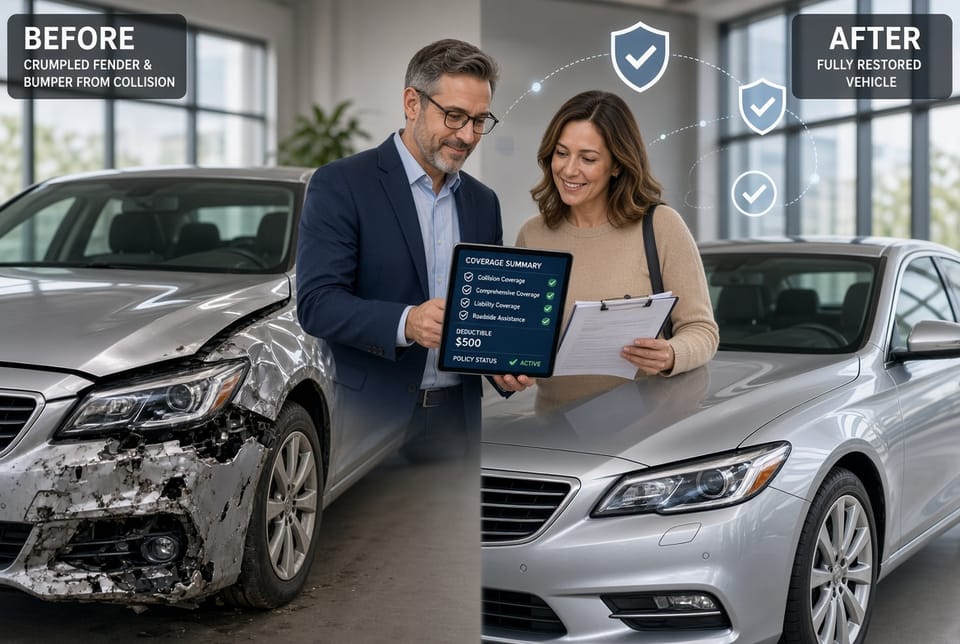
Collision coverage pays to repair or replace your vehicle when it is damaged in an accident, regardless of who is at fault. Whether you hit another car, slide into a guardrail, or strike a stationary object, this protection steps in after you pay the deductible. It does not cover damage from weather, theft, or vandalism—that falls under comprehensive coverage—but it specifically addresses the impact-related losses that can leave a car undrivable and a wallet empty.
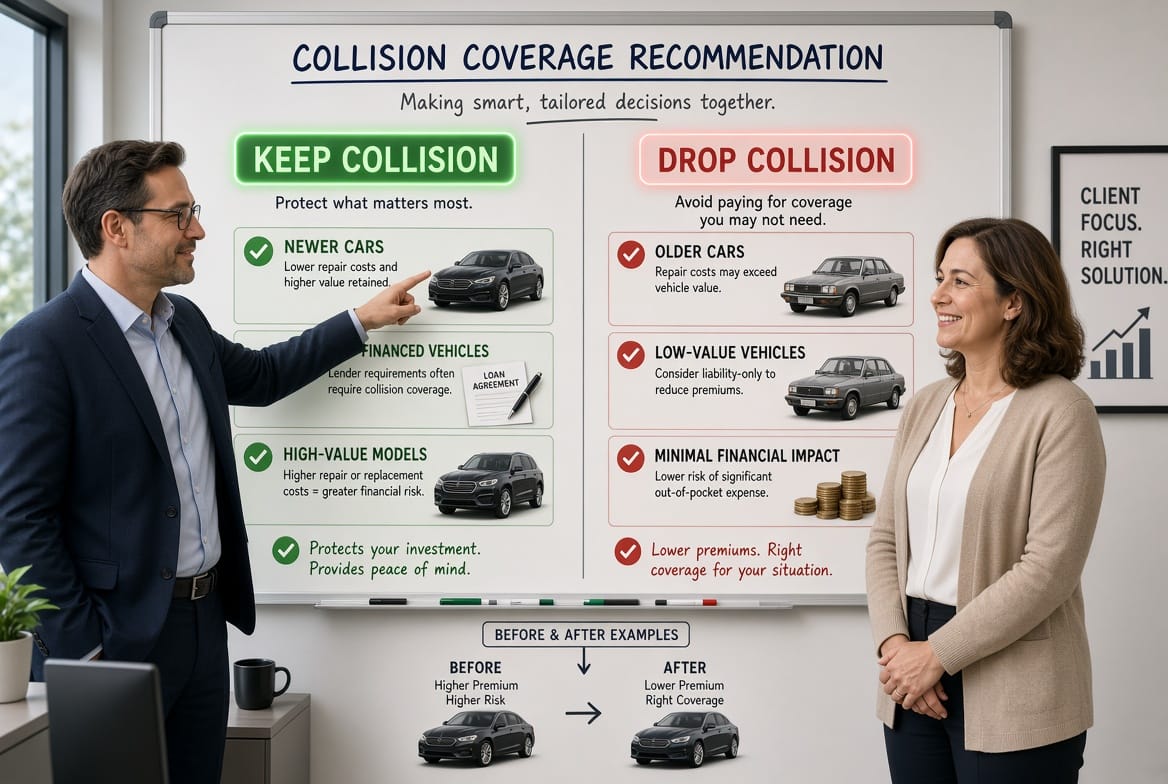
The decision to carry or drop collision coverage is rarely black-and-white. Newer vehicles, financed cars, and high-value models almost always benefit from keeping the protection. Older cars with low market value often justify dropping it. By examining car age, remaining loan balance, actual cash value, and your personal risk tolerance, you can make a clear, informed choice that balances cost against protection.
Understanding Exactly How Collision Coverage Works
When an accident occurs, collision coverage responds after liability insurance handles injuries and damage to other parties. Your insurer assesses the repair cost or the vehicle’s actual cash value. If repairs exceed the car’s worth, the claim may result in a total-loss settlement. You pay only the deductible you selected—commonly $500 or $1,000—and the insurer covers the rest, subject to policy limits.
This protection operates independently of fault. Even if another driver caused the crash and their liability insurance is slow or insufficient, collision coverage allows you to start repairs promptly. That speed matters when you rely on the vehicle for work, family transportation, or daily necessities. Without it, you personally fund every repair dollar or absorb the full loss if the car is totaled.
Premiums for collision coverage vary based on vehicle make, model, driving history, location, and chosen deductible. Raising the deductible lowers the premium, yet increases the amount you pay first after a claim. The coverage also typically requires the vehicle to remain in insurable condition and may include certain exclusions such as racing or intentional damage. Knowing these details removes uncertainty and positions you to evaluate whether the ongoing cost still delivers meaningful value.
When Keeping Collision Coverage Makes Strong Financial Sense
Several clear situations call for retaining collision coverage. Newer cars stand at the top of the list. Vehicles under five years old usually carry high market values and expensive repair parts. A single moderate collision can easily generate thousands of dollars in bodywork, sensor recalibration, and paint matching. Paying those costs out of pocket can disrupt household budgets far more than the annual premium.
Financed or leased vehicles almost always require collision coverage. Lenders and leasing companies include this mandate in their contracts because they hold a financial interest in the car until the loan is paid or the lease ends. Dropping the coverage without lender approval can trigger loan default clauses or force the lender to purchase more expensive forced-placed insurance and bill you for it. Maintaining continuous collision coverage satisfies contractual obligations and protects your credit standing.
High-value or specialty vehicles also warrant keeping the protection. Classic cars, luxury models, or vehicles with extensive aftermarket equipment often exceed the average repair threshold. Even if the car is paid off, the potential repair bill or total-loss settlement can justify the premium. Drivers who live in high-traffic urban areas or commute long distances face elevated accident frequency; for them, the security of collision coverage outweighs the cost.
Finally, consider personal risk tolerance and emergency savings. If an unexpected $8,000 repair would force you into high-interest debt or deplete critical reserves, continuing collision coverage provides essential peace of mind. The premium becomes an affordable form of financial insurance against a sudden, large expense.
When Dropping Collision Coverage Becomes the Smarter Move
Just as certain circumstances favor keeping the coverage, others support dropping it. Older cars with low actual cash value frequently fall into this category. Once a vehicle’s market value drops below roughly $4,000–$5,000, the annual premium for collision coverage can approach or exceed the car’s remaining worth. In that situation, paying premiums year after year no longer makes economic sense.
Consider a practical example. Suppose your ten-year-old sedan is worth $3,200 and the collision coverage premium runs $450 annually with a $1,000 deductible. Over three years you would spend $1,350 in premiums. If a collision occurs and the car is totaled, the maximum payout after deductible might be only $2,200. You effectively paid more in premiums than you could ever recover. Dropping the coverage frees that money for savings, maintenance, or other priorities.
Vehicles that are fully paid off and used sparingly also present strong candidates for dropping collision coverage. Drivers who park the car most days, travel short distances, or maintain excellent driving records face lower statistical risk. When the probability of a claim is modest and the potential payout is limited, the premium dollars deliver diminishing returns.
Another factor is available cash reserves. If you can comfortably absorb a total loss equal to the car’s current value without financial strain, self-insuring becomes a viable strategy. Many drivers choose this path once the vehicle reaches eight to twelve years of age, provided they have set aside an emergency fund specifically for transportation needs.
Before canceling, confirm that no lender still holds a lien. Even a small remaining balance can require continued coverage. Also review state minimum requirements; while collision coverage itself is optional in every state, dropping it must not leave you underinsured for liability or other mandated protections.
Key Factors That Guide the Keep-or-Drop Decision
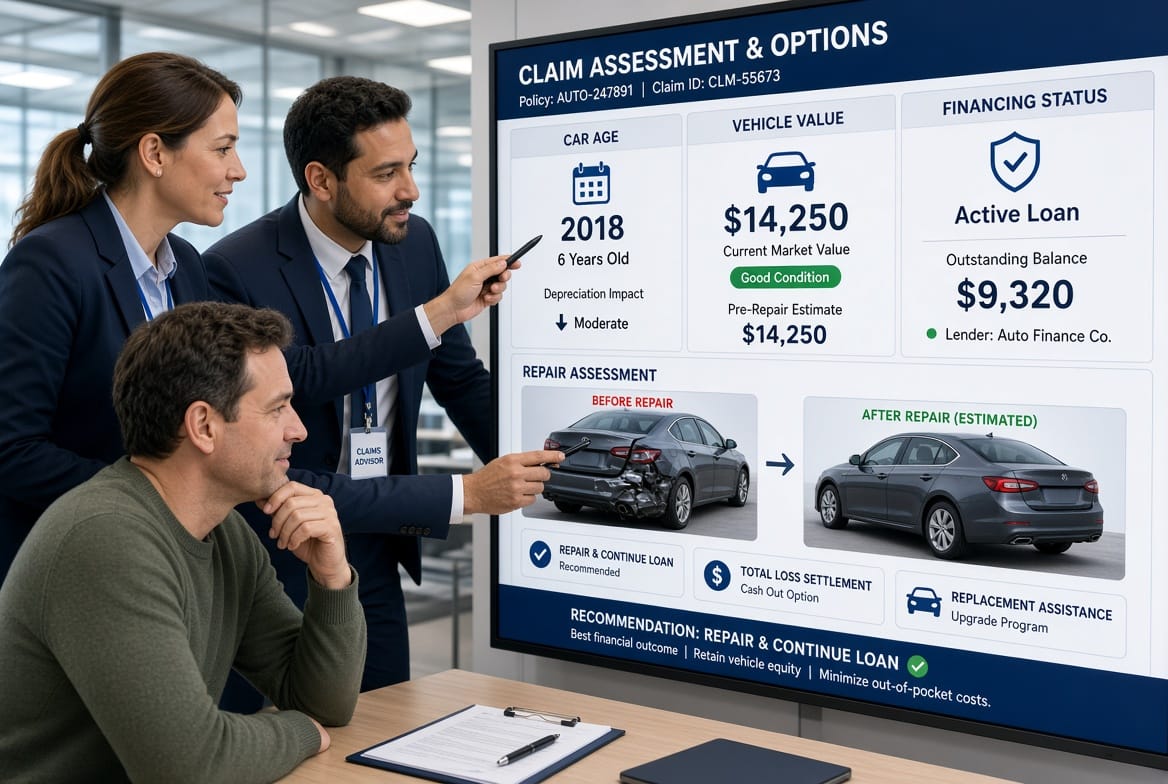
Several measurable factors should shape your final choice. Start with vehicle age. Newer models generally warrant protection; older ones often do not. Next examine current market value. Reliable valuation tools or recent appraisal figures reveal whether the car still holds enough worth to justify premiums.
Financing status ranks equally important. Any outstanding loan or lease typically locks in the requirement for collision coverage. Once the title is clear, flexibility returns. Your deductible level also influences the equation. A high deductible reduces premiums but raises the threshold at which a claim becomes worthwhile. Matching the deductible to your emergency savings creates balance.
Driving habits and location matter too. Urban highways, congested streets, and winter weather regions elevate collision risk. Rural roads and short local trips generally lower it. Finally, review your overall insurance package. Sometimes adjusting comprehensive coverage, roadside assistance, or liability limits produces greater savings than simply dropping collision coverage.
Practical Steps to Evaluate Your Own Situation
Begin by gathering accurate numbers. Obtain a current valuation of your vehicle from multiple reputable sources. Request a premium quote that isolates the cost of collision coverage alone. Calculate the break-even point: divide the car’s actual cash value (minus deductible) by the annual premium. If the result exceeds three or four years and the vehicle is already older, dropping coverage often becomes attractive.
Speak with your insurance representative about possible mid-term adjustments. Many carriers allow removal of collision coverage at renewal or even earlier with proper notice. Confirm any impact on discounts you currently receive—bundling or multi-car savings sometimes depend on maintaining full coverage.
Document your decision. Keep written records of valuations, premium breakdowns, and lender communications. Should circumstances change—such as a significant rise in vehicle value after restoration or a new loan—you can reinstate collision coverage quickly.
Consider pairing the decision with a broader review of your auto policy. Raising liability limits, adding rental reimbursement, or adjusting comprehensive deductibles can refine overall protection even after collision coverage is removed. The goal remains consistent: adequate security at a sustainable cost.
Balancing Cost Against Peace of Mind
Numbers alone do not tell the complete story. Some drivers sleep better knowing that a sudden collision will not leave them without transportation or deep in debt. Others prefer to redirect premium dollars toward higher-yield savings or vehicle upgrades. Both approaches are valid once the financial arithmetic is clear.
Revisit the decision annually. Vehicle values decline, premiums fluctuate, and personal circumstances evolve. What made sense at five years of ownership may no longer apply at nine years. Regular check-ins keep your coverage aligned with reality.
If you share the vehicle with family members or employees, factor in their driving records and usage patterns. Higher-risk drivers increase the likelihood of claims and may tip the scale toward retaining collision coverage longer.
Final Guidance for a Confident Choice
The decision to carry or drop collision coverage rests on a straightforward principle: protect what you cannot afford to lose, and release protection once the cost outweighs the benefit. Newer and financed vehicles almost always deserve continued coverage. Older, low-value, paid-off cars frequently do not. By examining age, market value, financing status, and personal reserves, you arrive at a choice that supports both financial health and daily mobility.
Take time to run the numbers carefully, consult your policy documents, and discuss options with a knowledgeable advisor. A well-informed decision today prevents costly surprises tomorrow. Decide wisely on collision coverage.
Protect Your Car with Smart Collision Coverage – Call Now