The Clothes Dryer Outlet: NEMA 14-30 vs. Older 10-30 Receptacles
In today's modern homes, electrical safety is paramount, especially for high-power appliances like clothes dryers that run daily. If your home was built before the mid-1990s, you might still have an older NEMA 10-30 receptacle powering your dryer. Understanding the shift to the NEMA 14-30 is crucial for protecting your family, property, and ensuring compliance with current standards.
Protect Your Family: Upgrade Your Dryer Outlet Today
This comprehensive guide explores the key differences, the reasons behind code changes, and why upgrading to a 4-prong outlet represents a smart, reassuring investment in your home's electrical system.
Understanding the Basics of Dryer Outlets
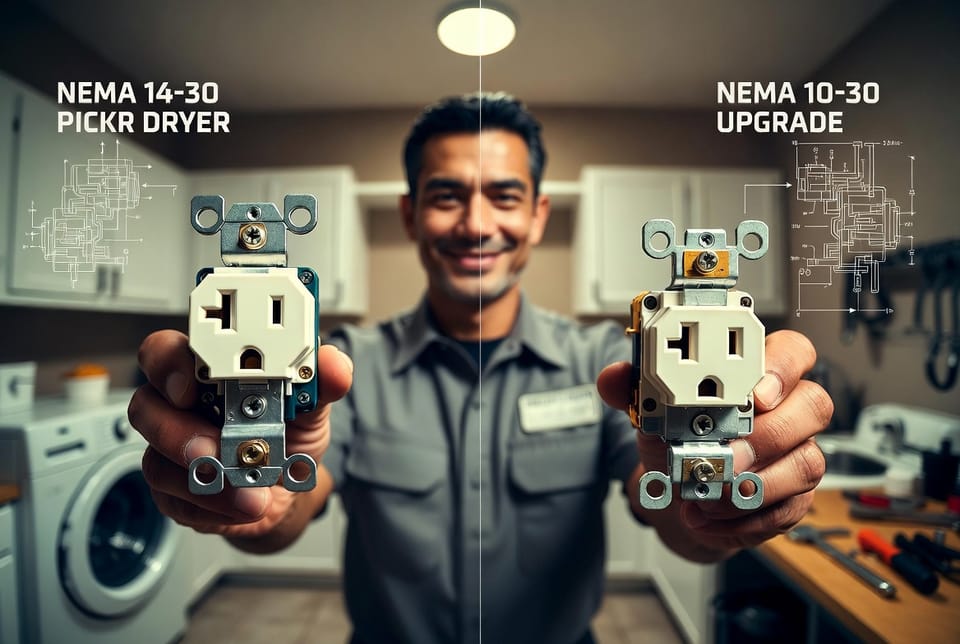
Clothes dryers require a dedicated 240-volt, 30-amp circuit to operate efficiently. The receptacle is the critical interface between your home's wiring and the appliance. Two main types have been used over the decades: the older NEMA 10-30 (3-prong) and the current standard NEMA 14-30 (4-prong).
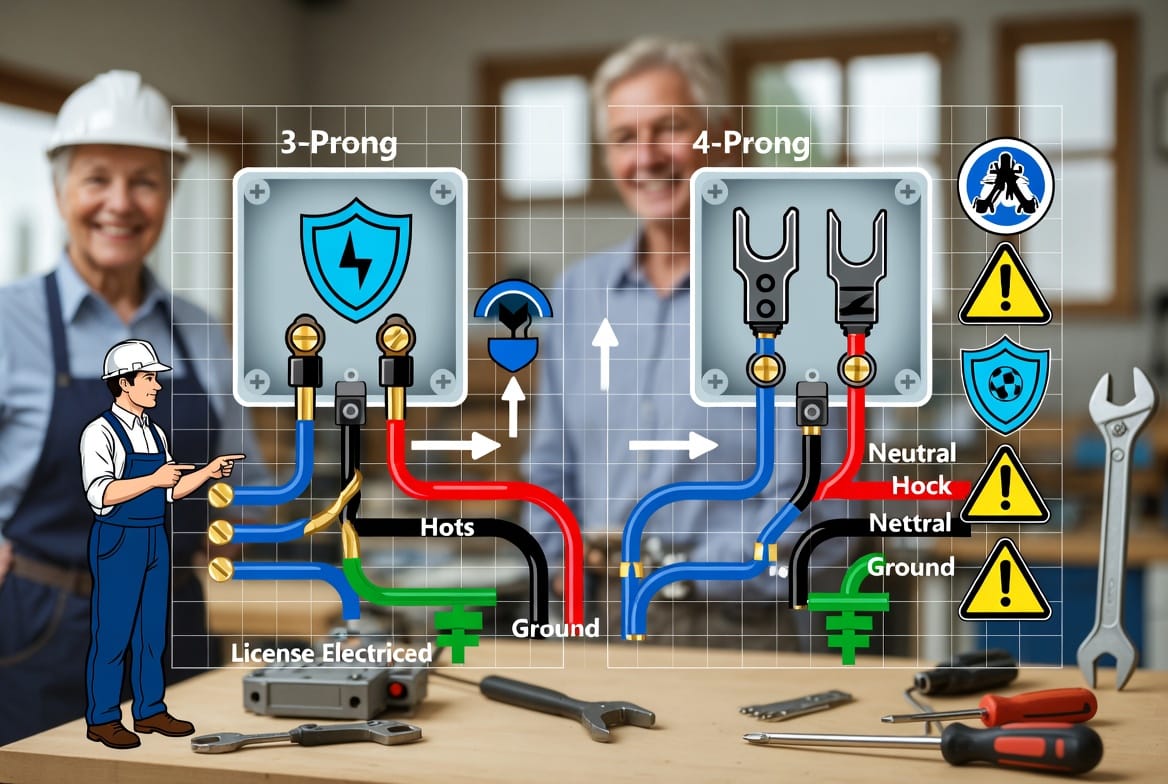
The NEMA 10-30 features two hot wires (providing 240V), one neutral, and no dedicated ground. In contrast, the NEMA 14-30 includes two hot wires, a neutral, and a separate ground wire. This extra prong makes all the difference in safety and performance.
Why the Change? National Electrical Code Updates
The National Electrical Code (NEC) introduced significant updates in the mid-1990s, specifically around 1996, to enhance grounding practices for major appliances. Prior to this, the neutral wire in 3-prong setups often served a dual purpose—carrying normal current and acting as a ground path in fault conditions.
Key reasons for the code change include:
- Improved Fault Protection: A dedicated ground provides a reliable, low-resistance path for fault current, allowing circuit breakers or GFCIs to trip quickly.
- Prevention of Energized Chassis: In older setups, if the neutral connection failed, the dryer's metal frame could become live, posing a severe shock hazard.
- Adaptation to Modern Appliances: New dryers are designed with separate neutral and ground connections for better electronic controls and safety features.
These updates reflect a broader industry commitment to reducing electrical fires and injuries. Homes built or remodeled after the change typically feature the 4-prong system as standard.
Detailed Comparison: NEMA 14-30 vs. NEMA 10-30
NEMA 10-30 (Older 3-Prong):
- Configuration: Two flat hot prongs (120V each) and a rounded neutral prong.
- Wiring: Hot-hot-neutral. The neutral may bond to the ground at the appliance.
- Common Issues: Higher risk if neutral is compromised; not permitted for new installations.
- Visual: Compact but lacks the grounding security of modern designs.
NEMA 14-30 (Modern 4-Prong):
- Configuration: Two hot prongs, a neutral (often L-shaped or straight), and a round ground prong.
- Wiring: Hot-hot-neutral-ground. Separate paths prevent neutral faults from affecting the ground.
- Benefits: Superior safety, code compliance, compatibility with new dryers.
- Visual: Slightly larger, more robust, with clear separation of functions.
This separation is not just technical jargon—it directly translates to peace of mind every time you run a load of laundry.
Safety Risks Associated with Older Outlets
While many older 3-prong installations continue to function, they carry inherent risks that modern standards aim to eliminate. A primary concern is the potential for the appliance chassis to become energized if the neutral wire loosens or fails. This could lead to electric shock or even fire hazards in extreme cases.
Additional risks include:
- Incompatibility with New Dryers: Most contemporary dryers ship without cords or require 4-prong configurations.
- Insurance Implications: Some insurers may scrutinize outdated electrical work during claims.
- Code Compliance During Remodels or Sales: Upgrading now avoids costly surprises later.
Fortunately, these risks are manageable with professional assessment and timely upgrades.
Benefits of Upgrading to NEMA 14-30
Switching to a NEMA 14-30 outlet offers numerous advantages:
- Enhanced Safety for Your Family: Dedicated grounding minimizes shock hazards, especially important in households with children or elderly members.
- Future-Proofing Your Home: Ensures compatibility with new appliances and potential EV charger or other 240V additions.
- Compliance and Peace of Mind: Meets current NEC requirements, potentially improving home value.
- Reduced Fire Risk: Better fault protection helps prevent electrical incidents.
- Professional Reliability: Modern setups support advanced dryer features like moisture sensors and smart controls more effectively.
Homeowners who upgrade often report feeling more secure in their daily routines, knowing their electrical system aligns with the latest safety benchmarks.
When and How to Upgrade Your Dryer Outlet
Consider an upgrade if:
- Your home was built before 1996 and still uses a 3-prong outlet.
- You're installing a new dryer that requires 4-prong.
- You're remodeling the laundry area or selling your home.
- You notice any signs of wear, overheating, or loose connections.
The Upgrade Process (Performed by Licensed Professionals):
- Assessment: A qualified electrician inspects existing wiring to confirm sufficient ground conductor or runs new cable as needed.
- Replacement: Swap the receptacle and update connections for proper hot, neutral, and ground separation.
- Testing: Verify voltage, polarity, and grounding integrity.
- Documentation: Provide compliance records for your records.
This is not a DIY project for most homeowners due to the high-voltage nature and local permit requirements. Always hire a licensed expert to ensure the job is done right.
Common Myths About Dryer Outlets
Myth 1: "If it works, it's safe."
Many 3-prong outlets operate for years, but hidden risks remain until a fault occurs.
Myth 2: "Adapters are a good solution."
While adapters exist, they often bypass safety features and are not recommended for permanent use.
Myth 3: "Upgrading is too expensive."
Costs vary but are typically reasonable compared to potential hazards or appliance damage.
Relying on expert guidance helps separate fact from fiction.
Maintaining Your Dryer Electrical System
Beyond the outlet, proper maintenance enhances longevity and safety:
- Regular Inspections: Check cords for fraying and outlets for heat or sparks.
- Load Management: Avoid overloading circuits.
- Professional Servicing: Schedule periodic checks, especially in older homes.
- Dryer Vent Cleaning: Pair electrical upgrades with vent maintenance to reduce fire risks from lint buildup.
These steps create a comprehensive approach to appliance safety.
Real-World Scenarios: Why This Matters
Imagine a busy family relying on their dryer daily. An undetected neutral fault in an older setup could escalate quickly. Upgrading eliminates that worry, allowing focus on what truly matters—time with loved ones.
In regions with frequent storms or power fluctuations, robust grounding becomes even more valuable. Professionals equipped with the right tools and knowledge ensure seamless transitions.
Choosing the Right Professional for the Job
Look for electricians with:
- Proper licensing and insurance.
- Experience with residential appliance circuits.
- Clear explanations and transparent pricing.
- Positive reviews from local homeowners.
A trusted partner makes the upgrade process smooth and reassuring.
Warning: Old dryer outlets may be unsafe and pose hidden risks to your home and family. Don't wait for an incident—upgrade today for reliable protection.
Ready to ensure your dryer outlet meets the highest safety standards? Our experienced team specializes in professional electrical upgrades, including seamless transitions from NEMA 10-30 to NEMA 14-30 receptacles. Your family's safety is our top priority—schedule your upgrade today!
Professional Dryer Outlet Upgrade – Schedule Now