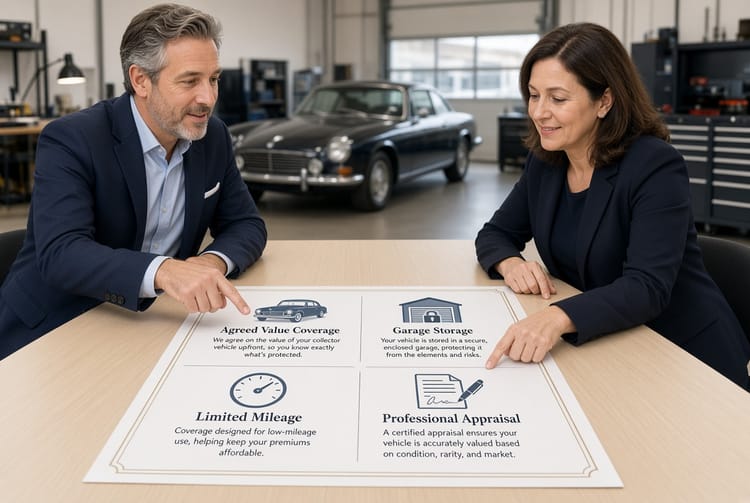
The Classic Car Insurance: Storage and Usage Requirements
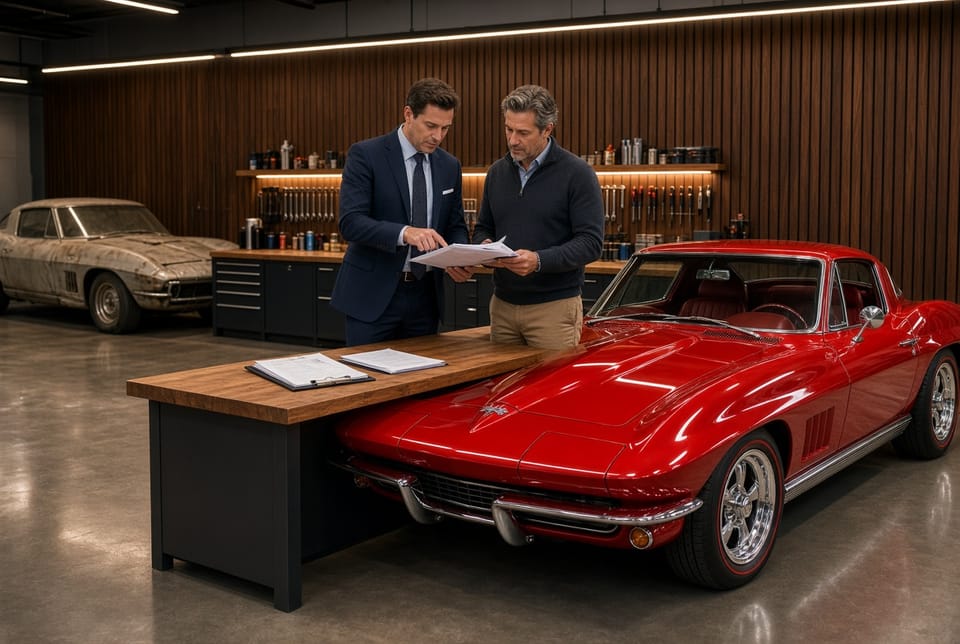
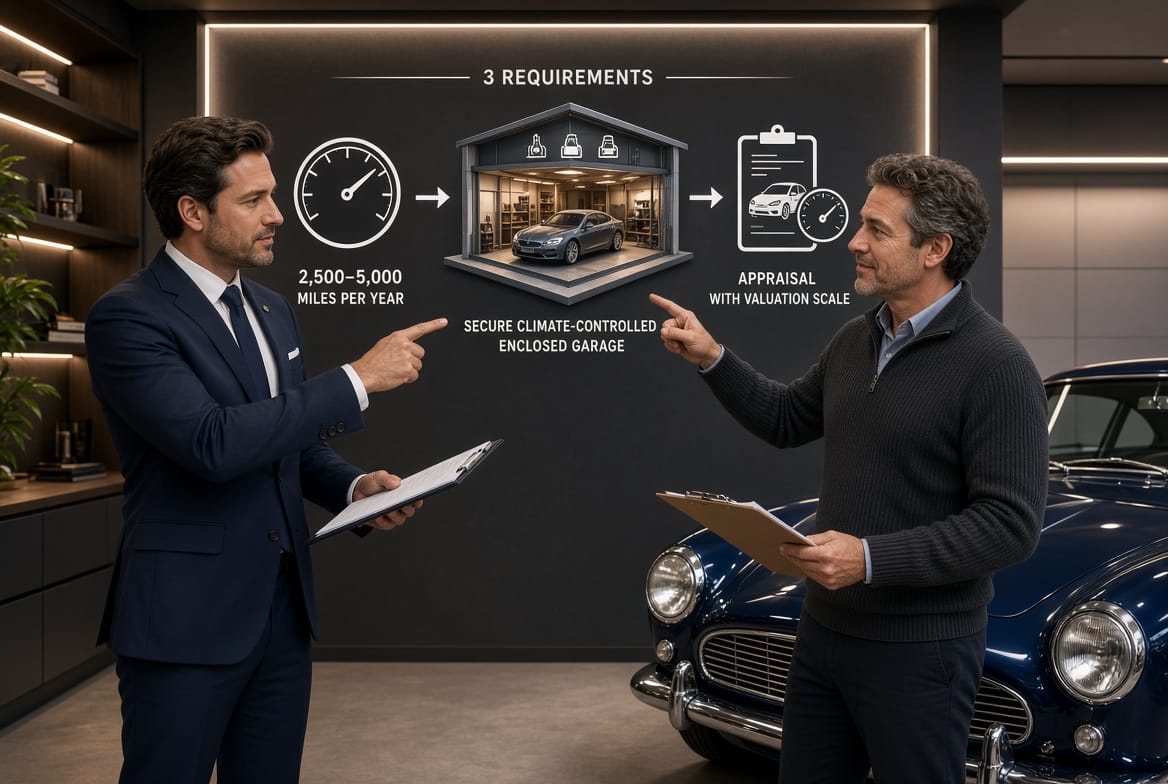
Classic car ownership represents far more than transportation. It embodies passion, heritage, and careful stewardship of automotive history. Standard auto insurance policies rarely address the unique risks and values associated with collector vehicles. That is why classic car insurance exists as a distinct, specialized product. This niche coverage protects vehicles that spend most of their time in storage and see only limited, recreational use. Insurers offering these policies impose specific conditions to keep risk manageable and premiums affordable. The three core requirements are limited mileage of 2,500 to 5,000 miles per year, secure garage storage, and agreed value appraisals. Meeting these conditions is not optional. It is the foundation of proper protection.
Get Agreed-Value Coverage for Your Collector Car – Call Today
Understanding these rules allows owners to enjoy their vehicles with confidence rather than worry. When the requirements are followed, claims are handled according to a pre-agreed value instead of depreciated market calculations. The result is financial security that matches the emotional and monetary investment placed in the car.
Why Classic Car Insurance Is a Niche Policy
Regular auto insurance assumes a vehicle will be driven daily, parked in varied locations, and exposed to ordinary wear. Classic cars operate under an entirely different pattern. They are typically driven on weekends, shown at events, or taken on planned tours. Mileage remains low. Storage occurs in controlled environments. Values often rise rather than fall. These differences create a separate risk profile that standard policies cannot price accurately.
Specialty insurers therefore underwrite classic car insurance using usage and storage data rather than annual mileage averages of 12,000 miles or more. The policy becomes available only when the owner demonstrates the vehicle will not serve as a primary commuter. This restriction lowers the probability of accidents, theft from public streets, and weather-related damage. In exchange, the owner receives coverage tailored to collector vehicles, including agreed-value settlement and often more flexible restoration clauses.
The niche nature of the product also means underwriting is more personal. Insurers review photographs, storage details, and intended use before issuing a policy. Owners who treat the process as a partnership rather than a transaction usually secure the best terms. The requirements that follow exist to keep that partnership viable for both parties.
Limited Mileage: The 2,500 to 5,000 Mile Annual Cap
The most visible restriction in classic car insurance is the annual mileage limit. Most specialty policies cap usage between 2,500 and 5,000 miles per year. Some programs offer slightly higher allowances for touring members of recognized clubs, yet the principle remains the same: the vehicle cannot function as everyday transportation.
This limit serves several purposes. First, it reduces exposure to collision and liability claims. A car driven only a few thousand miles faces fewer opportunities for accidents. Second, it preserves the vehicle’s condition. Lower mileage means less wear on original or restored components, supporting the agreed value over time. Third, it distinguishes collector use from regular use, which is the legal and actuarial basis for the specialized policy.
Owners must track mileage accurately. Many insurers require an annual odometer reading or periodic photographs of the dashboard. Exceeding the limit can trigger policy restrictions, higher premiums at renewal, or even cancellation. The safest practice is to plan events and pleasure drives in advance so the yearly total stays comfortably inside the cap.
A second daily-driver vehicle is almost always required. Insurers want confirmation that the classic car is not needed for commuting, shopping, or errands. This dual-vehicle household rule further supports the limited-use classification.
When the mileage requirement is respected, owners gain freedom within the allowed range. Weekend drives, club rallies, and curated road trips remain fully covered. The restriction is therefore not a burden; it is the mechanism that makes affordable, high-quality coverage possible.
Secure Garage Storage: Protecting the Asset When It Is Not Driven
Storage conditions form the second pillar of classic car insurance. Insurers require the vehicle to be kept in a secure, enclosed garage. A locked, fully enclosed structure with a solid door and roof meets the standard. Carports, driveways, street parking, and open-sided shelters generally do not qualify.
The rationale is straightforward. An enclosed garage protects against theft, vandalism, hail, falling branches, and temperature extremes. Climate control, while not always mandatory, is strongly preferred because it reduces rust, fading, and interior deterioration. Many policies specify that the garage must be attached to or located on the same property as the owner’s residence, further lowering theft risk.
Owners should document the storage arrangement with photographs of the garage interior and exterior, including the locking mechanism. Some insurers conduct occasional inspections or request updated images at renewal. Maintaining a clean, organized space also helps; debris or flammable materials near the vehicle can raise underwriting concerns.
If the owner travels or stores the car at a second location, advance notice to the insurer is essential. Temporary storage at a professional facility may be acceptable provided the facility meets security standards. The key is communication. Unreported changes in storage can create coverage gaps.
Proper garage storage does more than satisfy the policy. It actively preserves the car’s condition and value. A vehicle that emerges from winter storage in the same state it entered is far easier to keep within agreed-value parameters. The storage rule therefore aligns the owner’s long-term interest with the insurer’s risk-management goals.
Agreed Value Appraisals: Establishing the True Worth of the Vehicle
The third essential requirement is an agreed value appraisal. Unlike actual-cash-value policies that subtract depreciation, classic-car coverage pays the amount the owner and insurer have previously accepted as the vehicle’s worth. That figure is established through a professional appraisal.
A qualified appraiser examines the car in person or through a detailed photographic survey. Condition, originality, rarity, documented history, and recent comparable sales all influence the valuation. The resulting report becomes part of the policy. In the event of a total loss, the agreed amount is paid without further negotiation over market fluctuations.
Appraisals are not one-time events. Values of collector cars can change with market trends, completed restorations, or newly discovered provenance. Most insurers recommend updates every two to three years or after significant work. Keeping the appraisal current prevents under-insurance or disputes at claim time.
The cost of a professional appraisal is modest compared with the protection it provides. Owners should choose appraisers experienced with the specific make and era of their vehicle. Photographs, receipts for restoration work, and ownership records strengthen the valuation and speed the underwriting process.
Once the agreed value is set, the owner gains certainty. There is no surprise reduction for age or mileage at the moment of loss. This predictability is one of the strongest advantages of specialty classic car insurance.

Additional Underwriting Considerations That Support the Core Requirements
Beyond the three primary rules, insurers often review several supporting factors. The vehicle’s age or collector status usually must meet a minimum threshold, commonly 25 years or a recognized special-interest designation. Modifications are acceptable when they enhance value or authenticity, yet radical alterations may require extra documentation.
Membership in a recognized car club can sometimes unlock slightly higher mileage allowances or premium discounts because club events are viewed as lower-risk, organized activities. Regular maintenance records demonstrate responsible ownership and help justify the agreed value.
Liability limits and deductible choices remain important. Even with limited use, adequate liability protection is essential. Many owners select higher limits because the classic car may be driven in unfamiliar locations during tours.
These extra elements do not replace the core requirements; they reinforce them. Together they create a complete picture of responsible collector-car ownership.
Practical Steps to Meet Every Requirement
Compliance begins with honest self-assessment. Calculate expected annual mileage based on planned events rather than optimistic estimates. Inspect the garage for security and weather protection; upgrade locks or add climate control if needed. Schedule a professional appraisal before applying for coverage so the agreed value is ready.
Keep a simple log of drives and storage photographs. Share updates with the insurer promptly. Treat the policy as a living document rather than a set-it-and-forget-it contract.
When these steps are followed, the application process is straightforward. Underwriters see a low-risk profile and can offer competitive rates along with the specialized features unique to collector policies.
The Benefits of Full Compliance
Owners who satisfy the mileage, storage, and appraisal rules receive more than a policy. They receive peace of mind. Claims are settled at the agreed figure. The vehicle remains protected whether it sits in the garage or travels to a concours. Premiums stay reasonable because the risk is well defined.
The requirements also encourage better care of the car itself. Limited driving and controlled storage slow deterioration. Regular appraisals keep the owner informed about market value. The policy therefore supports both financial and preservation goals.
Final Advice: Meet the Requirements for Classic Car Coverage
Classic car insurance works only when the vehicle is used and stored according to the policy terms. Limited mileage of 2,500 to 5,000 miles per year, secure enclosed garage storage, and a current agreed-value appraisal form the non-negotiable foundation. Meeting these conditions unlocks coverage designed specifically for collector vehicles.
Do not assume a standard auto policy will suffice. The differences in valuation and usage restrictions are too significant. Speak with a specialist who understands collector-car underwriting. A short conversation can confirm whether your vehicle qualifies and what documentation will be needed.
Protecting a classic car is an act of respect for its history and for the investment it represents. Follow the storage and usage requirements, keep records current, and enjoy the road—or the garage—with confidence.
Protect Your Vintage Vehicle the Right Way – Call Today