The Carpet Pad Guide: Density, Thickness, and Material for Different Traffic Levels
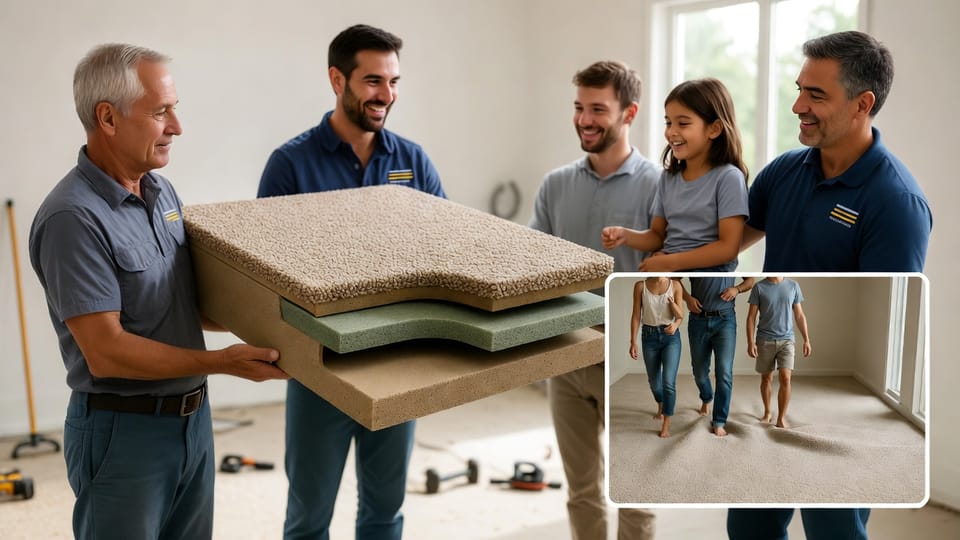
When you invest in new carpet, the focus often lands on color, texture, and style. Yet the true foundation of lasting beauty and comfort rests in a layer most people never see: the carpet pad. This essential hidden component sits quietly between your carpet and subfloor, delivering the plush feel, shock absorption, and protection your floors need to thrive for years.
Find Your Ideal Carpet Pad Match – Free Consultation, Call Now
Carpet pad density, thickness, and material directly influence how your flooring performs under daily life. Choose correctly, and you enjoy superior cushioning, extended carpet life, and full warranty coverage. Choose poorly, and even premium carpet can feel flat, wear prematurely, or lose manufacturer backing. Rest assured, with the right guidance you can confidently select padding tailored to your home’s unique traffic patterns and room uses.
In this authoritative guide, we walk through every detail—from how padding affects feel underfoot to precise recommendations for high-traffic hallways versus quiet bedrooms. Whether you need the best carpet padding for high traffic areas or softer comfort in a master suite, you’ll finish this article equipped to make an informed decision that protects your investment and delights your family every single day.
The Hidden Hero: Why Carpet Padding Matters
Far more than a simple cushion, the carpet pad acts as your floor’s silent guardian. It absorbs impact from footsteps, furniture shifts, and everyday movement, preventing the carpet backing from crushing against the subfloor. Without proper padding, carpet fibers flatten faster, leading to visible wear patterns and reduced lifespan.
Beyond durability, quality padding delivers noticeable comfort. It transforms a hard surface into a resilient, luxurious walk. Families often remark how the right pad makes barefoot mornings feel spa-like rather than stiff. Additionally, the layer provides thermal insulation to keep rooms warmer in winter and cooler in summer while muffling sound between floors—an especially welcome benefit in multi-story homes.
Moisture resistance also improves with the correct pad, helping prevent mold issues in humid climates. Professional installers consistently observe that homes with well-matched carpet padding maintain a fresher, cleaner appearance longer. You gain peace of mind knowing every step is supported by thoughtful engineering designed specifically for your lifestyle.
How Proper Padding Affects Comfort, Durability, and Warranty
The feel underfoot is the first benefit homeowners notice. A pad with optimal carpet pad thickness creates that “sinking in” sensation without feeling mushy. Too thin, and the floor feels unforgiving; too thick, and it may cause instability or accelerated wear on the carpet itself. The sweet spot balances support and cushioning perfectly.
Durability receives an enormous boost as well. The pad acts as a shock absorber, distributing weight evenly and reducing friction between carpet fibers and the subfloor. Independent testing repeatedly shows that properly padded carpets last up to 50% longer than those installed over inadequate or no padding. Furniture legs leave fewer permanent indentations, and high-traffic pathways resist matting far better.
Most importantly, manufacturers tie their carpet warranties directly to specific padding requirements. Using an incompatible pad can instantly void coverage for wear, staining, or delamination. Rest assured, when you select padding that meets or exceeds the carpet maker’s guidelines, you preserve every promise of performance and protection. Professional guidance ensures compliance, eliminating risk while maximizing value.
Decoding the Essentials: Density, Thickness, and Material
Three specifications determine how well your carpet pad performs: density, thickness, and material. Understanding these empowers you to choose with confidence.
Density measures how tightly the padding fibers or foam are packed—typically rated in pounds per cubic foot. Higher carpet pad density (6–8 lb) offers superior support and resilience, making it ideal for busy households. Lower density (4–5 lb) provides softer comfort suitable for low-traffic spaces but compresses faster under heavy use. Rest assured, the right density prevents premature bottoming out while preserving that luxurious spring.
Thickness usually ranges from ⅜ inch to ½ inch for residential applications. Thicker pads deliver more cushion but can feel unstable if overdone, especially with certain carpet styles. Thinner, denser options maintain stability in active areas. Always match thickness to both carpet type and room demands for optimal results.
Material choice further refines performance. Here are the most common options:
- Rebond foam (recycled polyurethane): Excellent value, high density, and superior durability. Great for high-traffic zones.
- Prime foam: Softer initial feel with good resilience; best for bedrooms and living rooms seeking plushness.
- Rubber: Naturally dense and long-lasting, offers outstanding sound absorption and stability on stairs or hallways.
- Felt or fiber: Natural or synthetic blends provide premium softness and breathability, though they require more care in moist areas.
- Memory foam hybrids: Combine cushioning with slow-recovery support, creating a custom feel that adapts to each step.
Selecting the correct combination of density, thickness, and material ensures your carpet system performs exactly as intended—comfortable today and resilient for decades.
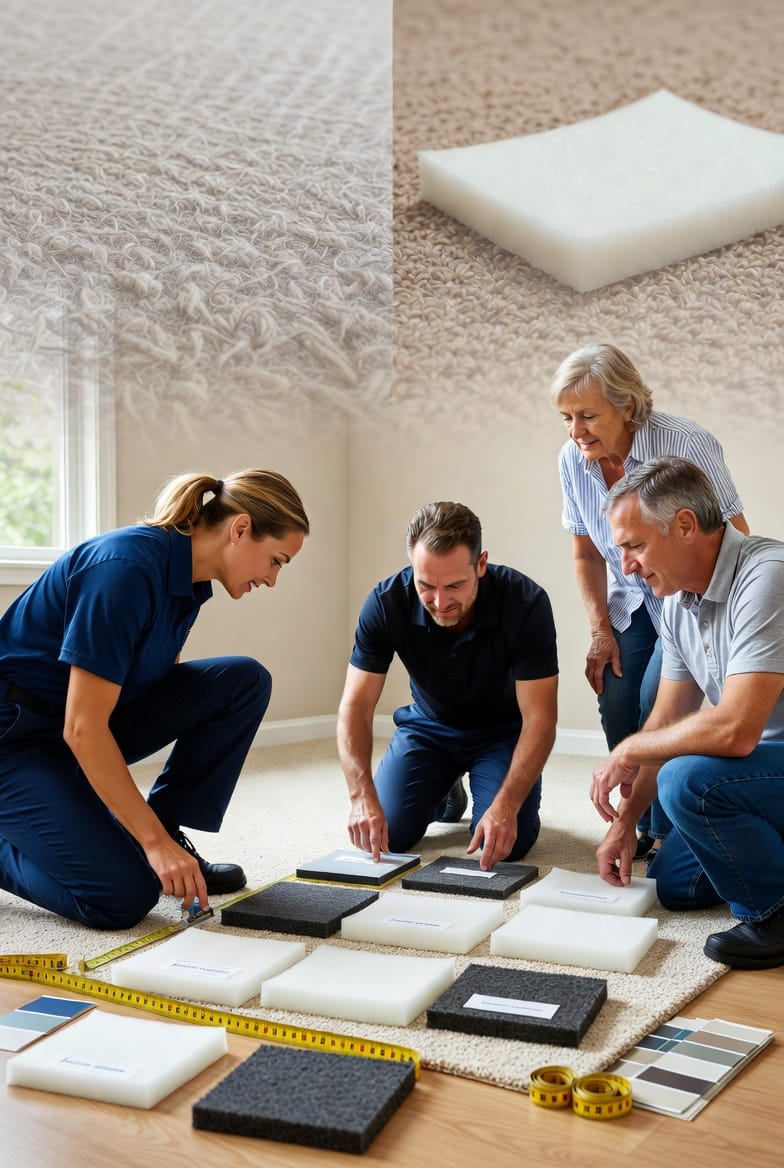
Selecting the Ideal Carpet Pad for Your Lifestyle and Traffic Levels
Room use and foot traffic dictate the best carpet padding choice more than any other factor. High-traffic areas demand firmer, denser support, while quiet spaces welcome softer luxury. Matching these needs prevents disappointment and extends performance dramatically.
High-traffic areas such as living rooms, hallways, and family gathering spots benefit from dense carpet pads rated 6–8 lb with ⅜-inch thickness. These pads resist compression, maintain carpet height, and protect against rapid wear. Rubber or high-density rebond foam excels here, providing stability even when kids, pets, and guests constantly pass through. You’ll notice fewer visible pathways and longer-lasting color vibrancy.
Medium-traffic zones like dining areas or home offices perform beautifully with 5–7 lb density pads at ⅜ to ½ inch. Prime foam or blended materials strike the ideal balance between support and softness, ensuring comfort during extended use without sacrificing durability.
Low-traffic bedrooms and reading nooks thrive with softer, thicker padding—8–10 lb density at up to ½ inch. Memory foam or premium felt creates that cloud-like sensation perfect for morning routines and relaxation. The extra cushion also reduces noise, promoting peaceful sleep.
Stairs require special attention. Choose the densest options (7–8 lb rubber or rebond) at a thinner ¼ to ⅜ inch profile. This combination prevents slipping, absorbs impact on each step, and maintains safety for years. Many homeowners report dramatically improved confidence walking up and down after upgrading to proper stair padding.
Always consider your carpet style too. Plush Saxony carpets pair best with moderately dense pads to avoid crushing, while loop or Berber styles tolerate slightly firmer, thinner pads that prevent snagging. Professional installers evaluate these details on-site to guarantee perfect harmony between carpet and pad.
Common Mistakes to Avoid When Choosing Carpet Padding
Even well-intentioned choices can lead to issues if certain pitfalls aren’t avoided. Skipping professional measurement often results in mismatched density, causing premature wear or discomfort. Installing overly thick pads under patterned carpets can create buckling or telegraphing of seams. Purchasing the cheapest available pad frequently voids warranties and shortens carpet life dramatically.
Another frequent error involves ignoring room-specific needs—using the same pad throughout the house rarely delivers optimal results. Rest assured, taking time to assess traffic patterns and consulting experts eliminates these risks entirely. A small upfront investment in the correct carpet pad prevents costly replacements later.
Why Professional Guidance and Installation Make the Difference
Experienced flooring teams bring more than product knowledge—they deliver customized solutions based on thousands of successful installations. We evaluate your subfloor condition, carpet specifications, and lifestyle before recommending the perfect density, thickness, and material combination. Precise installation ensures the pad lies flat, seams align properly, and stretching remains even for a flawless finish.
You gain peace of mind knowing every detail has been handled by professionals who stand behind their work. The result? Floors that look better, feel better, and last longer than you ever imagined possible.
The Right Pad Makes All the Difference
Selecting the ideal carpet pad transforms good flooring into exceptional. With proper carpet pad density, thoughtful thickness, and suitable material matched to your traffic levels, you create a foundation that supports your family’s comfort and lifestyle for decades ahead.
The hidden layer truly determines how your carpet performs every single day. Why leave something so important to chance?
Transform Every Step – Call for Custom Pad Recommendations!