The Carpet Beetle Dermatitis: Skin Reactions to Larvae Hairs
Carpet beetle dermatitis is a surprisingly common yet often misunderstood skin condition that leaves many homeowners scratching their heads – literally. If you’ve noticed unexplained itchy rashes appearing on your arms, neck, or torso, you might be dealing with the microscopic fallout from carpet beetle larvae rather than the more infamous bed bugs.
Get Rid of Carpet Beetle Dermatitis Fast – Call Now!
These tiny larvae don’t bite, but their shed bristly hairs trigger contact dermatitis that feels every bit as uncomfortable. The good news? With the right knowledge and professional action, you can eliminate the source, soothe your skin, and restore peace to your home.
At our pest control service, we’ve helped thousands of families resolve these invisible irritants quickly and safely. This comprehensive guide walks you through exactly how carpet beetle larvae cause skin reactions, the tell-tale symptoms, why the condition is frequently misdiagnosed, and – most importantly – the proven steps to stop the itch for good.
Understanding Carpet Beetle Larvae: The Real Culprit Behind the Itch
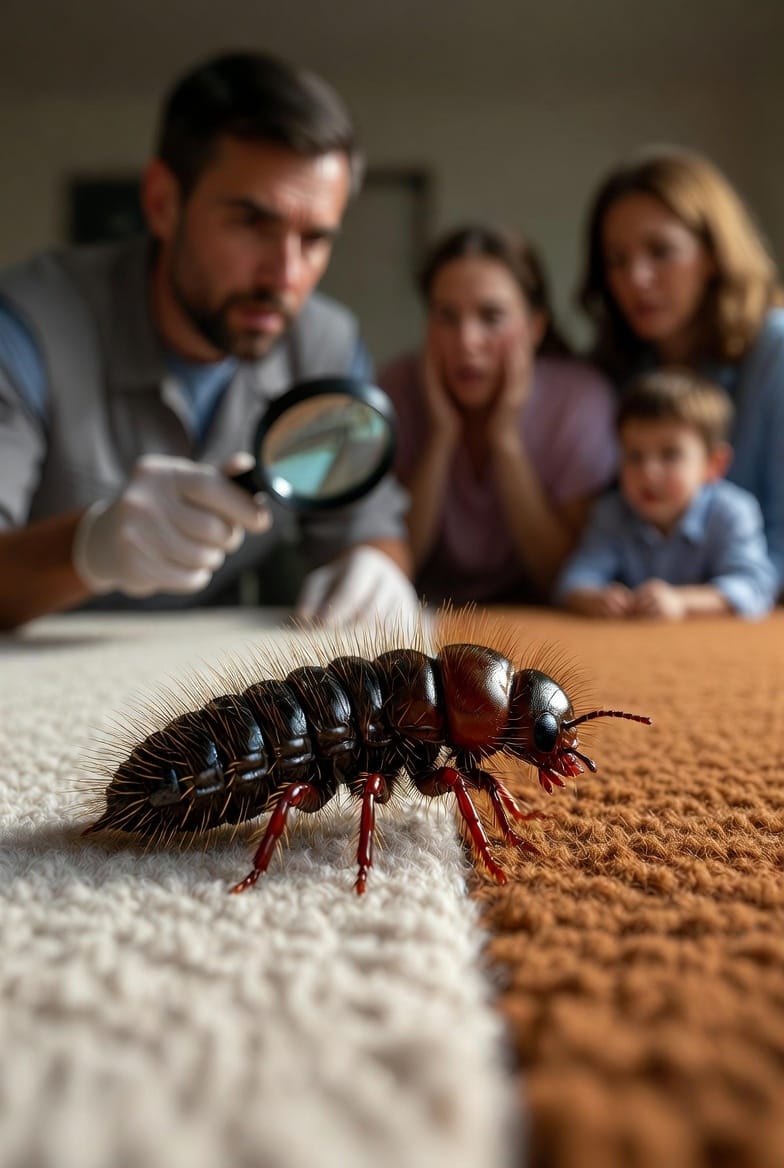
Carpet beetle larvae are the immature stage of several small beetle species commonly found in homes. Often called “woolly bears” because of their hairy appearance, these larvae measure just a few millimeters long but pack a powerful punch when it comes to skin irritation.
Unlike adult beetles, which are harmless and mostly feed on pollen, the larvae actively seek out natural fibers – wool, silk, feathers, and even pet hair or dead insects. As they feed and grow, they continuously shed tiny, barbed larvae hairs that become airborne or lodge in carpets, upholstery, and bedding.
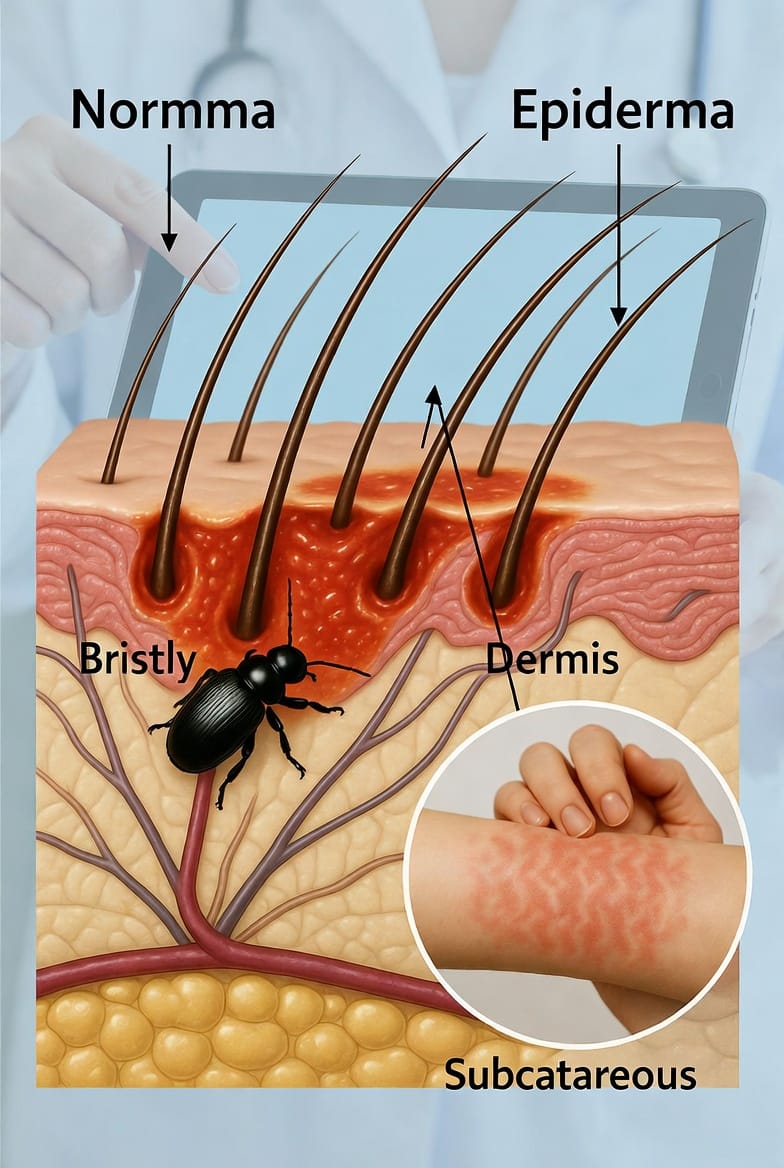
These hairs are not venomous, but their sharp, barbed structure acts like microscopic needles against human skin. When they make contact, they can pierce the outer layer of the epidermis, triggering an immune response that manifests as allergic contact dermatitis or simple mechanical irritation.
The process is entirely passive: no bite, no sting – just the persistent presence of these shed hairs in your living environment. Because the larvae prefer dark, undisturbed areas under furniture, along baseboards, or inside closets, infestations often go unnoticed until skin symptoms appear.
How Larvae Hairs Trigger Skin Reactions and Contact Dermatitis
The mechanism behind carpet beetle dermatitis is both fascinating and frustrating. Each larva can shed dozens of hairs daily. These microscopic structures contain tiny barbs that embed themselves in fabric and skin alike.
When the hairs touch sensitive skin, they cause a localized inflammatory reaction. Histamine release follows, leading to the classic red, raised welts or papules. In sensitive individuals, the response can escalate into full-blown allergic contact dermatitis, complete with intense itching that worsens at night or after contact with infested surfaces.
Unlike chemical irritants, these hairs remain potent even after the larva has moved on or died. A single infested carpet can continue releasing hairs for months, creating a constant low-level exposure that keeps symptoms recurring.
Key risk factors include:
- Homes with heavy wool carpeting or antique rugs
- Households with pets that bring in outdoor debris
- Rooms that are rarely vacuumed or deep-cleaned
- Individuals with pre-existing sensitive skin or allergies
The reassuring truth is that carpet beetle dermatitis is not contagious and poses no long-term health danger when addressed promptly. It is simply your body’s natural defense against an unwelcome household intruder.
Recognizing the Symptoms: Itchy Rash and the Misdiagnosis Trap
The symptoms of carpet beetle dermatitis are distinctive once you know what to look for. Most people first notice small, red, itchy bumps that may appear in clusters or linear patterns where clothing rubs against the skin. The rash is often intensely pruritic (itchy) and can last for days or weeks if exposure continues.
Common symptoms include:
- Itchy red papules or welts that resemble insect bites
- Mild swelling or raised hives in affected areas
- Dry, flaky skin patches that worsen with scratching
- Symptoms that improve dramatically when away from home (e.g., during vacation)
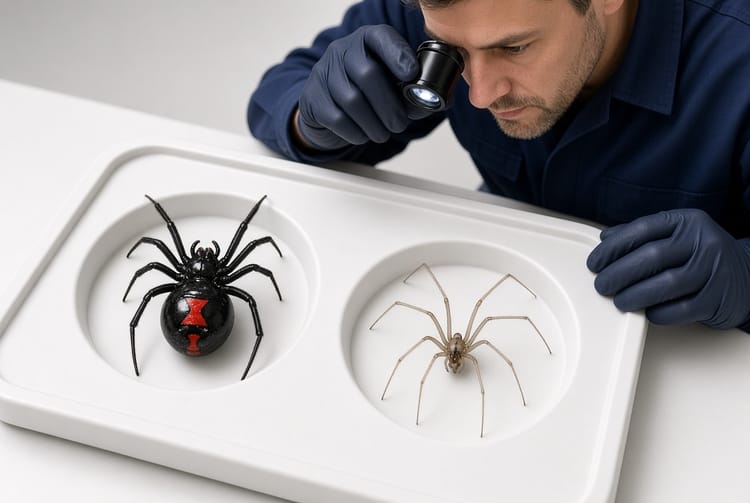
A major challenge is that carpet beetle dermatitis is frequently misdiagnosed as bed bug bites. Both produce itchy red spots, yet there is a critical difference: bed bugs leave actual bite marks with a characteristic linear or zigzag pattern and often produce a sweet, musty odor in the home. Carpet beetle reactions lack these signs and instead correlate directly with dusty or uncleaned fabric surfaces.
Many patients spend months treating the wrong problem – buying expensive bed bug sprays or discarding mattresses unnecessarily – before discovering the true source in their carpets or upholstery. Early recognition saves time, money, and unnecessary stress.
The Hidden Impact on Daily Life and Family Health
Living with persistent skin reactions to larvae hairs affects far more than just comfort. Sleepless nights from itching, self-consciousness about visible rashes, and constant worry about “what’s in the carpet” can take an emotional toll. Children and elderly family members are often hit hardest because their skin is more sensitive and they spend more time on floors.
In severe cases, secondary infections from excessive scratching can develop, turning a simple irritation into a more serious concern. That’s why swift, thorough elimination is essential – not just for relief today, but for long-term family wellness.
Effective Elimination: Thorough Vacuuming, Cleaning, and Targeted Treatment
The most reliable way to stop carpet beetle dermatitis is to remove the larvae and their shed hairs completely. Professional-grade cleaning is non-negotiable because standard vacuuming often misses the deep fibers where larvae thrive.
Here is the proven, step-by-step protocol we recommend:
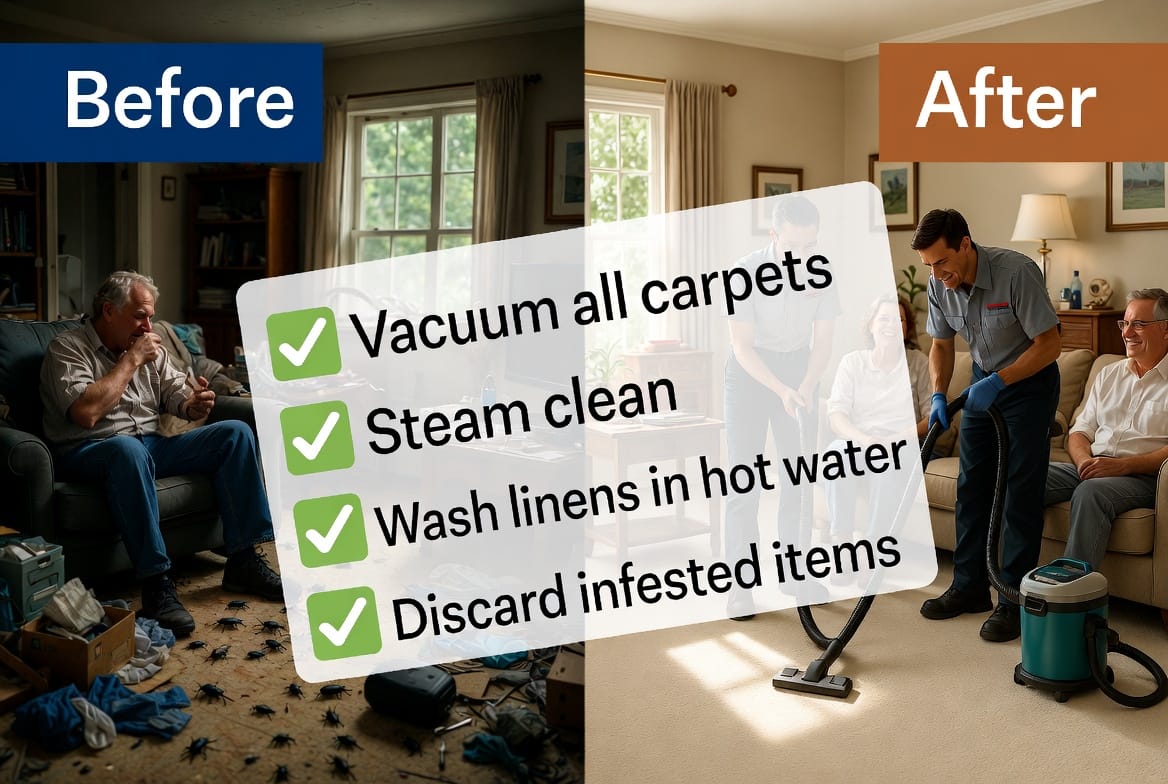
- Daily thorough vacuuming – Focus on all carpet edges, under furniture, along baseboards, and inside closets using a HEPA-filter vacuum to capture both larvae and loose hairs.
- Steam cleaning carpets and upholstery – High-temperature steam kills larvae on contact and removes embedded debris that ordinary vacuums miss.
- Hot-water washing of all linens and fabrics – Anything washable (bedding, curtains, clothing) should be laundered at temperatures above 120°F (49°C) to destroy hairs and larvae.
- Targeted disposal of heavily infested items – Old rugs, stuffed animals, or pet bedding that cannot be fully cleaned should be sealed in plastic bags and removed from the home immediately.
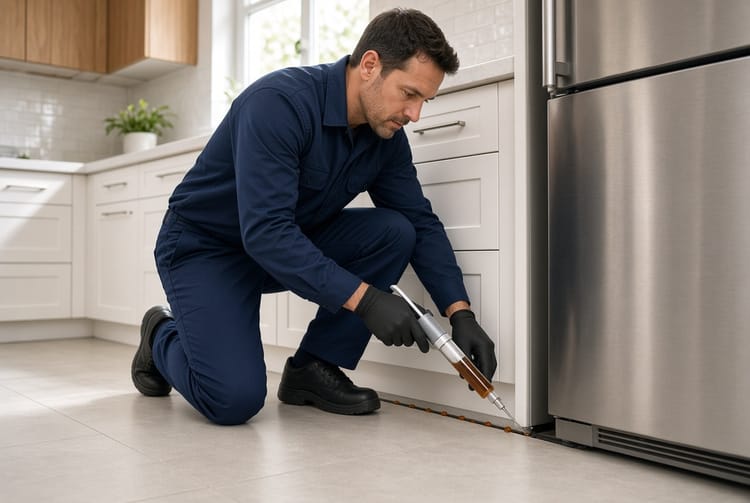
- Crack and crevice treatment – Professional application of safe, targeted products reaches the hidden areas ordinary cleaning cannot access.
When performed consistently for two to three weeks, these steps dramatically reduce both the larvae population and the airborne hairs responsible for dermatitis. For moderate to heavy infestations, combining DIY efforts with professional carpet beetle treatment delivers the fastest, most complete results.
When to Call Professionals for Carpet Beetle Treatment
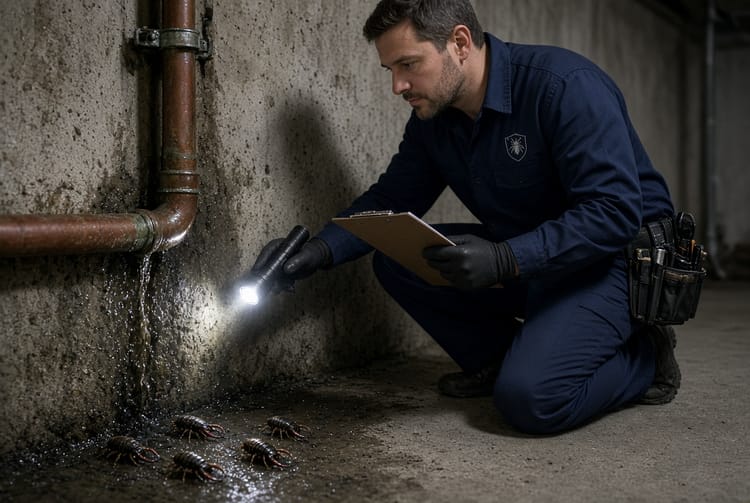
While diligent cleaning works for mild cases, persistent symptoms or large homes often require expert intervention. Our trained technicians use advanced detection tools to locate hidden larvae colonies that homeowners routinely miss. We apply precision treatments that are safe for children and pets while delivering results that last.
Don’t wait for the rash to spread or the infestation to worsen. Early professional help prevents months of discomfort and protects your largest investment – your home.
Prevention: Keeping Your Home Larvae-Free for Good
Prevention is always easier than cure. Maintain a regular deep-cleaning schedule, store woolens and natural fabrics in sealed containers, and monitor pet areas closely. Annual professional inspections catch problems before they cause skin reactions.
With these habits in place, carpet beetle dermatitis becomes a thing of the past.
Stop the Invisible Itch Today
You no longer have to live with unexplained itchy rashes or wonder whether your carpets are making you miserable. Carpet beetle larvae and their irritating hairs can be eliminated safely and completely.
Stop the invisible itch. Our team is ready to restore comfort and confidence to your home – quickly, thoroughly, and with guaranteed results.
Your skin – and your family – will thank you.
Professional Carpet Beetle Removal – Call for Relief Today