The Camel Cricket Invasion: Managing These Jumping, Moisture-Loving Pests
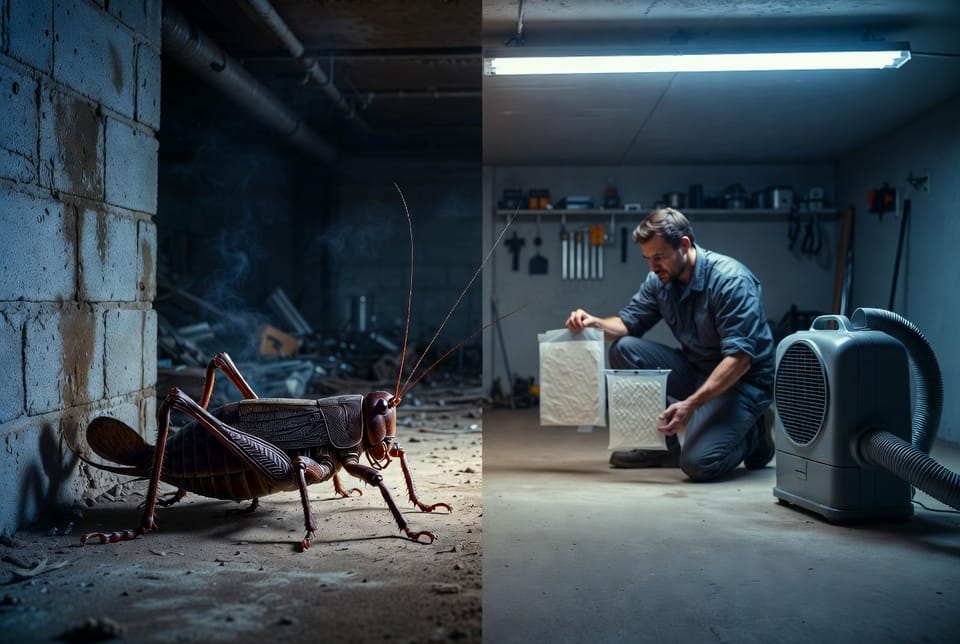
If you’ve ever flipped on the basement light and watched something large, pale, and spider-like leap straight toward you, you’re not alone. Camel crickets have earned their reputation as the creepy basement dweller that sends homeowners reaching for the nearest broom. These moisture-loving jumpers thrive in the exact spaces we rarely visit — until they make their presence impossible to ignore.
Get Rid of Basement Jumpers Today – Call Now!
The good news? You don’t have to live with them. With targeted moisture reduction and proven sticky trap strategies, you can reclaim your basement and prevent future invasions. This complete guide walks you through everything you need to know, from understanding their behavior to implementing long-term control that actually works.
Understanding Camel Cricket Behavior in Your Home
Camel crickets (also known as cave crickets or spider crickets) are not true crickets in the singing sense — they lack wings and never chirp. Their name comes from the distinctive humped back that makes them look like tiny camels. Adults reach up to 1.5 inches long, with exceptionally long antennae and powerful hind legs built for jumping.
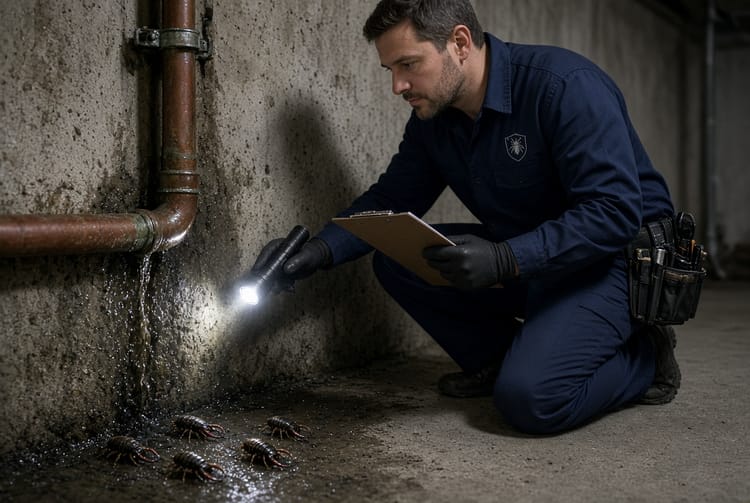
These pests are nocturnal and highly attracted to dark, damp environments. Basements, crawlspaces, garages, and sheds offer the perfect combination of high humidity and hidden crevices. They feed on fungi, mold, decaying organic matter, and even smaller insects, which is why they flourish where moisture problems already exist.
Unlike many household pests, camel crickets do not bite, sting, or transmit diseases. Their primary defense mechanism is that startling jump — often directly at perceived threats. This behavior is purely reflexive; they are not aggressive. Still, the sudden movement in a dark basement can feel alarming, especially when multiple crickets begin appearing at once.
Why Camel Crickets Choose Your Basement
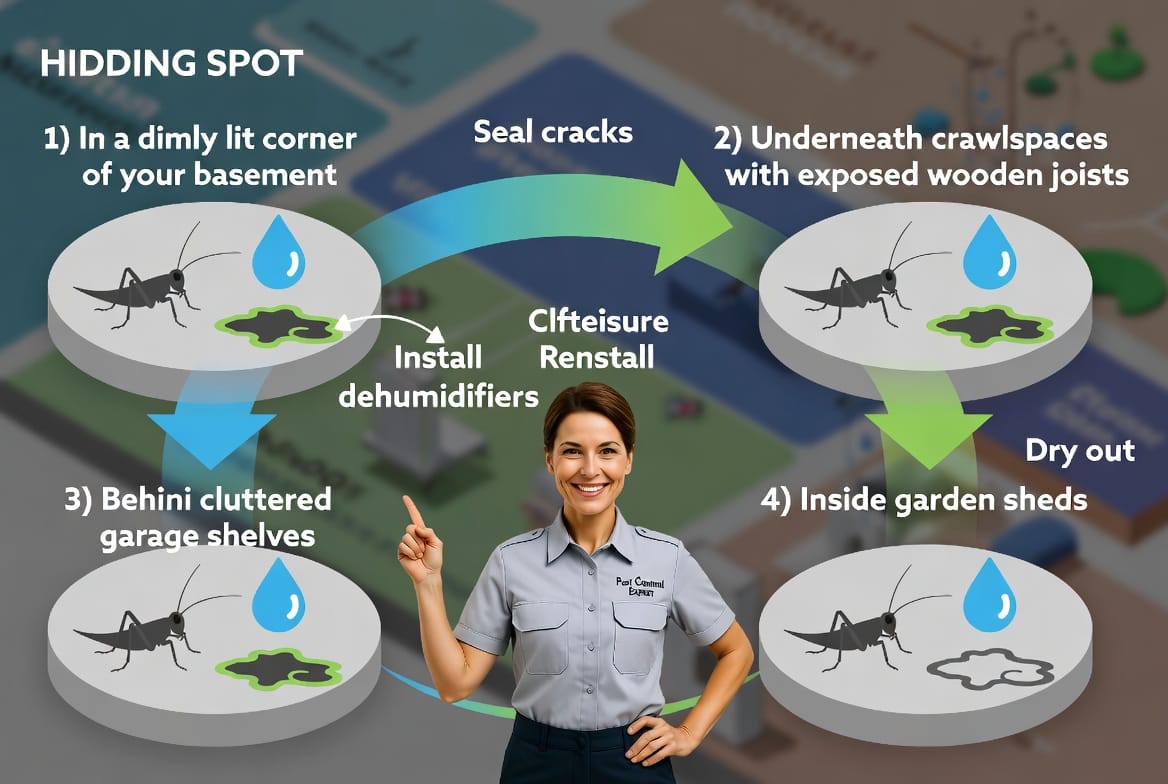
High humidity is the number one invitation. Leaky pipes, poor drainage, condensation on cold walls, or simply inadequate ventilation create the ideal habitat. Once inside, camel crickets hide during the day in:
- Gaps around pipes and wiring
- Under stored boxes or furniture
- Behind insulation in crawlspaces
- Inside floor drains or sump pumps
They enter homes through even the smallest foundation cracks, unsealed vents, or doors left open during humid summer evenings. Because they prefer 80–90 % relative humidity, any area with ongoing moisture issues becomes a magnet for these jumping pests.
Early warning signs include:
- Sudden appearance of large, wingless insects near floor level at night
- Small dark droppings that resemble coffee grounds
- Occasional damage to stored fabrics or cardboard (they chew to access food sources)
The Jumping Defense: Why They Seem to Target People
Many homeowners report feeling “attacked” when a camel cricket leaps toward them. In reality, this is a startle response. Their powerful hind legs can propel them several feet in a single bound — straight toward the vibration or shadow they perceive as danger. In a confined basement, that often means jumping toward the person who just turned on the light.
This behavior explains why infestations feel so invasive. One or two crickets can seem like an army when they bounce unpredictably across the floor. Understanding that it is defensive, not personal, helps reduce the panic while you focus on effective control.
Effective Control Starts with Moisture Reduction
The most reliable way to manage camel crickets is to make your basement inhospitable. These pests cannot survive without consistent moisture, so dehumidification is your strongest weapon.
Step-by-step moisture control plan:
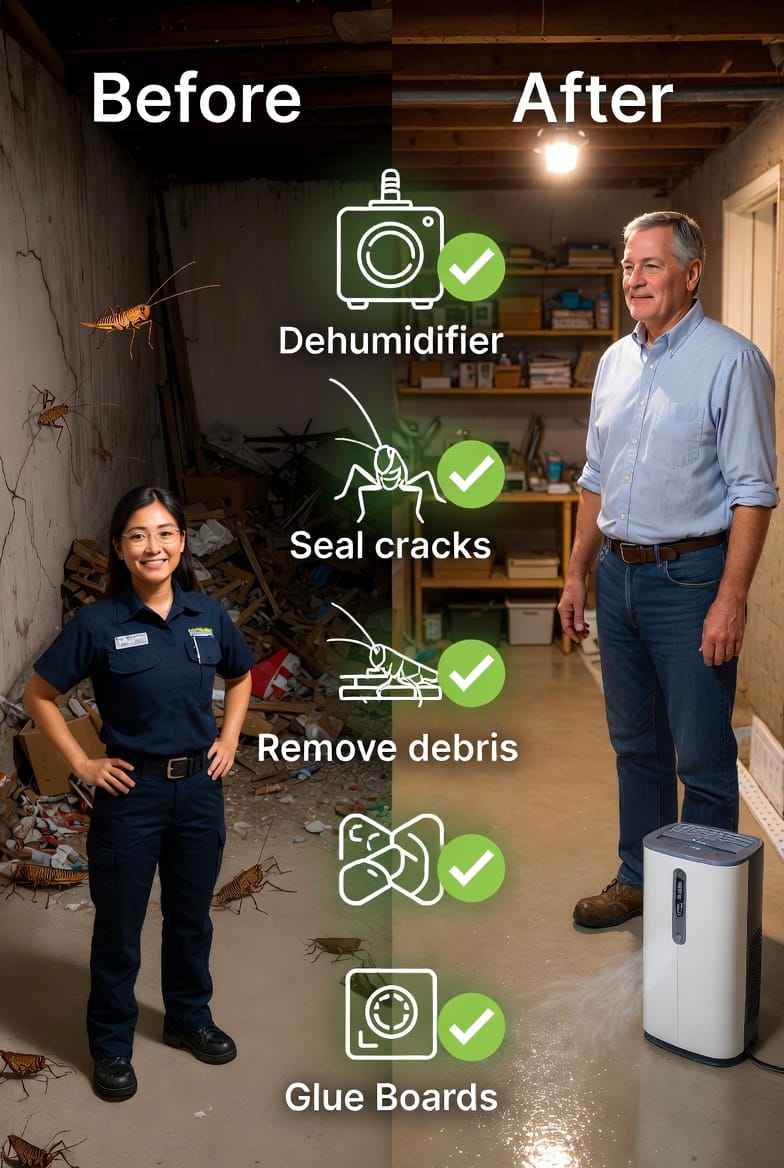
- Install a high-capacity dehumidifier (70–100 pint) sized for your basement square footage and run it continuously.
- Repair all leaks, improve grading around the foundation, and ensure downspouts direct water away from the house.
- Seal cracks in foundation walls and floors with waterproof caulk or hydraulic cement.
- Improve ventilation with exhaust fans and consider adding a sump pump if water regularly collects.
- Remove organic debris, cardboard boxes, and stored items that trap moisture.
Once humidity drops below 60 %, camel crickets lose their food source and begin migrating elsewhere or dying off naturally.
Sticky Traps: The Non-Toxic Knockout Punch
While moisture reduction works behind the scenes, sticky traps (glue boards) deliver immediate results. Place them along walls, near entry points, and in corners where crickets travel at night. Their long legs and jumping style make them especially likely to land on and stick to these traps.
Pro tips for maximum trap success:
- Use large, professional-grade glue boards rather than small household versions.
- Position traps vertically against walls as well as flat on the floor.
- Check and replace traps every 7–10 days or when they become covered.
- Combine with a light source at night — camel crickets are drawn to warmth and faint illumination.
This dual approach of moisture reduction plus sticky traps typically resolves even heavy infestations within 2–4 weeks.
Long-Term Prevention Strategies That Work
Prevention is far easier than repeated treatment. After the initial cleanup, maintain these habits:
- Monitor humidity levels weekly with a digital hygrometer.
- Schedule seasonal inspections of crawlspaces and basements.
- Keep stored items off the floor in plastic bins with tight lids.
- Trim vegetation away from foundation walls to reduce hiding spots outdoors.
- Consider professional perimeter sealing and moisture barrier installation for lasting protection.
Homes with finished basements or home gyms often see faster re-invasion if humidity creeps back up. Consistent monitoring keeps the space comfortable for you — and unbearable for camel crickets.
When to Call Basement Pest Control Professionals
DIY methods work well for light problems, but heavy or recurring invasions benefit from expert intervention. Licensed technicians bring commercial-grade tools, precise moisture mapping, and years of experience identifying hidden entry points you might miss.
Professional service includes:
- Thorough inspection using moisture meters and borescopes
- Targeted application of non-repellent products where needed
- Installation of advanced monitoring stations
- Written prevention plan tailored to your specific home
Don’t wait until the jumping invaders take over every corner. Early professional help restores peace of mind quickly and prevents costly secondary damage from unchecked mold or structural moisture.
Reclaiming Your Basement: Real Results You Can Expect
Homeowners who follow a complete moisture-plus-traps strategy report dramatic improvement within days. The constant jumping stops. The creepy nighttime sightings disappear. Most importantly, the basement becomes usable space again — whether for storage, a workshop, or family recreation.
The key is consistency. One-time treatments rarely solve the underlying moisture issue that attracted the crickets in the first place. A comprehensive plan addresses both the symptoms and the root cause.
Final Thoughts on Managing Camel Cricket Invasions
Camel crickets may be startling, but they are manageable. By focusing on moisture reduction, strategic sticky trap placement, and ongoing prevention, you can eliminate these jumping pests and keep them from returning.
Your basement should be a safe, dry, comfortable part of your home — not a habitat for moisture-loving invaders. With the right knowledge and tools, you stay in control.
Stop the jumping invaders today.
Our experienced team is ready to inspect your property, create a customized plan, and restore peace to your home — quickly, safely, and guaranteed.
Camel Cricket Control Experts – Call for Free Inspection!