The Webbing Clothes Moth: Protecting Wool and Silk Garments
The webbing clothes moth remains one of the most persistent and quietly destructive fabric pests that can invade any home. These tiny insects specialize in targeting the natural fibers that make your favorite garments feel soft, warm, and valuable. When left unchecked, their larvae slowly consume wool, silk, cashmere, and similar materials, leaving behind irreparable holes and frustrating reminders of neglected storage. Yet the good news is clear: with accurate knowledge of their behavior, early recognition of the signs, and consistent control measures, you can fully protect your wardrobe and restore peace of mind.
Stop Webbing Clothes Moths Today – Call Experts!
This comprehensive guide walks you through everything you need to know about the webbing clothes moth. You will learn how the larvae feed, how to spot an infestation before it spreads, and the practical steps that stop the damage permanently. Whether you own a single cherished sweater or an entire collection of fine garments, the strategies outlined here deliver authoritative, reassuring protection you can trust.
Understanding the Webbing Clothes Moth and Its Destructive Habits
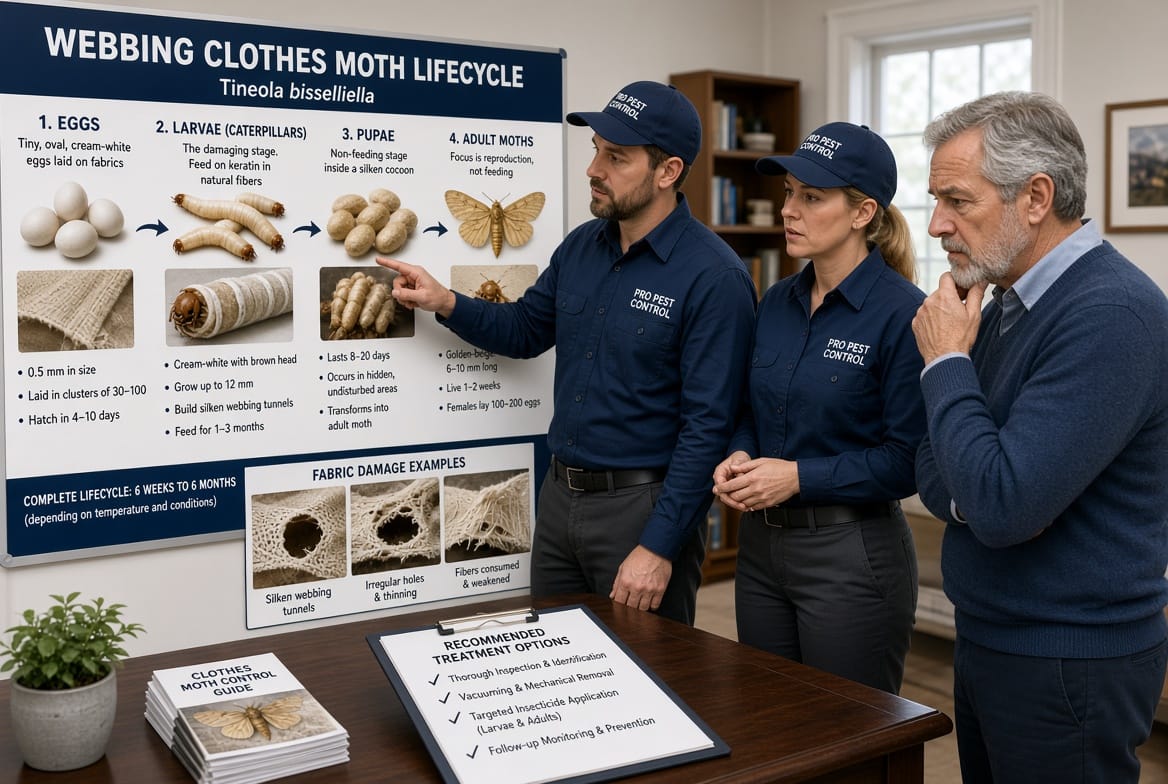
Adult webbing clothes moths are small, golden-colored insects that measure only a few millimeters in length. They prefer dark, undisturbed spaces such as closets, storage chests, and attics. While the adults themselves do not eat fabric, they lay eggs on suitable materials, and the emerging larvae become the true threat. These larvae feed exclusively on natural animal-based fibers that contain keratin, the protein found in wool, silk, cashmere, fur, and feathers.
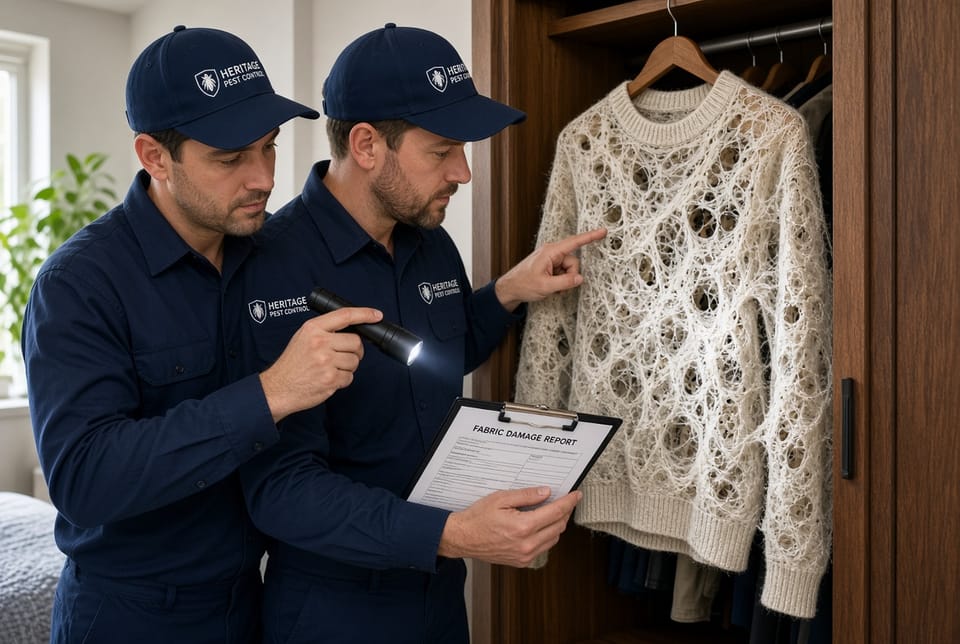
The feeding process is slow and methodical. Larvae create protective silken tunnels or patches of webbing as they move across the fabric surface. Inside these shelters they chew irregular holes that grow larger over weeks and months. Because the damage occurs in hidden areas—under collars, along seams, or in folded layers—many homeowners discover the problem only after significant loss has already occurred. Understanding this behavior is the first step toward effective defense. The larvae thrive in quiet, low-light environments where garments remain undisturbed for long periods, making seasonal storage a common risk zone.
Temperature and humidity also influence activity. Moderate indoor conditions between 70 and 80 degrees Fahrenheit combined with higher humidity accelerate larval growth. Once you recognize these preferences, you can adjust storage practices to create an environment that discourages the pest entirely.
Recognizing the Clear Signs of Infestation
Early detection prevents minor problems from becoming major losses. Watch for these unmistakable indicators of webbing clothes moth activity:
- Fine, silken webbing or tunnels clinging to the surface of wool or silk items
- Irregular holes that appear randomly rather than along seams
- Tiny cream-colored larvae or their discarded skins near affected garments
- Small, sand-like frass (larval droppings) scattered inside closets or drawers
- Adult moths fluttering weakly near storage areas when disturbed
These signs rarely appear all at once. Often the first clue is a single hole in a favorite sweater or a patch of webbing on a silk scarf. Act immediately when any of these appear. Prompt action limits the number of larvae and stops the cycle before additional eggs hatch.
Why Natural Fibers Face the Highest Risk
Not every fabric attracts webbing clothes moths equally. Synthetic materials such as polyester or nylon offer little nutritional value and usually escape damage. In contrast, pure wool, silk, cashmere, and fur provide the keratin the larvae require. Blends that contain even a modest percentage of these natural fibers can still suffer attack. Items that retain body oils, food stains, or moisture become especially attractive because the larvae prefer soiled areas.
Garments stored for months without airing or cleaning present the greatest vulnerability. Seasonal clothing packed tightly in dark closets creates ideal conditions. Understanding this risk profile allows you to prioritize protection for the pieces that matter most.
Proven Control Methods That Deliver Lasting Results
Successful management of the webbing clothes moth rests on three reliable pillars: thorough cleaning, secure storage, and targeted monitoring. Each step reinforces the others and creates multiple layers of defense.
Clean Thoroughly Before Storage
Begin every season by laundering or dry-cleaning all susceptible garments according to their care labels. Heat from washing machines or professional cleaning kills any eggs or larvae present. Vacuum closets, shelves, and baseboards carefully, paying special attention to corners and under furniture where larvae may hide. Dispose of the vacuum bag or empty the canister outdoors immediately afterward so no survivors remain inside the home.
Store in Airtight Containers
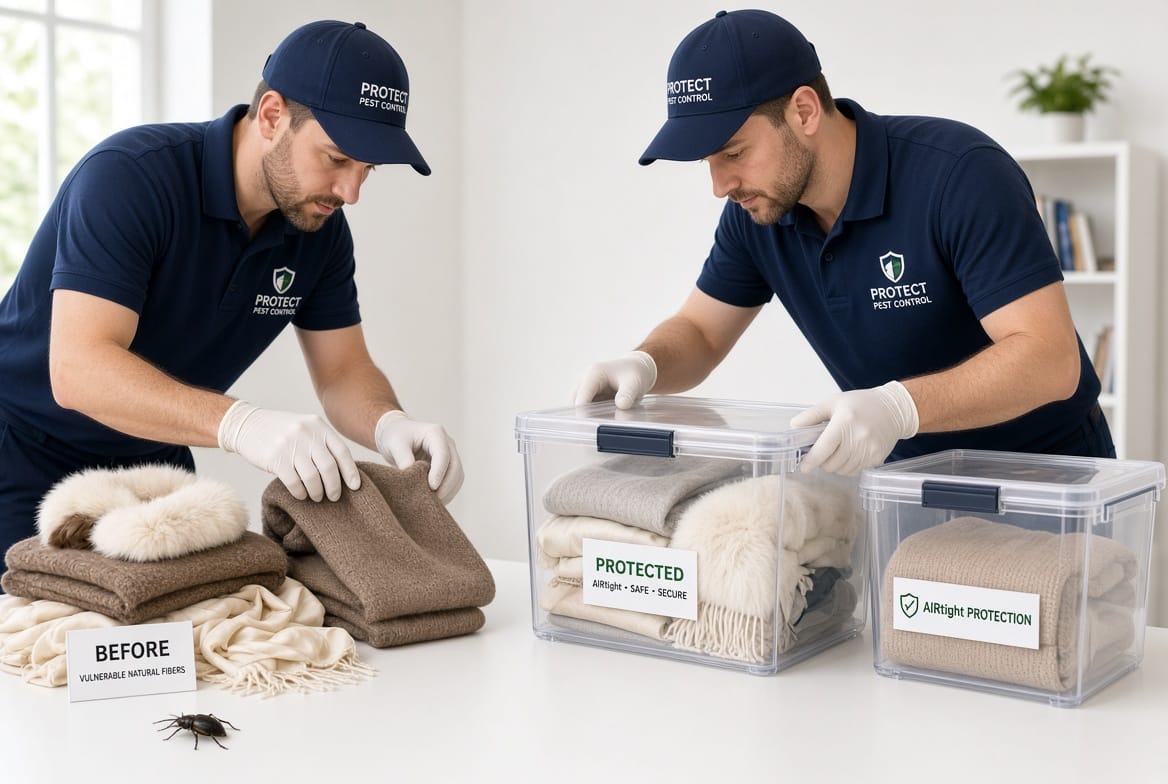
Once clean and completely dry, place garments inside sealed plastic bins, vacuum bags, or garment bags designed for long-term storage. Airtight containers eliminate the oxygen and humidity that larvae need to survive. Avoid cardboard boxes or loosely closed drawers, as these allow easy entry. For added security, include clean cotton sheets or acid-free tissue paper between layers to reduce friction and moisture buildup.
Deploy Pheromone Traps for Ongoing Monitoring
Pheromone traps provide an early-warning system that is both simple and highly effective. These traps release a scent that attracts adult male moths, capturing them on sticky surfaces before they can mate. Place traps in closets, under beds, and near storage areas. Check them regularly and replace as directed. Consistent use of pheromone traps reveals the presence of adults long before larvae cause visible damage, giving you time to respond.
Combining these three methods creates a robust barrier. Cleaning removes existing pests, airtight storage prevents new access, and pheromone traps confirm that the environment stays clear. Homeowners who follow this routine report dramatic reductions in infestation rates year after year.
Additional Preventive Habits That Strengthen Protection
Beyond the core control steps, several everyday habits further reduce risk:
- Rotate stored garments every few months to disrupt any developing larvae
- Maintain indoor humidity below 50 percent with a dehumidifier when necessary
- Inspect second-hand clothing and vintage textiles carefully before bringing them indoors
- Keep closets well-lit and free of clutter so dark hiding spots disappear
- Address any food spills or pet hair promptly, as these residues can attract moths
These simple practices require little extra time yet compound the effectiveness of cleaning, airtight storage, and pheromone traps. Consistency turns temporary measures into permanent protection.
When Professional Assistance Becomes the Smartest Choice
While many infestations respond well to the steps above, heavy or recurring problems sometimes need expert intervention. Professional pest control technicians possess specialized tools and knowledge that locate hidden larvae in wall voids, carpet edges, or upholstered furniture—areas that everyday cleaning may miss. They can apply targeted treatments that eliminate the pest at every life stage without harming your garments or indoor air quality.
If you discover widespread webbing, multiple damaged items, or moths returning despite careful prevention, reach out for help. Early professional involvement prevents the loss of irreplaceable pieces and restores confidence in your storage system.
Restoring Confidence in Your Wardrobe
The presence of webbing clothes moths can feel discouraging, yet the situation is entirely manageable. By understanding that the larvae alone feed on wool, silk, and cashmere, by watching for the clear signs of webbing, holes, and larvae, and by applying the proven controls of thorough cleaning, airtight containers, and pheromone traps, you reclaim full authority over your clothing collection. These measures work together to stop damage before it starts and to keep future generations of moths from establishing themselves.
Your garments represent both practical value and personal history. Protecting them is an investment that pays dividends every time you reach for a favorite piece that remains intact and beautiful. Implement the strategies in this guide consistently, and the risk of webbing clothes moth damage fades into a manageable background concern rather than an active threat.
Stay vigilant, act promptly when signs appear, and trust the reliable methods outlined here. Your wardrobe deserves that level of care, and with these steps you can provide it confidently.
End Webbing & Holes in Fabrics – Call Experts!