The Bathroom Wall Panels: Waterproof Alternatives to Tile
Homeowners seeking a fresh, durable update for their bathing spaces increasingly turn to bathroom wall panels as the preferred modern solution. These innovative systems deliver a sleek, high-performance finish that outperforms conventional tile in nearly every practical category. By choosing waterproof wall panels, you gain a surface that resists moisture completely, installs far more quickly, and eliminates the ongoing maintenance headaches associated with grout lines. This comprehensive guide explores the leading materials—PVC, fiberglass, acrylic, and stone resin—while detailing their benefits, ideal applications in shower walls and full bathrooms, and the reasons they represent a smart long-term investment for any residence.
Call Now for Expert Bathroom Wall Panel Installation
Understanding the Shift Away from Traditional Tile
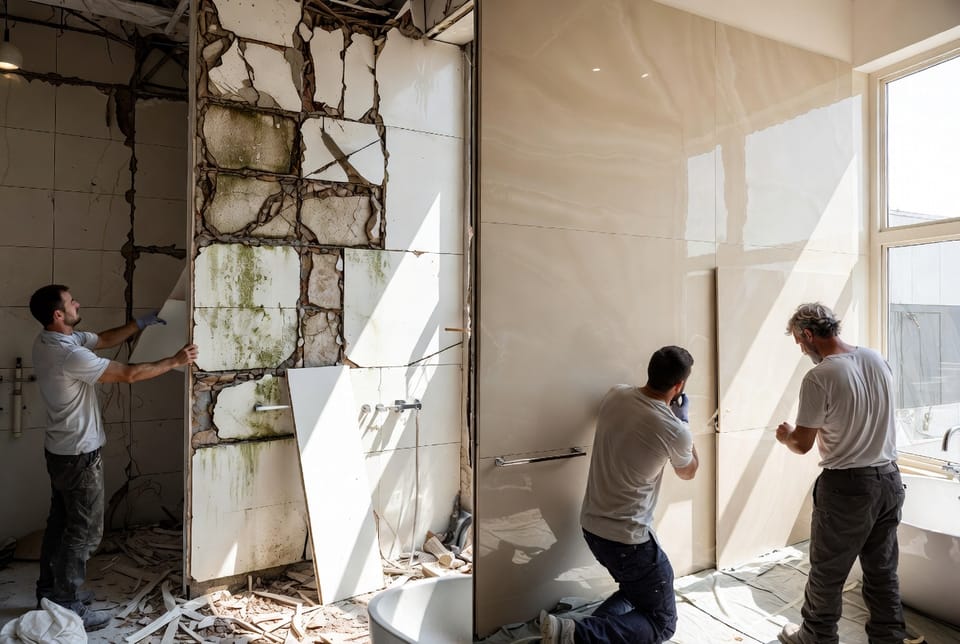
For decades, ceramic and porcelain tile dominated bathroom design. While attractive when new, tile carries inherent vulnerabilities. Grout absorbs water over time, creating pathways for mold, mildew, and structural damage behind the walls. Cracked tiles or failed sealant demand repeated repairs that disrupt daily life and inflate costs. In high-moisture environments such as showers, these issues accelerate, often leading to costly remediation.
Waterproof wall panels address these challenges directly. Manufactured as large-format sheets or interlocking systems, they form a continuous barrier that keeps water on the surface rather than allowing it to penetrate. The result is a bathroom that stays cleaner, safer, and more attractive with minimal effort. Homeowners appreciate the combination of contemporary aesthetics and practical performance that these panels provide.
Exploring Modern Wall Panel Materials
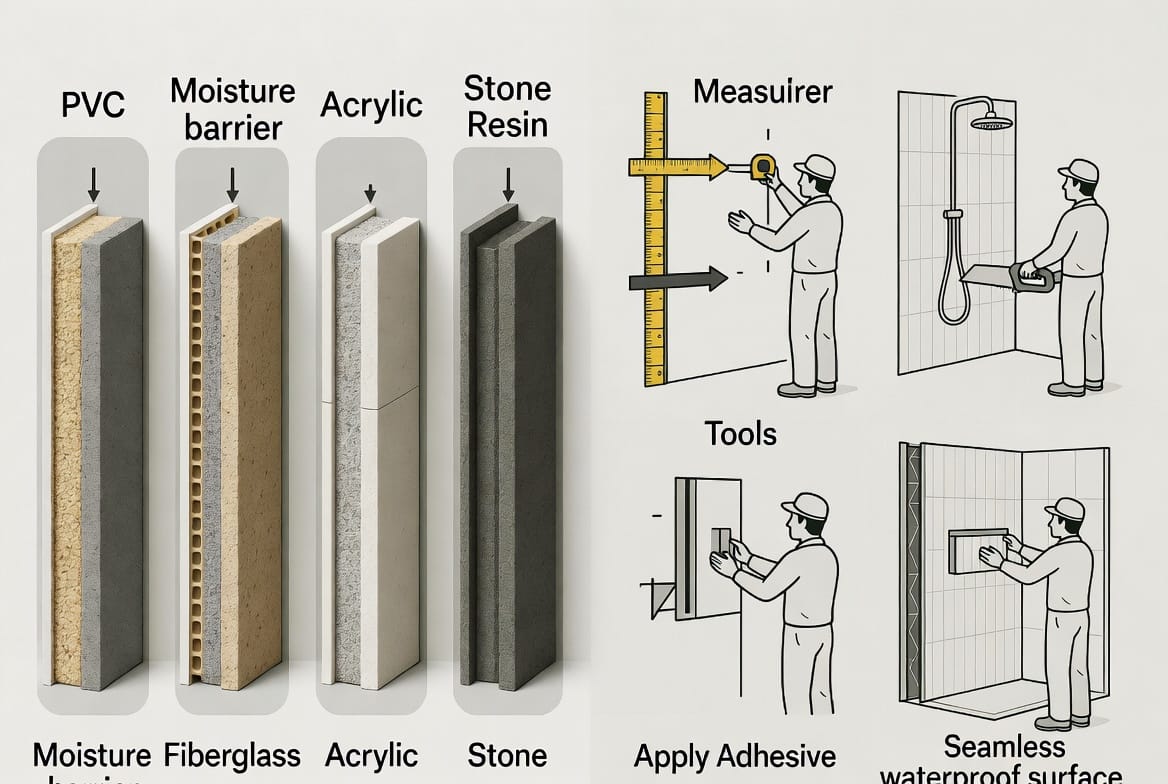
Four primary materials define the current generation of bathroom wall panels. Each offers distinct advantages in appearance, durability, and installation characteristics, allowing precise matching to project requirements and design preferences.
PVC Wall Panels
PVC (polyvinyl chloride) panels rank among the most widely used options for residential bathrooms. Extruded or formed into rigid sheets, they deliver exceptional water resistance at an accessible price point. Modern manufacturing techniques produce PVC panels with realistic textures that mimic stone, wood, or tile patterns without the associated drawbacks.
Key strengths include lightweight construction that simplifies handling and reduces structural load. PVC resists chemicals commonly found in cleaning products and maintains color stability even under prolonged exposure to humidity and temperature fluctuations. Installation typically involves adhesive or mechanical fasteners, creating a secure bond that remains intact for decades when properly executed. Many systems feature tongue-and-groove edges for seamless alignment, further enhancing the waterproof integrity.
Fiberglass Wall Panels
Fiberglass panels combine a reinforced core with a smooth or textured gel-coat surface. This construction yields outstanding strength-to-weight ratios and superior impact resistance. In shower environments, fiberglass performs reliably against daily water exposure while remaining flexible enough to accommodate minor building movement without cracking.
The material accepts a wide range of finishes, from high-gloss contemporary looks to matte surfaces that reduce glare. Because fiberglass panels arrive pre-formed or as large sheets, they minimize seams and therefore potential leak points. Professional installers value the material for its ease of cutting and fitting around fixtures such as soap dishes, grab bars, and plumbing penetrations. Long-term performance includes resistance to fading and staining, preserving the original appearance through years of use.
Acrylic Wall Panels
Acrylic panels offer a premium aesthetic with crystal-clear clarity or richly pigmented solid colors. Formed through advanced thermoforming processes, they achieve deep, luxurious finishes that elevate bathroom design. Acrylic surfaces feel warm to the touch compared with ceramic tile and provide a non-porous barrier that prevents bacterial growth.
These panels excel in wet areas because water simply beads and runs off rather than absorbing. Cleaning requires only mild soap and water; abrasive cleaners remain unnecessary. Acrylic systems often incorporate interlocking profiles or specialized adhesives that create virtually invisible joints. Homeowners seeking a spa-like atmosphere frequently select acrylic for its ability to reflect light and create an open, expansive feel within compact bathroom footprints.
Stone Resin Wall Panels
Stone resin represents the high-end category of bathroom wall panels. Composed of natural mineral fillers bound within a resin matrix, these panels deliver authentic stone texture and visual depth while remaining significantly lighter than solid stone slabs. The non-porous surface guarantees complete waterproof performance and exceptional resistance to scratches, stains, and heat.
Design flexibility stands out as a major advantage. Stone resin can replicate marble, granite, slate, or concrete with remarkable accuracy, including subtle veining and tonal variations. Installation follows similar methods to other panel types yet benefits from the material’s dimensional stability. In full-bathroom applications, stone resin creates a cohesive, hotel-quality appearance that commands attention and retains value over time.
Key Benefits of Choosing Waterproof Wall Panels
The advantages of bathroom wall panels extend well beyond simple moisture protection. Consider the following core benefits that consistently satisfy homeowners and design professionals alike:
- Complete waterproof performance – Engineered surfaces and sealed joints form an unbroken barrier that prevents water intrusion into wall cavities, eliminating the primary cause of mold and structural decay.
- Easy installation process – Large panel formats cover substantial areas quickly. Most systems require only basic tools, adhesive, and careful alignment, reducing labor time dramatically compared with individual tile setting.
- No grout lines – The absence of porous grout removes the most maintenance-intensive element of traditional tile. Surfaces stay cleaner longer and resist discoloration.
- Quick overall project timeline – Many bathroom transformations using panels finish in a fraction of the days required for full tile work, minimizing household disruption.
- Superior cleanability – Smooth, non-porous finishes wipe clean with ordinary household cleaners, saving time and reducing the need for specialized products.
- Design versatility – Available in countless colors, textures, and patterns, panels adapt to any style from minimalist modern to classic traditional.
- Durability under daily use – Resistance to impact, chemicals, and temperature extremes ensures the finish endures family life without frequent repairs.
- Cost efficiency over time – Lower installation labor combined with reduced long-term maintenance produces measurable savings across the ownership period.
These attributes combine to deliver peace of mind. Once installed, waterproof wall panels require only routine cleaning to maintain their appearance and protective function for many years.
Ideal Applications for Shower Walls and Full Bathrooms
Bathroom wall panels perform exceptionally well in both targeted and comprehensive projects. Understanding these applications helps homeowners select the optimal system for their specific needs.
Shower Walls
The shower enclosure represents the highest-moisture zone in any bathroom. Here, waterproof wall panels shine brightest. Large sheets cover walls from floor to ceiling or to a designated height, creating a continuous waterproof plane that integrates cleanly with the shower base or pan. Many systems include matching trim pieces for corners, niches, and edges, producing a factory-finished appearance.
Because panels eliminate grout, soap scum and mineral deposits wash away easily during regular cleaning. Homeowners with accessibility requirements appreciate the smooth surfaces that accommodate grab bars and seating without compromising the waterproof seal. Custom cutouts for valves, shower heads, and body sprays remain straightforward, preserving both function and aesthetics.
Full Bathroom Installations
Extending panels beyond the shower to encompass the entire wet-wall area or full room yields a cohesive, low-maintenance environment. In powder rooms or guest baths, panels deliver dramatic visual impact with minimal seams. Master bathrooms benefit from coordinated finishes that flow from shower to vanity walls, creating a unified design statement.
Stone resin and high-quality acrylic options particularly suit full-room applications where luxury appearance matters. The panels’ ability to handle ambient humidity protects adjacent drywall and framing even outside the direct spray zone. For renovation projects, panels often install directly over existing surfaces after proper preparation, avoiding the demolition mess associated with complete tile removal.
Additional practical settings include laundry rooms with utility sinks, basement bathrooms subject to higher humidity, and vacation homes where low maintenance proves essential between visits. In every case, the combination of waterproof integrity and rapid installation makes panels the practical choice.
Simplified Installation Process
Professional installation of bathroom wall panels follows a logical sequence that prioritizes precision and waterproofing. First, the existing surface receives thorough inspection and preparation. Any damaged substrate is repaired, and a suitable underlayment or moisture barrier may be applied according to manufacturer guidelines.
Accurate measurement ensures panels fit tightly around windows, doors, and fixtures. Cutting occurs with standard woodworking tools equipped for the specific material. Adhesive is then applied in the recommended pattern, and panels are pressed firmly into place. Interlocking edges or specialized sealants complete the joints. Final steps include installing trim, sealing penetrations, and verifying that every edge forms a continuous waterproof barrier.
Because the process involves fewer individual components than tile, the risk of installation error decreases significantly. Experienced crews complete most standard bathrooms within one to three days, allowing families to return to normal routines quickly. Proper installation by trained professionals remains the surest path to realizing the full performance potential of the chosen panels.
Design Flexibility and Aesthetic Possibilities
Modern bathroom wall panels no longer limit design expression. Manufacturers produce finishes that convincingly replicate natural materials while offering solid colors and contemporary patterns unavailable in traditional tile. Textured surfaces add tactile interest and improve slip resistance underfoot when extended to flooring transitions.
Lighting plays beautifully across glossy acrylic or polished stone resin surfaces, enhancing the sense of space. Matte finishes provide understated elegance suitable for transitional or farmhouse styles. Coordinating accessories—such as matching niches, shelves, and shower doors—further refine the overall composition. The result is a bathroom that feels custom-designed yet remains practical for everyday living.
Long-Term Value, Maintenance, and Peace of Mind
Beyond initial appearance, waterproof wall panels deliver enduring value. Their resistance to moisture-related damage protects the underlying structure, potentially avoiding expensive future repairs. Energy efficiency improves slightly because panels do not absorb and retain water the way porous materials can. Resale appeal increases when prospective buyers recognize the low-maintenance, high-performance surfaces.
Maintenance routines stay simple: wipe with a soft cloth and mild cleaner after use or on a weekly schedule. Avoid abrasive pads or harsh chemicals that could dull the finish over decades of service. Occasional inspection of seals around fixtures ensures continued protection. With these minimal practices, panels retain their original beauty and function far longer than many alternative finishes.
Homeowners frequently report greater enjoyment of their bathrooms after switching to panels. The combination of visual refreshment, effortless cleaning, and confidence in waterproof performance creates a more relaxing daily experience.
Making the Right Choice for Your Home
Selecting the ideal bathroom wall panels involves evaluating material properties against specific project goals. PVC suits budget-conscious updates that still demand reliability. Fiberglass balances strength and versatility for active households. Acrylic elevates style with luminous surfaces. Stone resin provides the ultimate in luxury and authenticity.
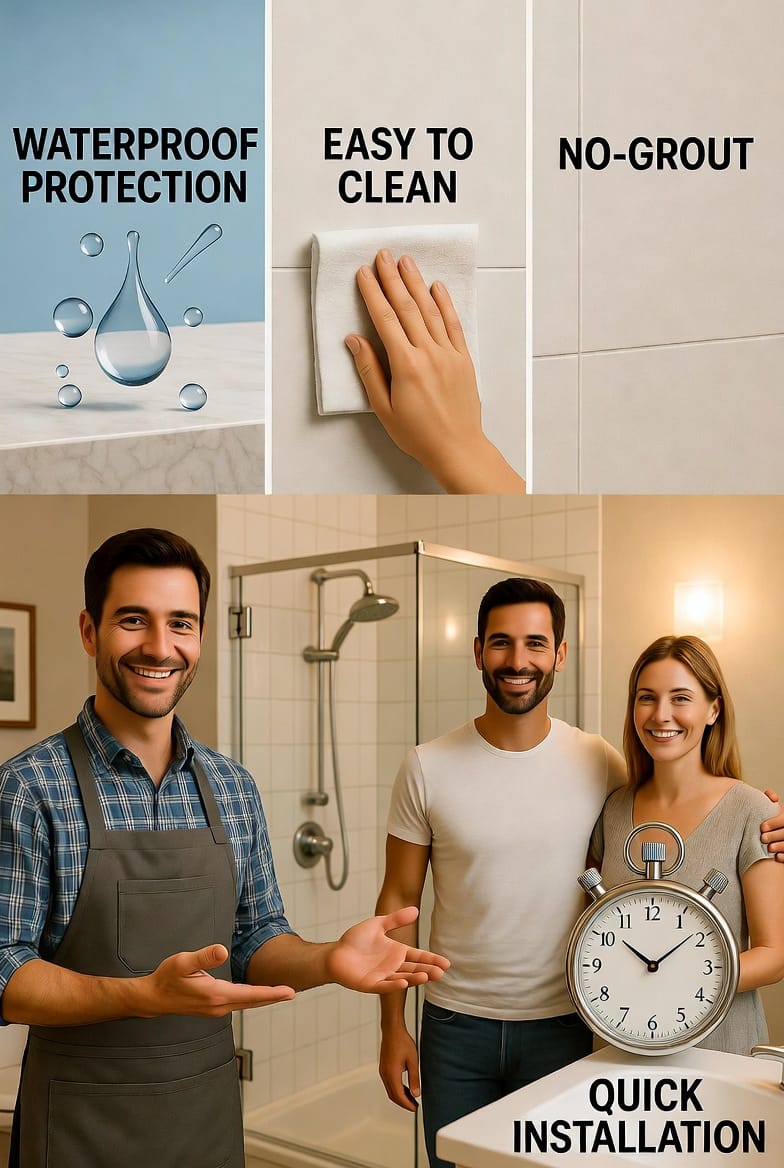
Regardless of material, the core advantages remain consistent: waterproof protection, easy install, elimination of grout, and rapid project completion. These qualities make panels the modern standard for both shower walls and full bathrooms.
When you are ready to upgrade your bathing space, choose waterproof wall panels for a reliable, beautiful, and low-maintenance solution. Speak with knowledgeable specialists who can recommend the best material and configuration for your home. Take the first step toward a bathroom that performs as impressively as it looks.
Transform Your Shower with Waterproof Panels – Call Now!