The Bathroom Wall Hung Toilet: Space-Saving and Modern
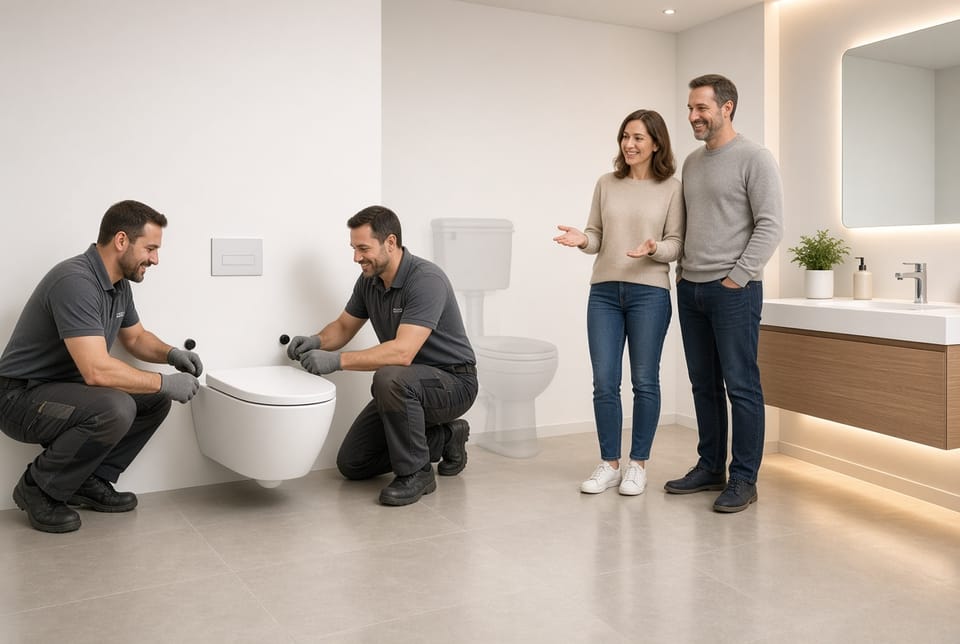
In today’s homes, every square foot matters. Homeowners constantly seek fixtures that combine practical performance with refined aesthetics. One solution that has risen to the forefront of bathroom design is the wall-hung toilet. Unlike traditional floor-mounted models, this fixture conceals its tank inside the wall, creating a clean, floating appearance that maximizes usable space and elevates the entire room.
Call Now for Space-Saving Bathroom Remodeling
This comprehensive guide explores exactly how a wall-hung toilet works, the precise installation requirements it demands, and the tangible benefits it delivers. Whether you are renovating a compact powder room or redesigning a spacious master suite, understanding these details will help you make a confident, informed decision.
Understanding the Wall-Hung Toilet Design
A wall-hung toilet consists of a ceramic bowl suspended from a reinforced wall structure. The flush tank and most of the plumbing are hidden behind the wall surface. Only the bowl, seat, and a discreet flush plate remain visible. This configuration produces a streamlined, modern silhouette that many designers and homeowners now prefer.
The absence of a visible base or tank immediately opens the floor area. Cleaning becomes simpler because there are no hard-to-reach corners around a pedestal. The overall look feels lighter and more architectural, aligning perfectly with contemporary and minimalist interiors.
Key components include:
- A sturdy in-wall carrier frame that supports the bowl and tank
- A dual-flush or single-flush mechanism operated by a wall-mounted plate
- Concealed supply and waste pipes routed through the frame
- Adjustable height settings so the bowl can be positioned for optimal comfort
Because the tank is fully enclosed, the bathroom gains a quieter, more polished atmosphere. The result is both functional and visually striking.
Why Space-Saving Matters in Modern Bathrooms
Floor space is one of the most valuable assets in any bathroom. Traditional toilets occupy a significant footprint and create visual bulk. A wall-hung model reclaims that area, making even modest rooms feel larger and more open.
In smaller powder rooms or urban apartments, the difference is dramatic. The continuous floor surface under the toilet enhances the perception of depth and allows for more flexible furniture placement or easier wheelchair access if needed. Larger master bathrooms also benefit: the floating design contributes to an uncluttered, spa-like environment that supports relaxation.
Space-saving advantages include:
- Continuous flooring that is easy to mop or vacuum
- Greater freedom for layout changes during future renovations
- Improved accessibility for users of all ages and mobility levels
- A cleaner visual line that pairs well with floating vanities and open shelving
These practical gains explain why architects and interior designers increasingly specify wall-hung toilets in both residential and commercial projects.
Installation Requirements: Support Frame and Wall Reinforcement
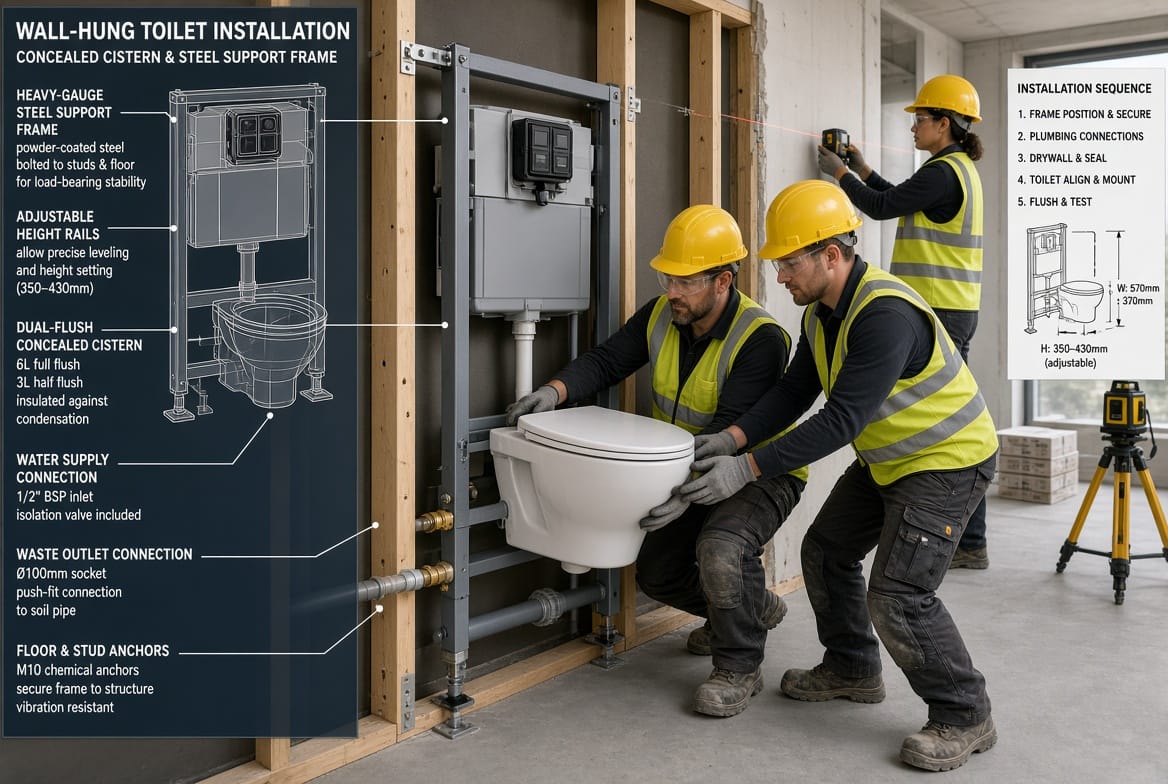
Proper installation is essential for long-term performance and safety. A wall-hung toilet relies on a specialized support frame (also called a carrier or in-wall tank system) that is securely anchored to the building structure.
The Role of the Support Frame
The frame is typically constructed from heavy-gauge steel and designed to bear the full weight of the toilet, water, and user. It includes:
- Vertical and horizontal rails that distribute load
- Mounting points for the ceramic bowl
- An integrated tank with flush valve and inlet
- Height-adjustment mechanisms
- Sound-dampening features to minimize noise
Once the frame is fixed in place, the wall is finished around it so only the flush plate and bowl connection points remain accessible.
Wall Reinforcement Essentials
Not every wall can support a wall-hung toilet without preparation. The framing must be capable of handling significant static and dynamic loads. In most cases this requires:
- Solid blocking or plywood reinforcement between studs
- Secure fastening of the carrier frame to floor and wall members
- Verification that the wall cavity is deep enough to house the tank
- Coordination with existing plumbing rough-ins for water supply and waste lines
Professional installers evaluate the wall structure before work begins. They may recommend additional bracing or a freestanding carrier system if the existing framing is insufficient. Correct reinforcement ensures the toilet remains stable for decades and prevents any risk of movement or failure.
Because the mechanical components are concealed, future access panels or service openings are planned during installation. This foresight keeps maintenance straightforward without compromising the finished look.
Step-by-Step Overview of a Typical Installation
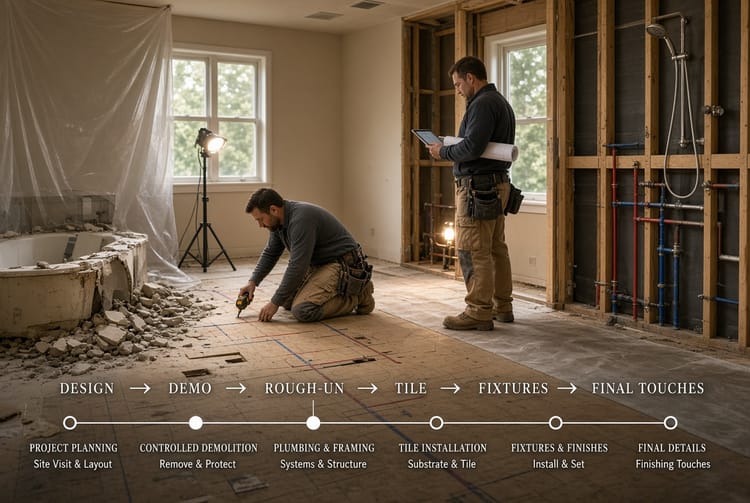
While exact procedures vary by manufacturer and site conditions, the general sequence follows these stages:
- Site assessment and framing preparation – Confirm wall strength and plan pipe routing.
- Carrier frame placement – Position and level the steel support, then secure it firmly.
- Plumbing connections – Attach water supply and waste outlet according to local codes.
- Wall finishing – Install drywall or tile around the frame, leaving openings for the flush plate and bowl anchors.
- Bowl mounting – Hang the ceramic bowl on the protruding bolts and tighten to the specified torque.
- Flush plate and final testing – Fit the actuator plate, check for leaks, and verify smooth operation.
Throughout the process, attention to alignment and waterproofing protects the investment and maintains warranty coverage. Experienced technicians complete these steps efficiently while respecting the surrounding finishes.
Core Benefits: Easy Cleaning, Modern Style, and Everyday Convenience
Beyond the space-saving profile, wall-hung toilets offer several everyday advantages that improve both hygiene and lifestyle.
Effortless Cleaning
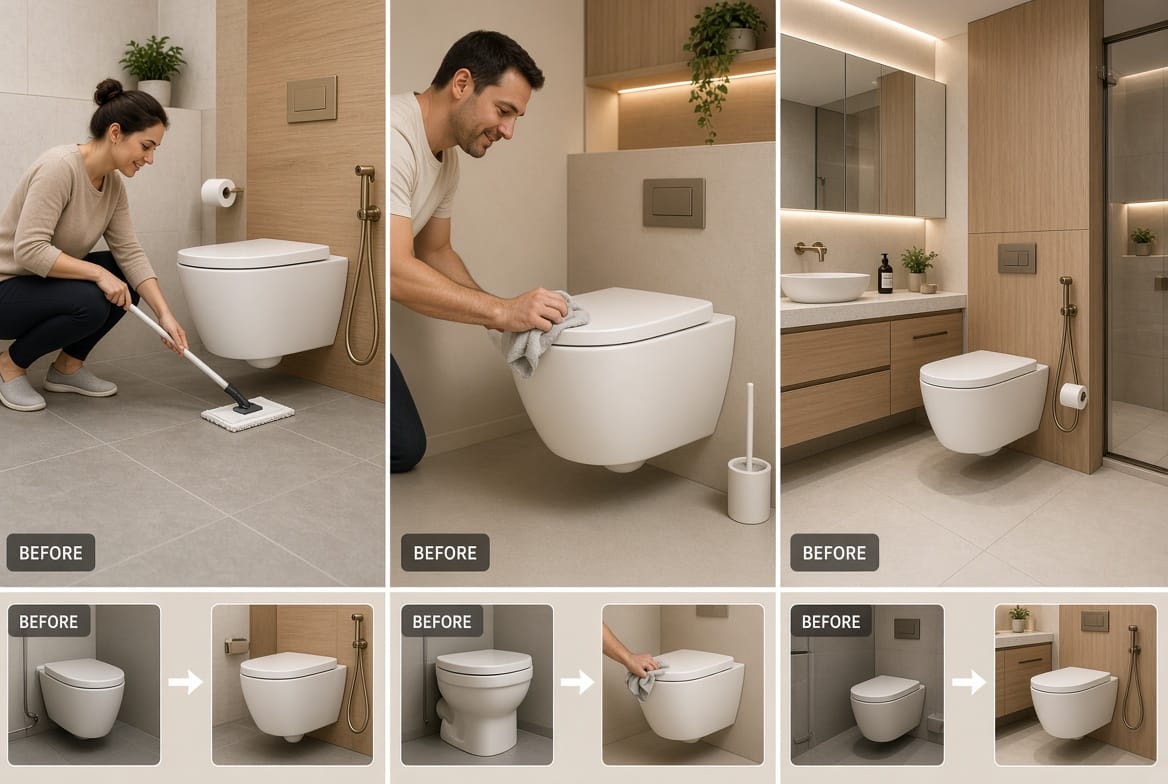
With no base resting on the floor, there are no crevices where dirt, hair, or moisture can accumulate. A simple wipe of the smooth underside and surrounding floor keeps the area pristine. Many models feature rimless or near-rimless bowl designs that further reduce cleaning time. The elevated position also makes it easier to reach every surface without awkward bending.
Contemporary Aesthetic Appeal
The floating silhouette instantly modernizes any bathroom. Designers appreciate the uninterrupted lines and the ability to coordinate the flush plate with other finishes—chrome, matte black, brushed nickel, or even custom colors. The result feels intentional and high-end, elevating the perceived value of the entire space.
Additional Practical Advantages
- Adjustable seat height for personalized comfort
- Quieter flush operation thanks to the insulated in-wall tank
- Dual-flush options that conserve water without sacrificing performance
- Compatibility with a wide range of seat styles and soft-close mechanisms
- Potential contribution to higher home resale appeal through updated design
These benefits combine to create a fixture that is as enjoyable to live with as it is to look at.
Selecting the Right Model for Your Home
Choosing a wall-hung toilet involves more than style preference. Consider these factors:
- Bowl shape and size – Round, elongated, or compact options suit different room dimensions.
- Flush technology – Look for efficient dual-flush systems that meet current water-conservation standards.
- Frame quality – Opt for robust carriers with proven load ratings and quiet operation.
- Flush plate design – Select a plate that complements existing hardware and is easy to operate.
- Warranty and serviceability – Reliable manufacturers provide clear access instructions and long-term parts availability.
Consulting product specifications and professional installers helps match the fixture to both your aesthetic goals and structural realities.
Maintenance and Longevity Considerations
Once installed correctly, a wall-hung toilet requires minimal upkeep. Regular cleaning of the bowl and flush plate is usually sufficient. The concealed tank is designed for durability, and most systems include accessible valves for occasional inspection.
Should service ever be needed, the removable flush plate grants entry to the tank components without disturbing the finished wall. This thoughtful engineering keeps long-term ownership straightforward and reassuring.
Addressing Common Concerns with Confidence
Some homeowners initially wonder about weight capacity or future repairs. Modern carrier frames are engineered to support well beyond typical household loads—often exceeding 400 pounds when properly installed. Professional reinforcement eliminates structural worries. Likewise, service access is deliberately planned so that maintenance remains practical rather than invasive.
These design features have been refined over years of real-world use, giving users peace of mind that the fixture will perform reliably for decades.
Integrating a Wall-Hung Toilet into Your Renovation Plan
Successful bathroom remodeling projects treat the wall-hung toilet as a central design element rather than an afterthought. Coordinate early with your contractor or plumber so that framing, plumbing rough-ins, and electrical needs (if any) are addressed together. Selecting matching finishes for the flush plate and other fixtures creates a cohesive, high-end result.
Many renovation teams appreciate the installation sequence because it allows flooring to run continuously beneath the toilet, simplifying tile or waterproofing work. The finished product then becomes a highlight of the completed space.
Looking Ahead: The Growing Preference for Floating Fixtures
As residential design continues to favor open, uncluttered interiors, the wall-hung toilet stands out as a smart, forward-looking choice. Its combination of space efficiency, hygienic simplicity, and architectural elegance aligns with the priorities of today’s homeowners. Whether the goal is a compact urban bathroom or a luxurious retreat, this fixture delivers measurable improvements in both function and form.
By understanding the design principles, installation requirements, and daily advantages, you can approach your project with clarity and confidence. The outcome is a bathroom that feels larger, cleaner, and more modern—exactly what contemporary living demands.
Ready to Transform Your Bathroom?
Upgrading to a wall-hung toilet is a practical step toward a more spacious and stylish bathroom. Professional installation ensures the support frame and wall reinforcement are handled correctly for lasting performance.
Transform Your Bathroom with a Wall-Hung Toilet – Call Now!