The Bathroom Slip Resistance: Tile DCOF Ratings Explained
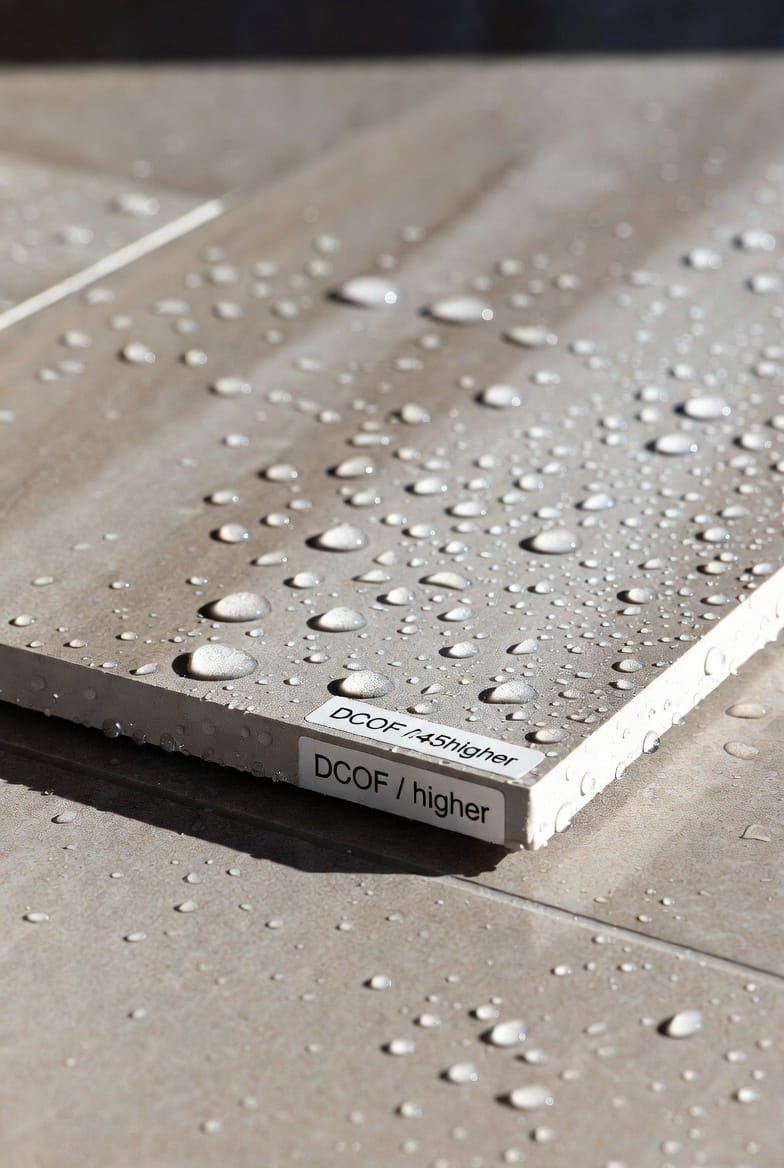
When designing or remodeling a bathroom, safety should never be compromised for style. Wet surfaces create one of the highest risks for slips and falls in the home, especially in bathrooms where water is constantly present. Understanding DCOF ratings (Dynamic Coefficient of Friction) is essential for selecting slip-resistant bathroom tiles that protect your family while delivering beautiful, long-lasting results.
Get Safe & Stylish Bathroom Tiles – Call Now!
At our bathroom remodeling service, we prioritize both aesthetics and safety. This comprehensive guide explains everything you need to know about DCOF ratings, how to choose the right tiles, and why this technical detail matters more than most homeowners realize.
What Does DCOF Mean and Why Should You Care?
DCOF stands for Dynamic Coefficient of Friction. It measures how much friction a tile surface provides when someone is walking across it — particularly when the surface is wet.
Unlike static friction (which measures starting movement), dynamic friction evaluates real-world conditions where feet are already in motion. This makes DCOF the industry standard for safety in wet areas like bathrooms, showers, and pool decks.
Key benefit: Higher DCOF ratings mean better traction and significantly reduced slip risk. This is especially important for children, elderly family members, and anyone with mobility concerns.
Bold fact: The bathroom is one of the most dangerous rooms in the house for falls. Proper slip-resistant tile selection can dramatically improve home safety without sacrificing design.
Industry Standards: What DCOF Rating Do You Need?
For level interior floors that are expected to get wet, the current industry recommendation is a minimum DCOF rating of 0.42.
- 0.42+: Suitable for most residential bathroom floors
- 0.50+: Highly recommended for shower floors and high-traffic wet areas
- 0.60+: Ideal for commercial applications or homes with specific safety needs
These ratings are determined through standardized testing methods that simulate real-world walking conditions. When selecting tiles, always ask your supplier or contractor for the wet DCOF rating — never assume dry ratings apply to bathroom environments.
Pro tip: Tiles marketed as "slip-resistant" should clearly display their DCOF rating. If a manufacturer cannot provide this information, consider it a red flag.
How DCOF Testing Works
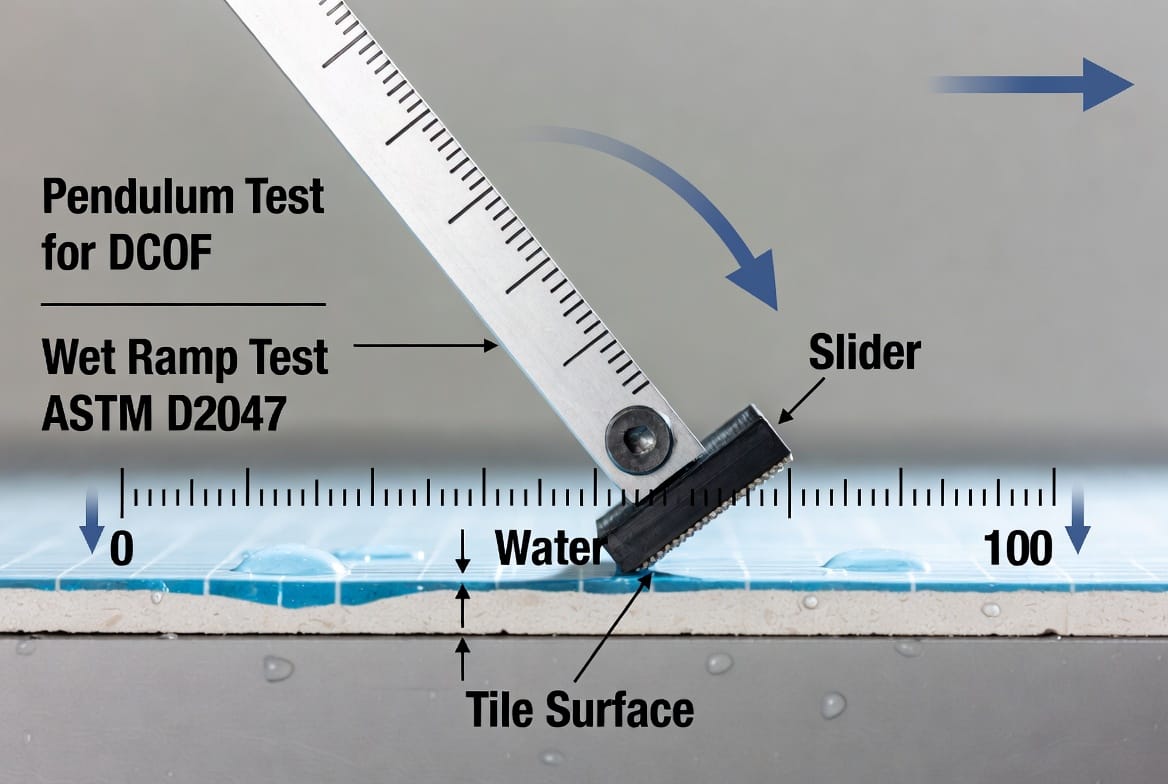
Understanding the testing process helps you make informed decisions. The most common method is the pendulum test, which uses a swinging arm with a standardized rubber slider that mimics a shoe sole moving across a wet surface. The results give a precise friction value that translates directly to safety performance.
Other testing methods exist, but the pendulum test remains widely respected for its reliability in wet conditions.
Choosing Safe and Beautiful Bathroom Tiles
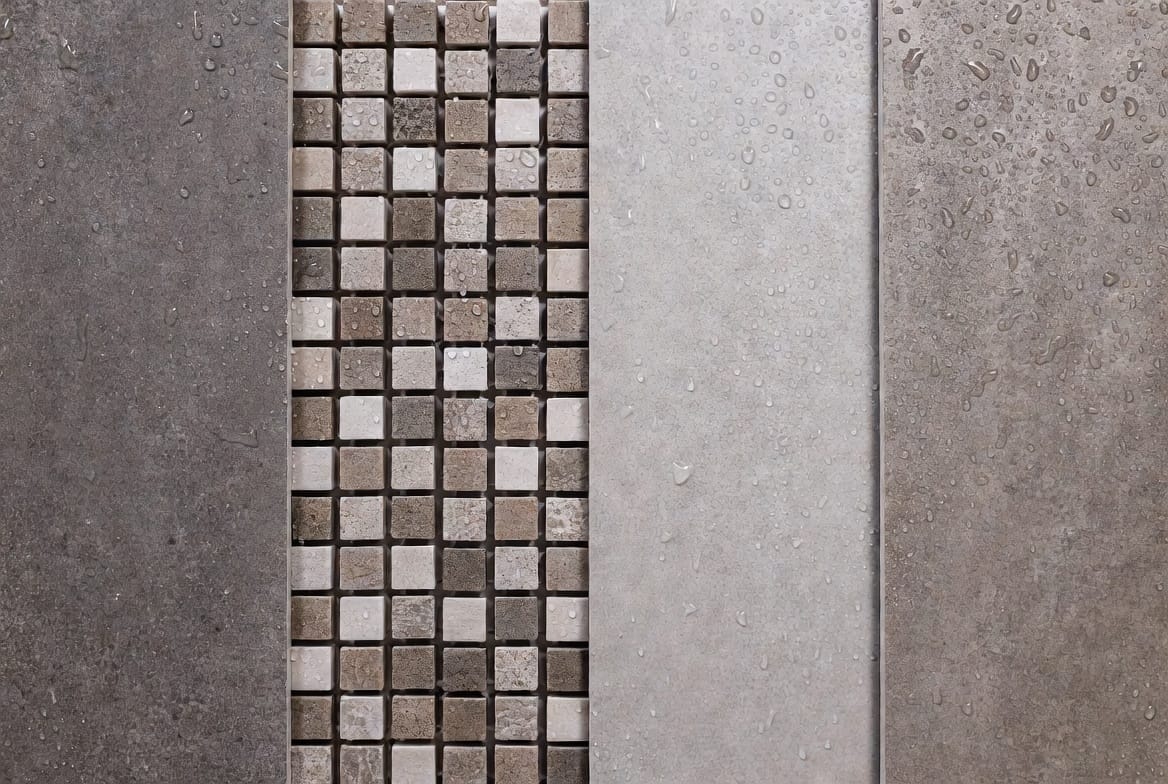
Types of Slip-Resistant Tiles Worth Considering
Several tile characteristics naturally improve DCOF ratings while maintaining modern appeal:
- Matte Finish Porcelain Tiles: These provide excellent traction without looking dull. The subtle texture creates friction while offering a contemporary look.
- Textured Surface Tiles: Micro-textures or light sanding create grip that works beautifully with water.
- Small Mosaic Tiles: The grout lines in mosaics add natural slip resistance while allowing creative patterns and designs.
- Porcelain Tiles with Added Grit: Engineered with fine particles for enhanced traction, these maintain a premium appearance.
- Natural Stone Look Tiles: Many modern porcelain collections replicate stone texture with superior safety performance.
Important reminder: Glossy tiles, while visually striking, typically have lower DCOF ratings and are not recommended for main bathroom floors or shower areas.
Common Mistakes Homeowners Make with Bathroom Tile Selection
Many homeowners focus exclusively on color and pattern, overlooking safety specifications. Here are frequent pitfalls to avoid:
- Choosing highly polished tiles for wet areas based on showroom appearance
- Assuming all "porcelain" tiles are automatically slip-resistant
- Ignoring DCOF ratings when comparing similar-looking options
- Forgetting that shower floors need higher ratings than general flooring
Our experienced team helps clients avoid these mistakes by balancing safety requirements with their design vision.
Benefits of Prioritizing Slip Resistance in Your Bathroom Remodel
Investing in proper DCOF-rated tiles delivers multiple advantages:
- Enhanced Family Safety: Peace of mind knowing your bathroom floors provide reliable traction
- Reduced Liability: Especially important for households with seniors or young children
- Long-term Durability: Many high-DCOF tiles are also highly resistant to wear and staining
- Design Flexibility: Today's manufacturers offer numerous stylish options that meet strict safety standards
- Increased Home Value: Safe, well-designed bathrooms appeal to future buyers
Reassuring note: You don't have to choose between beauty and safety. With the right guidance, you can have both in perfect harmony.
Installation Considerations for Maximum Safety
Even the best slip-resistant tiles require proper installation to perform effectively:
- Ensure level substrate preparation
- Use recommended grout that maintains proper joint spacing
- Follow manufacturer guidelines for slope in shower areas
- Consider professional installation to maintain warranty and performance
Proper installation preserves the DCOF rating throughout the tile's lifespan.
Maintenance Tips to Preserve Slip Resistance
High-quality slip-resistant tiles are relatively low-maintenance, but a few habits help maintain their performance:
- Regular cleaning with non-acidic cleaners to prevent buildup
- Avoid harsh chemicals that could smooth textured surfaces over time
- Address any grout issues promptly to maintain proper water drainage
- Periodic professional deep cleaning for high-traffic bathrooms
With proper care, your slip-resistant bathroom tiles will continue providing safety and beauty for decades.
Real-World Impact: Safety Statistics That Matter
Falls in the bathroom are surprisingly common, particularly among older adults. The proper selection of tiles with adequate DCOF ratings represents one of the most effective preventive measures available during a bathroom remodel.
By choosing tiles with documented safety ratings, you're making a proactive decision that protects those you love most.
Finding the Right Balance: Style and Safety
Modern bathroom design celebrates both aesthetic appeal and practical safety. Today's tile collections prove that these goals are not mutually exclusive.
Whether you prefer minimalist designs, spa-like luxury, or classic elegance, there are DCOF-rated tiles available to match your vision perfectly.
Ready to Create a Safer, More Beautiful Bathroom?
Don't leave safety to chance. When planning your bathroom remodeling project, make DCOF ratings a key part of your decision-making process.
Choose tile that is beautiful AND safe.
Our team of experts is ready to help you navigate tile selections, DCOF specifications, and complete bathroom transformations that prioritize both style and protection.
We believe every bathroom should be a sanctuary — safe, stylish, and built to last.
Protect Your Family with Safe Bathroom Flooring – Call Now