The Bathroom Shower Pan: Leak Testing Before Tiling
In any high-quality bathroom remodeling project, few steps carry as much long-term importance as verifying the integrity of the shower pan before a single tile is set. This waterproof base forms the foundation of your shower enclosure, and skipping or rushing its leak testing can turn a beautiful renovation into a costly nightmare of hidden water damage. When performed correctly, the process delivers peace of mind and protects your investment for decades.
Never Skip Shower Pan Leak Testing – Call Now!
A properly tested shower pan ensures that water stays exactly where it belongs—inside the shower—rather than seeping into subfloors, wall cavities, or neighboring rooms. Homeowners who understand this critical checkpoint approach their remodel with confidence, knowing that professional attention to detail prevents future repairs and preserves property value.
What Exactly Is a Shower Pan?
The shower pan is the waterproof base or floor of the shower that sits beneath the finished surface. Whether constructed from preformed acrylic, fiberglass, or a custom mortar bed lined with a flexible membrane, its primary job is to collect water and direct it safely toward the drain.
Unlike ordinary flooring, a shower pan must remain completely impermeable under constant exposure to moisture, soap residue, and temperature changes. Modern systems often include integrated slopes, reinforced edges, and compatible drain assemblies that work together as a single waterproof unit.
When installed correctly, the pan creates a sealed “bathtub” effect at the bottom of the shower. Any failure at this level allows water to migrate sideways or downward, leading to swollen subfloors, mold growth, and structural weakening that may remain invisible for months or years. That is why the industry treats the shower pan as the single most critical waterproofing element in the entire wet area.
Why Leak Testing Cannot Be Optional
Leak testing confirms that the shower pan and its drain connection will hold water without seepage before irreversible layers of thinset, tile, and grout are applied. Once tiling begins, access to the pan becomes extremely limited; any later discovery of a leak typically requires demolition of finished surfaces, adding weeks of delay and thousands of dollars in extra cost.
Imagine completing a luxurious marble shower only to notice soft spots in the adjacent hallway six months later. Tracing the source almost always leads back to an untested pan. By contrast, a successful leak test provides documented proof that the foundation is sound, allowing the rest of the project to proceed with certainty.
Professional remodelers treat this step as non-negotiable because water damage is progressive and expensive. Early detection through leak testing protects not only the bathroom itself but also the structural framing, insulation, and living spaces below or beside it. Homeowners who insist on this verification gain the reassurance that their remodel meets the highest standards of durability and craftsmanship.
The Proven Method for Leak Testing a Shower Pan
The procedure itself is straightforward yet must be executed with precision and patience. Here is the exact sequence followed by experienced teams:
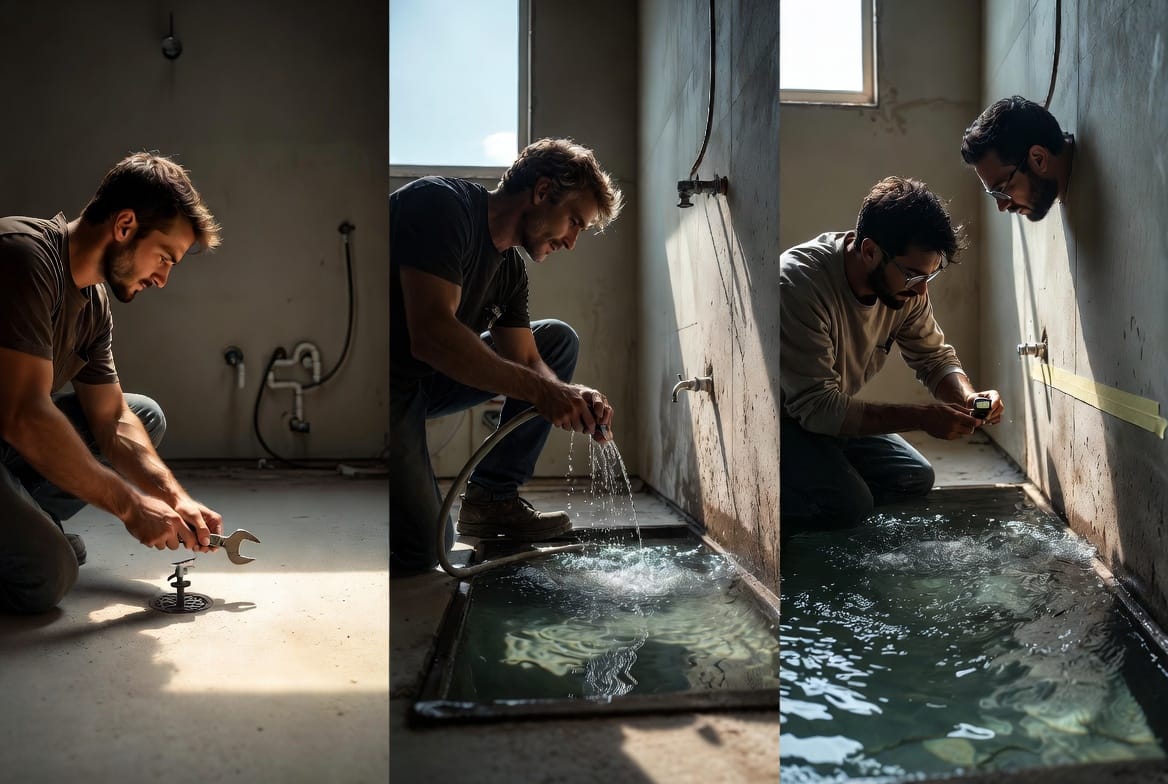
- Plug the drain securely using a mechanical test plug or expandable stopper that creates an airtight seal.
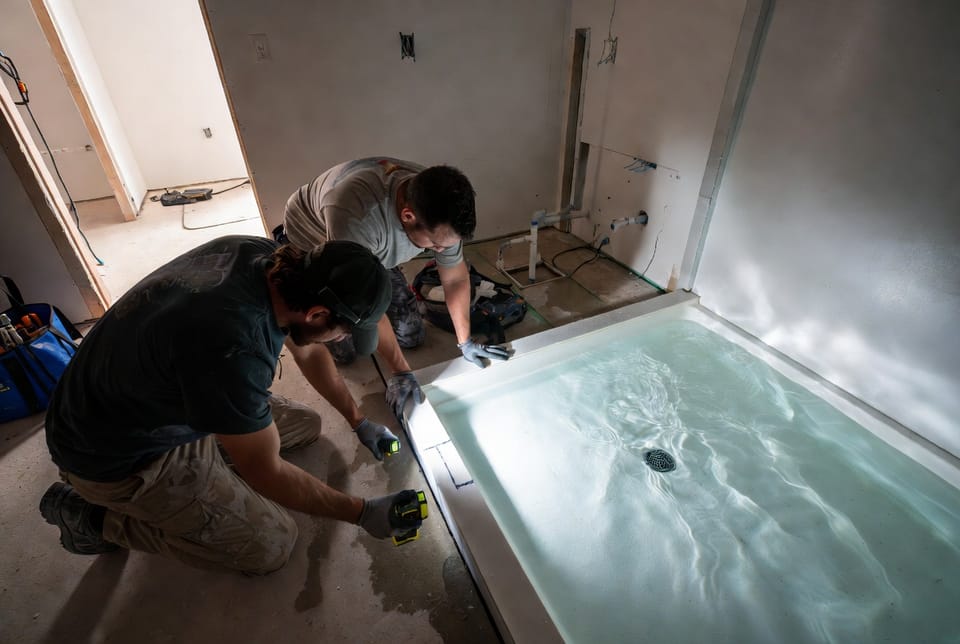
- Fill the pan with water to a depth of at least two inches above the highest point of the pan floor, ensuring the water covers all seams and the drain flange.
- Mark the water level clearly on the side of the pan or with a piece of tape so any drop can be measured accurately.
- Wait a full 24 hours while periodically checking for visible seepage around the perimeter, under the pan (if accessible), and at the drain connection.
Throughout the waiting period the water surface should remain stable. A drop of more than one-eighth of an inch usually indicates a problem that must be corrected before proceeding. Temperature fluctuations and evaporation are accounted for by comparing the marked level against ambient conditions.
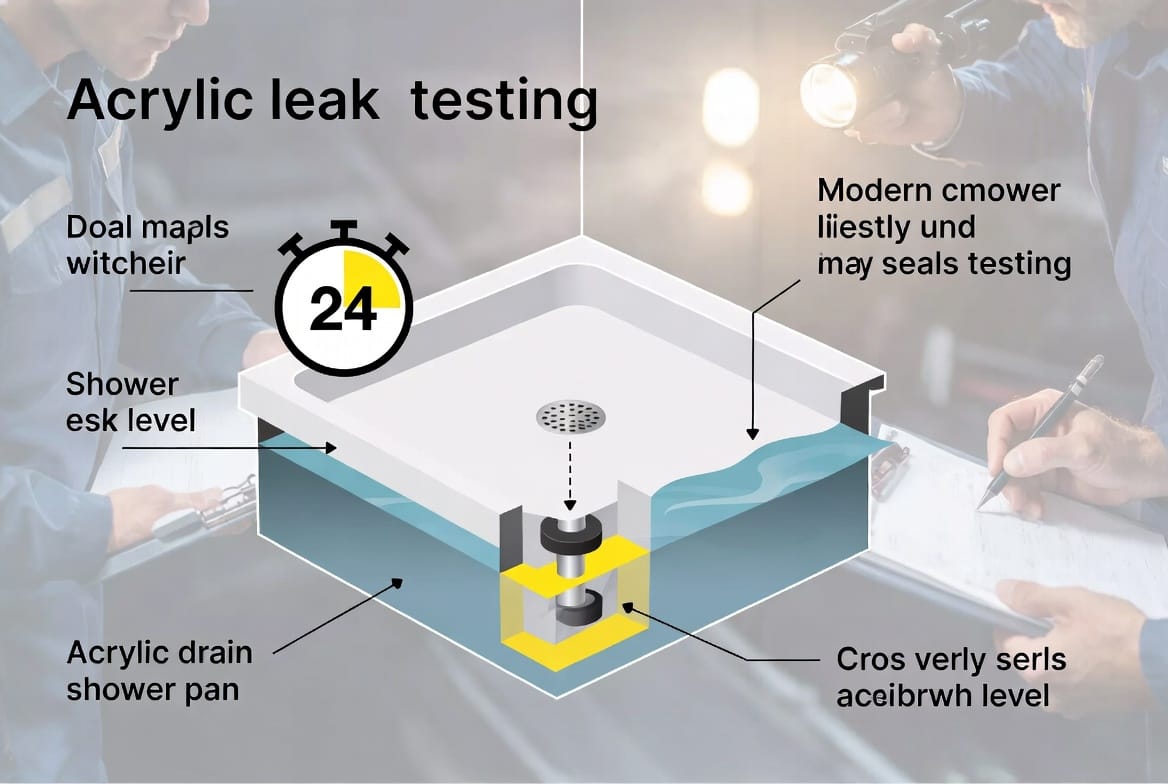
When the test is complete and no loss of water is observed, the pan is drained and dried thoroughly so tiling can begin on a verified waterproof base. Any detected leak is addressed immediately—whether by resealing the membrane, adjusting the drain assembly, or reinforcing a seam—before the 24-hour cycle is repeated. This disciplined approach eliminates guesswork and guarantees performance.
Consequences of Skipping the Leak Test
Omitting leak testing introduces risks that compound over time. Water that escapes the pan can saturate the plywood or concrete subfloor, causing it to swell, delaminate, or develop soft spots. In wood-frame homes the moisture often migrates into wall studs and insulation, creating ideal conditions for mold colonies that compromise indoor air quality and require professional remediation.
Beneath the surface, continuous seepage may corrode metal fasteners, weaken structural joists, and eventually affect ceilings or flooring in rooms below. Repair costs frequently exceed the original remodeling budget because finished tile, waterproofing membranes, and surrounding drywall must all be removed to reach the failed pan. Insurance claims related to gradual water intrusion are commonly denied, leaving the homeowner fully responsible.
Beyond financial impact, the disruption to daily life is significant. A bathroom that should have delivered years of trouble-free service instead becomes a source of ongoing anxiety and repeated construction. The simple act of filling the pan and waiting one day prevents these cascading problems and preserves both the beauty and the integrity of the finished space.
Additional Best Practices That Strengthen Results
Experienced crews combine the basic leak test with complementary checks. They verify that the pan slope directs water correctly toward the drain, confirm that the clamping ring or flange is properly torqued, and ensure the waterproofing membrane extends sufficiently up the walls. Lighting the area thoroughly and using a moisture meter along the exterior edges further increases confidence.
Documentation is equally important. Photographs of the filled pan, the marked waterline, and the final empty pan create a permanent record that can be shared with the homeowner and retained for future reference. This transparency builds trust and demonstrates that every critical detail received professional attention.
Temperature and humidity in the work area should remain relatively stable during the test period so evaporation does not mask a minor leak. When conditions vary widely, an additional measurement at the twelve-hour mark helps distinguish true seepage from natural water loss.
How Professional Teams Integrate Leak Testing into the Larger Project
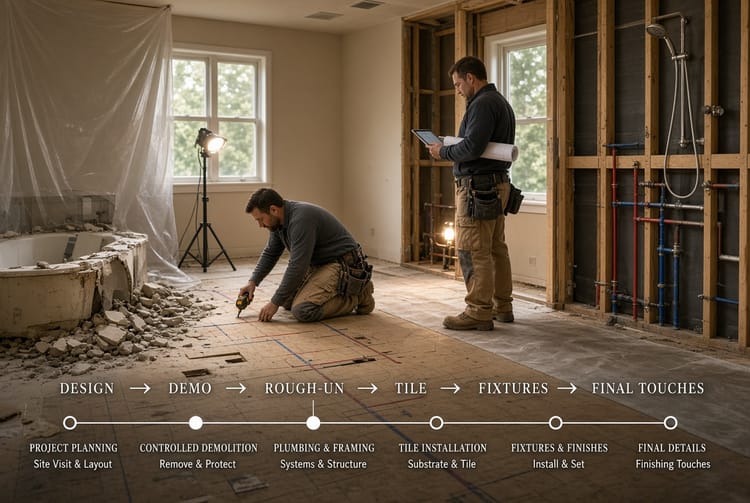
In a well-managed bathroom remodel the shower pan installation and subsequent leak testing occur after the rough plumbing and framing are complete but before any wallboard or finish materials are applied. This sequencing keeps the area accessible and allows rapid correction if needed. Coordination with the plumber ensures the drain assembly is compatible with the chosen pan system and that the trap is properly vented.
Once the test passes, the project moves forward to waterproofing the walls, installing the shower curb, and finally setting tile. Each subsequent layer builds upon the verified foundation, resulting in a cohesive, high-performance wet area. Homeowners who observe this methodical process gain a deeper appreciation for the craftsmanship involved and feel reassured that their investment is protected at every stage.
Long-Term Benefits of a Successfully Tested Shower Pan
A shower pan that has passed a rigorous 24-hour leak test delivers quiet confidence every time the shower is used. Water flows predictably to the drain, the surrounding structure remains dry, and the finished surfaces stay beautiful for decades. Resale value is enhanced because prospective buyers recognize the signs of quality construction, including documented waterproofing steps.
Maintenance remains simple: regular cleaning of the drain and occasional inspection of the caulk lines are usually all that is required. The absence of hidden moisture also protects indoor air quality, reducing the likelihood of musty odors or allergic reactions associated with mold. In short, the modest time invested in leak testing yields outsized returns in durability, comfort, and peace of mind.
Common Misconceptions and How to Avoid Them
Some homeowners believe that modern preformed pans are “leak-proof by design” and therefore need no testing. While quality products are engineered for reliability, installation variables—sealant application, drain alignment, or substrate irregularities—can still create vulnerabilities. Others assume that a visual inspection of the dry pan is sufficient. Only standing water under controlled conditions reveals microscopic gaps or incomplete bonds.
Another frequent misconception is that a shorter test period of a few hours is adequate. Industry experience shows that slow seepage often becomes apparent only after many hours; the full 24-hour window is essential. By understanding and rejecting these myths, both professionals and homeowners ensure the highest standard of protection.
Preparing for the Test Day
Before the leak test begins, the work area is cleared of debris, the pan is thoroughly cleaned, and all tools are staged within easy reach. The test plug is selected for the specific drain size, and a reliable measuring method—whether a permanent marker or painter’s tape—is chosen for the waterline. Communication with the homeowner about the timing helps set expectations and prevents accidental disturbance of the filled pan.
When everything is ready, the team proceeds methodically, double-checking each step. This deliberate preparation transforms a potentially stressful checkpoint into a routine demonstration of competence and care.
Final Thoughts on Protecting Your Bathroom Investment
The shower pan is far more than a simple base; it is the waterproof heart of your shower. Taking the time to perform a complete leak test—plugging the drain, filling the pan, marking the level, and waiting a full day—eliminates the most common cause of post-remodel water damage. The process is simple, the tools are basic, and the protection it provides is permanent.
Never skip shower pan leak testing. Schedule a consultation with professionals who treat this critical step with the seriousness it deserves. Your bathroom will remain beautiful, functional, and dry for years to come when the foundation is verified before tiling begins.
Protect Your Bathroom – Schedule Leak Test Today