The Bamboo Flooring Grade: Strand-Woven vs. Traditional
Choosing the right bamboo flooring for your home is more than a style decision—it is an investment in long-term performance, comfort, and value. Among the many options available today, two primary grades stand out: strand-woven bamboo and traditional bamboo. Understanding the differences between these grades empowers you to select the flooring that best matches your lifestyle, traffic levels, and budget. This comprehensive guide explores how each type is manufactured, how they perform under real-world conditions, and which applications suit them best—so you can move forward with complete confidence.
Call Now for Durable, Long-Lasting Bamboo Floors
Bamboo has earned its reputation as a sustainable, elegant alternative to hardwood. Yet not all bamboo floors are created equal. The grade of bamboo flooring—specifically whether it is strand-woven or traditional—determines hardness, durability, cost, and suitability for different rooms. By the end of this article you will know exactly when to choose the exceptionally hard strand-woven option and when the softer, more economical traditional style is the smarter fit.
Understanding Traditional Bamboo Flooring
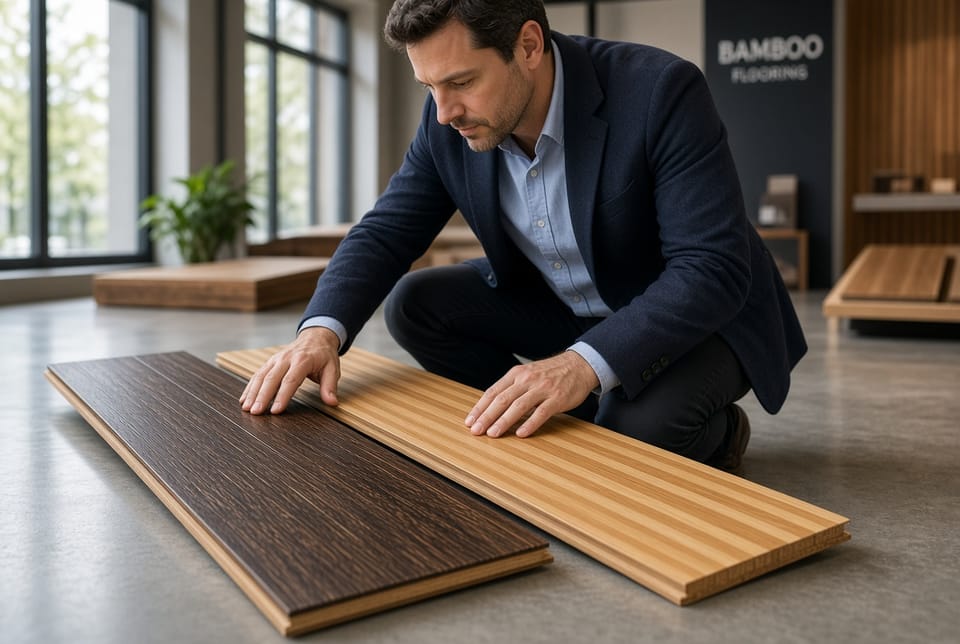
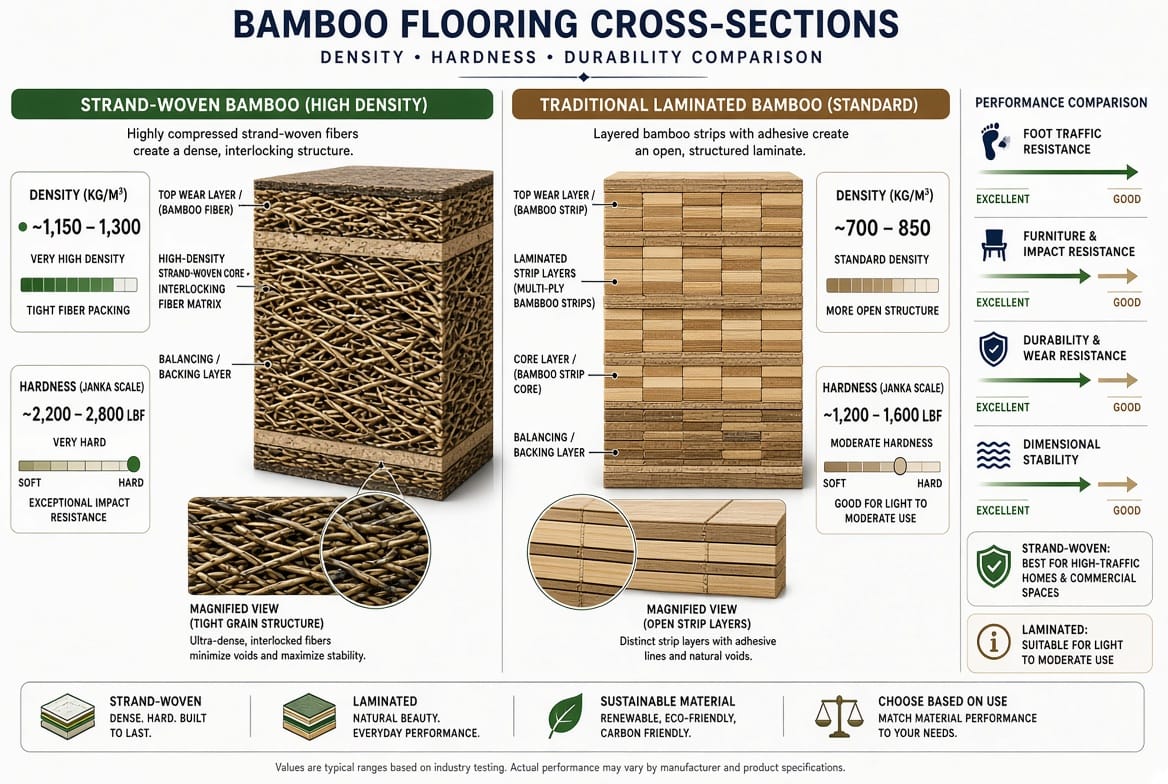
Traditional bamboo flooring, sometimes called horizontal or vertical grain bamboo, is created by slicing mature bamboo culms into thin strips. These strips are arranged either flat (horizontal) or on edge (vertical), then laminated together under moderate pressure with adhesive. The result is a flooring plank that retains much of the natural beauty and linear grain pattern of the plant.
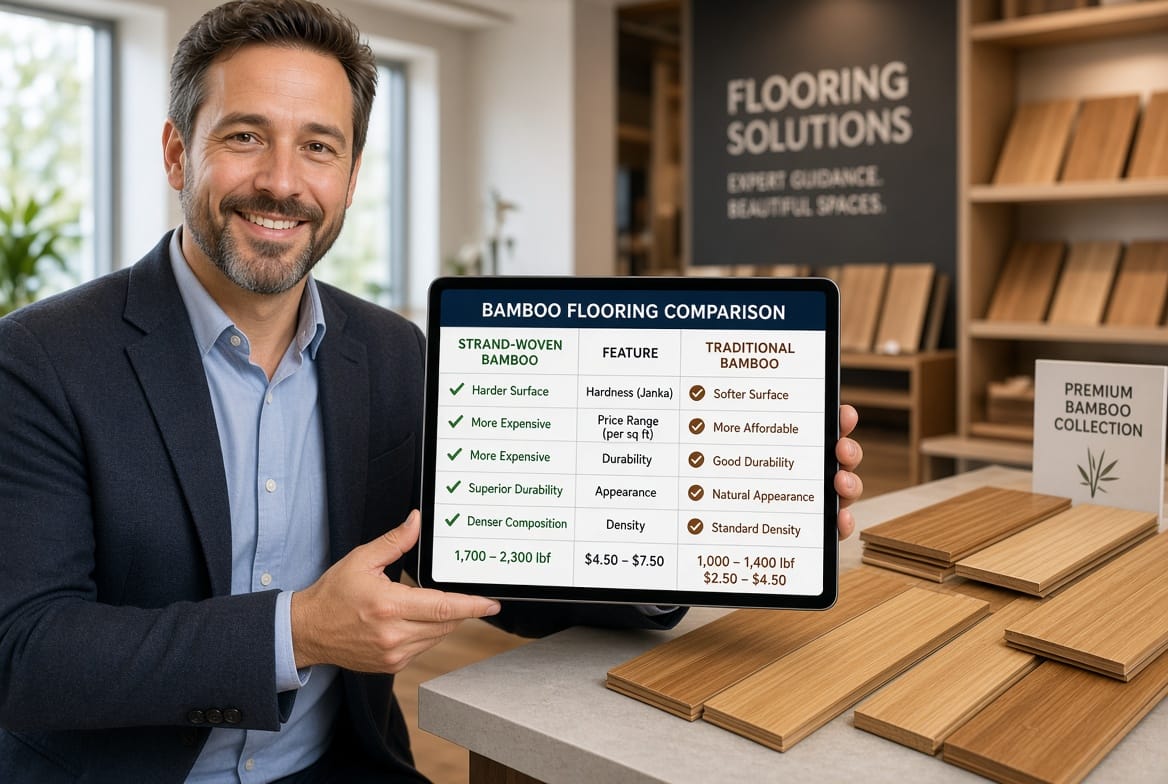
Because the manufacturing process applies less compression, traditional bamboo remains relatively soft compared with denser alternatives. On the Janka hardness scale it typically measures between 1,100 and 1,400 pounds-force. This softness translates into a warmer, more forgiving surface underfoot, yet it also means the floor is more susceptible to dents, scratches, and wear in high-traffic areas.
Key characteristics of traditional bamboo include:
- Natural, open grain appearance that many homeowners find visually appealing
- Lower material and installation cost
- Greater vulnerability to surface damage from heavy furniture or active households
- Excellent dimensional stability when properly acclimated
Traditional bamboo shines in low- to moderate-traffic spaces where aesthetics and affordability take priority. Bedrooms, guest rooms, formal living areas, and upper-level spaces often benefit from its softer feel and attractive strip patterning. Homeowners who prefer a lighter color palette and a more “organic” look frequently select this grade.
The Science Behind Strand-Woven Bamboo
Strand-woven bamboo represents a significant advancement in manufacturing technology. Instead of simply laminating whole strips, the bamboo is shredded into long, thin strands. These strands are then impregnated with resin and compressed under extreme heat and pressure—often exceeding 2,000 pounds per square inch. The intense compression creates a dense, interlocking matrix that dramatically increases hardness and stability.
The resulting planks routinely achieve Janka hardness ratings of 2,500 to 5,000 or higher—frequently surpassing many traditional hardwoods, including white oak and maple. This extreme density makes strand-woven bamboo remarkably resistant to scratches, dents, and everyday wear. The surface remains tighter and more uniform, offering a sleek, contemporary appearance that many modern interiors demand.
Because the material is so thoroughly compressed, strand-woven flooring also exhibits superior resistance to moisture expansion and contraction when installed correctly. While no bamboo floor is completely waterproof, the denser structure of the strand-woven grade provides an extra margin of protection in climate-controlled environments.
Side-by-Side Performance Comparison
When evaluating bamboo flooring grades, several performance factors deserve careful attention:
- Hardness and Durability
Strand-woven bamboo delivers outstanding resistance to impact and abrasion. Traditional bamboo, while serviceable, requires more careful use in active homes. - Scratch and Dent Resistance
High-traffic hallways, kitchens, and family rooms favor the denser strand-woven option. Softer traditional planks show wear more readily under pet claws, children’s toys, or frequent foot traffic. - Cost Considerations
Traditional bamboo remains the more budget-friendly choice for larger installations or secondary spaces. Strand-woven commands a higher price because of the intensive manufacturing process and superior performance. - Aesthetic Options
Both grades accept a wide range of stains and finishes. Traditional bamboo often displays more pronounced strip lines, while strand-woven presents a tighter, more uniform grain. - Installation and Maintenance
Both can be installed as floating floors, glue-down, or nail-down systems. Maintenance routines—regular sweeping, occasional damp mopping with pH-neutral cleaners, and prompt cleanup of spills—are similar, though the harder surface of strand-woven tends to hide minor imperfections longer.
Ideal Applications for Each Grade
Selecting the appropriate bamboo flooring grade begins with an honest assessment of how each room will be used.
Strand-woven bamboo is the preferred solution for:
- High-traffic entryways and hallways
- Busy kitchens and open-concept living areas
- Homes with active children or pets
- Commercial or multi-family spaces requiring long-term durability
- Areas where furniture is frequently rearranged
Its exceptional hardness protects against the daily challenges of modern living while still offering the warm, natural character that bamboo is known for.
Traditional bamboo performs best in:
- Master bedrooms and guest suites
- Formal dining rooms with limited foot traffic
- Home offices or libraries
- Upper-story rooms where noise reduction and softer underfoot feel are valued
- Budget-conscious renovations covering large square footage
In these lower-stress environments the softer surface remains attractive for decades with proper care, and the cost savings can be redirected toward complementary design elements.
Many homeowners successfully combine both grades within a single residence—using strand-woven in primary living zones and traditional bamboo in private or less-used spaces—to achieve an optimal balance of performance and value.
Manufacturing Quality and Long-Term Value
The manufacturing standards behind each grade directly influence performance. Reputable producers of strand-woven bamboo carefully control strand orientation, resin content, and pressing parameters to achieve consistent density throughout the plank. Lower-quality versions may exhibit uneven hardness or premature surface wear. Similarly, traditional bamboo benefits from precise moisture content control during lamination to minimize future cupping or gapping.
When evaluating products, look for:
- Clear Janka hardness ratings
- Formaldehyde emission certifications (preferably CARB Phase 2 or comparable)
- Warranty coverage that reflects the intended use of each grade
- Consistent plank thickness and milling accuracy
Investing in a higher-grade strand-woven product for demanding areas often yields lower lifetime costs because refinishing or replacement cycles are extended. Conversely, selecting traditional bamboo for protected rooms avoids over-engineering and unnecessary expense.
Installation Considerations and Professional Best Practices
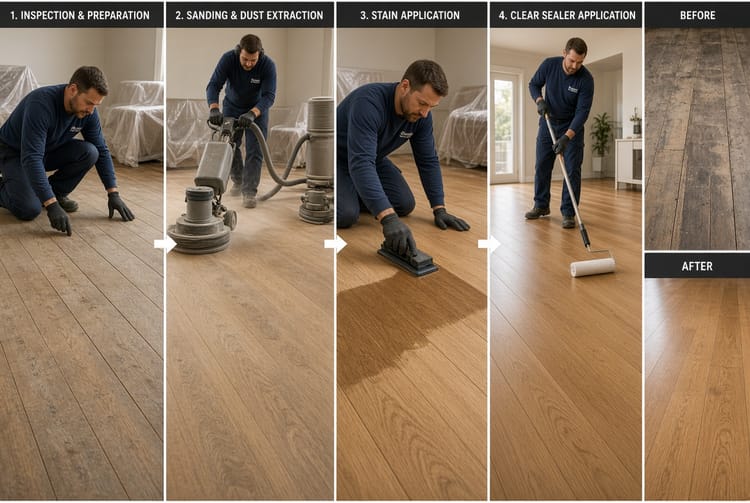
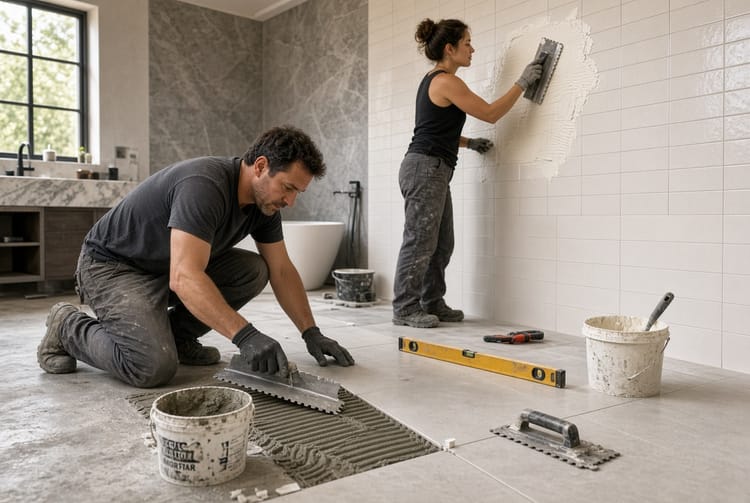
Proper installation is critical for both grades. Bamboo is a hygroscopic material that responds to changes in humidity. Acclimation of the flooring to the job-site environment for several days is essential. Subfloor preparation must ensure a flat, clean, and dry surface. Moisture barriers and appropriate underlayments further protect the investment.
Professional installers experienced with bamboo flooring understand the subtle differences in working with denser strand-woven planks versus more flexible traditional strips. They select the correct adhesive or floating-floor system, account for expansion gaps, and ensure transitions to other flooring types remain smooth and secure.
Homeowners who choose professional installation gain peace of mind knowing that the floor will perform as designed for many years. DIY installation is possible for experienced individuals, yet the precision required—especially with harder strand-woven material—often makes expert assistance the wiser choice.
Maintenance Strategies That Preserve Beauty
Regardless of grade, consistent care maximizes longevity. Daily or weekly sweeping or vacuuming with a soft-bristle attachment removes grit that can abrade the finish. Occasional damp mopping with a cleaner formulated for bamboo or hardwood keeps the surface fresh. Avoid excessive water, steam mops, and harsh chemicals.
Felt pads under furniture legs, entryway mats, and protective mats under rolling chairs further reduce the risk of damage. In households with pets, regular nail trimming and designated pet pathways help protect softer traditional bamboo. The denser surface of strand-woven flooring naturally tolerates more activity before showing signs of wear.
With these simple habits, both grades retain their original beauty and structural integrity for decades.
Environmental Advantages Shared by Both Grades
Bamboo itself is one of the most rapidly renewable resources available. Mature stalks can be harvested in three to five years without killing the plant, allowing continuous regrowth. Both strand-woven and traditional manufacturing processes utilize this renewable resource efficiently. When sourced from responsibly managed plantations and finished with low-VOC materials, bamboo flooring contributes positively to indoor air quality and overall sustainability goals.
Homeowners seeking green building certifications or simply preferring environmentally conscious materials find both grades attractive. The denser strand-woven product often requires less frequent replacement, further reducing long-term resource consumption.
Making the Final Decision with Confidence
The choice between strand-woven and traditional bamboo flooring ultimately rests on three practical questions:
- How much foot traffic and potential impact will the floor experience?
- What is the available budget for the project?
- Which aesthetic—tighter contemporary grain or more open natural strip pattern—best complements the interior design?
Answering these questions honestly leads to a flooring solution that performs beautifully for years. Many families discover that a combination of both grades delivers the ideal balance of durability where it is needed most and cost efficiency elsewhere.
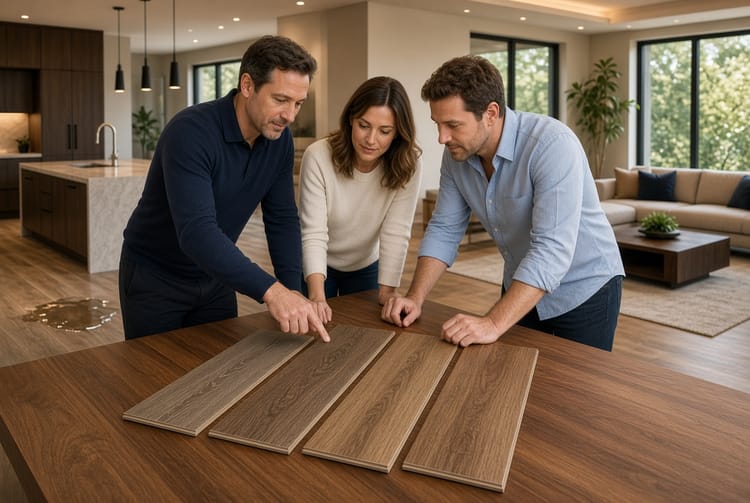
Professional consultation remains the most reliable way to confirm the right selection for your specific home. Experienced advisors can review room-by-room traffic patterns, examine existing subfloors, and present actual samples of both grades under realistic lighting conditions.
Your Next Step Toward Beautiful, Lasting Floors
Bamboo flooring offers a compelling blend of sustainability, style, and performance—provided the correct grade is chosen for each application. Strand-woven bamboo delivers exceptional hardness and longevity for active living spaces, while traditional bamboo provides an attractive, budget-conscious solution for quieter areas. By understanding the manufacturing differences, performance characteristics, and ideal uses of each, you position yourself to enjoy floors that look outstanding and function reliably for decades.
Choose the right bamboo for your home. Speak with knowledgeable professionals who can guide you through sample selection, accurate measurements, and installation options tailored to your lifestyle.
Call Today to Match the Right Bamboo to Your Home