The Ash Flooring Finishes: Natural, Light, and Modern

Ash flooring has quietly become one of the most sought-after choices for homeowners and designers who want light, airy interiors without sacrificing character. Its pale base tone and dramatic grain pattern create an instant sense of openness, while the wood itself accepts a wide range of finishes with remarkable clarity. Whether you prefer the pure honesty of a natural look, the soft brightness of a white-washed surface, or the cool sophistication of a gray tone, ash delivers results that feel both timeless and thoroughly modern.
Get Expert Ash Flooring Finish Options – Call Now!
In this guide we explore exactly how ash takes finishes, why its light color and bold grain make it ideal for contemporary spaces, and which finishing options produce the cleanest, most durable results. You will leave with a clear understanding of the process and the confidence to choose the finish that best matches your vision.
Why Ash Stands Out in Contemporary Design
Ash belongs to the same family as oak yet offers a noticeably lighter palette and a more open, flowing grain. The wood’s natural color ranges from creamy white to soft honey, giving designers a neutral canvas that never feels heavy. When light hits the surface, the grain becomes a living texture—long, elegant lines that add movement without visual clutter.
This combination of light color and bold grain explains ash’s rising popularity in modern interiors. Open-concept floor plans, minimalist furniture, and large windows all benefit from a floor that reflects light rather than absorbs it. Ash keeps rooms feeling expansive and calm while still providing the organic warmth that pure white or gray floors sometimes lack.
Because the grain is so pronounced, finishes do not hide the wood’s personality. Instead, they enhance or gently shift it. A clear finish preserves the authentic look. A white-wash softens and brightens. A gray wash introduces cool undertones that pair effortlessly with concrete, steel, or Scandinavian-inspired décor. Few species accept such a broad spectrum of treatments while remaining unmistakably wood.
How Ash Accepts Finishes: The Science of the Surface
Ash is moderately dense and has a relatively open pore structure. These characteristics allow finishes to penetrate evenly rather than sit on top like a plastic film. The result is a more natural hand-feel and better long-term adhesion.
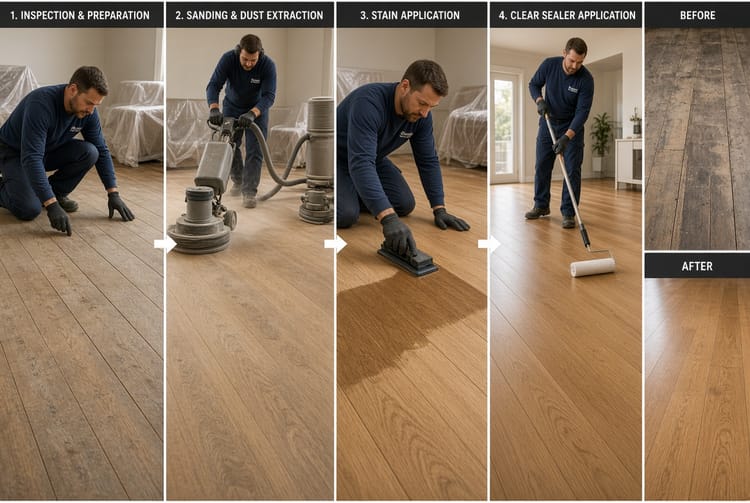
Professional finishers typically follow a careful sequence:
- Thorough sanding through progressive grits to open the grain without tearing it
- Optional grain filling for an ultra-smooth surface
- Application of stain or wash in thin, even coats
- Sealing with a protective topcoat—usually water-based polyurethane or hard-wax oil
Because ash starts so light, colorants remain true to their intended hue. Dark stains can still be used, yet the most popular choices today lean toward the natural-to-light spectrum. The wood simply does not fight the finish; it cooperates.

Natural Finish: Celebrating the True Character of Ash
A natural finish—sometimes called a clear or transparent finish—lets the wood speak for itself. No pigment is added. The surface receives only a protective clear coat that may slightly deepen the color and increase sheen, yet the overall effect remains true to the original board.
Homeowners choose this option when they want maximum authenticity. The bold grain stays sharp and lively. Subtle variations in tone from board to board create gentle visual interest that never feels busy. In rooms flooded with natural light the floor almost glows, reflecting soft golden undertones that change throughout the day.
Maintenance is straightforward. A high-quality water-based polyurethane or a hard-wax oil topcoat resists everyday wear while allowing the wood to breathe. Periodic cleaning with a pH-neutral hardwood cleaner keeps the surface looking fresh for years. Because no stain is present, minor scratches blend more easily and can often be repaired without noticeable color mismatch.
Clear Finish with a Whisper of Enhancement
Some clients prefer a clear finish that still receives a light enhancement. A very pale amber or honey toner can warm the ash just enough to eliminate any coolness while remaining essentially transparent. The grain stays dominant, and the floor continues to read as natural wood rather than stained wood.
This subtle approach works especially well in homes with mixed lighting—cool LED fixtures combined with warm sunlight. The gentle warmth of the finish balances both sources so the floor never appears washed-out or overly yellow.
White-Washed Ash: Soft Brightness with Visible Grain
White-washed ash has become a signature look in modern coastal, Scandinavian, and transitional interiors. The process involves applying a diluted white pigment that settles into the grain while leaving the higher surfaces relatively clear. The result is a soft, cloud-like brightness that still reveals the bold linear pattern of the wood.
White-washing does three important things:
- Raises the overall value of the floor so rooms feel larger and lighter
- Softens the contrast of the grain without erasing it
- Creates a clean backdrop that pairs beautifully with white walls, pale textiles, and natural materials such as linen or light oak furniture
Application requires skill. Too much pigment and the floor becomes opaque and chalky. Too little and the effect disappears. Professional finishers often apply the wash by hand or with specialized pads, then immediately wipe back to control intensity. A clear protective coat follows to lock in the color and provide durability.
The finished surface resists yellowing better than many traditional stains because the white pigment reflects light rather than absorbing it. Homes with large south-facing windows particularly benefit; the floor stays bright even as sunlight streams across it for hours.
Gray Finishes: Cool Modern Sophistication
Gray-washed or gray-stained ash offers a contemporary alternative that feels both organic and architectural. Soft cool grays, warm greige tones, and deeper charcoal-leaning washes are all possible. Because ash begins so light, gray pigments remain clean and true rather than turning muddy.
Designers favor gray ash floors when the interior palette includes:
- Concrete or stone elements
- Black metal fixtures
- Cool-toned textiles and artwork
- Minimalist white or off-white walls
The bold grain of ash prevents the gray from looking flat or industrial. Instead the floor gains depth and movement. Light gray versions keep spaces airy; medium and darker grays introduce quiet drama without the heaviness of traditional dark hardwoods.
As with white-washing, the best results come from controlled application. Multiple thin coats of translucent gray allow the finisher to dial in the exact depth of color while keeping the grain visible. A durable topcoat ensures the finish withstands foot traffic, pets, and everyday life.
Comparing the Four Primary Finish Families
Here is a quick reference for the most popular options:
- Natural / Clear – Purest expression of ash; maximum grain contrast; warm neutral base
- Enhanced Clear – Slightly warmed natural look; ideal for mixed lighting
- White-Washed – Soft, bright, and airy; grain remains visible but muted; excellent light reflection
- Gray-Washed – Cool modern elegance; pairs with contemporary materials; customizable depth
Each finish can be further refined with sheen level—matte, satin, or semi-gloss—depending on the desired reflection and maintenance preference. Matte finishes hide minor imperfections best and feel most natural underfoot. Satin offers a gentle glow that many consider the sweet spot for residential use.

Choosing the Right Finish for Your Home
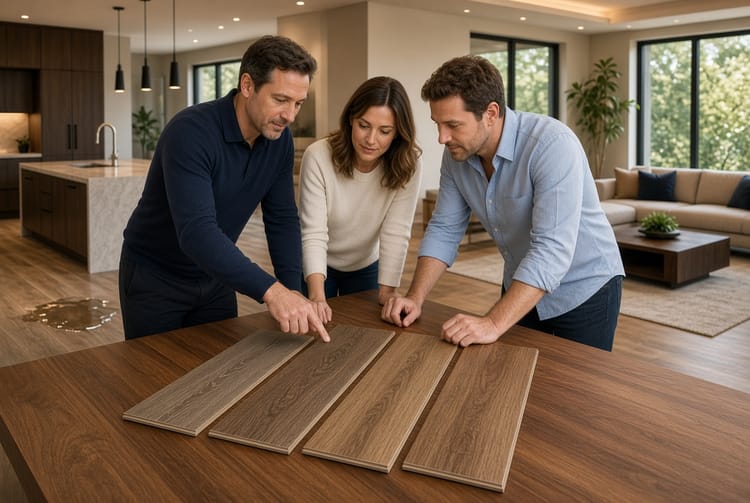
Selecting a finish begins with honest observation of the space. Note the direction and intensity of natural light, the existing color palette, and the overall design style. Bring home large sample boards whenever possible; small chips rarely convey the true effect of grain and sheen across an entire room.
Consider lifestyle factors as well. Homes with children or pets often benefit from more durable water-based polyurethanes or hard-wax oils that can be spot-repaired. Those seeking the most natural hand-feel may prefer oil finishes that can be refreshed without full sanding.
A professional installer or finisher will also evaluate the specific ash boards—whether they are solid or engineered, the width of the planks, and the grade of the wood. Wider planks showcase the grain more dramatically and therefore interact more noticeably with translucent finishes. Higher grades with fewer knots produce cleaner, more uniform results, while character grades add rustic interest that pairs well with natural or lightly washed looks.
Application Best Practices and Longevity
Even the most beautiful finish depends on proper preparation and technique. The floor must be acclimated, leveled, and sanded to a uniform surface. Dust must be meticulously removed between coats. Temperature and humidity are carefully controlled during application and curing.
When these steps are followed, a professionally finished ash floor can last decades with simple care. Sweep or vacuum regularly, wipe spills promptly, and use felt pads under furniture. Avoid excessive water and harsh cleaners. Depending on traffic, a light recoat every seven to twelve years usually restores the protective layer without the need for full refinishing.
Design Pairings That Elevate Ash Finishes
Natural ash floors shine beneath white or soft-gray walls and light-toned furnishings. White-washed ash creates a seamless coastal or Nordic atmosphere when paired with linen upholstery, woven rugs, and pale wood accents. Gray ash becomes the quiet foundation for industrial-modern spaces featuring black window frames, concrete counters, and leather seating.
In every case the bold grain of ash provides the organic counterpoint that prevents the interior from feeling sterile. The floor remains the quiet hero—light enough to expand the room, textured enough to add warmth, and finished with enough precision to feel thoroughly modern.
Final Thoughts and Next Steps
Ash flooring finished in natural, clear, white-washed, or gray tones offers one of the most versatile and contemporary solutions available today. Its inherent light color and strong grain accept finishes with clarity and grace, giving homeowners the ability to tailor the exact mood of every room.
Whether you desire the pure authenticity of a natural surface, the soft brightness of a white-wash, or the cool refinement of gray, the right finish transforms ash into a lasting foundation for modern living.
Choose modern finishes for ash flooring. Speak with a specialist who can walk you through samples, discuss durability options, and create a custom finish schedule tailored to your home. Your ideal light, modern ash floor is closer than you think.
Get Light, Modern Ash Flooring Finishes – Call Now!