The Art Therapy Benefits: Creative Expression for Emotional Healing

In the challenging path of recovery, finding ways to process deep emotions can feel overwhelming. Art therapy offers a gentle yet powerful solution—one that taps into creative expression for emotional healing. This specific modality, widely integrated into rehab programs, helps individuals reconnect with themselves when words fall short.
Start Healing Through Creativity – Call Now!
Unlike traditional talk therapy alone, art therapy invites you to create. It focuses on the act of making art as a bridge to inner peace. Whether you are navigating trauma, anxiety, or the emotional weight of addiction recovery, this approach provides a safe space to explore feelings without pressure. At its core, art therapy is reassuring and effective because it meets you exactly where you are—no artistic skill required.
Research and clinical experience consistently show that engaging in creative expression can lead to profound shifts in emotional well-being. In rehab settings, it becomes an essential tool for building resilience, reducing stress, and fostering lasting self-esteem. This article explores how art therapy delivers these benefits and why it stands out as a trusted modality for emotional healing.
Understanding Art Therapy as a Healing Modality
Art therapy is a professionally guided process where individuals use visual arts to express and process emotions. Trained art therapists facilitate sessions in calm, supportive environments typical of rehab centers. The focus remains entirely on personal growth and emotional insight.
Participants create freely—using paint, clay, or other materials—while the therapist helps interpret the process, not the finished piece. This modality is especially valuable in recovery because it bypasses the need for perfect verbal explanations. Instead, it allows the subconscious to surface safely.
Many people entering rehab carry heavy emotional burdens. Art therapy provides a structured yet freeing way to address these challenges. Sessions typically last 45 to 90 minutes and can be individual or in small groups, creating a sense of community without judgment. The reassuring environment helps clients feel empowered from the first session onward.
How Art Therapy Differs from Traditional Art Classes
One of the most important distinctions is that art therapy is process-focused, not product-focused. In a regular art class, the goal is often to learn techniques or produce a polished final artwork. Skill level and the end result matter most.
In art therapy, the opposite is true. The creation process itself becomes the healing tool. There is no critique of technique or pressure to create something “beautiful.” The art therapist guides reflection on emotions that arise during the session, helping clients gain insight into their inner world.
This difference makes art therapy uniquely suited for rehab. Clients who feel intimidated by artistic expectations quickly discover freedom. The emphasis stays on emotional healing through creative expression, building confidence rather than performance anxiety. This approach reassures participants that every mark, shape, or color holds value simply because it came from them.
Expressing Trauma Non-Verbally Through Creative Expression
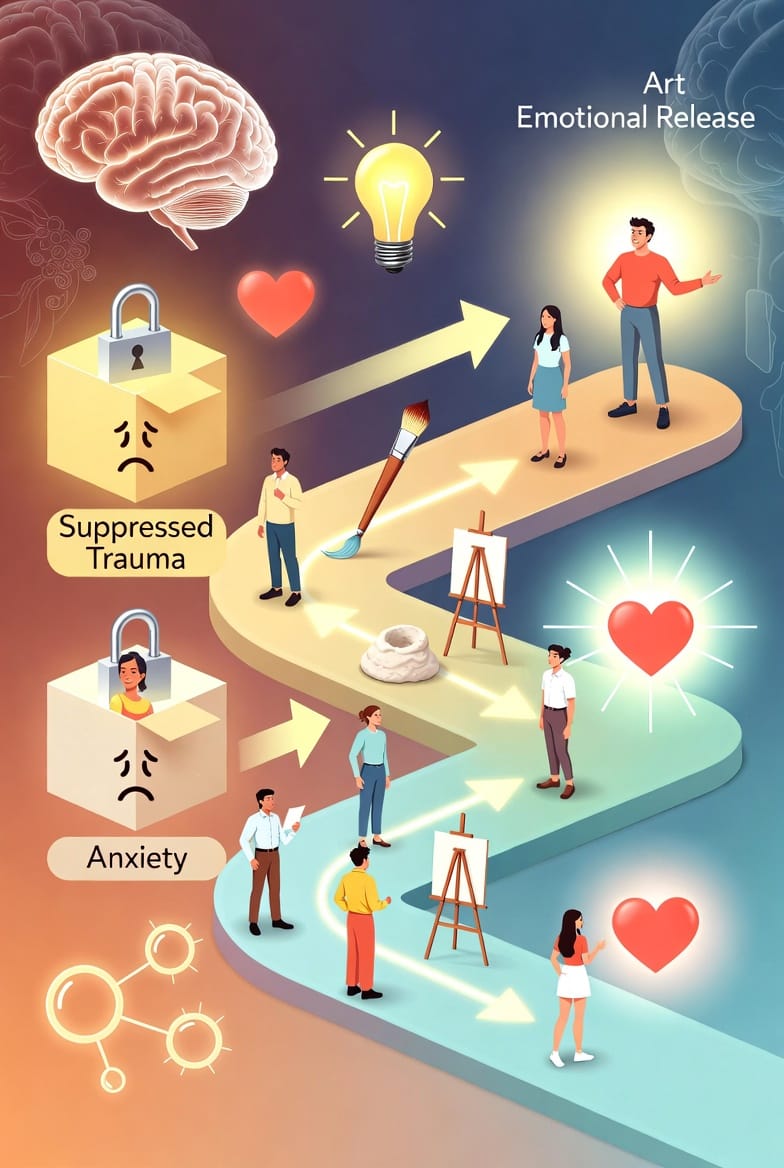
Trauma often leaves individuals unable to find the right words. Art therapy excels here by offering non-verbal expression. Through colors, shapes, and textures, clients externalize painful memories safely.
A single session might involve creating a visual representation of an emotion that feels too heavy to speak aloud. The act of externalizing trauma onto paper or canvas provides immediate relief. Clients frequently report feeling lighter after translating inner chaos into visible form.
In rehab programs, this non-verbal pathway proves especially effective for those with PTSD or addiction-related trauma. The art therapist creates a secure container, ensuring the process remains supportive. Over time, repeated sessions help reframe traumatic experiences, turning pain into a source of strength and understanding. This modality empowers individuals to reclaim their narrative without forcing spoken words until they are ready.
Key ways art therapy supports non-verbal trauma processing:
- Externalization: Moving emotions outside the body reduces their internal intensity.
- Symbolism: Abstract imagery allows safe exploration of difficult memories.
- Safety: The controlled studio environment prevents re-traumatization.
- Integration: Clients gradually connect visual symbols to personal growth.
These steps build a foundation for deeper emotional healing.
Reducing Anxiety Through the Creative Flow State
Anxiety thrives in overthinking. Art therapy interrupts this cycle by guiding clients into a creative flow state. Focused attention on color mixing, brush strokes, or shaping clay naturally calms the nervous system.
During creation, the mind shifts from worry to present-moment awareness—similar to mindfulness but with tangible results. Heart rate slows, breathing deepens, and stress hormones decrease. In rehab, where anxiety often fuels cravings or relapse thoughts, this reduction brings welcome relief.
Clients describe sessions as moments of quiet clarity. The reassuring presence of the art therapist ensures the experience remains positive. Many notice anxiety symptoms easing not just during the session but carrying over into daily life. Creative expression becomes a reliable skill for self-regulation long after rehab.
Benefits for anxiety reduction in recovery:
- Immediate calming through focused creative activity
- Improved emotional regulation skills
- Decreased physical symptoms of anxiety
- Greater sense of control over overwhelming thoughts
These outcomes strengthen overall recovery success.
Building Self-Esteem in Recovery with Art Therapy
Recovery often involves rebuilding a shattered sense of self. Art therapy nurtures self-esteem by celebrating every creative choice. Each session reinforces that your voice—expressed through art—matters.
Clients who once doubted their worth discover pride in their unique creations. The process highlights personal strengths and resilience. Over weeks, this builds confidence that extends beyond the studio into everyday decisions and relationships.
In rehab, where self-esteem frequently suffers due to past struggles, this modality delivers consistent reassurance. The art therapist gently highlights growth, helping clients internalize positive messages. Many graduates report feeling more capable and worthy of a sober, fulfilling life.
Practical Art Therapy Activities That Drive Healing
To make emotional healing accessible, rehab programs incorporate varied activities tailored to individual needs. These hands-on experiences deepen the benefits of the modality.
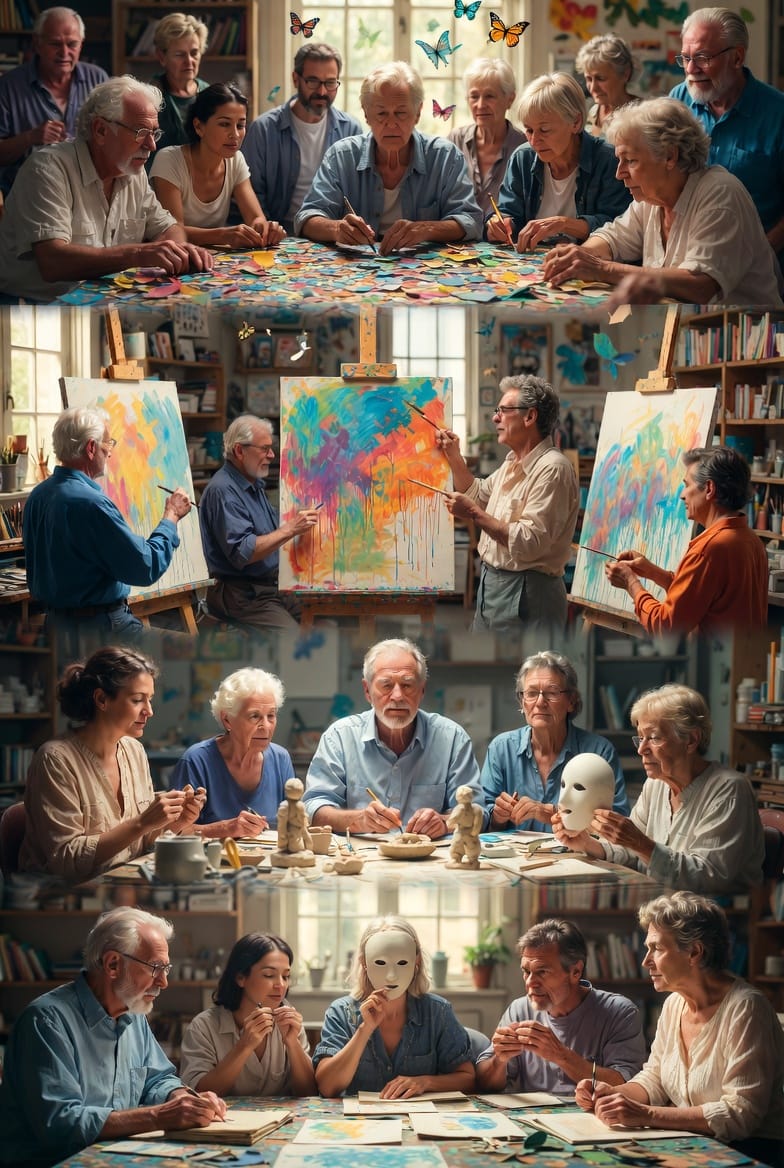
Common practices include collage for storytelling, painting for emotional release, clay work for grounding, mask-making for identity exploration, and art journaling for daily reflection. Each activity targets specific aspects of recovery while remaining process-focused.
Participants choose what resonates, ensuring comfort and engagement. Group sessions foster connection, while individual work allows private exploration. The variety keeps the modality fresh and effective throughout the recovery journey.
The Transformative Power of Art Therapy in Full Recovery
When integrated into a comprehensive rehab program, art therapy accelerates healing on multiple levels. Clients often experience improved mood, better sleep, and stronger coping skills. The modality complements other treatments, creating a well-rounded approach to recovery.
Long-term benefits include sustained self-esteem, reduced risk of relapse through healthy emotional outlets, and a renewed sense of purpose. Many individuals continue creative practices post-rehab as lifelong tools for well-being.
The reassuring truth is that creative expression belongs to everyone. Art therapy proves that healing does not require perfection—only willingness to try.
Ready to Experience These Benefits Yourself?
Art therapy offers a proven pathway to emotional healing through creative expression. In a supportive rehab environment, you can discover strengths you never knew you possessed and release what no longer serves you.
The journey is personal, gentle, and deeply rewarding.
Take the first step today. Your path to emotional freedom awaits through the power of art.
Experience the Power of Art Therapy – Call for Free Consultation