The Sober Independence: Building a Life After Treatment

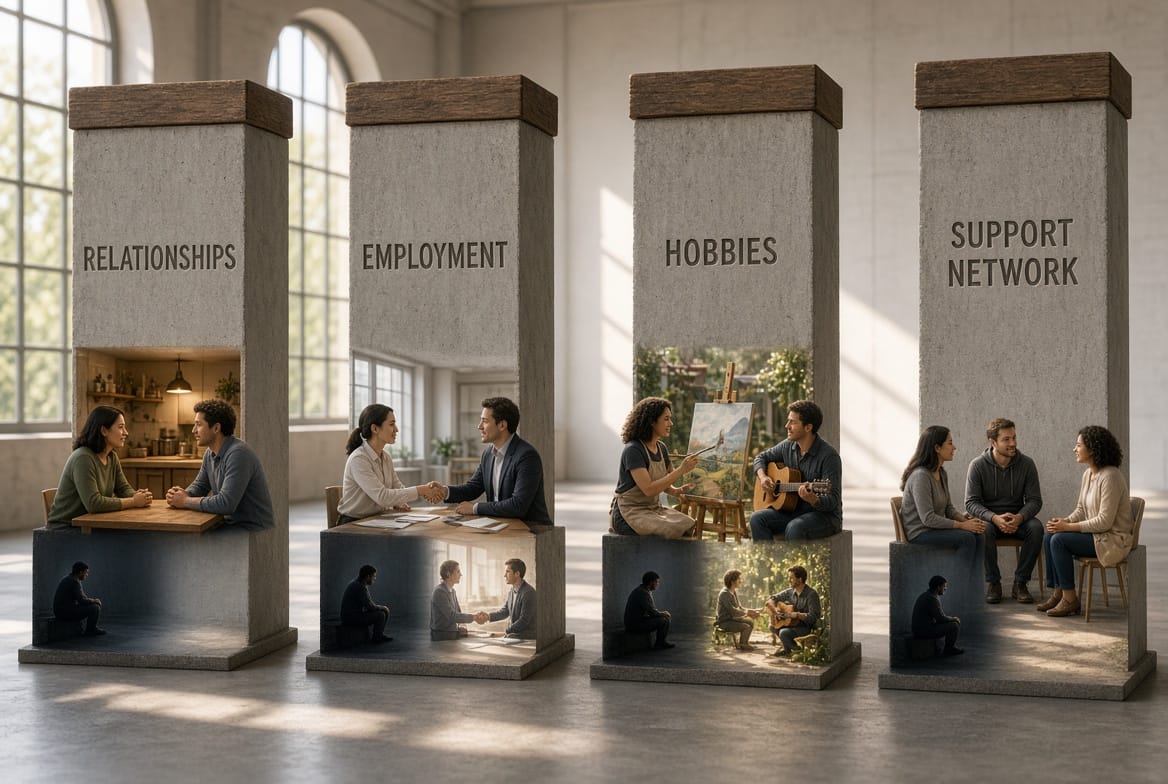
Completing treatment is a major achievement. It is not the finish line. The next chapter — sober independence — is where the real work of building a sustainable, fulfilling life begins. This phase asks you to turn the tools you learned in treatment into daily habits: repairing relationships, securing employment, discovering hobbies that give you joy without substances, and surrounding yourself with people who support your recovery.
Start Your Sober Independence Today – Call Now
Life after treatment looks different for everyone, yet the core pillars remain consistent. You will face practical pressures — money, housing, family expectations — and emotional ones, including loneliness, boredom, and the quiet fear of relapse. The reassuring truth is that thousands of people successfully navigate this transition every year when they treat aftercare as seriously as they treated residential or outpatient care. This article walks through what that life actually looks like and how to construct it with intention.
What Sober Independence Really Means
Sober independence is not isolation. It is the ability to live freely while staying committed to recovery. You make your own decisions, manage your schedule, and handle setbacks without returning to old patterns. Treatment gave you a foundation of coping skills, trigger awareness, and often medication-assisted support if needed. Independence tests those skills in the real world.
Expect a period of adjustment that can last months. Early days may feel strangely empty. Structured days in treatment disappear. You now design the structure yourself. That freedom is both a gift and a risk. Without purpose and connection, idle time can become dangerous. The solution is proactive building: relationships, work, hobbies, and a living support network.
Many people describe the first 90 days after treatment as the most fragile. Cravings can return when stress hits. Financial uncertainty adds pressure. Family members may still be learning how to trust again. Authoritative guidance from aftercare professionals, alumni groups, and sponsors helps you stay grounded. You do not have to invent this life from scratch. Proven steps exist.
Rebuilding Relationships After Treatment
Addiction damages trust. Lies, broken promises, and emotional distance leave marks on partners, children, parents, and close friends. Rebuilding does not happen overnight and should never be forced.
Start with honesty and consistency. Show up when you say you will. Keep small commitments first — a weekly call, helping with a household task, attending a family dinner sober. These actions speak louder than apologies. Many families benefit from family therapy sessions offered through aftercare programs. A neutral professional can help everyone learn new communication patterns.
Set healthy boundaries. Some relationships may not be salvageable if they remain tied to substance use. Protecting your recovery sometimes means limiting contact with people who still drink or use. This is not cruelty; it is self-preservation. At the same time, isolation is itself a relapse risk. Identify the people who demonstrated genuine support during treatment and invest there.
Children need age-appropriate honesty and stability. Parents in recovery often feel intense guilt. Channel that energy into being present rather than overcompensating with gifts or grand gestures. Consistent routines rebuild security faster than words.
Romantic relationships require extra caution. Early recovery is rarely the best time to start a new intense romance. Focus first on becoming a stable individual. Existing partnerships can heal when both people commit to counseling and realistic expectations.
Rebuilding is possible. Many families report stronger, more authentic connections years later because the relationship is no longer organized around crisis and secrecy.
Finding Employment and Financial Stability
Work provides more than a paycheck. It restores identity, routine, and self-worth. After treatment, many people worry about gaps on a résumé or how to explain time away. Honesty, framed positively, works better than concealment.
Focus on jobs that support recovery rather than undermine it. High-stress, late-night, or substance-heavy environments (certain restaurants, construction sites with heavy drinking culture, or isolated shift work) can increase relapse risk. Look instead for roles with predictable hours, supportive supervisors, and a culture that values reliability.
Practical steps include:
- Update your résumé to highlight skills and recent treatment-related growth (responsibility, time management, commitment).
- Practice interview answers that are truthful yet brief: you took time to address a health issue and are now ready to contribute fully.
- Use vocational counselors available through many aftercare programs.
- Consider temporary or part-time work first if full-time feels overwhelming.
- Explore second-chance employers and recovery-friendly companies.
Financial pressure is real. Outstanding bills, legal issues, or lost savings can feel crushing. Create a simple budget immediately. Prioritize housing, food, transportation, and aftercare costs. Many communities offer recovery-friendly housing or transitional employment programs. Pride in small financial wins — paying a bill on time, saving a modest emergency fund — compounds quickly.
If you previously worked in a high-paying field that was tied to using, you may need to accept a step down temporarily. That choice protects the larger goal of long-term independence. Skills transfer. Many people later return to previous careers or build new ones from a healthier foundation.
Employment also combats boredom, one of the quietest threats in early independence. A structured workday leaves less room for rumination.
Developing Hobbies That Support Recovery
Boredom and lack of pleasure (anhedonia) are common after substances leave the brain’s reward system. Hobbies fill that space with healthy dopamine and give you a reason to look forward to evenings and weekends.
The best hobbies in early recovery share certain traits: they are accessible, somewhat structured, social when you want them to be, and free of old using cues. Examples include:
- Physical activities such as hiking, swimming, yoga, or team sports.
- Creative outlets — painting, writing, music, woodworking, or cooking new recipes.
- Skill-building pursuits like learning a language, coding basics, or gardening.
- Volunteer work that connects you to purpose larger than yourself.
Start small. A 20-minute walk three times a week is better than an ambitious plan you abandon. Join a class or club rather than trying everything alone. Shared activity naturally builds new friendships that are not centered on substances.
Hobbies also become part of your identity. Instead of “the person who used to party,” you become “the person who hikes on Sundays and is learning guitar.” That shift is powerful. It gives you stories to tell that have nothing to do with addiction.
Watch for hobbies that secretly recreate old patterns — excessive gaming that isolates you, or social circles that still drink heavily. Adjust quickly. The goal is enjoyment without compromise.
Many people discover passions they never had time or clarity to explore while using. Treatment often surfaces forgotten interests. Aftercare groups frequently organize sober events — concerts, game nights, outdoor trips — that make trying new things less intimidating.
Building a Reliable Support Network
No one stays sober in a vacuum. A strong support network is the difference between white-knuckling independence and living it with confidence.
Your network should include several layers:
- Professional aftercare: therapists, counselors, or case managers who know your history.
- Peer support: 12-step meetings, SMART Recovery, or other mutual-aid groups.
- Sober friends and alumni from treatment.
- Selected family members who have educated themselves about recovery.
- A sponsor or accountability partner you can call at any hour.
Attend meetings even when you feel “fine.” Consistency matters more than intensity. Many people who relapsed later said they had stopped going to meetings because life was going well. That is exactly when the network is most valuable — it keeps you honest and connected during good times.
Digital tools can supplement but should not replace in-person contact. Recovery apps, online meetings, and text check-ins help on travel days or late nights. The core remains real human faces.
If you move to a new city for a fresh start, immediately locate meetings and an aftercare provider. Isolation in a new place is a documented risk factor.
A healthy network also includes people outside recovery. Coworkers, neighbors, and hobby groups remind you that you are a whole person, not only “someone in recovery.” Balance both worlds.
Common Challenges and How to Meet Them
Even with the best plan, obstacles appear. Anticipating them reduces their power.
Loneliness often peaks in the first months. Counter it by scheduling social recovery activities in advance rather than waiting until you feel lonely.
Financial stress can trigger old thinking. Keep a written budget and celebrate small victories. Ask aftercare staff about local resources before debt becomes overwhelming.
Relationship conflict may resurface old shame. Use the communication tools you practiced in treatment. Take a time-out rather than reacting.
Overconfidence is a subtle danger. Feeling “cured” after 30 or 60 days sober has ended many recoveries. Continue the practices that got you here.
Physical health needs attention. Sleep, nutrition, and exercise directly affect mood and cravings. Many people neglect these once the structured treatment meals and wake-up times disappear.
When setbacks occur — a slip, a lost job, a family argument — treat them as data, not destiny. Contact your support network the same day. Aftercare programs exist precisely for these moments. Early intervention prevents a slip from becoming a full return to use.
The authoritative stance is simple: challenges are expected. Preparation and connection determine the outcome.
The Critical Role of Aftercare
Treatment ends. Aftercare continues. Outpatient counseling, alumni groups, sober living homes when needed, vocational support, and family sessions form the bridge to true independence.
A quality aftercare program helps you:
- Create a written continuing-care plan before you leave treatment.
- Stay accountable through regular check-ins.
- Access resources for housing, work, and legal issues.
- Adjust the plan as your life changes.
Choosing to engage with aftercare is one of the strongest predictors of long-term success. It is not a sign of weakness. It is evidence that you understand recovery is a process, not an event.
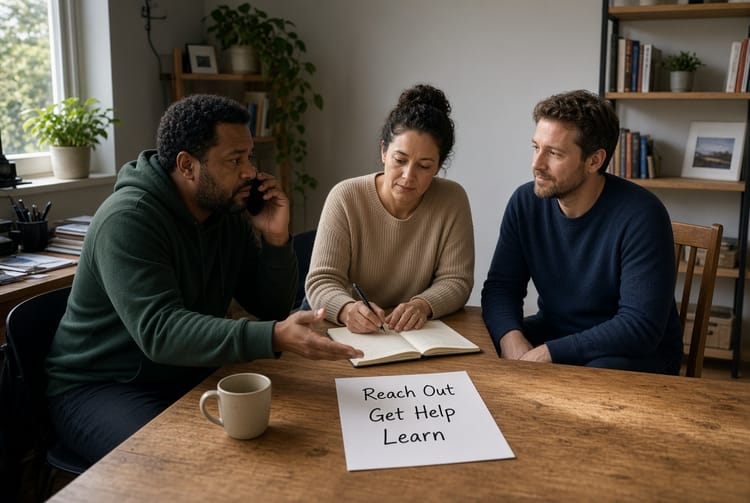
If you have already left treatment and feel adrift, it is not too late. Reach out now. The earlier you reconnect, the easier the course correction.
Building the Life You Deserve
Sober independence is available. It looks like mornings without dread, evenings filled with something you chose, relationships that feel honest, and work that lets you hold your head up. It is not perfect. It is real.
The steps are clear: repair what can be repaired, find work that respects your recovery, fill your free time with activities that nourish you, and never try to do it alone. Each pillar strengthens the others. A good job makes it easier to show up for family. A hobby group introduces new sober friends. A strong network helps you weather job stress.
You already did the hardest part by completing treatment. The next chapter is construction. Lay one brick at a time — a conversation, an application, a class, a meeting. The structure that results can last a lifetime.

Build a fulfilling life in recovery. The support that helped you finish treatment can help you thrive in the life that comes next.
Call Now to Rebuild Relationships, Work, and Purpose in Recovery