Investing in Your Roof: A Guide to Materials, Longevity, and Professional Installation
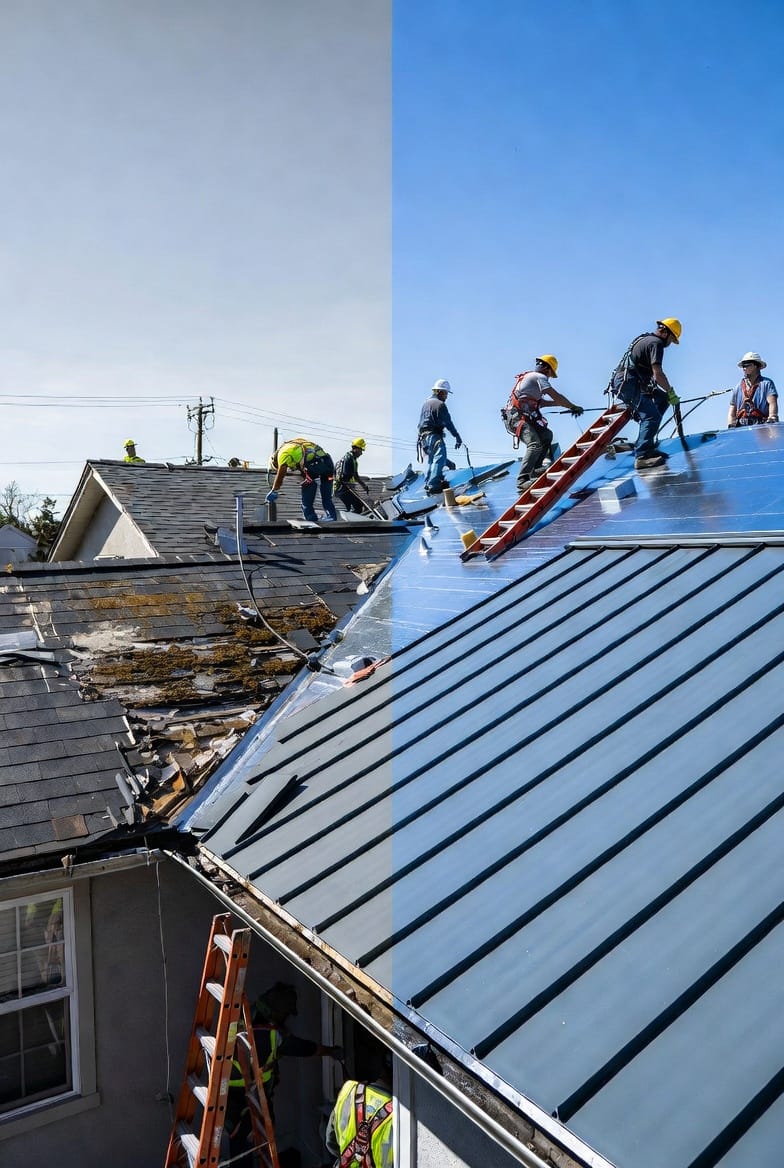
Your home is likely your most significant financial investment, and the roof plays a crucial role in protecting it from the elements. A well-chosen and properly installed roof not only enhances curb appeal but also ensures long-term durability, energy efficiency, and peace of mind. In this comprehensive guide, we'll explore popular roofing materials, their expected lifespan, key pros and cons, and why factors like proper ventilation and hiring certified installers are non-negotiable. Whether you're planning a replacement or a new build, making informed decisions can save you thousands in repairs and extend your roof's life.
Ensure Proper Ventilation & Long-Lasting Installation – Call Now
As a homeowner, you deserve a roof that stands the test of time. We'll break it down step by step, empowering you with the knowledge to choose wisely. Let's dive in.
Understanding Roofing Materials: Options for Every Home
Selecting the right roofing material is about balancing aesthetics, budget, climate, and maintenance needs. Below, we examine four common types: asphalt shingles, metal, tile, and slate. Each offers unique benefits, but understanding their longevity and trade-offs is essential for a smart investment.
Asphalt Shingles: Affordable and Versatile
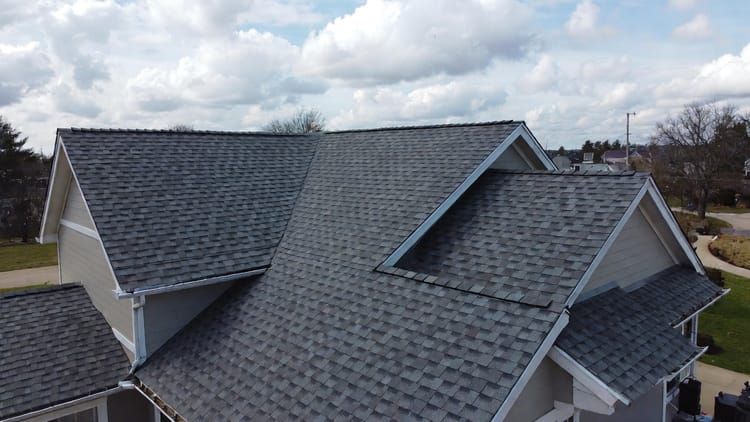
Asphalt shingles remain the most popular choice for residential roofs due to their cost-effectiveness and ease of installation. Made from a fiberglass base coated with asphalt and mineral granules, they come in various styles, including architectural shingles for added dimension.
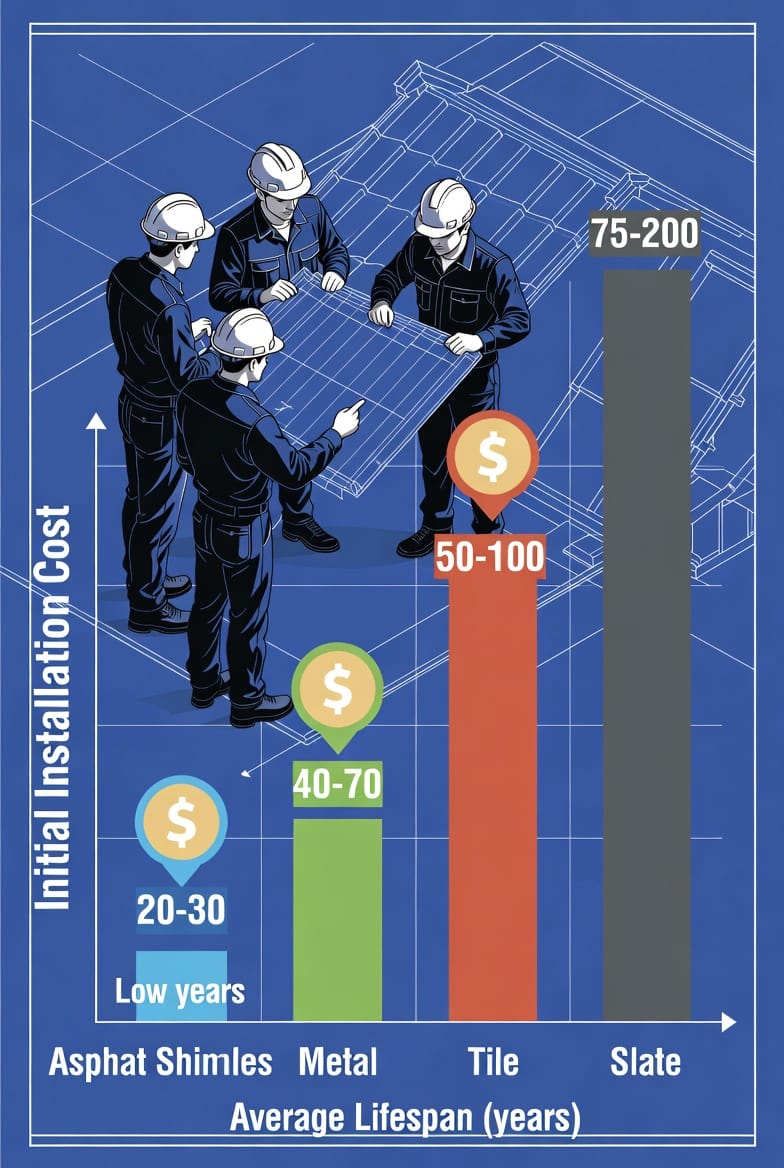
- Lifespan: Typically 20-30 years, though premium options can last up to 50 years with proper care.
- Pros:
- Budget-friendly: Initial costs range from $3-5 per square foot, making them accessible for most homeowners.
- Quick installation: Can be applied over existing roofs in many cases, reducing labor time.
- Wide variety: Available in colors and textures to match any home style, boosting curb appeal.
- Lightweight: Less strain on your home's structure compared to heavier materials.
- Cons:
- Susceptible to weather damage: In extreme heat or cold, they can crack, curl, or lose granules, leading to leaks.
- Shorter longevity in harsh climates: High winds or hail can accelerate wear, necessitating earlier replacements.
- Environmental impact: Not as eco-friendly, as they contribute to landfill waste upon disposal.
- Maintenance required: Regular inspections for algae or moss growth are needed, especially in humid areas.
For homeowners in moderate climates, asphalt shingles offer a reliable entry point into roof investment. However, pairing them with quality underlayment can enhance their performance.
Metal Roofing: Durable and Energy-Efficient
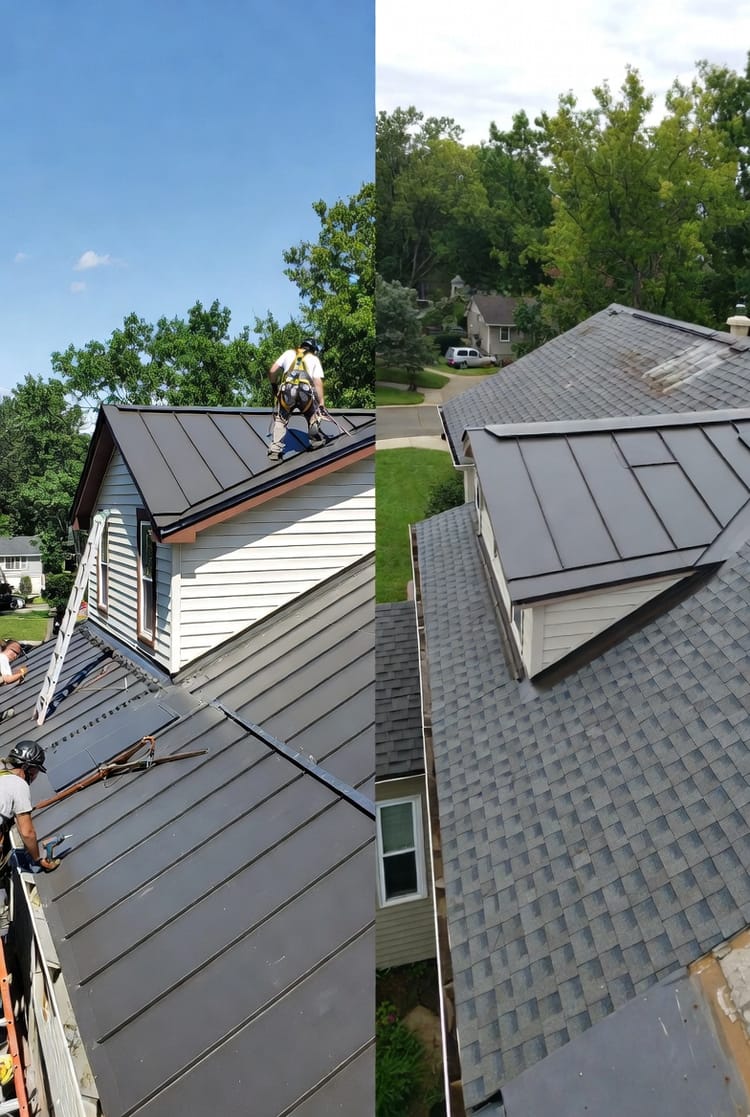
Metal roofing has surged in popularity for its modern look and resilience. Options include steel, aluminum, copper, or zinc panels, often coated for rust resistance.
- Lifespan: 40-70 years, with some systems lasting over 100 years in ideal conditions.
- Pros:
- Exceptional durability: Resists fire, wind (up to 140 mph), and impact from debris, ideal for storm-prone areas.
- Energy savings: Reflective surfaces reduce cooling costs by up to 25%, promoting home efficiency.
- Low maintenance: Doesn't rot, crack, or attract pests; a simple rinse keeps it looking new.
- Eco-friendly: Often made from recycled materials and fully recyclable at end-of-life.
- Cons:
- Higher upfront cost: Installation runs $8-14 per square foot, though long-term savings offset this.
- Noise during rain: Without proper insulation, it can be louder—mitigated by adding sound-deadening layers.
- Expansion and contraction: In temperature swings, metal can expand, potentially loosening fasteners if not installed correctly.
- Dent risk: Softer metals like aluminum may dent from hail, though standing seam designs minimize this.
If sustainability and longevity are priorities, metal roofing is a forward-thinking choice that pays dividends over decades.
Tile Roofing: Timeless Elegance with Strength
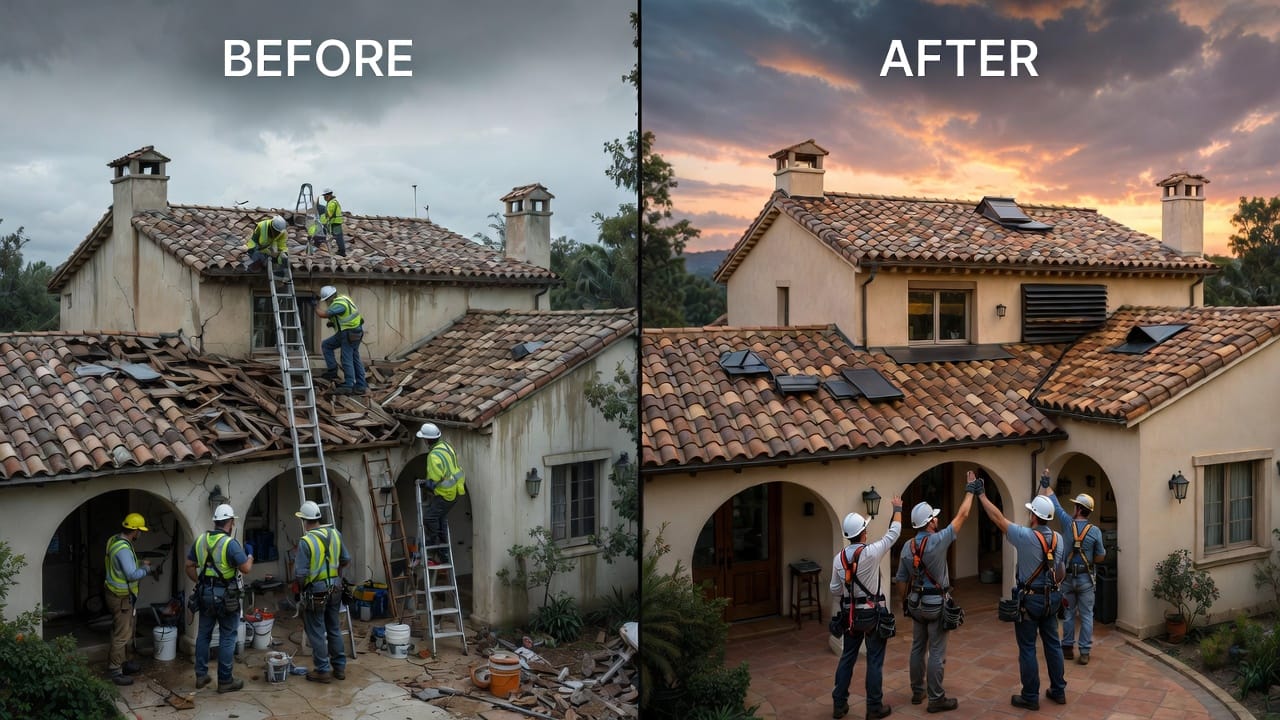
Tile roofing, often clay or concrete, evokes classic Mediterranean or Spanish styles. These interlocking pieces provide a distinctive, upscale appearance.
- Lifespan: 50-100 years, thanks to their robust composition that withstands fading and weathering.
- Pros:
- Aesthetic appeal: Rich colors and shapes add architectural interest and increase home value.
- Fire-resistant: Non-combustible, offering superior protection in wildfire zones.
- Thermal insulation: Naturally keeps homes cooler in hot climates, reducing energy bills.
- Long-term warranty potential: Many manufacturers back their products for decades, reflecting reliability.
- Cons:
- Heavy weight: Requires structural reinforcement, adding to installation complexity and cost ($10-18 per square foot).
- Brittle nature: Can crack under foot traffic or falling branches, necessitating careful maintenance.
- Higher labor demands: Installation is intricate, increasing the risk of errors if not done by experts.
- Cost in cold climates: Freezing temperatures can cause cracking if tiles aren't frost-resistant.
For those seeking a blend of beauty and endurance, tile roofing transforms a house into a lasting legacy.
Slate Roofing: Premium Luxury and Unmatched Longevity
Slate roofing, quarried from natural stone, represents the pinnacle of roofing elegance. Each piece is unique, hand-split for authenticity.
- Lifespan: 75-200 years, making it a generational investment that outlasts most homes.
- Pros:
- Unparalleled durability: Impervious to rot, insects, and fire; withstands extreme weather without fading.
- Timeless sophistication: Natural variations in color (grays, greens, purples) elevate any property's prestige.
- Eco-conscious: Sourced sustainably and requires minimal replacements, reducing environmental footprint.
- Sound insulation: Dense material muffles external noise, enhancing indoor comfort.
- Cons:
- Premium pricing: Costs $15-30 per square foot, plus high labor for precise fitting.
- Significant weight: Demands a reinforced roof structure, potentially requiring engineering assessments.
- Limited availability: Quality slate is rare, and poor substitutes can fail prematurely.
- Repair challenges: Individual slates are expensive to replace, and matching colors can be tricky.
Opting for slate is ideal for historic restorations or luxury builds where quality trumps cost.
To visualize these options, consider how lifespan correlates with initial costs. Generally, higher upfront investments yield longer-lasting roofs, but local factors like climate play a role.
The Critical Role of Proper Ventilation
Beyond materials, proper ventilation is the unsung hero of roof health. It regulates temperature and moisture, preventing issues like ice dams, mold, and premature aging.
- Why it matters: Inadequate airflow traps heat and humidity, shortening your roof's lifespan by up to 25%. It also strains your HVAC system, hiking energy costs.
- Key components:
- Intake vents: Soffit or eave vents draw in cool air.
- Exhaust vents: Ridge, gable, or turbine vents expel hot air.
- Balanced system: Aim for 1 square foot of ventilation per 300 square feet of attic space.
- Benefits:
- Extends material life: Reduces thermal stress on shingles or tiles.
- Prevents moisture damage: Mitigates condensation that leads to rot or leaks.
- Improves energy efficiency: Keeps attics cooler in summer and warmer in winter.
- Common risks: Ignoring ventilation can void manufacturer guarantees and lead to costly repairs. Always integrate it during installation.
Rest assured, with expert planning, ventilation ensures your roof performs optimally year-round.
Hiring Certified Installers: Your Assurance of Quality
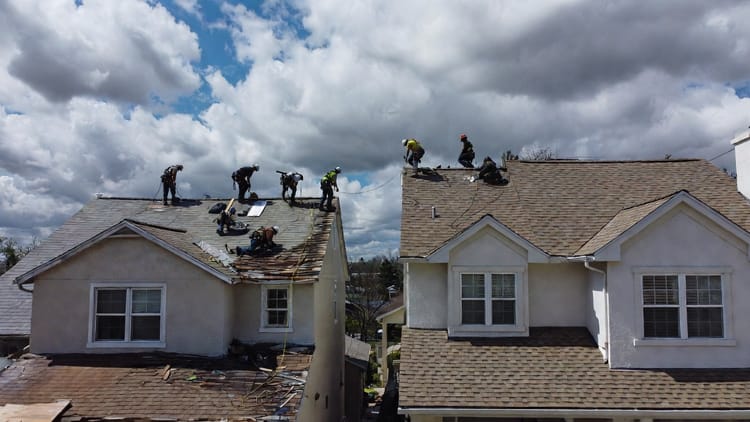
Even the best roofing material fails without skilled hands. Certified installers bring expertise, adherence to codes, and accountability.
- Importance of certification: Look for credentials from organizations like the NRCA (National Roofing Contractors Association) or manufacturer-specific training. This guarantees knowledge of best practices.
- Pros of professional installation:
- Precision and safety: Trained teams use proper techniques, reducing errors and on-site accidents.
- Compliance with standards: Ensures your roof meets local building codes and withstands inspections.
- Long-term support: Many offer workmanship warranties, providing ongoing reassurance.
- Efficiency: Faster completion with minimal disruption to your daily life.
- Risks of DIY or unqualified labor:
- Installation flaws: Improper sealing can cause immediate leaks or wind uplift failures.
- Voided protections: Manufacturers often require certified installers to honor product warranties.
- Higher costs long-term: Fixing botched jobs exceeds initial savings.
- Safety hazards: Roofing work involves heights and heavy materials—leave it to pros.
By choosing certified experts, you're not just installing a roof; you're securing your home's future.
Maintenance Tips for Maximizing Roof Longevity
To protect your investment, regular upkeep is key. Here's how:
- Annual inspections: Check for damaged shingles, flashing issues, or debris buildup.
- Clean gutters: Prevent water overflow that erodes roofing.
- Trim trees: Avoid branch abrasion or leaf accumulation.
- Address issues promptly: Small repairs prevent major failures.
- Professional cleanings: Especially for tile or slate to remove moss or algae.
These habits can add years to any roof's life, keeping your home safe and sound.
Choosing the Right Roof for Your Needs
Consider your location, budget, and aesthetic preferences. In rainy regions, prioritize waterproofing; in sunny areas, focus on UV resistance. Consult pros to tailor recommendations.
Ultimately, investing wisely in your roof yields returns in comfort, value, and durability.
Upgrade Your Roof the Smart Way – Speak to Our Specialists