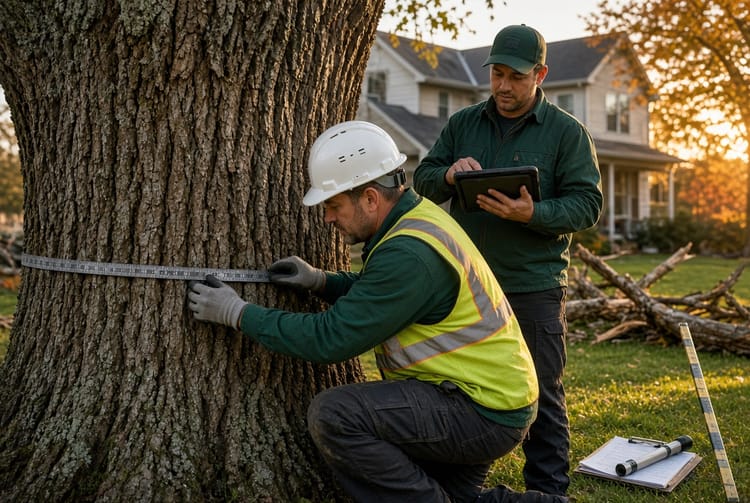
The Tree Watering Guide: Proper Irrigation for Health and Survival
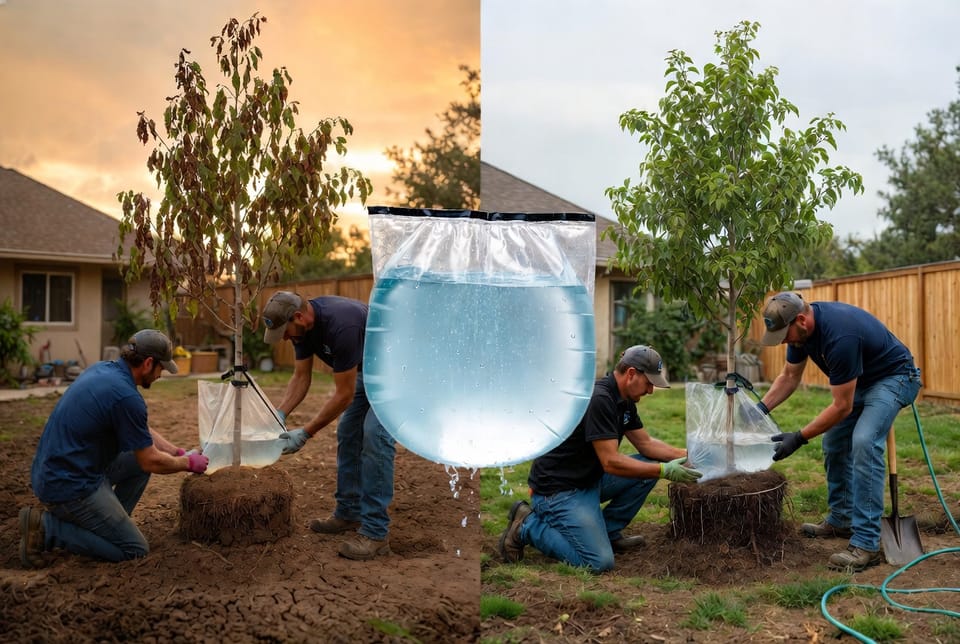
Proper tree watering is the foundation of vibrant, resilient landscapes. When trees receive the right amount of water at the right time, they develop strong root systems, resist disease, and withstand environmental stress. Yet many homeowners unknowingly sabotage their trees through inconsistent or incorrect irrigation practices.
Water Your Trees Right – Call for Expert Help Today!
This comprehensive guide delivers everything you need to master proper irrigation for tree health and survival. Whether you have just installed a new sapling or are nurturing mature specimens, these proven techniques will help your trees flourish for decades. With the right approach, you can prevent costly issues and enjoy the beauty and benefits of healthy trees in your yard.
Why Proper Tree Watering Matters for Long-Term Health
Trees are living investments that improve air quality, provide shade, increase property value, and support local ecosystems. However, water is their most critical resource. Inadequate or excessive moisture directly impacts root development, nutrient uptake, and overall vitality.
Deep, consistent watering encourages roots to grow downward, creating drought-resistant trees capable of thriving even during dry spells. Shallow watering, by contrast, keeps roots near the surface where they are vulnerable to heat, compaction, and mower damage.
By following science-based irrigation methods, you protect your trees from decline and reduce the need for expensive interventions later. Healthy trees also require less maintenance, making proper watering one of the smartest, most cost-effective steps any property owner can take.
Watering Newly Planted Trees: Establishing Strong Roots
Newly planted trees face the highest risk during their first two years as they adjust to new soil and establish root systems. These young trees lack the extensive root networks of mature specimens, so they depend almost entirely on you for consistent moisture.
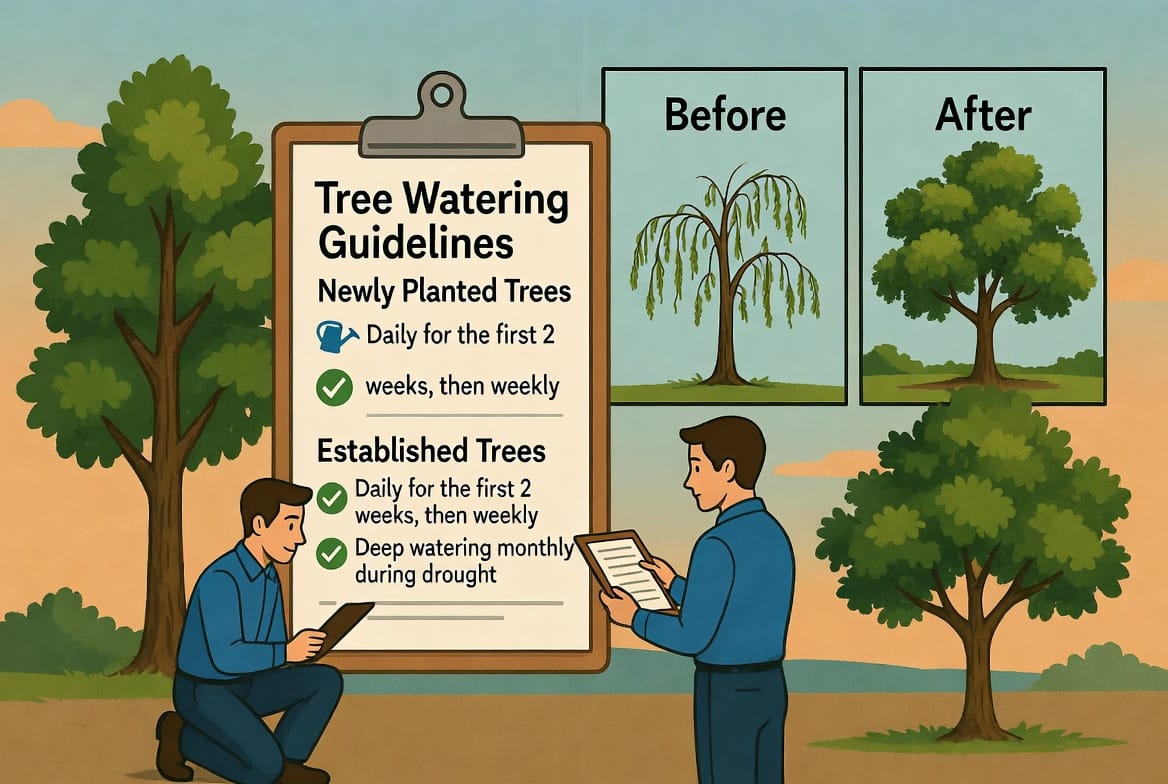
For the first two weeks after planting, water daily with 10–15 gallons per session, focusing on the root ball area. This frequent schedule helps settle the soil and prevents the roots from drying out. After two weeks, transition to deep watering twice per week for the first three months, then once per week during the growing season.
Always water slowly so moisture penetrates deeply rather than running off. Use a gentle flow from a hose, soaker hose, or drip system positioned at the drip line—the outer edge of the canopy. Avoid watering directly against the trunk, which can promote rot and fungal issues.
Pro tip: Mulch around the base with 2–4 inches of organic material, keeping it several inches away from the trunk. This retains soil moisture, moderates temperature, and suppresses weeds that compete for water.
Watering Established Trees: Sustaining Mature Growth
Established trees (those in the ground for three or more years) require less frequent attention but still benefit enormously from strategic irrigation. Their larger root zones can access deeper soil moisture, yet prolonged drought or poor soil conditions can still cause stress.
Mature trees generally need deep watering once every two to four weeks during the growing season, depending on rainfall and soil type. In clay soils, water less often but more slowly to allow absorption. Sandy soils demand more frequent sessions because water drains quickly.
The goal remains the same: encourage deep root growth. A mature tree may need 20–50 gallons per session, applied slowly over several hours. This infrequent but thorough approach builds resilience far better than daily sprinkles that only wet the surface.
Mastering the Deep Watering Technique: Slow and Infrequent
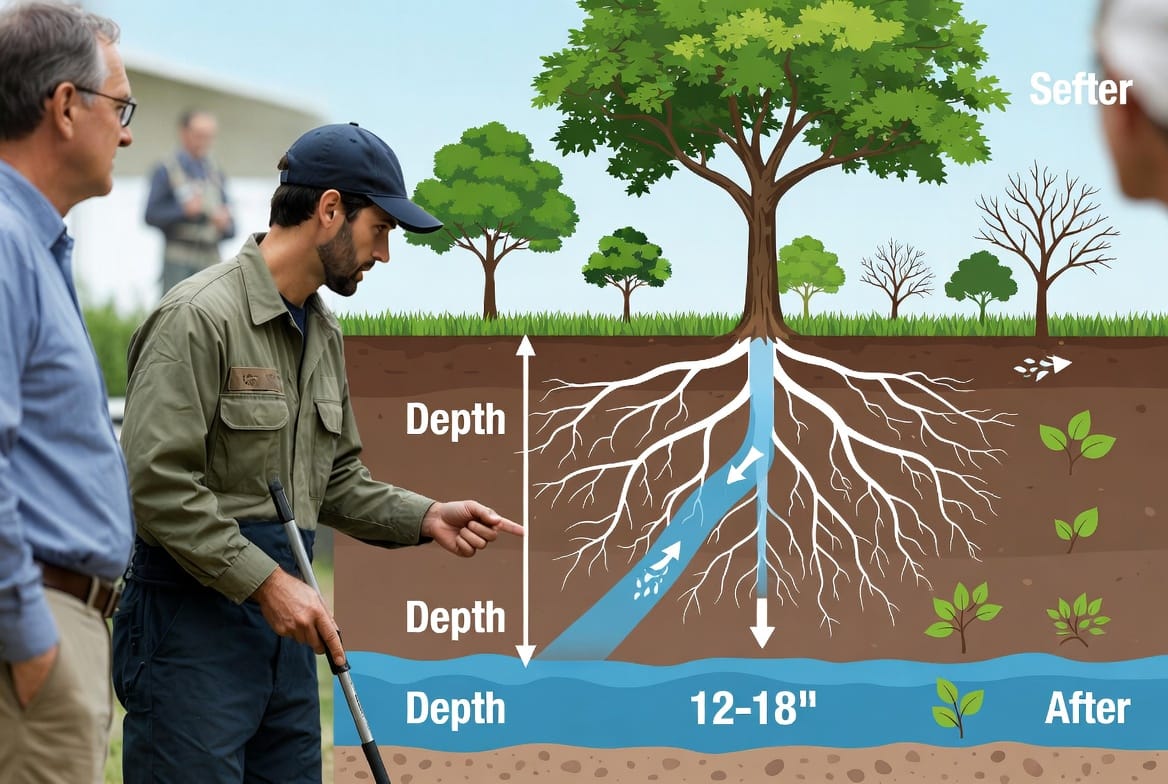
Deep watering is the single most effective method for promoting tree health. Instead of frequent shallow watering that encourages weak surface roots, deep watering delivers moisture slowly and deeply into the soil—typically 12 to 18 inches down where the majority of feeder roots live.
The technique is simple yet powerful:
- Position a soaker hose or drip system in a spiral pattern from the trunk outward to the drip line.
- Set the flow to a slow trickle—about one gallon per hour per emitter—so water seeps in rather than pools or runs off.
- Run the system for 2–6 hours depending on soil type and tree size.
- Check depth by inserting a screwdriver or soil probe; it should slide easily into moist soil at least 12 inches deep.
This slow, infrequent approach saves water, reduces evaporation, and trains roots to seek moisture deeper underground. Trees watered this way develop superior drought tolerance and wind resistance.
Recognizing Signs of Overwatering and Underwatering
Early detection of watering problems can save a tree before irreversible damage occurs.
Signs of underwatering include:
- Wilting or curling leaves, especially during midday
- Dry, cracked soil several inches below the surface
- Premature leaf drop or browning at the edges
- Stunted new growth and smaller-than-normal leaves
Signs of overwatering include:
- Yellowing leaves that feel soft or mushy
- Fungus or mold growth on the soil surface
- Root rot indicated by a sour smell when soil is disturbed
- Slow growth combined with wilting despite moist soil
If you notice these symptoms, adjust immediately. For underwatered trees, begin a deep watering schedule right away. For overwatered trees, improve drainage by aerating soil and temporarily reducing irrigation frequency.
Monitoring soil moisture with a simple probe or even your fingers remains the most reliable way to stay on track. Healthy trees show balanced foliage color, steady growth, and strong branch structure.
Seasonal Adjustments: Adapting Irrigation to Weather Changes
Tree water needs fluctuate dramatically throughout the year. Smart seasonal adjustments keep your trees thriving without waste.
In spring, as new leaves emerge, increase watering frequency to support rapid growth. Early-season rains often provide sufficient moisture, but supplement during dry spells.
Summer brings the highest demand. Heat and evaporation increase water loss, so established trees may need deep watering every 7–14 days. Newly planted trees require extra attention—never let their root zones dry completely.
Fall is a critical time for root development. Even as leaves change color, continue deep watering until the ground freezes. This builds carbohydrate reserves that fuel spring growth.
Winter watering is usually minimal in most climates, but evergreens and trees in dry winter regions still benefit from occasional deep soaks during extended dry periods. Avoid watering when soil is frozen.
Always factor in rainfall. A rain gauge helps you track natural contributions and adjust supplemental irrigation accordingly. These seasonal tweaks ensure your trees receive exactly what they need, when they need it.
Advanced Tips and Common Pitfalls to Avoid
Beyond the basics, several professional practices elevate your tree care results:
- Water in the early morning to minimize evaporation and fungal risk.
- Use rainwater or collected gray water when possible—it’s gentler on soil biology.
- Avoid automatic sprinklers that deliver shallow coverage; upgrade to targeted drip or soaker systems.
- Test soil drainage before planting by digging a hole and filling it with water—if it drains slower than one inch per hour, amend with organic matter.
Common mistakes include watering too close to the trunk, using high-pressure hoses that compact soil, and ignoring microclimates (trees near buildings or pavement dry out faster).
By steering clear of these errors and embracing consistent, thoughtful irrigation, you set your trees up for a lifetime of health and beauty.
Water Wisely for Healthy Trees
Mastering proper tree watering transforms your landscape and protects the valuable trees that define your outdoor space. By understanding the distinct needs of newly planted versus established trees, embracing the deep watering technique, watching for signs of stress, and making seasonal adjustments, you give every tree the best possible chance to thrive.
Water wisely, observe your trees regularly, and celebrate the results—stronger roots, lush canopies, and years of natural beauty.
We’re here to help your trees reach their full potential.
Protect Your Trees with Proper Irrigation – Call Now