The Tree Sun Scald: Winter Damage on Thin-Barked Trees
Winter can be deceptively harsh on even the strongest trees in your landscape. As temperatures fluctuate, a silent threat known as sun scald quietly damages thin-barked trees, often going unnoticed until spring reveals the consequences. This seasonal injury, also called winter sun scald or southwest injury, strikes when bright winter sun meets freezing nights, leaving lasting cracks and vulnerabilities.
Protect Your Trees from Sun Scald – Call Now!
At first glance, your trees may appear dormant and resilient. Yet beneath the surface, sun scald compromises bark integrity, opening pathways for pests, disease, and further decline. The good news? With timely awareness and professional intervention, you can prevent irreversible harm and keep your trees thriving for decades. This comprehensive guide explains exactly how sun scald develops, which species face the highest risk, and the most effective prevention methods—including tree wrapping—so you can protect your investment with confidence.
What Is Tree Sun Scald and Why Does It Matter?
Sun scald is a form of physiological injury caused by rapid temperature swings during winter months. Unlike summer sunburn on leaves, this damage targets the trunk and major branches of young or thin-barked trees. The injury weakens the tree’s protective outer layer, reducing its ability to transport water and nutrients effectively.
Left unaddressed, sun scald can lead to dieback, reduced growth, and increased susceptibility to secondary issues like fungal infections or insect infestations. Homeowners often discover the problem too late, when bark splits become visible or branches begin to fail. Understanding this seasonal injury empowers you to act early, preserving the beauty and value of your property’s green assets.
How Sun Scald Occurs: The Freeze-Thaw Cycle Explained
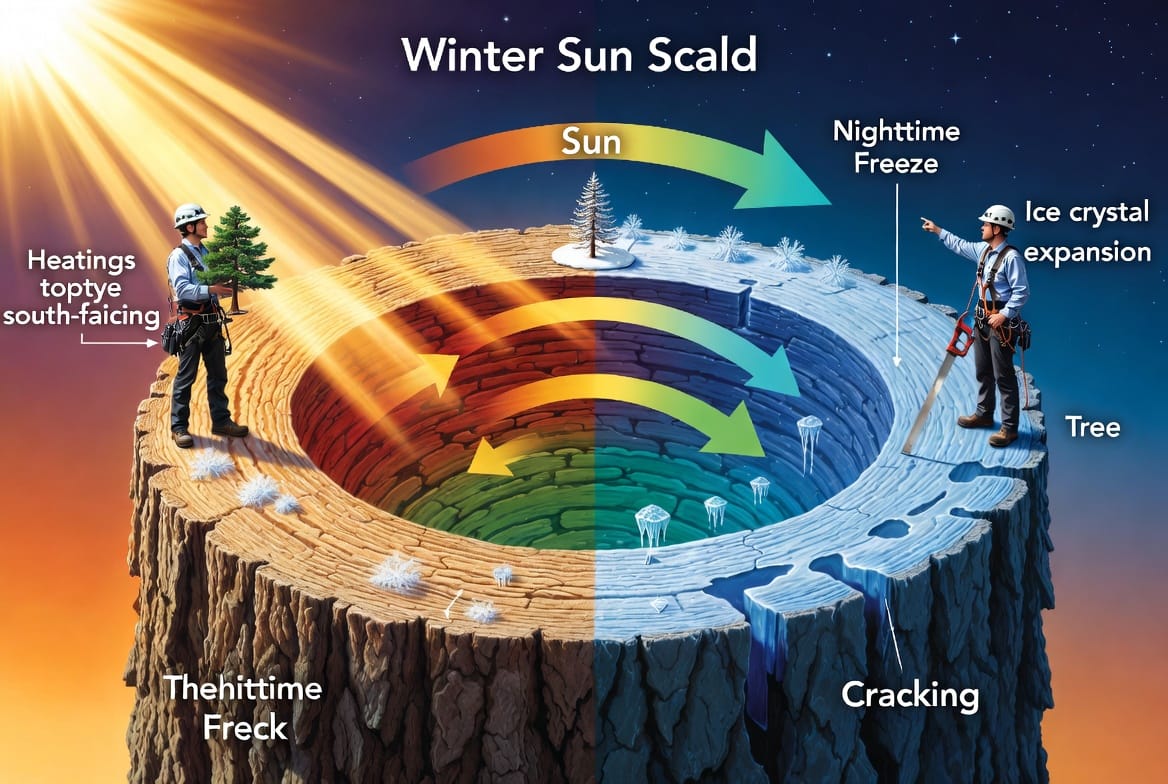
The mechanism behind sun scald is straightforward yet powerful. On clear winter days, the low-angle sun strikes the south or southwest side of the trunk directly. This warmth thaws the outer bark and underlying cambium layer—the living tissue responsible for growth. As evening approaches and temperatures plummet, the thawed tissues refreeze rapidly. The expansion of ice crystals creates internal pressure, resulting in vertical cracks and splits that can extend several feet up the trunk.
Thin bark offers little insulation, making the process especially destructive. Repeated cycles throughout the season deepen the damage, exposing sensitive inner wood. This is not random; it consistently affects the sunniest side of the tree, explaining why south- and southwest-facing exposures show the most severe winter damage.
Key risk factors include:
- Clear, sunny winter days followed by sharp nighttime drops
- Young or recently transplanted trees with underdeveloped bark
- Open, unprotected planting sites without windbreaks
By recognizing these conditions, you gain the advantage of proactive protection before injury occurs.
Susceptible Tree Species: Know Your Landscape’s Vulnerabilities
Certain trees are inherently more prone to sun scald due to their bark characteristics. Maple, cherry, and linden top the list of thin-barked species that require extra winter attention. These popular ornamental and shade trees feature smooth, relatively thin outer layers during their early years, providing minimal natural protection against temperature swings.
Young specimens of these species—typically under 10 years old or recently installed—are at greatest risk. Their bark has not yet developed the thicker, furrowed texture that older trees possess. Other thin-barked varieties may also show symptoms, but focusing on maple, cherry, and linden helps prioritize your care efforts effectively.
Recognizing the Signs of Winter Damage Early
Early detection prevents small cracks from becoming major structural weaknesses. Look for these classic indicators of sun scald:
- Vertical fissures or splits on the south or southwest trunk side
- Discolored or sunken bark patches that appear bleached or papery
- Sap oozing from cracks during early spring
- Delayed leaf-out or branch dieback on the affected side
If you notice any of these signs after a harsh winter, schedule a professional inspection promptly. Early intervention limits long-term impact and supports faster recovery.
Prevention Strategies That Actually Work
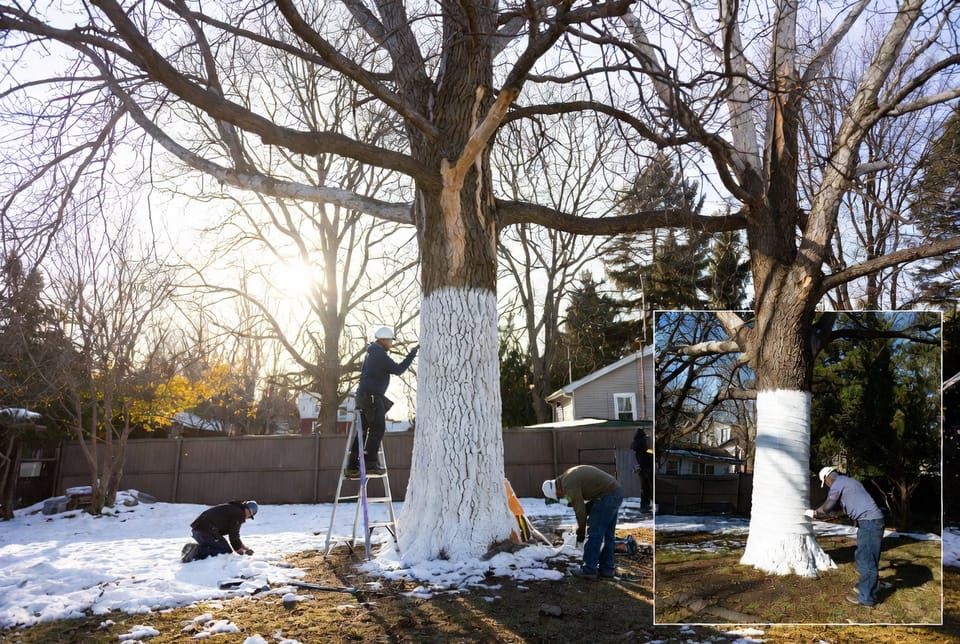
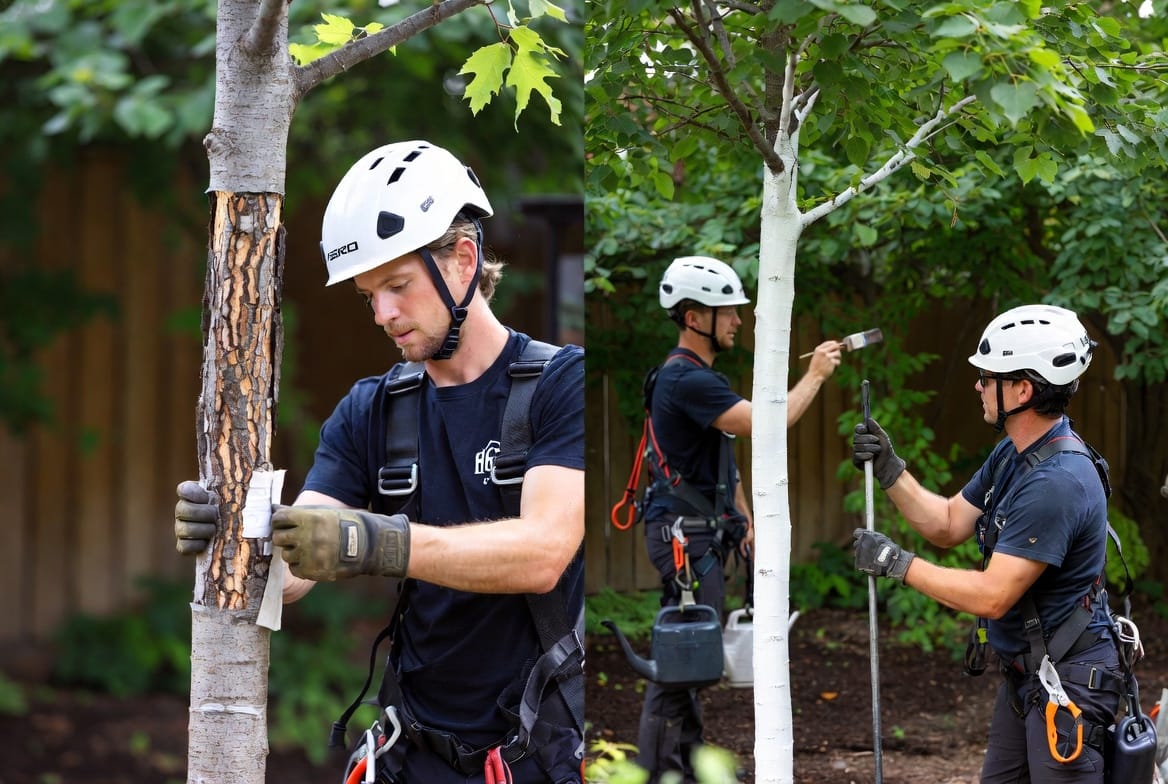
Prevention remains far more effective—and less costly—than treatment. The gold standard for protecting thin-barked trees is tree wrapping, a simple yet powerful technique that insulates the trunk and reflects intense winter sunlight.
Step-by-Step Tree Wrapping Best Practices
- Apply commercial tree wrap or burlap in late fall after the first hard frost but before extreme cold sets in
- Wrap from the base upward in overlapping spirals, securing loosely to allow for growth
- Extend protection at least to the first set of major branches
- Remove wraps in early spring to prevent moisture buildup and pest harbor
Additional proven methods include applying white latex trunk paint to reflect sunlight and reduce heating, and ensuring deep watering in late autumn so trees enter dormancy with adequate moisture reserves. Avoid over-fertilizing in fall, as it can stimulate late-season growth that remains tender and vulnerable.
These strategies, when applied correctly, dramatically reduce the incidence of winter damage and keep your trees robust season after season.
Treatment Options for Existing Sun Scald Injury
When damage has already occurred, prompt and proper care encourages natural healing. Gently clean loose bark edges without cutting into healthy tissue. Monitor the tree closely for signs of secondary infection and prune any dead or dying branches during the dormant season to improve airflow and appearance.
In many cases, tree wrapping on adjacent or similar trees prevents future episodes while the affected tree recovers. Professional arborists can assess the extent of injury and recommend targeted treatments tailored to your specific site conditions.
Why Professional Tree Health Assessment Makes the Difference
While some preventive steps can be DIY, a certified arborist brings years of experience and specialized knowledge to every evaluation. They identify subtle early warning signs, recommend the most suitable materials for your climate and tree species, and ensure application meets industry best practices. This expert approach minimizes guesswork and maximizes results, giving you peace of mind that your landscape receives the highest standard of care.
Protecting Your Trees for Long-Term Landscape Health
Investing in winter protection yields benefits that extend far beyond a single season. Healthy, undamaged trees provide superior shade, enhanced property value, and greater resilience against storms and pests. By addressing sun scald proactively, you avoid costly removals and replacements down the road.
Protect Trees from Winter Injury
Your trees deserve the best defense against seasonal challenges. Sun scald is preventable, manageable, and far less intimidating when you partner with knowledgeable professionals who understand every aspect of tree care.
Our experienced team stands ready to evaluate your landscape, implement targeted protection strategies, and ensure your trees remain strong and beautiful through every winter ahead. Don’t wait for visible damage—act now to safeguard the living assets that define your outdoor space.
Expert Tree Wrapping & Winter Protection – Call Today!