The Tree Root Barrier: Preventing Foundation Damage from Invasive Roots
When homeowners notice cracks in their foundation or mysterious wet spots in the basement, invasive tree roots are often the hidden culprit. At first glance, a beautiful shade tree adds value and curb appeal, yet its underground root system can silently threaten the very structure that shelters your family. A tree root barrier offers a proven, proactive solution that stops this damage before it starts.
Install Root Barrier Now – Protect Your Foundation Today!
By installing a root barrier at the right time, you create a permanent shield that redirects aggressive roots away from your foundation and underground pipes. This guide explains exactly how tree root barriers work, why they outperform reactive repairs, and how professional installation delivers long-term peace of mind. Whether you are planning a new landscape or protecting an established property, understanding root barriers is the smartest step toward safeguarding your home’s structural integrity.
Understanding the Threat of Invasive Tree Roots
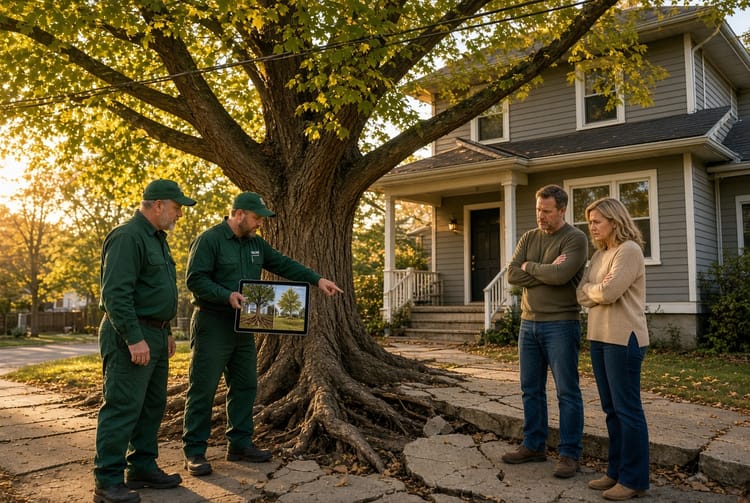
Tree roots naturally seek out water and nutrients, and they do so with remarkable persistence. Foundation damage from invasive roots occurs when roots expand in search of moisture, exerting tremendous pressure against concrete slabs, basement walls, and footings. Over time, this pressure creates hairline cracks that widen into serious structural issues.
Water and sewer pipes are equally vulnerable. Roots can infiltrate tiny joints or cracks in underground lines, causing blockages, leaks, and costly emergency repairs. What begins as a minor plumbing issue can escalate into thousands of dollars in damage plus potential mold problems inside the home.
Left unchecked, invasive roots compromise not only the foundation but also driveways, sidewalks, and retaining walls. The good news is that prevention is far simpler and more affordable than repair. A well-placed tree root barrier acts as an early defense system, giving you control over where roots can and cannot grow.
How Tree Roots Grow Toward Moisture and Why Barriers Are Essential
Roots follow moisture gradients. They detect water vapor from foundation drainage systems, leaking pipes, or even the condensation that forms on cool concrete surfaces. Once they locate a source, roots thicken and multiply, following the path of least resistance.
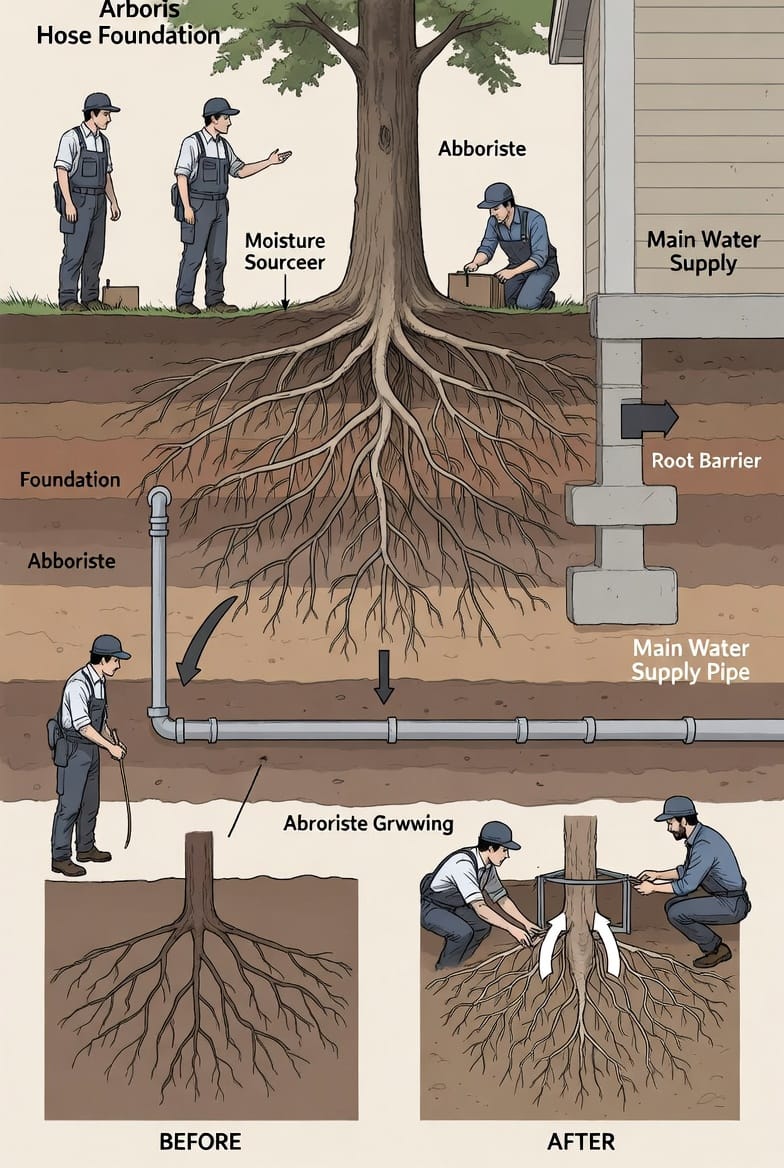
This natural behavior explains why certain trees become problematic near homes. Without intervention, roots can travel 20 to 30 feet or more from the trunk, easily reaching under your foundation. A tree root barrier interrupts this journey by creating an impenetrable vertical wall that forces roots to grow downward or outward instead of toward your home.
The barrier does not harm the tree. It simply redirects growth, allowing the tree to thrive safely while your property remains protected. This redirection is the key principle behind modern root barrier technology and the reason professionals recommend it as the first line of defense.
The Science Behind Root Barriers: Physical and Chemical Options
Physical root barriers are the most widely recommended solution. Made from high-density polyethylene or reinforced fabric, these durable sheets are installed vertically to a depth of 24 to 36 inches. The material is strong enough to deflect even the most aggressive roots without degrading over decades.
Some physical barriers feature a smooth surface that roots cannot grip, while others incorporate a mechanical deflection lip that guides roots downward. Because they create a purely mechanical obstruction, physical barriers are non-toxic and safe for the surrounding soil ecosystem.
Chemical root barriers take a different approach. These systems release a controlled amount of root-inhibiting compound into the soil immediately adjacent to the barrier. The chemical creates a zone where roots will not grow, yet the tree itself remains healthy because the treatment stays localized. Many modern chemical barriers are copper-based or use environmentally friendly formulations that break down over time.
Both types effectively prevent foundation damage from invasive roots, but physical barriers are often preferred for long-term installations near sensitive landscapes or where chemical use is a concern. Your local tree care professional can recommend the best option based on soil type, tree species, and proximity to utilities.
Choosing the Right Barrier for Your Property
Not every situation requires the same solution. Factors such as tree species, soil composition, and the age of your home all influence the ideal barrier choice. For example, properties with heavy clay soil may benefit from deeper installations, while sandy soils allow roots to travel farther and faster.
Professionals evaluate these variables during a site inspection, ensuring the barrier is tailored to your specific needs. This customized approach guarantees maximum protection without unnecessary expense.
Optimal Timing for Root Barrier Installation
The best time to install a tree root barrier is before problems appear. Proactive installation during new construction or major landscaping projects delivers the highest success rate and lowest cost.
If a mature tree already stands near your home, the next best window is early spring or fall when the tree is dormant and soil is workable. Installing at these times minimizes stress on the tree and allows the barrier to integrate seamlessly into the root zone.
Watch for early warning signs that it is time to act:
- Hairline cracks appearing in foundation walls or slabs
- Uneven settling of sidewalks or patios near trees
- Persistent wet spots in the basement after rain
- Slow-draining plumbing that cannot be explained by ordinary clogs
Addressing these signals promptly with a root barrier prevents small issues from becoming major structural repairs.
Professional Installation Process: Step-by-Step
Expert installation ensures the barrier performs exactly as intended. The process typically follows these carefully executed steps:
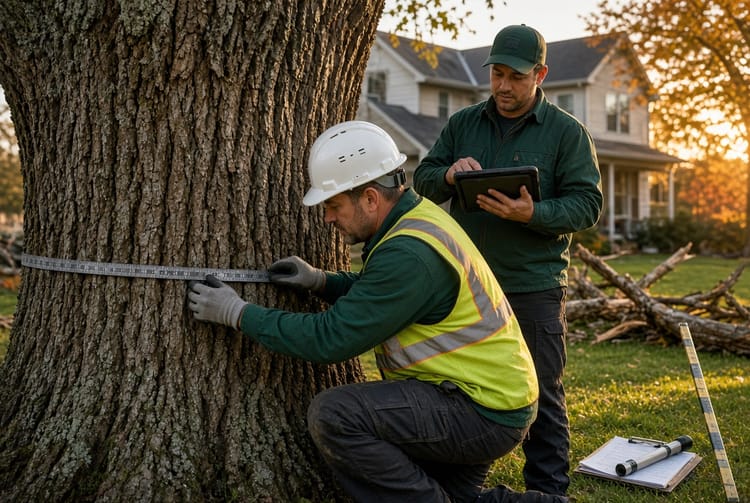
- Site evaluation – Arborists assess tree species, root spread, soil conditions, and utility locations.
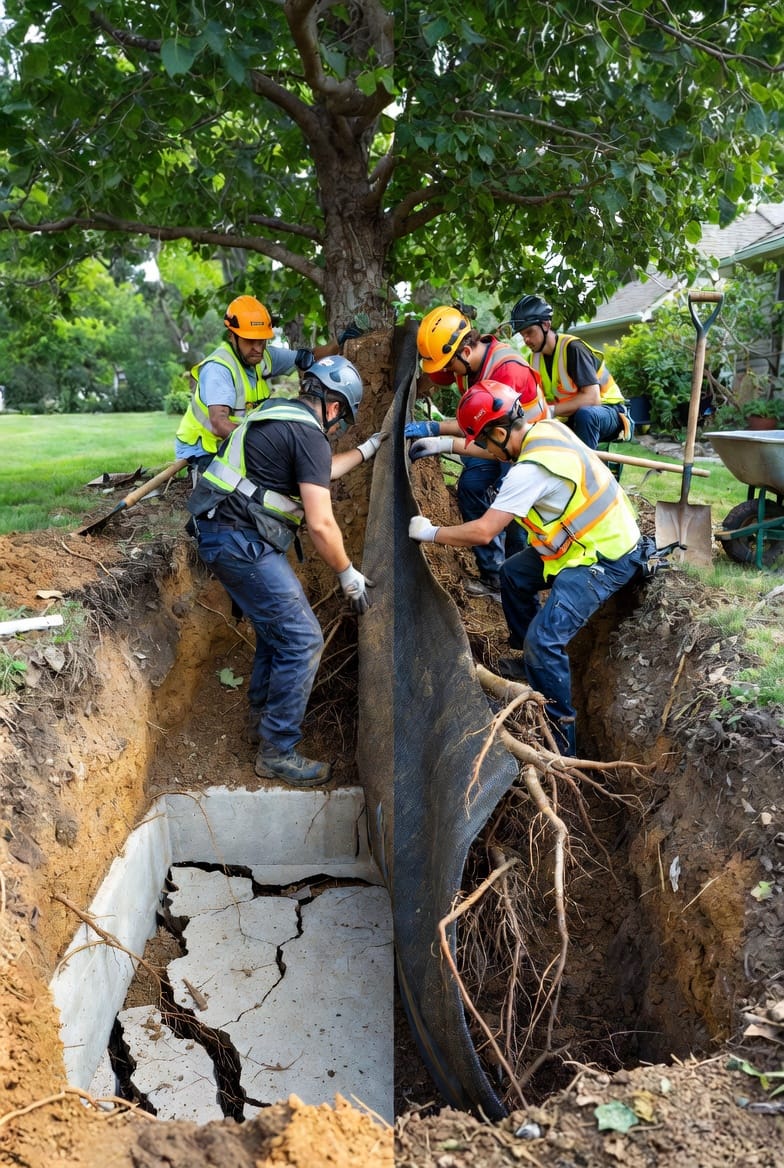
- Trench excavation – A narrow trench is dug along the desired protection line, usually 24–36 inches deep.
- Barrier placement – The tree root barrier material is positioned vertically and secured to prevent shifting.
- Backfilling and compaction – Soil is replaced in layers and compacted to restore natural drainage.
- Final inspection – Technicians verify proper depth, alignment, and sealing around any utilities.
The entire process is completed with minimal disruption to your landscape. Most installations are finished in a single day, and the tree continues to receive all necessary water and nutrients from the outer root zone.
Long-Term Benefits of Proactive Root Barrier Protection
Investing in a tree root barrier delivers benefits that extend far beyond the initial installation. Homeowners enjoy:
- Preserved foundation integrity with no new cracks from root pressure
- Protected underground utilities and reduced risk of emergency plumbing calls
- Healthier trees that can remain on the property without removal
- Increased property value through demonstrated structural maintenance
- Peace of mind knowing a professional solution is quietly working underground
Because the barrier requires no ongoing maintenance, it continues to protect your home for 20 years or more. This long lifespan makes root barriers one of the most cost-effective preventive measures available in residential tree care.
Common Invasive Root Species to Watch For
Certain trees are notorious for aggressive root systems that pose higher risks to nearby structures.
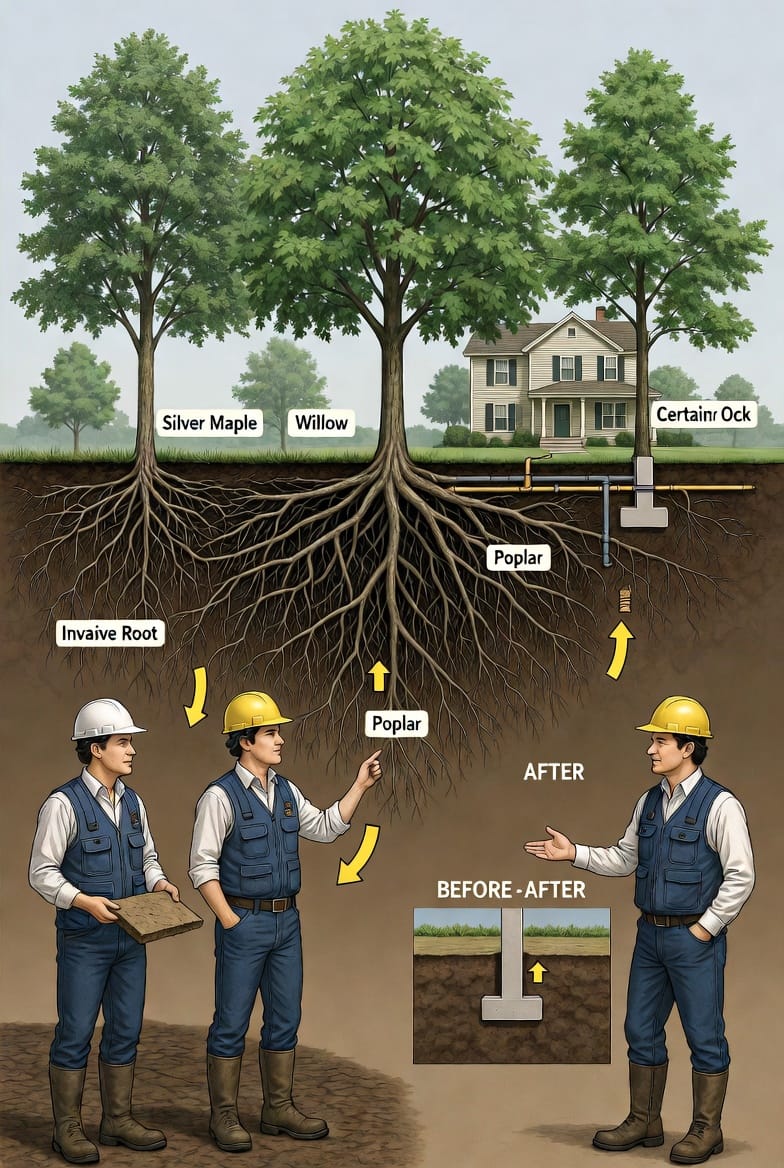
Silver maple, willow, poplar, and certain oaks are among the most problematic species. Their roots spread rapidly and seek out every available moisture source. Recognizing these trees on your property allows you to take targeted preventive action before damage occurs.
A professional assessment can confirm which species are present and whether a root barrier is the right solution for your landscape.
Protect Your Foundation from Root Damage
A tree root barrier is the smartest, most reliable way to prevent foundation damage from invasive roots while keeping beautiful trees in your landscape. By understanding how roots behave and choosing professional installation at the optimal time, you protect your home’s structural integrity for decades to come.
Don’t wait for cracks to appear or plumbing emergencies to arise. Take the preventive step today that responsible homeowners across the country trust.
Prevent Costly Foundation Damage – Schedule Root Barrier Today