The Tree Preservation Order: Navigating Local Regulations Before Removal
When planning any tree removal project, understanding local rules is the first and most important step. A Tree Preservation Order exists in many municipalities to safeguard trees that contribute lasting value to neighborhoods, ecosystems, and property aesthetics. These regulations prevent hasty decisions that could harm the environment or lead to unnecessary legal trouble.
Stay Compliant & Safe: Free Permit Consultation – Call Today!
Homeowners often assume they can remove a tree on their own land without issue. In reality, many cities and towns require official approval before any cutting begins. The good news is that these rules are clear, fair, and designed to protect everyone—including you. With the right guidance from experienced professionals, the process becomes straightforward and stress-free. This article explains every legal aspect so you can move forward confidently and responsibly.
What Exactly Is a Tree Preservation Order?
A Tree Preservation Order, often abbreviated as TPO, is a formal legal designation placed on specific trees or groups of trees by local planning authorities. Once issued, the order makes it illegal to remove, top, lop, or damage the protected tree without first obtaining a permit. The goal is simple: to preserve trees that offer significant public benefit.
These orders cover a wide range of situations. A single landmark oak in your front yard might fall under protection because of its age and beauty. A row of mature maples along a property line could be safeguarded for the privacy and noise reduction they provide. Even small woodlands on larger estates sometimes receive blanket protection.
Municipalities review applications carefully, weighing the tree’s value against any genuine safety or practical concerns you may have. The system exists to balance individual property rights with community and environmental needs. Far from being a roadblock, a Tree Preservation Order ensures thoughtful decisions that benefit both your land and the wider neighborhood.
Why Municipalities Choose to Protect Certain Trees
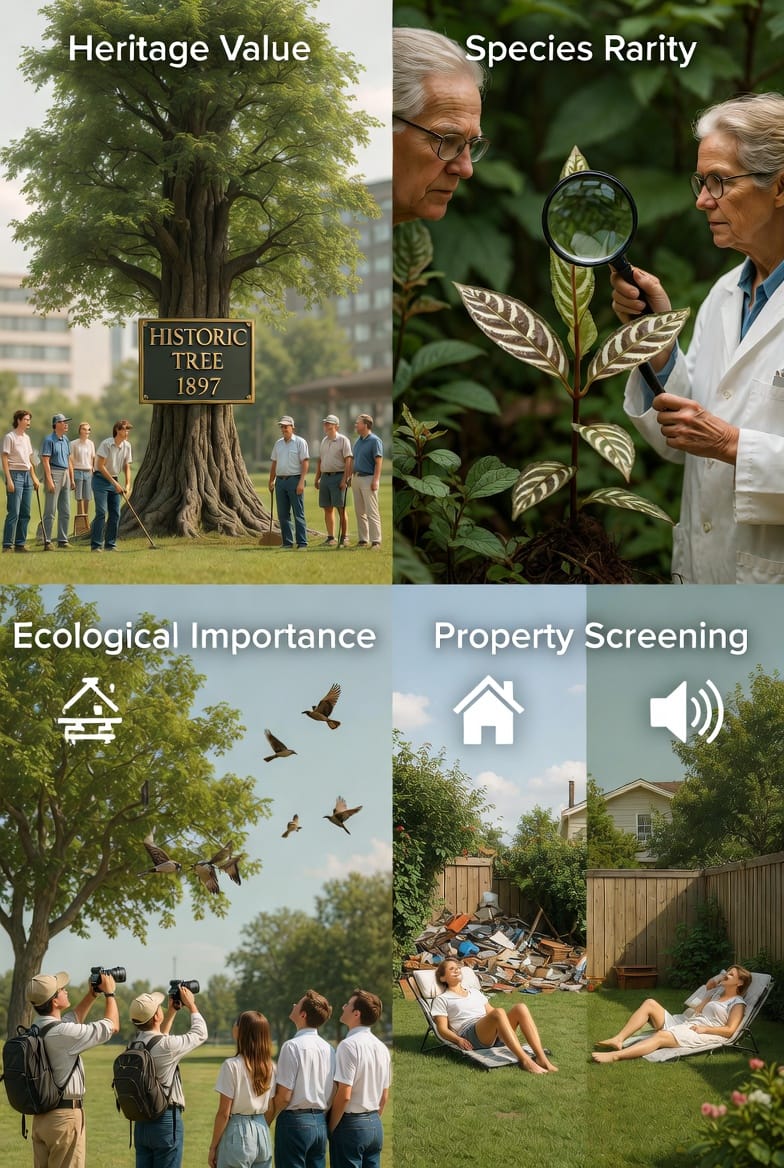
Local governments do not apply Tree Preservation Orders randomly. They follow clear criteria based on four main categories of importance. First comes heritage value—trees that have stood for generations and hold historical or cultural significance for the area. Second is species rarity, where uncommon or endangered tree types receive extra protection to maintain biodiversity. Third, ecological importance recognizes trees that support wildlife, improve air quality, and stabilize soil. Finally, property screening protects trees that shield homes from noise, wind, or neighboring views, enhancing livability for everyone.
These reasons reflect long-term community planning. Protected trees increase property values, reduce urban heat, and create healthier living spaces. When you work within the system, you contribute to these shared benefits while still achieving your own goals.
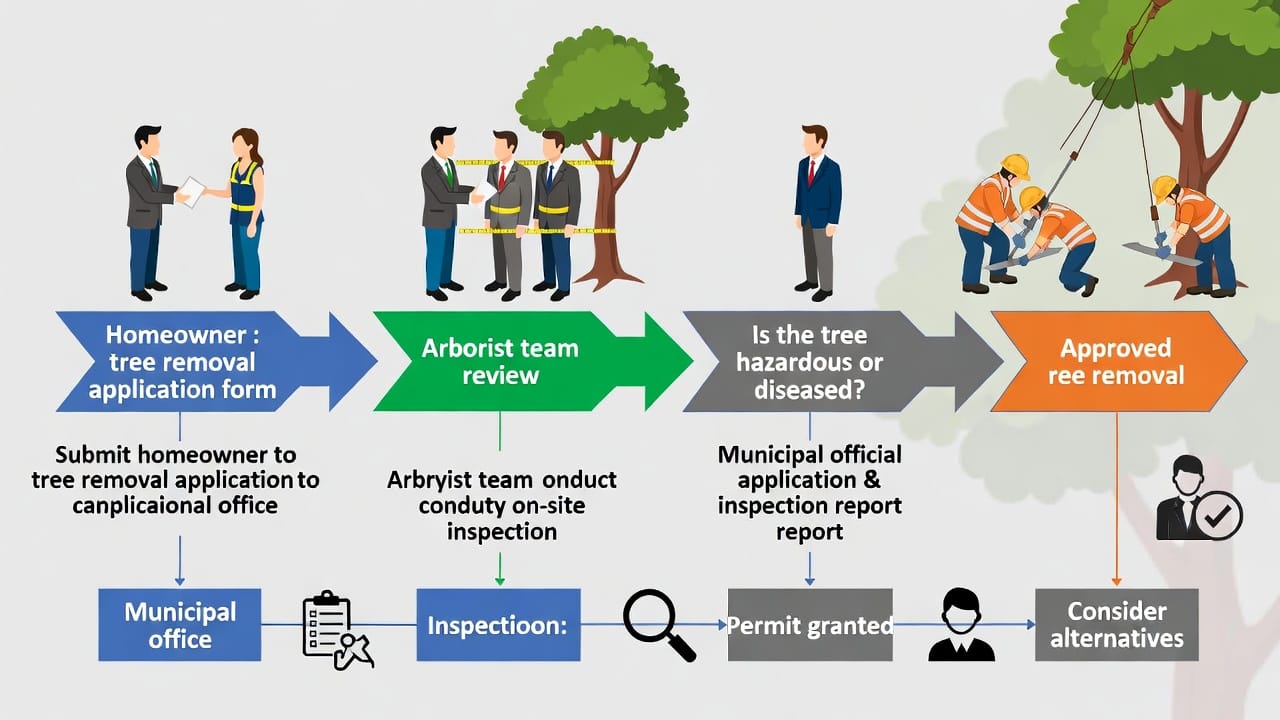
The Permit Application Process Step by Step
Navigating a Tree Preservation Order begins with research. Contact your local planning or environmental department to confirm whether your tree carries protection. Many municipalities maintain online maps or searchable databases for quick checks.
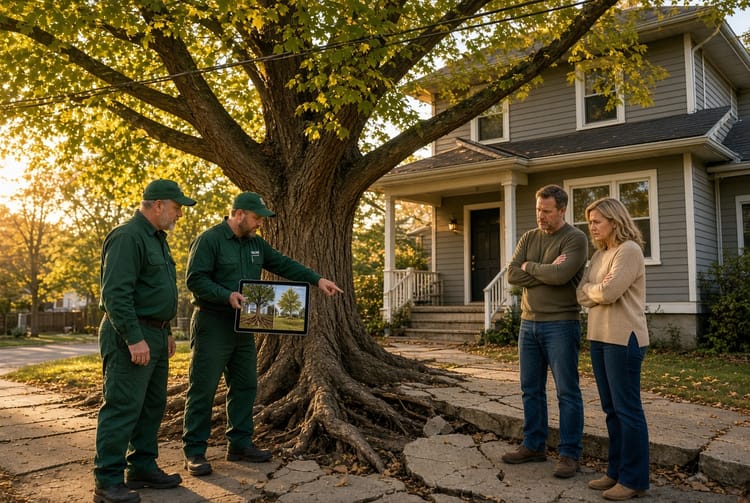
Once you know a Tree Preservation Order applies, prepare your application. Most towns require a detailed form that includes the tree’s species, size, location on a scaled property plan, and photographs from several angles. You must also explain why removal is necessary—perhaps the tree shows signs of disease, poses a safety risk, or interferes with essential construction.
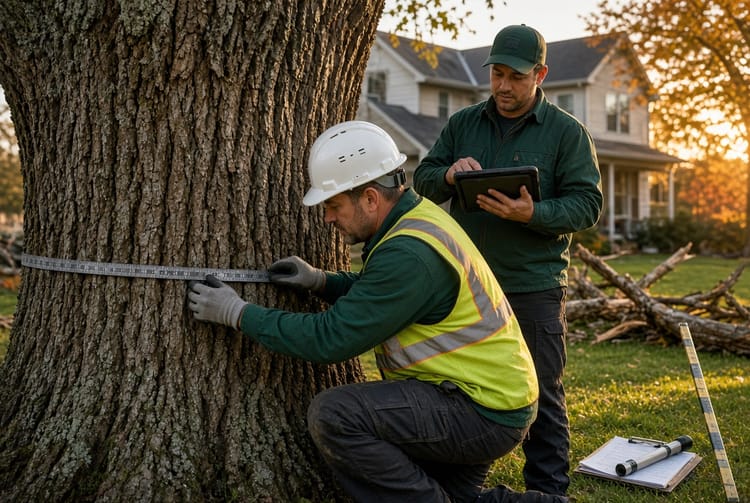
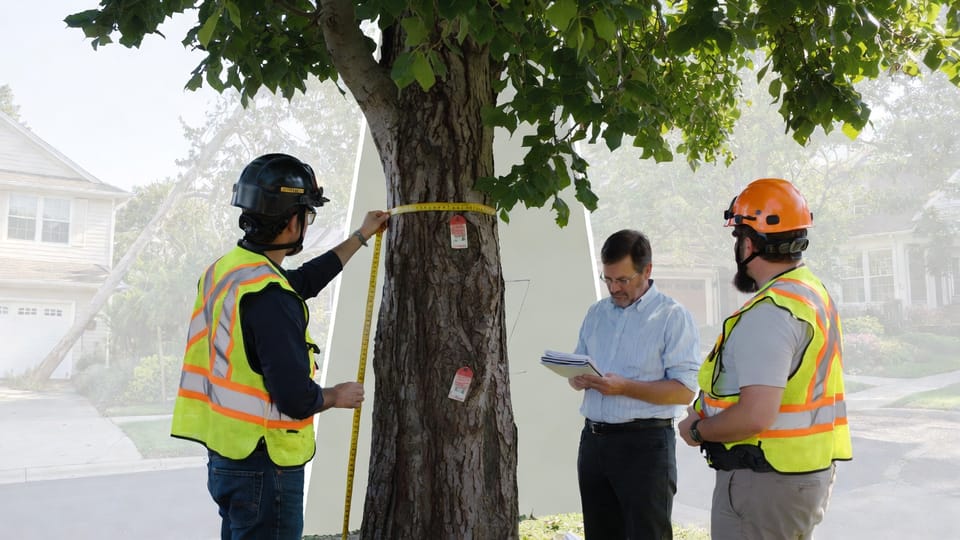
Professional arborists excel at this stage. They conduct a thorough tree risk assessment using industry-standard methods and produce an expert report that supports your request. Their documentation often includes decay analysis, root system evaluation, and structural integrity data. Municipal reviewers respect these professional assessments because they provide objective, science-based justification.
After submission, expect an on-site inspection. Officials may visit within weeks to verify the tree’s condition and review your reasons. During this visit, an arborist can answer technical questions on the spot, clarifying details that strengthen your case. If the initial application needs minor adjustments, the arborist team handles revisions promptly so you avoid delays.
Approval timelines vary by location—some municipalities decide within 30 days, while others allow 60 days for complex cases. Once granted, the permit usually includes specific conditions, such as the exact removal method, replacement planting requirements, or seasonal restrictions to protect nesting birds. Following these conditions exactly keeps everything legal and smooth.
The entire process, while detailed, protects both you and the community. Professional guidance turns what could feel overwhelming into a predictable, manageable series of steps.
Legal Considerations and Risks of Non-Compliance
Ignoring a Tree Preservation Order carries real consequences. Fines often start in the thousands of dollars and can escalate quickly depending on the tree’s size and importance. In some cases, authorities may require you to replant multiple trees at your own expense, adding significant unplanned costs.
Beyond financial penalties, legal action can include stop-work orders that halt your entire project. Court proceedings create stress and delays, sometimes lasting months. Insurance providers may also question coverage if damage occurs during unauthorized work.
These risks are completely avoidable. By addressing regulations upfront, you protect your budget, timeline, and peace of mind. Responsible homeowners who follow the rules report smoother projects and stronger relationships with local authorities.
How Certified Arborists Help You Navigate Regulations
Certified arborists serve as your trusted advocates throughout the permit process. Their qualifications include extensive training in tree biology, risk assessment, and local ordinance knowledge. When you hire professionals, they handle every technical detail while you focus on your overall plans.
Arborists first evaluate the tree’s health and document any defects—disease, storm damage, or structural weakness—that genuinely warrant removal. Their reports carry weight because they follow nationally recognized standards and use specialized equipment for accurate diagnosis.
They also prepare and submit the complete permit package on your behalf, ensuring every required element is included and clearly presented. During municipal reviews, arborists attend meetings or site visits to answer questions directly, often securing faster approvals through clear communication.
If the municipality suggests alternatives such as pruning instead of full removal, your arborist team explores those options thoroughly. Their expertise frequently reveals practical solutions that satisfy both your needs and the Tree Preservation Order requirements.
Working with professionals gives you reassurance that every decision rests on sound science and full legal compliance. You gain confidence knowing the outcome will be safe, lawful, and environmentally responsible.
When Removal Is Truly Necessary and Justified
Not every protected tree must stay forever. Legitimate reasons for removal include severe structural instability that endangers people or buildings, advanced disease that cannot be treated, or interference with essential infrastructure upgrades. In these situations, a well-documented application almost always receives approval.
Arborists identify these genuine cases quickly and build compelling justification files. They also recommend replacement species that match the original ecological role, helping you meet any replanting conditions effortlessly.
The key is presenting facts, not opinions. Professional documentation transforms a simple request into an undeniable, evidence-based case that reviewers approve with confidence.
Practical Tips for Homeowners Facing a Tree Preservation Order
Begin early. The moment you consider removal, check protection status rather than scheduling work first. Early contact prevents wasted effort and shows good faith to officials.
Gather supporting evidence immediately—photos, previous inspection reports, or contractor quotes for related construction. The more complete your file, the smoother the review.
Consider consulting an arborist before drafting any application. Their preliminary assessment often reveals whether removal is likely approvable or whether creative alternatives exist, saving you time and application fees.
Stay organized. Keep copies of all correspondence, permits, and inspection reports. Digital folders make future reference simple if questions arise later.
Finally, view the process as a partnership. Municipal staff want safe, responsible outcomes just as you do. Clear communication and professional support create positive results for everyone involved.
Common Myths About Tree Preservation Orders
Many homeowners believe protected trees can never be removed. In truth, justified cases succeed regularly when properly documented. Others assume the process takes years—most permits move through in weeks or a couple of months with expert help. A third myth claims only large trees receive protection; smaller but ecologically valuable specimens can also fall under orders.
Understanding these realities helps you approach the situation with accurate expectations and realistic confidence.
The Benefits of Staying Compliant
Following Tree Preservation Order procedures protects your investment and reputation. Approved projects proceed without interruption. Proper documentation often satisfies insurance and real-estate requirements for years afterward. Most importantly, you contribute to a greener, healthier community while achieving the exact landscape changes you need.
Responsible tree work builds goodwill with neighbors and local government alike. Future projects become easier when you demonstrate respect for shared environmental standards.
Conclusion
Navigating a Tree Preservation Order requires attention to detail, but the rewards—legal peace of mind, environmental responsibility, and successful project completion—far outweigh the effort. Professional arborists simplify every step, providing expert justification, complete documentation, and confident guidance from start to finish.
Facing a Protected Tree? Let Us Handle the Permit – Call Now