The Trauma-Informed Care Approach: Understanding How Past Trauma Shapes Addiction and Recovery

Trauma-informed care is more than a treatment method—it is a foundational philosophy that reshapes how we support individuals on the path to addiction recovery. At its core, this approach recognizes that past trauma is not simply a background issue but often the hidden driver of substance use. By prioritizing safety, trust, and empowerment, trauma-informed care helps clients heal the root causes of addiction while avoiding any practices that could unintentionally re-trigger old wounds.
Get Help Today – Call Now for Rehab Recovery
When someone enters recovery carrying unresolved trauma, traditional programs that focus solely on the substance can fall short. Trauma-informed care shifts the entire treatment lens. It asks not “What is wrong with you?” but “What happened to you?” This subtle yet powerful change creates an environment where true healing becomes possible.
The Hidden Connection: How Past Trauma Fuels Substance Use
Past trauma alters the brain and nervous system in profound ways. Experiences of overwhelming stress can leave individuals hyper-vigilant, emotionally numb, or trapped in survival mode. Substances often become a temporary escape—a way to quiet racing thoughts, dull emotional pain, or regain a sense of control.
Research consistently shows strong links between childhood adversity, violence, combat exposure, accidents, and later substance use disorders. Without addressing these underlying wounds, recovery remains fragile. Trauma-informed care directly targets this connection by integrating trauma awareness into every aspect of treatment.
Clients are no longer viewed through the narrow lens of addiction alone. Instead, care teams understand that substance use frequently served as a logical, albeit harmful, coping strategy. This perspective removes shame and replaces it with compassion—an essential first step toward sustainable change.
What Trauma-Informed Care Really Means
Trauma-informed care is a comprehensive treatment philosophy designed to recognize the widespread impact of trauma, promote safety, and actively avoid re-traumatization. It moves away from rigid, authority-driven models toward collaborative, client-centered healing.
In practice, this means every interaction—from admission to group sessions—is filtered through a trauma-sensitive lens. Staff are trained to notice subtle signs of distress, adjust their language, and create predictability so clients never feel blindsided or powerless.
The result? Individuals feel seen, respected, and genuinely supported rather than processed or judged. This foundational shift dramatically improves engagement and long-term outcomes in addiction recovery.
The Core Principles That Guide Every Step
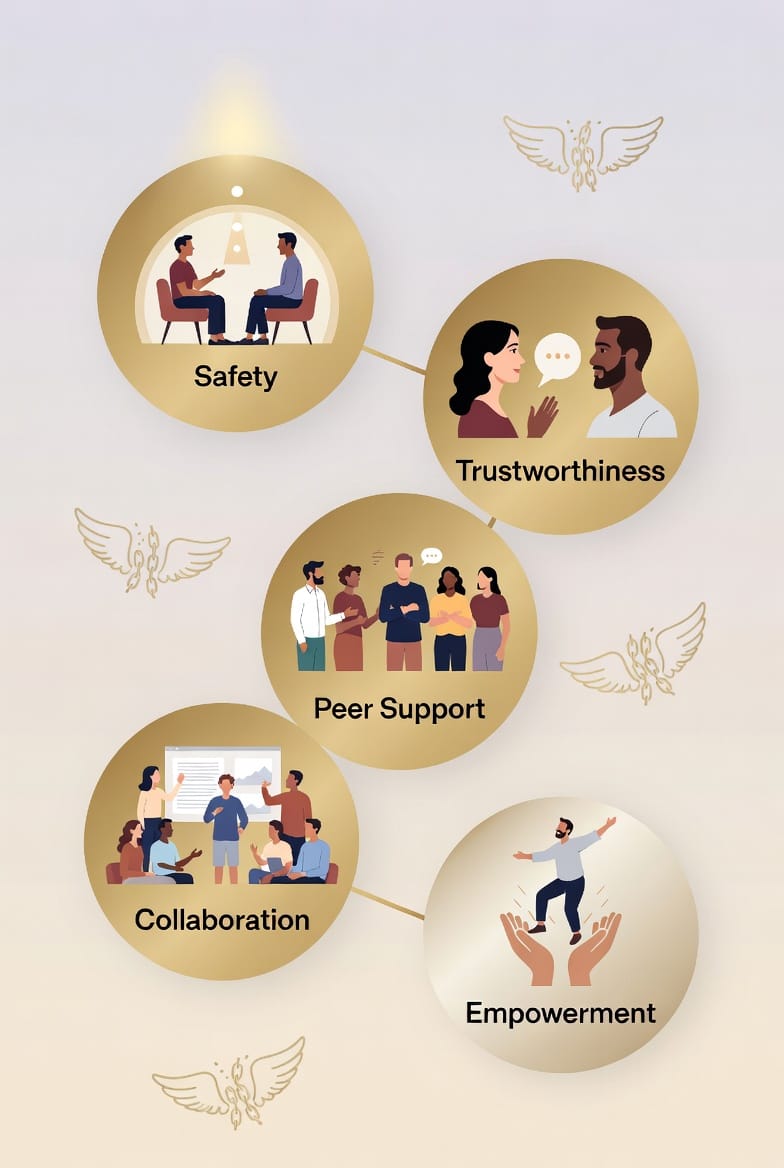
Effective trauma-informed care rests on five essential principles:
- Safety – Physical and emotional safety is the bedrock. Clients must feel protected from harm and free from judgment at all times.
- Trustworthiness – Transparency and consistency build reliable relationships. Clear communication and follow-through eliminate fear of betrayal.
- Peer Support – Shared experiences from others who have walked similar paths create hope and reduce isolation.
- Collaboration – Treatment becomes a partnership. Clients have real voice and choice in their recovery plan.
- Empowerment – The focus is on restoring personal strength, self-advocacy, and belief in one’s ability to heal.
These principles are not abstract ideals—they are lived daily in every interaction, schedule, and therapeutic activity.
Creating True Safety in the Recovery Journey
Safety is the first and most important promise of trauma-informed care. Without it, healing cannot begin. This means designing spaces that feel welcoming rather than clinical, using calm tones, and offering choices instead of commands.
Clients learn grounding techniques early so they can manage triggers when they arise. Staff respond to distress with curiosity and support rather than restriction. The entire atmosphere reassures the nervous system that “you are safe now.”
When safety is established, the brain can finally shift out of survival mode. This opens the door for deeper therapeutic work and genuine addiction recovery.
Recognizing Trauma’s Lasting Impact on Daily Life
Past trauma does not vanish when someone stops using substances. It can show up as anxiety, depression, relationship difficulties, or sudden emotional floods. Trauma-informed care helps clients make sense of these patterns without shame.
Through gentle exploration, individuals discover how old survival strategies once protected them but now interfere with sobriety. This insight alone often reduces self-blame and increases motivation to change.
Avoiding Re-Traumatization: A Non-Negotiable Standard
Traditional treatment sometimes unintentionally mirrors past power imbalances or triggers through confrontational tactics, crowded environments, or rigid rules. Trauma-informed care carefully examines every policy and practice to prevent this.
Consent is sought before any sensitive discussion. Triggers are identified and respected. The goal is never to break someone down but to build them up safely.
Common Trauma Types Linked to Substance Use
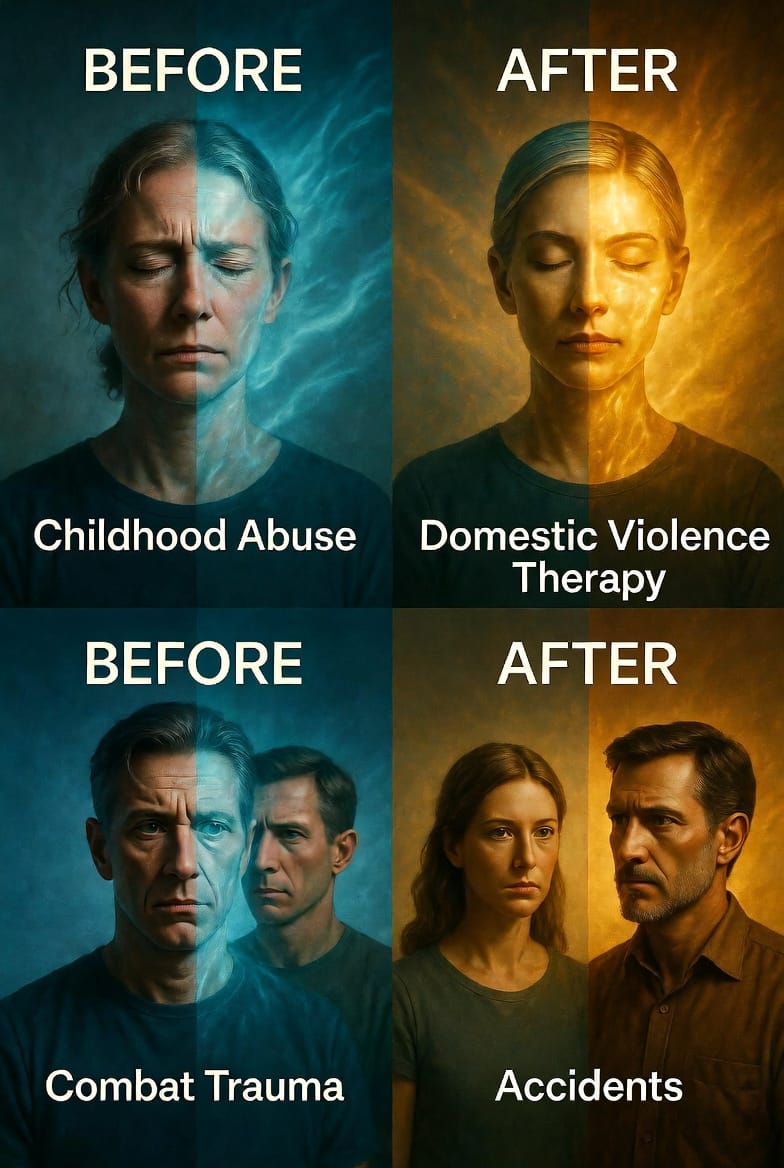
Many individuals in recovery carry specific trauma histories that directly influenced their relationship with substances:
- Childhood abuse (physical, emotional, or sexual) often leads to early self-medication to escape unbearable feelings.
- Domestic violence creates hyper-vigilance and trust issues that substances temporarily soothe.
- Combat trauma leaves veterans with PTSD symptoms that alcohol or drugs once muted.
- Accidents and sudden loss can produce intrusive memories and chronic pain that substances numb.
Understanding these connections allows treatment to address the full picture rather than isolated symptoms.
How Trauma-Informed Care Empowers Lasting Recovery
Empowerment is the ultimate goal. Clients are encouraged to reclaim their voice, set boundaries, and co-create their treatment plan. This restores the sense of control that trauma once stole.
Group sessions become safe spaces for mutual learning. Individual therapy honors each person’s pace. Life skills training focuses on building resilience and healthy coping tools.
As clients experience success within this supportive framework, confidence grows. They begin to envision a future defined not by their past but by their choices.
The Measurable Difference in Addiction Treatment
Programs that fully embrace trauma-informed care consistently report higher completion rates, reduced relapse, and stronger long-term sobriety. Clients stay engaged because they feel respected and understood.
Families often notice the difference too—communication improves, relationships mend, and hope returns. The entire recovery ecosystem benefits when trauma is addressed with care and expertise.
Bringing Trauma-Informed Care Into Your Recovery Story
Healing from both past trauma and addiction is not only possible—it is the most reliable path to freedom. When you choose a program grounded in trauma-informed care, you choose safety, collaboration, and genuine empowerment.
Every client who walks through our doors receives this compassionate, evidence-based approach tailored to their unique story.
Heal from the past to build your future. Our experienced team is ready to guide you with respect, understanding, and unwavering support. Your recovery journey deserves nothing less.
Call Now for Immediate Rehab Support & Guidance