The Toilet Flapper Failure: Why This Small Rubber Part Causes Big Water Waste
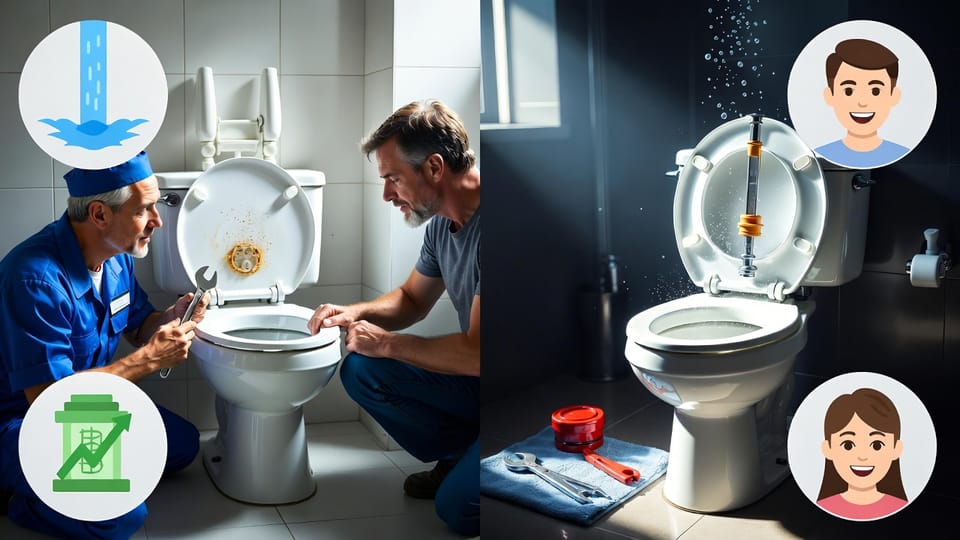
Every month, thousands of homeowners open their water bills and wonder why the numbers keep climbing. The culprit is often hiding in plain sight inside the toilet tank: a small rubber toilet flapper. This unassuming component is responsible for holding back thousands of gallons of water every day, yet when it fails, it can waste more water than most people realize.
Quick Toilet Flapper Replacement – Call Now
At first glance, a toilet flapper looks insignificant – just a flexible rubber disc attached to a chain. But this tiny part controls the entire flush cycle. When it performs perfectly, your toilet stays quiet and efficient. When it deteriorates, it creates silent leaks that drive up costs and strain local water resources. The good news? Recognizing toilet flapper failure early and fixing it is straightforward, affordable, and delivers immediate results.
In this comprehensive guide, we’ll walk you through exactly how the flapper works, the tell-tale signs it’s failing, simple tests you can do at home, and easy replacement steps that restore your toilet to peak performance. Whether you prefer a quick DIY fix or want the peace of mind of professional service, you’ll finish reading confident that you can stop the waste and lower your bills today.
How a Toilet Flapper Works – The Heart of Every Flush
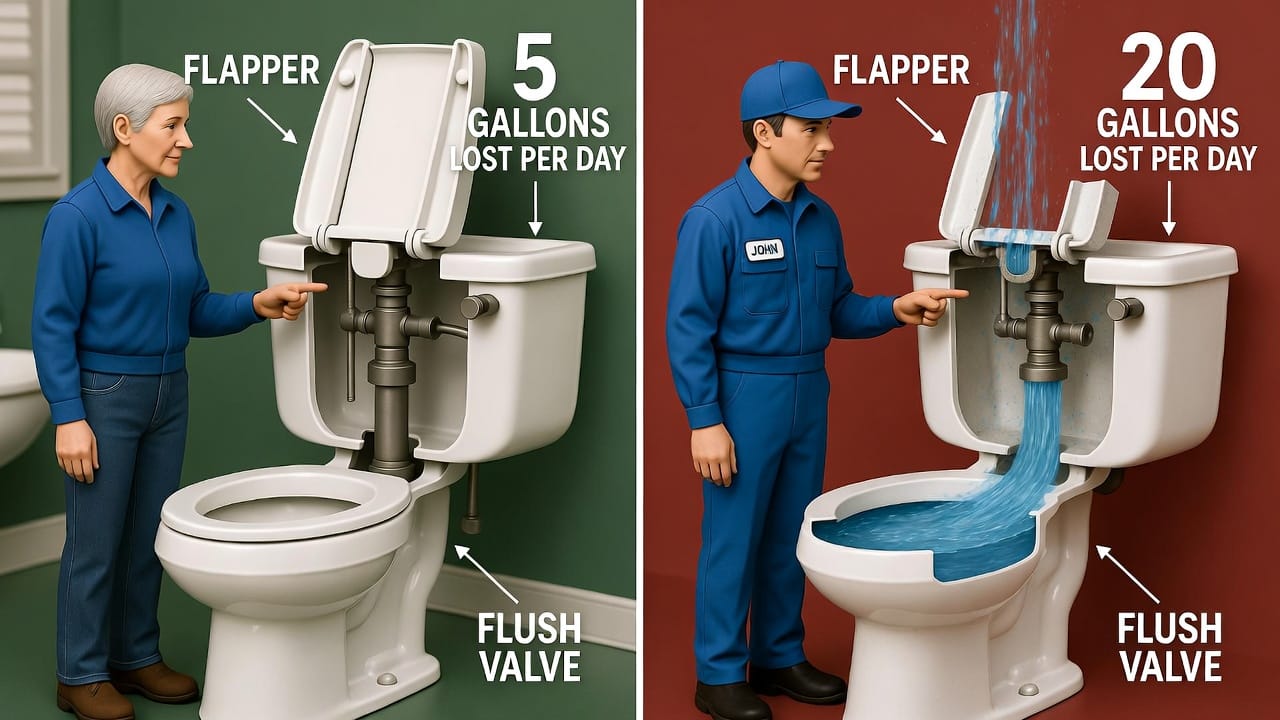
The toilet flapper sits at the bottom of the tank, sealing the flush valve opening. When you press the handle, the flapper lifts, allowing water to rush into the bowl and create the flush. Once the tank empties, the flapper drops back into place, forming a watertight seal so the tank can refill.
This simple mechanism repeats thousands of times each year in the average household. Over time, however, constant exposure to water, minerals, and cleaning chemicals causes the rubber to harden, crack, or warp. Even a tiny gap – no wider than a pencil lead – allows water to trickle continuously from the tank into the bowl.
Phantom flushes, those mysterious sounds in the middle of the night, are usually the first clue. The tank refills without anyone touching the handle because the flapper is no longer sealing properly. Rest assured, this is one of the most common plumbing issues we encounter, and it’s also one of the easiest to resolve. Understanding the mechanics gives you the power to act quickly and prevent unnecessary expense.
Clear Warning Signs Your Flapper Is Failing
Spotting toilet flapper failure early saves both water and money. Watch for these common indicators:
- Constant running water sound even when no one has flushed
- Phantom flushes occurring hours after the last use
- Higher-than-normal water bills without increased usage
- Bowl water level slowly dropping throughout the day
- Weak or incomplete flushes that require multiple handle presses
- Visible mineral buildup or discoloration around the flapper seat
These symptoms often develop gradually, which is why many homeowners overlook them for months. The reassuring truth is that none of these issues require major plumbing work. In most cases, replacing the toilet flapper takes less than 15 minutes and restores full function immediately.
If you notice even one of these signs, it’s worth investigating. Early action prevents the problem from escalating into more expensive repairs later.
The Hidden Cost: Water Waste That Adds Up Fast
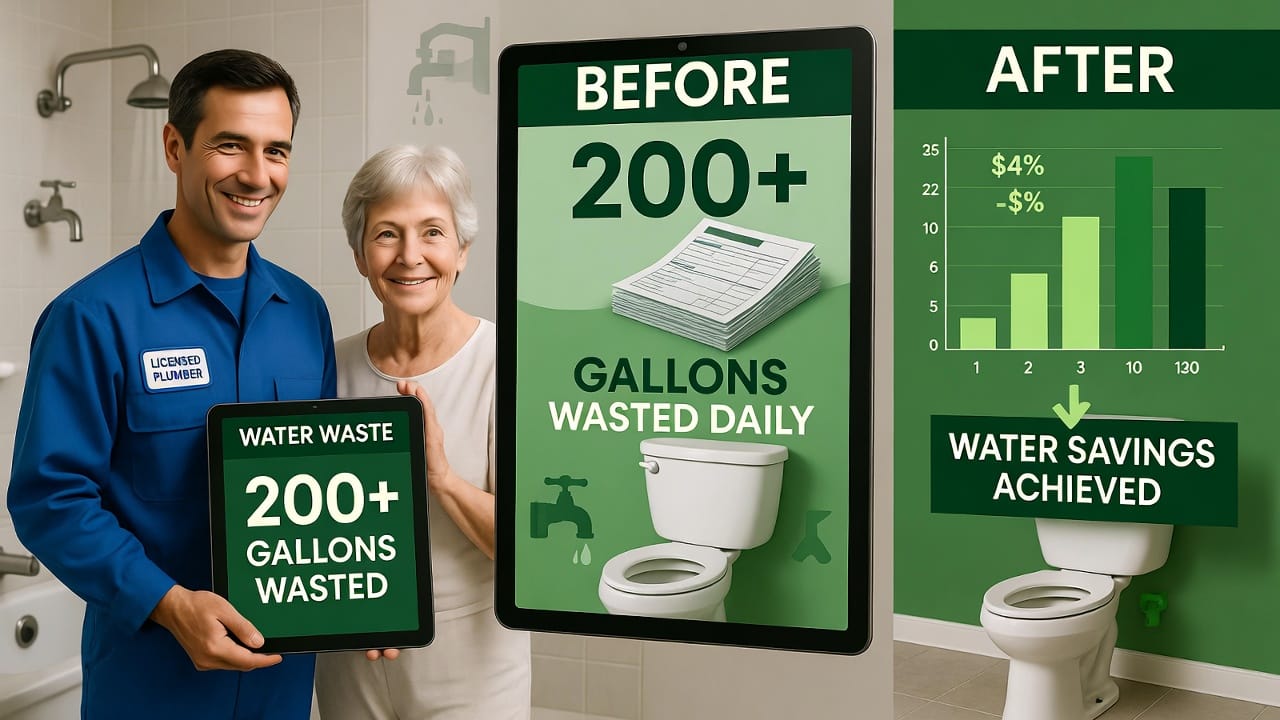
A failing toilet flapper doesn’t just annoy – it wastes water at an alarming rate. Industry data shows that a single leaking flapper can lose between 200 and 500 gallons per day. Over a month, that equals up to 15,000 gallons – enough to fill a small swimming pool.
For the average household, this translates to an extra $20–$50 added to monthly water bills. Annually, the cost can exceed $600, all from one small rubber part. Beyond the financial impact, every wasted gallon contributes to strain on municipal water systems and local ecosystems.
The encouraging news is that fixing this issue pays for itself almost instantly. Most replacement flappers cost under $10, and professional installation ensures the job is done correctly the first time. Homeowners who address toilet flapper failure promptly report immediate drops in their water usage and noticeable relief on their next bill.
Testing for Leaks: The Quick and Reliable Dye Tablet Method
Before reaching for tools, confirm the leak with a simple test that takes just minutes. Drop a dye tablet (or a few drops of food coloring) into the toilet tank. Wait 10–15 minutes without flushing. If colored water appears in the bowl, your toilet flapper is leaking.
This test is 100% reliable and requires no special skills. Many hardware stores offer free dye tablets for exactly this purpose. Performing the test gives you clear evidence and peace of mind before proceeding with replacement.
We recommend testing every six months as part of routine home maintenance. Catching toilet flapper failure early prevents months of unnecessary water loss.
Step-by-Step Guide: Replacing Your Toilet Flapper
Replacing a toilet flapper is one of the most beginner-friendly plumbing tasks. Here’s exactly how to do it safely and correctly:
- Turn off the water supply valve behind the toilet.
- Flush once to empty the tank, then sponge out any remaining water.
- Unhook the chain from the flush lever arm.
- Remove the old flapper by lifting the hinge pins or unscrewing the mounting ring.
- Clean the flush valve seat thoroughly with a cloth to remove mineral deposits.
- Install the new flapper, ensuring it sits flat and centered.
- Reattach the chain, adjusting length so it has slight slack when closed.
- Turn the water back on and test multiple flushes.
The entire process typically takes 10–15 minutes. Choose a flapper that matches your toilet model for the best seal. If you’re unsure about any step, professional plumbers are just a call away and will handle the job with precision.
Selecting the Right Replacement Flapper
Not all flappers are created equal. Universal models fit most toilets, but specific designs exist for low-flow, high-efficiency, and older two-piece units. Look for:
- Durable rubber or silicone construction resistant to chlorine and minerals
- Adjustable chain length for perfect timing
- Reinforced hinge points that resist cracking
- Clear manufacturer markings for easy future replacement
Investing in a quality flapper ensures years of reliable service. Avoid cheap generic versions that may fail quickly and create the same problem again.
When Professional Service Makes the Most Sense
While DIY replacement works for many, certain situations call for expert help. If your tank contains unusual hardware, you notice corrosion on metal parts, or you simply prefer guaranteed results, a licensed plumber offers several advantages:
- Proper diagnosis of related issues like faulty fill valves
- Use of commercial-grade components for longer life
- Thorough cleaning and inspection of the entire tank
- Peace of mind knowing the job is done right the first time
Our team specializes in fast, efficient toilet flapper replacement and can often complete the repair during the same visit while checking for other potential problems.
Preventive Maintenance to Keep Flappers Working Longer
Simple habits extend the life of your toilet flapper dramatically:
- Avoid harsh chemical cleaners that degrade rubber
- Install a water softener if you have hard water
- Check the flapper every six months during routine cleaning
- Replace the flapper every three to five years as preventive care
These small steps keep your toilet operating quietly and efficiently for years.
Environmental Impact and Community Benefits
Every gallon saved through quick toilet flapper failure repairs contributes to broader conservation efforts. Reduced water usage means less strain on treatment plants, lower energy consumption for pumping, and healthier local waterways. By addressing this common issue, you’re not only saving money but also acting as a responsible steward of precious resources.
Frequently Asked Questions About Toilet Flapper Issues
How long should a toilet flapper last?
Typically three to five years, though high-quality models and good water conditions can extend that timeline.
Can I use any flapper brand?
Universal flappers work in most cases, but matching your toilet model ensures the best seal.
Will a new flapper fix phantom flushes?
In the vast majority of cases, yes – provided no other components are failing.
Is it worth calling a plumber for such a small job?
Absolutely, especially if you want guaranteed results and a full system check at the same time.
Take Action Today and Stop the Waste
A failing toilet flapper is one of the simplest plumbing problems to solve, yet it creates some of the largest impacts on your water bill. Don’t let this small rubber part continue draining your resources.
Whether you tackle the replacement yourself or prefer professional assistance, the result is the same: quiet, efficient operation and immediate savings.
Our experienced team is ready to restore your toilet’s performance and give you peace of mind today.
Stop the Silent Leak – Professional Fix Today