The Teeth Whitening Sensitivity: Managing Discomfort Before and After
Teeth whitening remains one of the most popular cosmetic dental treatments for good reason. A brighter smile can boost confidence and create lasting positive impressions. Yet for many people, the process comes with an unwelcome side effect: teeth whitening sensitivity. This temporary discomfort often appears as a sharp zing when sipping cold water or breathing in cool air. The good news? Sensitivity is both predictable and highly manageable when you understand why it happens and take the right proactive steps.
Get Comfortable Teeth Whitening – Call Now!
This comprehensive guide explains the science behind whitening sensitivity in clear terms, outlines proven strategies to prevent and reduce discomfort, and shows you exactly what to expect before, during, and after treatment. Whether you are considering professional in-office whitening or a guided at-home system, you will finish reading with practical tools and genuine reassurance that a stunning smile does not have to come at the cost of painful sensitivity.
Why Teeth Whitening Causes Sensitivity
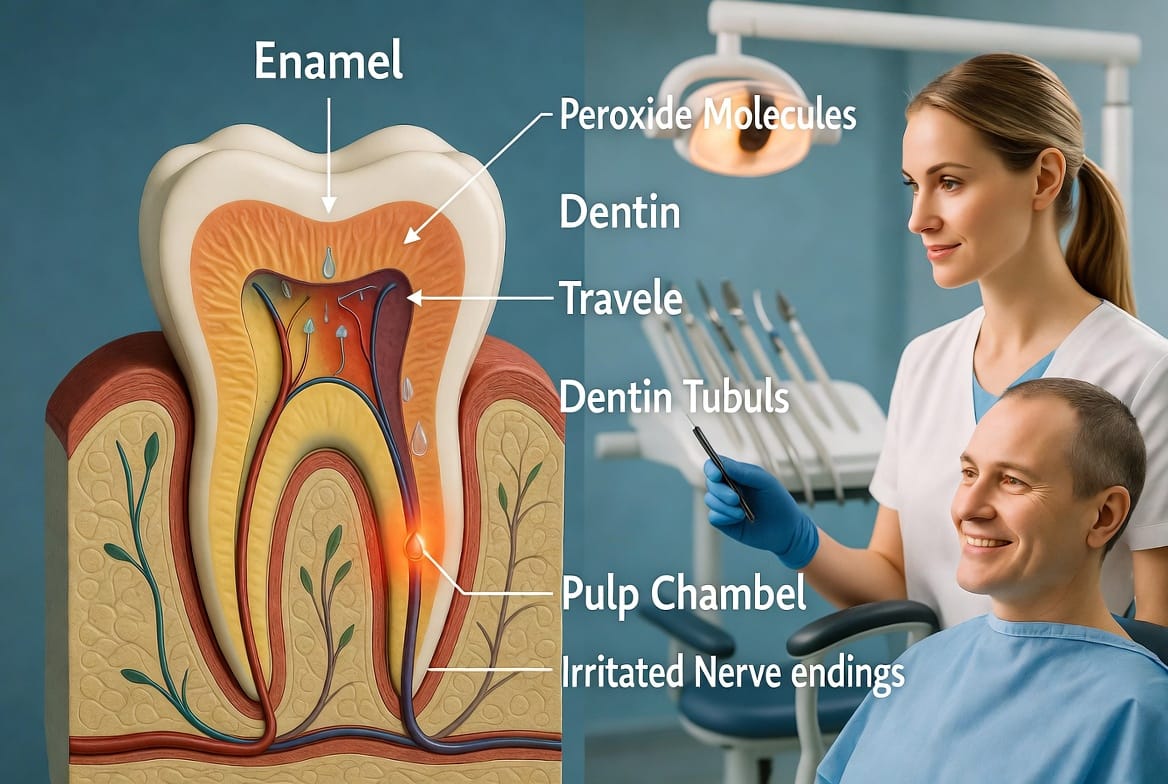
The active ingredients in most whitening products—hydrogen peroxide or carbamide peroxide—work by releasing oxygen radicals that break apart deeply embedded stain molecules. While highly effective at lifting discoloration from enamel, these peroxide molecules are small enough to travel through the microscopic pores in enamel and reach the underlying dentin layer.
Dentin contains thousands of tiny tubules that lead directly to the pulp chamber, home to the tooth’s nerve endings. When peroxide penetrates these pathways, it can temporarily irritate the nerves, making them hypersensitive to temperature changes, touch, and even air. This is not permanent nerve damage. It is a reversible inflammatory response that typically peaks within the first 24 to 48 hours after whitening and gradually fades over the next few days.
Key factors that influence sensitivity levels include:
- Higher peroxide concentrations
- Longer application times per session
- Pre-existing enamel wear or exposed dentin
- Recent dental work or untreated decay
- Individual nerve sensitivity variations
Understanding this mechanism helps explain why some people experience almost no discomfort while others feel significant sensitivity. The goal is never to eliminate the whitening power but to control how much irritation reaches the nerves.
Preparing Before Treatment: Your Best Defense Against Sensitivity
The most effective way to minimize teeth whitening sensitivity is to prepare your teeth days or even weeks before you begin whitening. Think of it as building a protective buffer around the nerves.
Start with desensitizing toothpaste two weeks prior. These toothpastes contain potassium nitrate or stannous fluoride, which help calm nerve activity and strengthen enamel. Use them twice daily as your regular toothpaste. Many patients notice a dramatic reduction in sensitivity simply by making this one change.
Pre-treat with a dedicated desensitizing gel or serum. Apply a thin layer to your teeth for 10–15 minutes before each whitening session (or as directed). These products create a temporary barrier and further soothe nerve endings. Professional-grade desensitizers often contain higher concentrations of active ingredients than over-the-counter versions.
Choose lower peroxide concentrations when possible. Professional systems allow your dentist to select the ideal strength for your enamel condition and sensitivity history. At-home kits with 10–16% carbamide peroxide tend to cause less irritation than stronger 20–35% formulas, though results may take slightly longer.
Avoid extreme temperatures and acidic foods for 48 hours before treatment. Cold drinks, ice cream, citrus, and soda can already stress enamel. Entering your whitening appointment with calm teeth gives you a significant advantage.
Consider a professional consultation first. A dentist can examine your enamel thickness, check for cracks or exposed roots, and recommend the safest, most effective protocol tailored to your mouth. This single step often prevents the majority of sensitivity issues before they start.
Managing Sensitivity During the Whitening Process
Even with excellent preparation, some mild sensitivity during active whitening is normal. The key is to keep sessions controlled and listen to your teeth.
- Shorten application times. Instead of the full recommended duration, start with 15–20 minutes and increase only if comfortable. Multiple shorter sessions usually produce excellent results with far less irritation than one long session.
- Take scheduled breaks between treatments. Allow at least 48 hours between whitening sessions so nerves can settle. Rushing the process is one of the biggest triggers of prolonged sensitivity.
- Use desensitizing products immediately after each session. Reapply gel or switch to desensitizing toothpaste right after rinsing to calm any emerging zing.
- Keep whitening products away from gums. Excess gel on soft tissue can increase overall discomfort. Use precise applicators and wipe away any overflow.
- Stay hydrated and avoid sucking on ice or very cold drinks during the active whitening period.
Many patients find that once they adopt shorter, gentler sessions combined with consistent desensitizer use, sensitivity becomes barely noticeable or disappears entirely.
Post-Whitening Care: Protecting Your Results and Comfort
The 48–72 hours after whitening are critical. Your enamel is temporarily more porous, and nerves remain slightly reactive. Thoughtful aftercare dramatically reduces lingering discomfort and helps your bright new shade stabilize beautifully.
Continue desensitizing toothpaste and gel for at least one week. This is not the time to switch back to regular toothpaste. Consistent use helps nerves return to normal sensitivity levels faster.
Follow a “soft and room-temperature” diet for the first two days. Enjoy yogurt, oatmeal, mashed potatoes, and room-temperature proteins. Avoid crunchy foods that require heavy chewing, as well as anything extremely hot or cold.
Steer clear of acidic and staining beverages. Coffee, tea, red wine, citrus juices, and soda can both irritate sensitive teeth and re-stain freshly whitened enamel. Use a straw when possible and rinse with water afterward.
Maintain excellent but gentle oral hygiene. Brush softly with a soft-bristled toothbrush. Floss daily. Avoid aggressive whitening mouthwashes that contain alcohol or additional peroxides during the recovery window.
Watch for unusual or prolonged symptoms. Mild sensitivity that improves daily is expected. Severe pain, throbbing, or sensitivity lasting more than a week warrants a call to your dental professional.
When Professional Guidance Makes the Biggest Difference
While at-home whitening kits are convenient, professional supervision offers clear advantages for anyone concerned about sensitivity. Dentists can:
- Apply higher-strength gels in controlled, shorter bursts with built-in desensitizing agents
- Use light or laser activation that often reduces overall treatment time
- Provide custom-fitted trays that minimize gel contact with gums and soft tissue
- Monitor enamel condition throughout the process and adjust protocols instantly
- Offer stronger, prescription desensitizers not available over the counter
Patients who whiten under professional guidance consistently report higher satisfaction and significantly lower rates of problematic sensitivity. The investment in expert oversight often translates into a more comfortable experience and longer-lasting, more even results.
Frequently Asked Questions About Teeth Whitening Sensitivity
How long does sensitivity usually last?
Most people experience peak sensitivity for 24–48 hours after each session. It gradually decreases over the next 3–5 days. With proper preparation and aftercare, many patients feel little to no discomfort at all.
Does sensitivity mean my enamel is being damaged?
No. Temporary sensitivity is a nerve response, not a sign of permanent enamel loss. When managed correctly, whitening does not harm healthy tooth structure.
Can I still whiten if I already have sensitive teeth?
Yes, but you should work closely with a dental professional. They can recommend lower concentrations, stronger desensitizing protocols, or alternative cosmetic options that may suit your situation better.
Is professional whitening less likely to cause sensitivity than at-home kits?
Often yes, because professionals control the concentration, application time, and can incorporate desensitizers directly into the process. However, results vary by individual.
What should I do if sensitivity becomes severe?
Stop whitening immediately and contact your dentist. They can assess whether you need additional desensitizing treatment or if another factor is contributing to the discomfort.
Your Brightest, Most Comfortable Smile Awaits
Teeth whitening sensitivity is a common and temporary side effect, not an inevitable part of achieving a radiant smile. By understanding how peroxide interacts with your teeth, preparing thoughtfully beforehand, managing sessions wisely, and caring for your smile afterward, you can enjoy stunning results with minimal or no discomfort.
Professional guidance remains the gold standard for both safety and comfort. A customized approach that respects your enamel condition and nerve sensitivity delivers the best of both worlds: a dramatically brighter smile and a genuinely pleasant experience.
Whiten Your Smile Without the Sensitivity – Speak to an Expert