The Dry Socket Treatment: What Your Dentist Does to Relieve Pain

Tooth extractions are common dental procedures that help resolve serious issues like impacted wisdom teeth, severe decay, or overcrowding. While most heal smoothly, some patients experience a painful complication known as dry socket. This condition can turn a routine recovery into a challenging experience, but with prompt professional intervention, relief is achievable and healing progresses effectively.
Immediate Dry Socket Treatment – Call Today
In this comprehensive guide, we explore everything you need to know about dry socket treatment. From understanding the condition to the specific steps your dentist takes to ease discomfort, we provide reassuring, expert-backed insights to help you navigate recovery with confidence. Early recognition and treatment make all the difference in minimizing pain and supporting optimal healing.
Understanding Dry Socket: A Common Post-Extraction Complication
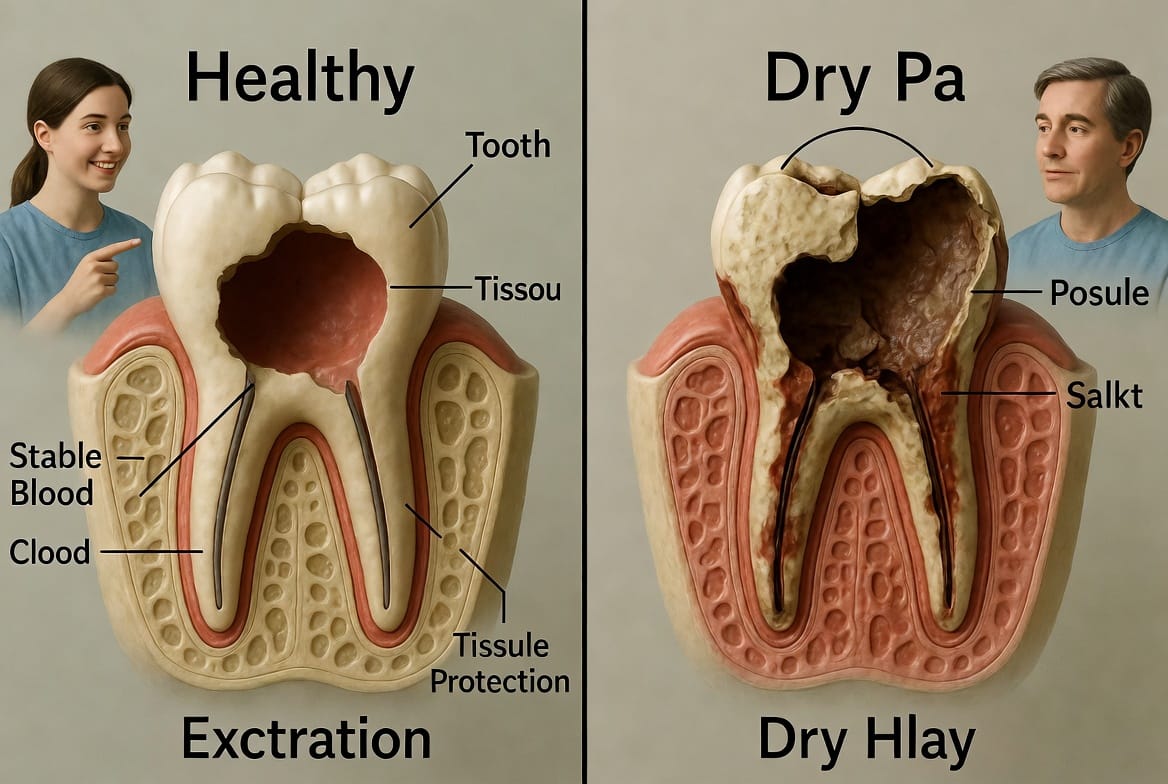
After a tooth is removed, your body naturally forms a blood clot in the empty socket. This clot serves as a protective barrier over the underlying bone and nerve endings while new tissue begins to grow.
Dry socket, also known as alveolar osteitis, occurs when this blood clot dislodges or dissolves prematurely. Without the clot, the sensitive bone and nerves become exposed to air, food particles, and oral bacteria, resulting in intense discomfort.
This complication typically develops 3 to 5 days after extraction. While not extremely common, affecting roughly 2-5% of routine extractions (higher for wisdom teeth), it represents one of the most significant sources of post-procedure pain. The good news? Dentists are well-equipped to manage it effectively.
Recognizing the Symptoms of Dry Socket
Severe pain is the hallmark symptom. Unlike normal post-extraction soreness that gradually improves, dry socket pain often intensifies around day 3-5 and can radiate to the ear, eye, or neck on the affected side.
Common symptoms include:
- Throbbing or radiating pain that may not respond well to over-the-counter medications
- Visible exposed bone in the socket (often appearing white or yellowish)
- Unpleasant taste or odor coming from the extraction site
- Swollen lymph nodes near the jaw
- Difficulty opening the mouth fully or chewing
If you notice these signs after an extraction, contact your dentist promptly. Early treatment prevents prolonged discomfort and reduces the risk of secondary infections.
Risk Factors: Who Is More Likely to Develop Dry Socket?
Certain factors can increase susceptibility. Understanding these helps patients take proactive steps.
Key risk factors include:
- Smoking or tobacco use – Chemicals interfere with clotting and healing
- Oral contraceptives – Hormonal changes affect blood clot stability
- Poor oral hygiene before or after the procedure
- Traumatic or difficult extraction – Especially with impacted wisdom teeth
- History of previous dry socket episodes
- Advanced age or certain medical conditions affecting healing

Prevention Strategies: Reducing Your Chances
While not all cases are preventable, following your dentist’s pre- and post-operative instructions significantly lowers risk.
- Avoid smoking for at least 48-72 hours (ideally longer)
- Follow prescribed gentle rinsing protocols – no vigorous swishing
- Maintain excellent oral hygiene without disturbing the site
- Attend all follow-up appointments
- Choose an experienced oral surgeon for complex extractions
These simple measures support proper clot formation and protect the healing process.
Diagnosis: How Dentists Confirm Dry Socket
Diagnosis is straightforward and based on clinical examination. Your dentist will review symptoms, inspect the socket for exposed bone, and rule out other issues like infection or retained root fragments.
No special imaging is usually required, though X-rays may be used if complications are suspected. The authoritative evaluation ensures accurate identification so targeted treatment can begin immediately.
The Dry Socket Treatment Process: What Your Dentist Does
Professional treatment focuses on pain relief, protection of the socket, and promotion of healing. Here’s what typically happens during your visit:
- Gentle Cleaning – The dentist carefully irrigates the socket to remove debris and bacteria without disturbing new healing tissue.
- Medicated Dressing Application – A specialized medicated paste or gauze (often containing eugenol or other soothing agents) is placed directly into the socket. This dressing provides immediate pain relief by numbing exposed nerves and protecting the bone.
- Pain Management Support – Prescription or recommended analgesics help control discomfort. In some cases, additional anti-inflammatory medications are provided.
- Follow-up Dressings – The initial dressing may be replaced every 1-3 days until pain subsides and new tissue begins covering the area.
Dentists tailor each step to the patient’s specific needs, ensuring comfort throughout the process. Most patients report significant relief shortly after the first dressing placement.
This hands-on approach accelerates recovery while preventing further complications. The procedure is quick, performed in-office, and designed with patient comfort as the priority.
Pain Management and Home Care Tips
While professional treatment forms the foundation, supportive home care enhances results:
- Take prescribed medications as directed
- Apply cold compresses externally for swelling
- Stick to soft, cool foods and avoid straws, hot beverages, or spicy items
- Maintain gentle salt water rinses after 24 hours
- Rest with your head elevated
Avoid actions that could dislodge new clots or irritate the area. Your dentist will provide personalized instructions tailored to your situation.
The Healing Timeline: What to Expect
With proper dry socket treatment, most patients experience substantial improvement within 5 to 10 days.
- Days 1-3 after treatment: Noticeable pain reduction as the dressing protects the site
- Days 4-7: Gradual tissue growth begins covering exposed bone
- Week 2: Socket fills with granulation tissue
- Full healing: Several weeks for complete bone and gum restoration
The timeline varies based on individual health, extraction difficulty, and adherence to care guidelines. Consistent follow-up ensures steady progress toward full recovery.
Throughout this period, dentists monitor healing and adjust treatment as needed, providing reassurance that you are on the path to restored oral health.
When to Seek Immediate Professional Help
Contact your dentist right away if pain worsens, you develop fever, excessive swelling, or pus drainage. These could indicate additional complications requiring prompt attention.
Remember, dry socket is manageable with expert care. Do not hesitate to reach out – timely intervention brings faster relief.
Long-Term Oral Health Considerations
Experiencing dry socket does not mean future extractions carry the same risk. Learning from the episode allows better preparation next time. Many patients go on to enjoy excellent dental health with proper maintenance and regular check-ups.
Maintaining strong oral hygiene, attending routine cleanings, and addressing issues early contribute to fewer complications overall.
Frequently Asked Questions About Dry Socket Treatment
How long does the pain last after treatment?
Most patients feel much better within hours of the medicated dressing, with continued improvement over several days.
Can dry socket lead to infection?
While the exposed site increases vulnerability, professional cleaning and dressings greatly reduce infection risk.
Is dry socket preventable in all cases?
Not entirely, but following post-extraction guidelines minimizes chances significantly.
Will I need antibiotics?
Antibiotics are not routinely prescribed for uncomplicated dry socket unless signs of infection are present.
These insights address common concerns and empower patients with knowledge.
Conclusion: Expert Care for Lasting Relief
Dry socket can be distressing, but modern dental techniques offer reliable, compassionate solutions. Through professional medicated dressings, targeted pain management, and supportive guidance, dentists help patients move past discomfort and back to normal life quickly.
If you’ve recently had a tooth extracted and are experiencing unusual pain, trust that effective help is available. Our experienced team is ready to provide the attentive care you need for swift relief and complete healing.
Don’t let dry socket disrupt your recovery. Reach out today and experience the difference expert treatment makes.
Severe Pain After Extraction? Get Expert Help Now