The Surge Protection Hierarchy: Whole-House vs. Point-of-Use Protection
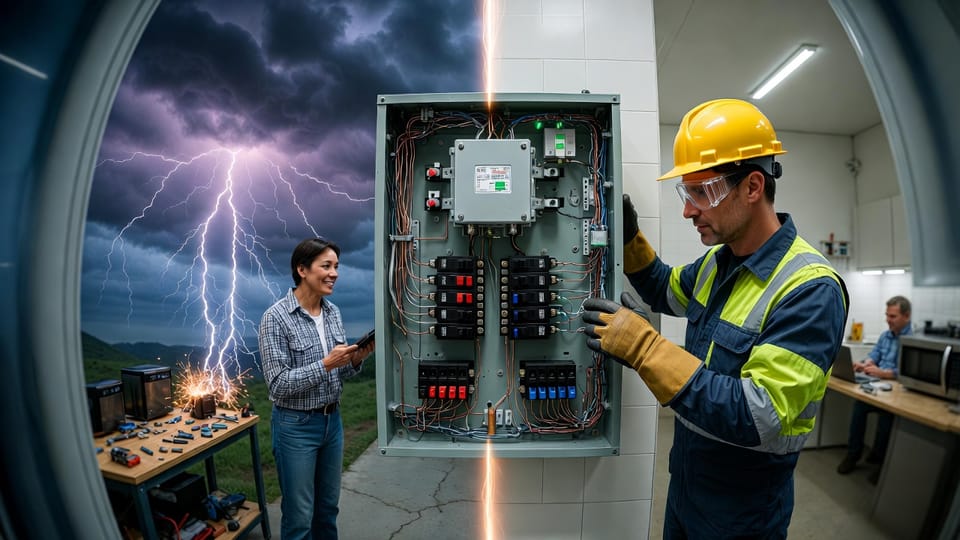
In today’s connected homes filled with sensitive electronics, power surges represent one of the most common yet underestimated threats. A single surge can silently damage appliances, corrupt data, or even create fire hazards. That is why understanding the surge protection hierarchy is essential. Layered protection combines whole-house surge protectors at the main panel with point-of-use protectors (such as surge power strips) to create a comprehensive defense. This approach stops major surges early while catching smaller spikes that slip through, ensuring your entire home and its valuable devices stay safe.
Stop Surges Before They Strike – Get Protected Now
Rest assured, implementing this hierarchy is straightforward and highly effective when done correctly. Professional electricians recommend it as the gold standard for modern households. Let’s explore exactly how each layer works, why both are necessary, and how you can protect your home today.
What Causes Power Surges and Why They Matter
Power surges occur when voltage spikes dramatically above the normal 120-volt standard. Lightning strikes, utility grid switching, or even large appliances cycling on and off inside your home can trigger them. These events send thousands of volts racing through your wiring in milliseconds.
Key risks include:
- Irreversible appliance failure – refrigerators, HVAC systems, and washers often suffer hidden compressor or circuit board damage
- Data loss and corrupted files on computers and servers
- Fire hazards from overheated wiring or melted insulation
- Premature wear on LED lights, smart TVs, and gaming consoles
Without proper protection, even a modest surge can cost thousands in repairs or replacements. The good news? A well-designed layered surge protection strategy stops these threats at multiple points before they reach your belongings.
The Power of Layered Surge Protection
Think of surge protection like a professional security system for your electrical system. A single layer leaves gaps; multiple coordinated layers close them.
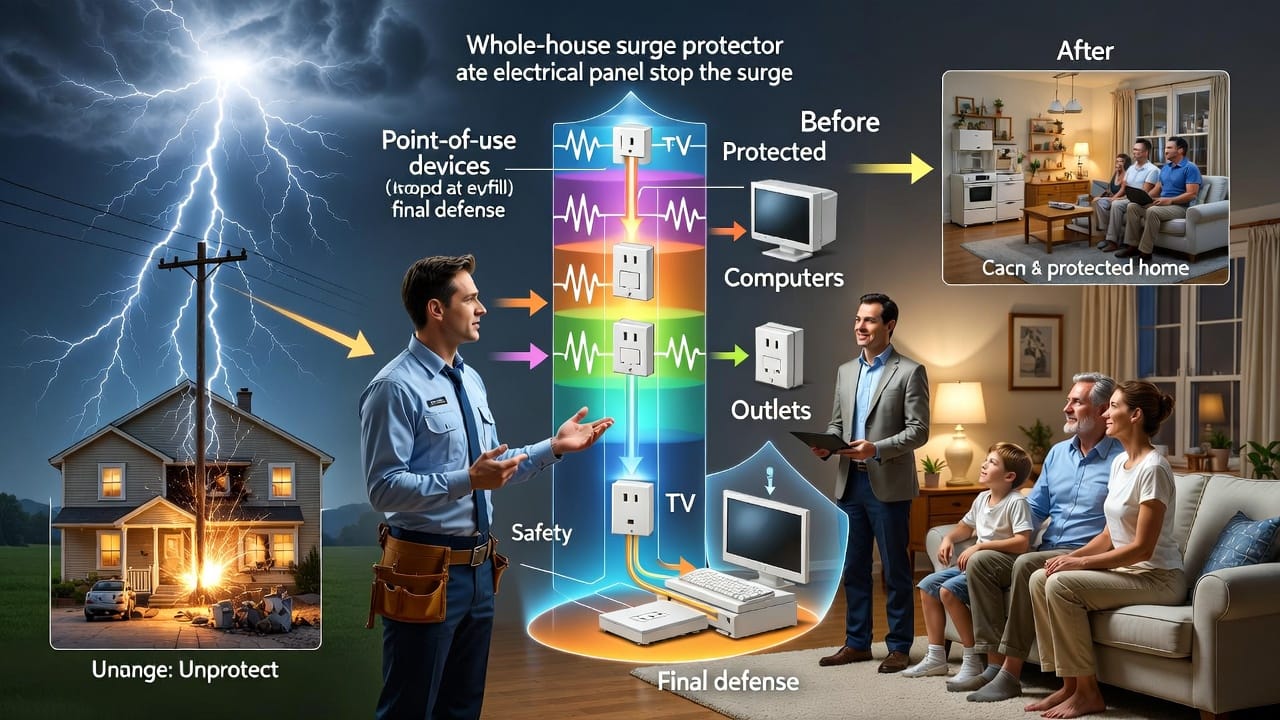
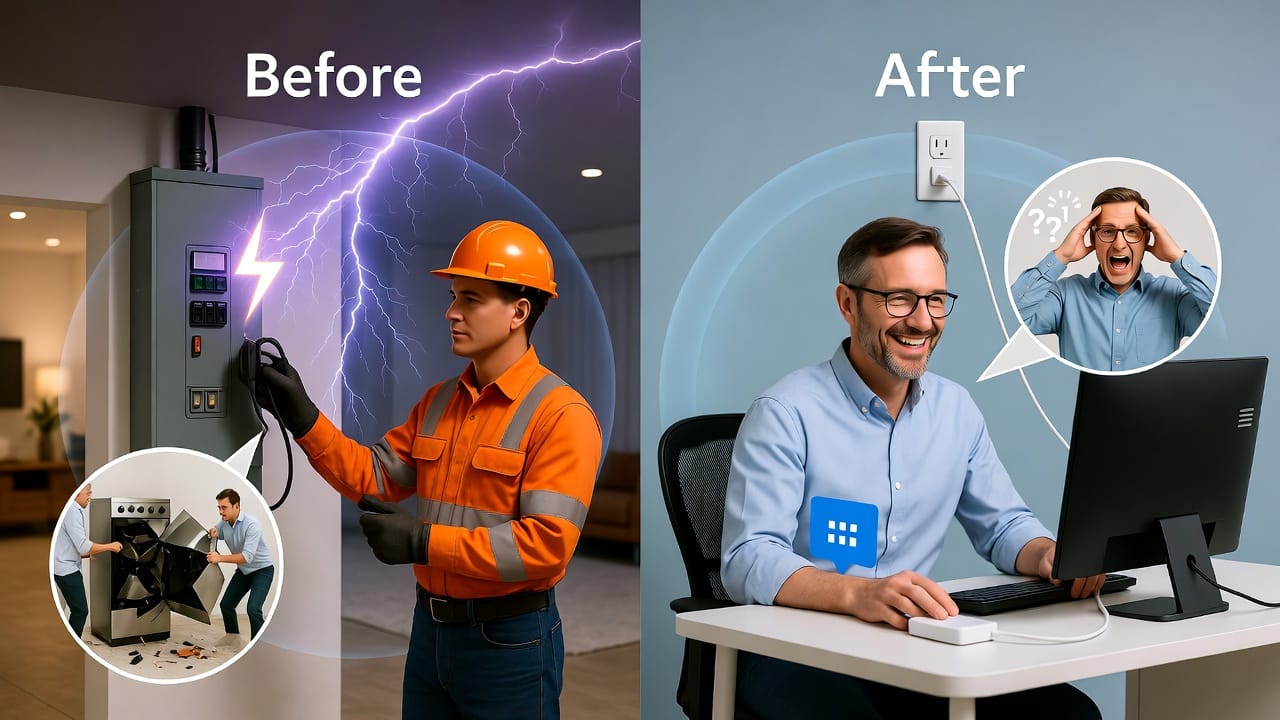
Whole-house surge protectors act as the primary barrier at the service entrance. Point-of-use protectors serve as the final safeguard at individual outlets. Together they form the complete surge protection hierarchy – stopping 99% of dangerous energy before it ever touches your devices.
This layered approach is reassuring because it accounts for real-world conditions: massive external surges from storms and smaller internal surges from everyday appliances. Homeowners who combine both levels report dramatically fewer equipment failures and greater peace of mind during stormy seasons.
Whole-House Surge Protectors: Your First and Strongest Line of Defense
Installed directly at your main electrical panel, whole-house surge protectors monitor incoming power from the utility and instantly divert dangerous surges to ground. These robust devices are rated to handle thousands of volts and amps – far beyond what any power strip could manage.
Professional electricians wire them in parallel with your panel using heavy-gauge conductors. When a surge arrives, the protector clamps the voltage and safely redirects excess energy, protecting every circuit in your home simultaneously.
Benefits of whole-house protection include:
- Complete home coverage – every outlet, light, and appliance is shielded
- High-capacity surge handling – designed for lightning-level events
- Long-term cost savings – one device protects thousands of dollars in equipment
- Set-it-and-forget-it reliability – no plugs to manage or replace regularly
Because installation involves opening the main panel and working with live service conductors, it must be performed by a licensed electrician. The investment pays for itself the first time a major surge is diverted.
Point-of-Use Surge Protectors: The Final Layer of Security
Even the best whole-house protector cannot eliminate every residual spike. That is where point-of-use protectors – commonly called surge power strips – provide the last line of defense. These compact devices plug into standard outlets and feature built-in metal-oxide varistors (MOVs) that absorb smaller voltage fluctuations.
They are ideal for sensitive electronics such as:
- Computers and home-office setups
- Smart TVs and entertainment systems
- Gaming consoles and audio equipment
- Medical devices and Wi-Fi routers
Point-of-use protectors respond in nanoseconds to catch spikes that bypass the panel. Many models also include USB charging ports, coaxial protection, and phone-line surge suppression for complete connectivity safety.
Installation is simple and DIY-friendly – just plug and play. However, not all power strips offer true surge protection; always check for a joule rating above 600 and a UL 1449 certification.
Whole-House vs. Point-of-Use: Direct Comparison
Understanding the differences helps you build the right hierarchy for your needs.
Whole-house surge protectors:
- Protect every appliance and circuit in the home
- Installed by a licensed electrician at the main panel
- Handle massive external surges up to 100,000 amps
- One-time professional installation with long service life
Point-of-use protectors:
- Safeguard specific sensitive devices at the outlet
- Easy DIY installation – no tools required
- Address smaller internal spikes and residual energy
- Portable and replaceable as technology changes
When used together, these two layers deliver unmatched protection. Relying on point-of-use devices alone leaves your HVAC, refrigerator, and lighting vulnerable. Skipping point-of-use leaves expensive electronics exposed to residual surges that sneak past the panel.
How to Implement the Full Surge Protection Hierarchy
Start with a professional assessment of your electrical panel. A qualified electrician will:
- Evaluate your home’s surge risk based on location and wiring age
- Recommend the right joule rating and clamping voltage for whole-house protection
- Install the device with proper grounding verification
- Suggest high-quality point-of-use protectors for key electronics
Maintenance is minimal. Whole-house units include indicator lights that show when replacement is needed (typically every 10–15 years). Point-of-use strips should be replaced if the protection light goes out or every 3–5 years.
Signs Your Home Needs Upgraded Surge Protection
Look for these warning signs:
- Flickering lights during storms
- Unexplained appliance malfunctions
- Warm or discolored outlets
- Frequent circuit breaker trips
- Older home built before 2000
If you notice any of these, it is time to strengthen your surge protection hierarchy.
Why Professional Installation Matters
Electricity demands respect. DIY attempts at panel work can void insurance coverage and create dangerous conditions. Licensed electricians bring the right tools, permits, and expertise to ensure your whole-house protector is installed safely and correctly the first time.
You can rest easy knowing your home meets the latest National Electrical Code requirements and that every connection is torqued to manufacturer specifications.
Protect Your Home with Multiple Layers Today
The surge protection hierarchy is not optional – it is essential insurance for every modern household. By combining whole-house surge protectors at the panel with point-of-use protectors at critical outlets, you create a reliable, multi-layered defense that safeguards your family, finances, and peace of mind.
Do not wait for the next storm or power fluctuation to reveal hidden vulnerabilities. Protect your home with proven layered surge protection. Call our licensed electricians today for a free assessment and professional whole-house surge protector installation.
Don’t Risk Costly Damage – Secure Your Home Surge Protection