The Solar Panel Angled Installation: Optimizing Tilt for Your Latitude
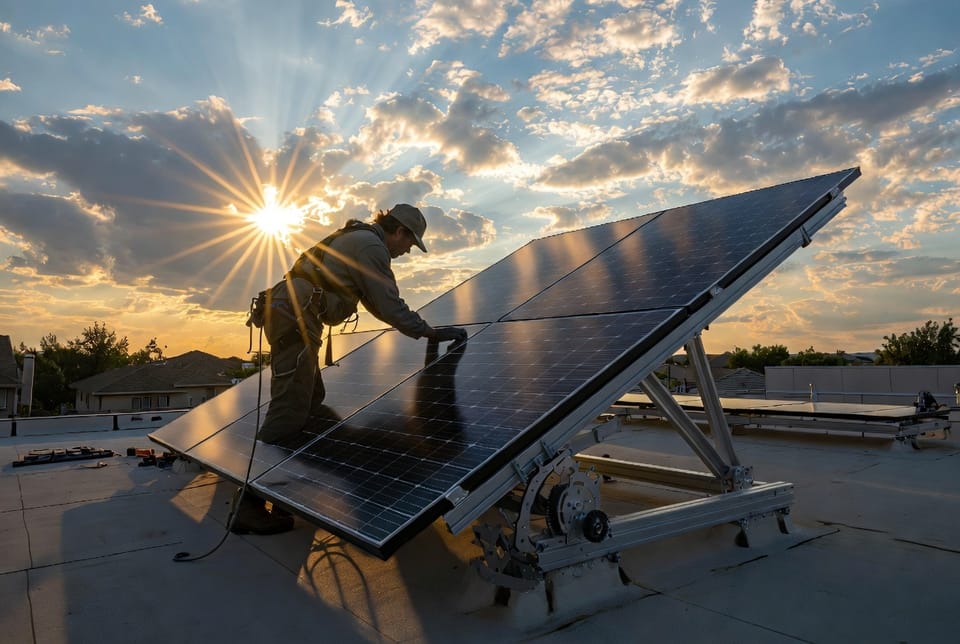
In the world of solar energy, one of the most critical yet often overlooked design factors is the solar panel angled installation. Getting the tilt angle right can dramatically boost your system's efficiency, increase energy production, and maximize your return on investment. Whether you're a homeowner in Texas or across the United States, understanding how to optimize panel tilt according to your latitude is essential for harnessing the sun's power effectively year-round.
Get Expert Solar Angle Optimization – Call Now
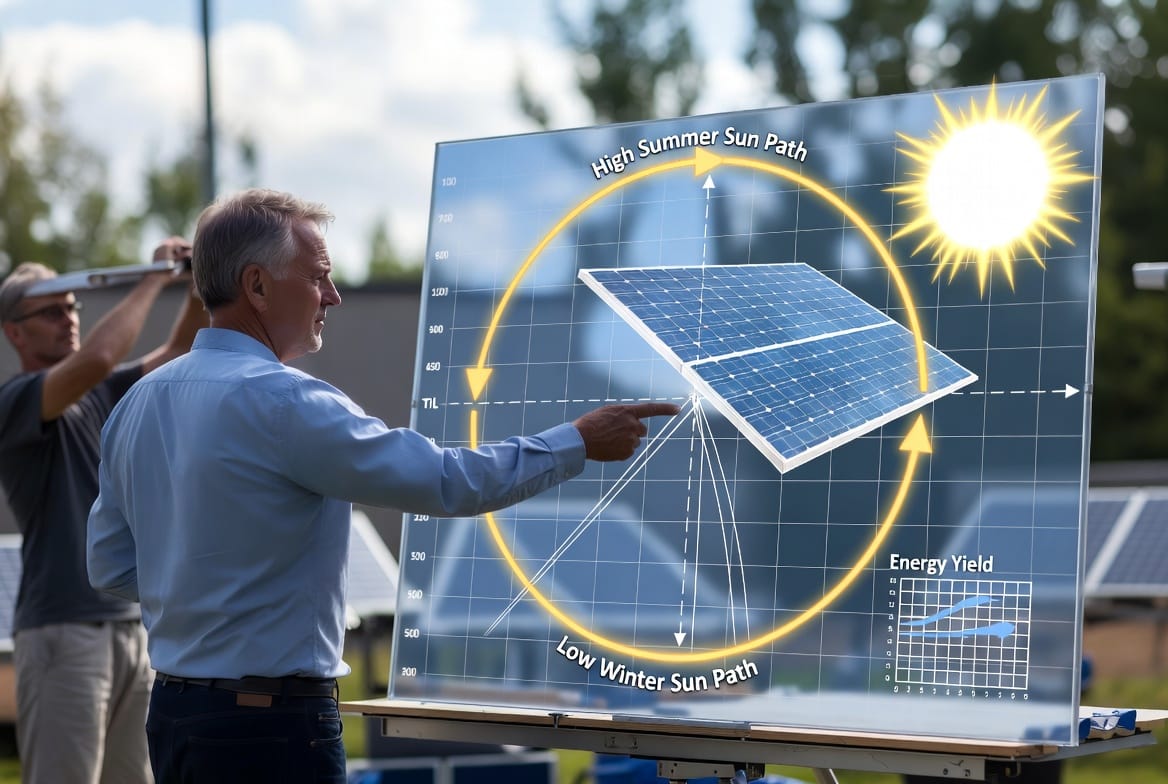
At its core, the angle of your solar panels determines how directly they face the sun throughout the day and across seasons. The sun's position changes constantly—higher in summer, lower in winter—which means a fixed setup may underperform during certain months. By fine-tuning the tilt, you ensure panels capture more sunlight, converting it into clean, reliable electricity for your home. This guide explores everything you need to know about optimizing solar panel tilt, from basic principles to practical recommendations.
Why Solar Panel Tilt Matters
Proper panel tilt directly impacts photovoltaic efficiency. When sunlight strikes panels perpendicularly, they generate maximum power. Deviations reduce output significantly. For instance, a poorly angled system might lose 10-40% of potential energy depending on the season and location.
Homeowners who invest in correct angled installation often see higher annual production, lower electricity bills, and faster payback periods. It's a smart, proactive step that aligns your system with nature's rhythms.
Understanding Solar Angles and Latitude
The optimal tilt for solar panels closely relates to your geographic latitude. At the equator (0° latitude), the sun is nearly overhead year-round, so panels perform best with little to no tilt. As you move toward the poles, the sun sits lower in the sky, requiring steeper angles.
For most of the US, optimal fixed tilts range from 30 to 45 degrees, matching the latitude of many cities. This rule of thumb—setting tilt equal to latitude—provides a strong baseline for year-round performance.
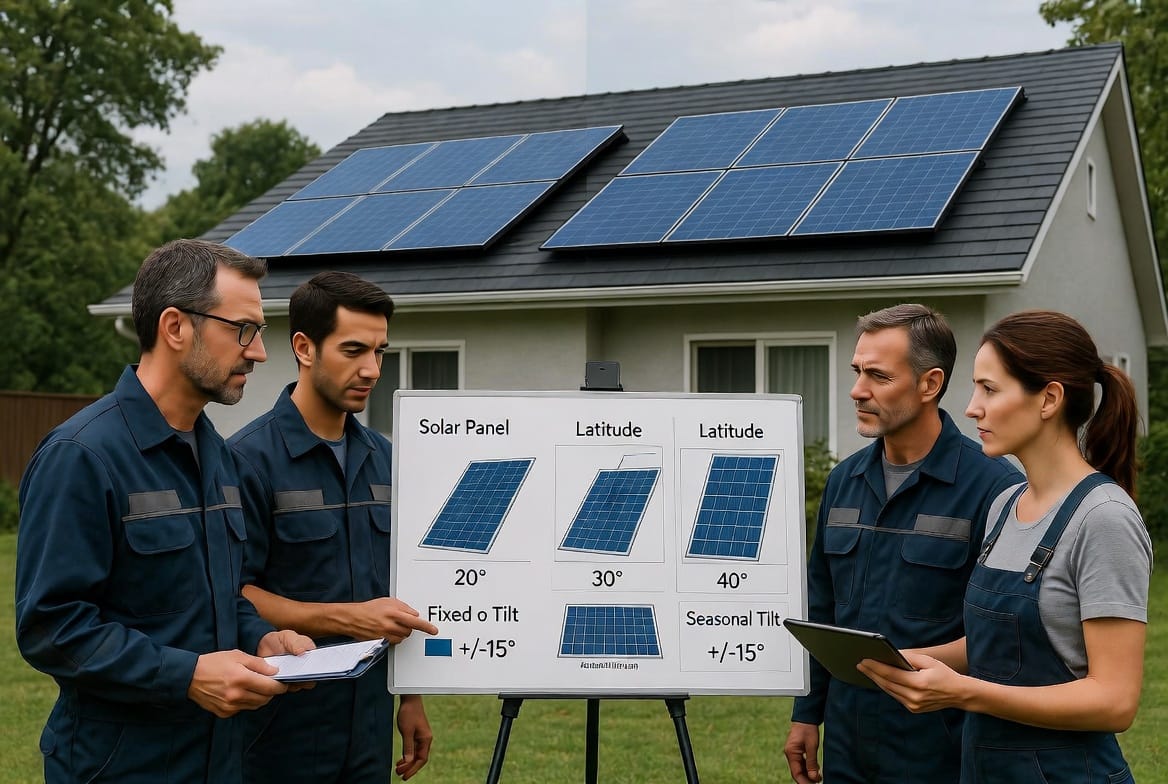
- Latitude 20° (e.g., southern Florida or Hawaii): Optimal fixed tilt around 20°.
- Latitude 30° (e.g., parts of Texas, Louisiana): Around 30°.
- Latitude 40° (e.g., much of the northern US): Around 40°.
These angles help panels face the sun more directly during peak production hours. However, because the Earth's tilt causes seasonal variations, adjustments can yield even better results.
Fixed Tilt vs. Adjustable Tilt Systems
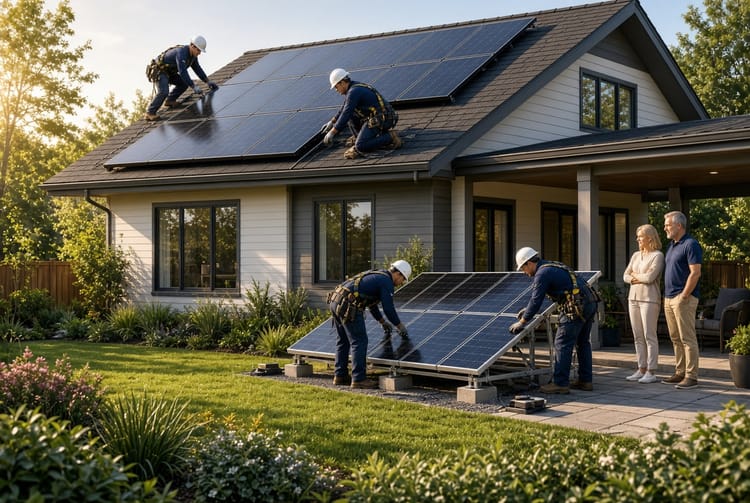
When planning your solar panel angled installation, you'll choose between fixed and adjustable mounting systems.
Fixed Tilt Systems
These are the most common and cost-effective option. Panels are installed at a permanent angle, typically set to your latitude or optimized for winter production (when energy demand might be higher).
Advantages include:
- Lower upfront and maintenance costs
- Simpler installation with fewer moving parts
- Excellent reliability and longevity
A fixed tilt at your latitude can capture about 71% of the maximum possible energy compared to a perfect tracking system. For many homeowners, this is more than sufficient, especially when combined with high-efficiency panels.
Adjustable Tilt Systems
These mounts allow you to change the angle manually or automatically. Seasonal adjustments—typically twice a year (spring and fall)—can increase annual output by 4-8% or more.
Benefits of adjustable setups:
- Maximize production during shoulder seasons
- Better performance in variable climates
- Flexibility for off-grid or high-demand systems
While adjustable systems cost more initially, the energy gains often justify the investment for those seeking peak efficiency. Professional installers can recommend the best option based on your energy goals, roof space, and budget.
Seasonal Tilt Recommendations for Maximum Annual Production
To truly optimize your system, consider seasonal adjustments. The sun's path shifts by about 47° between summer and winter solstices in the US, making tilt tweaks highly effective.
General Seasonal Guidelines (adjust ±15° from latitude baseline):
- Winter (November-February): Increase tilt by 15° for lower sun angles. This helps capture more low-angle sunlight on shorter days.
- Summer (May-August): Decrease tilt by 15° to face the higher sun directly. Flatter angles reduce reflection and boost output during long days.
- Spring/Fall: Use the latitude angle or slight adjustments for balanced performance.
For example, at 35° latitude:
- Fixed: ~35°
- Winter: ~50°
- Summer: ~20°
These changes are straightforward with adjustable racks and can be done safely by certified technicians. Many homeowners adjust just twice yearly for noticeable gains without daily hassle.
Latitude-Specific Tilt Optimization Examples
Let's break it down further with practical examples tailored to common US latitudes. These recommendations draw from established solar engineering principles to help you visualize real-world applications.
Low Latitudes (Around 20°-25°)
In southern regions, the sun remains relatively high. A 20° tilt works well year-round. Winter adjustments to 35° capture more morning and afternoon light, while summer flattening to 5-10° prevents excessive reflection. Homeowners here enjoy consistently strong production with minimal adjustments.
Mid Latitudes (30°-35°, Common in Texas and the South)
A 30°-35° fixed tilt offers excellent balance. For maximum output:
- Winter: Steepen to 45°-50°
- Summer: Flatten to 15°-20°
This range is ideal for Dallas-area properties, where hot summers and mild winters create unique optimization opportunities. Professional assessment ensures your system accounts for local weather patterns like occasional storms.
Higher Latitudes (38°-45°)
Northern states benefit from 40°+ tilts. Steeper winter settings (up to 55°+) combat low sun paths and snow accumulation, while summer reductions improve cooling efficiency and output.
Key Benefits Across All Latitudes:
- Increased Energy Yield: Up to 40% more in peak seasons with proper adjustments.
- Better ROI: Faster payback through higher production.
- Grid Independence: More self-generated power reduces reliance on utilities.
- Environmental Impact: Maximized clean energy contribution.
Factors Influencing Optimal Tilt Beyond Latitude
While latitude is the primary guide, several other factors affect your solar panel angled installation:
- Roof Pitch: Many roofs naturally approximate optimal angles, simplifying installation.
- Local Climate: Snowy areas favor steeper tilts for self-cleaning; hot climates may prefer flatter for heat dissipation.
- Energy Usage Patterns: Align tilt with peak consumption (e.g., steeper for winter heating).
- Shading and Orientation: South-facing is ideal in the Northern Hemisphere; avoid obstructions.
- System Size and Budget: Larger arrays tolerate minor inefficiencies better than smaller ones.
Consulting experienced solar professionals ensures all variables are considered for a tailored solution.
Installation Best Practices for Tilt Optimization
Successful angled installation requires precision:
- Site Assessment — Evaluate latitude, roof structure, and sun exposure.
- Mount Selection — Choose durable racks rated for wind and snow loads.
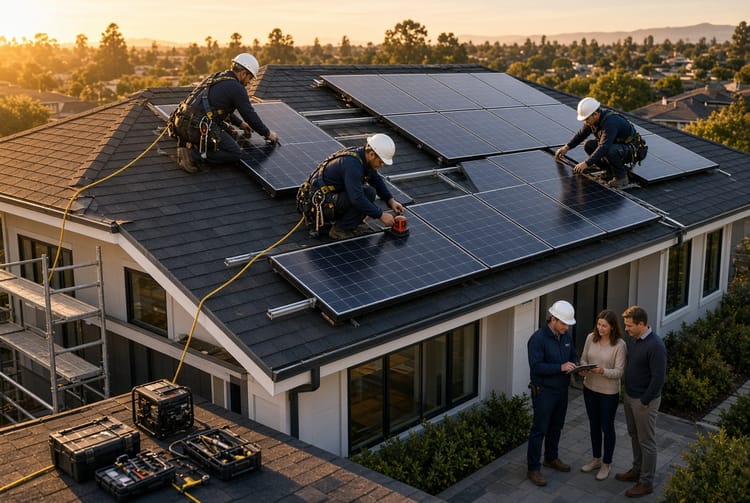
- Professional Installation — Certified technicians handle adjustments safely and correctly.
- Regular Maintenance — Periodic checks keep mounts secure and angles accurate.
- Monitoring — Use apps or inverters to track production and verify gains.
Modern systems often include easy-adjust mechanisms, making seasonal changes quick and safe.
Common Myths About Solar Panel Tilt
Myth 1: Flat is always best.
Reality: Horizontal panels lose significant efficiency except near the equator.
Myth 2: Adjustments are too complicated.
Reality: Seasonal tweaks are simple and infrequent for most users.
Myth 3: Fixed tilts are always inferior.
Reality: They deliver strong performance with lower costs—perfect for many households.
Understanding these helps you make informed decisions.
Real-World Results and Case Studies
Homeowners implementing optimized tilts report 5-15% higher annual production depending on adjustments. In variable climates, the gains compound over the 25+ year lifespan of solar systems, translating to thousands in savings.
For Texas homeowners, optimizing for local latitude and seasons aligns perfectly with high summer cooling demands and winter needs.
Taking the Next Step Toward Optimal Solar Performance
Optimizing your solar panel angled installation is one of the smartest upgrades you can make. By aligning tilt with your latitude and considering seasonal adjustments, you unlock the full potential of your investment.
Capture more sun with optimal panel angle. Whether installing new or retrofitting existing panels, expert guidance ensures maximum efficiency and peace of mind.
Our team is ready to design a system tailored to your location and energy goals, delivering reliable clean power for years to come.
Unlock More Energy with Perfect Panel Tilt – Call Today