The Soil Test Breakdown: Interpreting pH, N-P-K, and Micronutrient Levels to Prescribe Lawn Nutrition
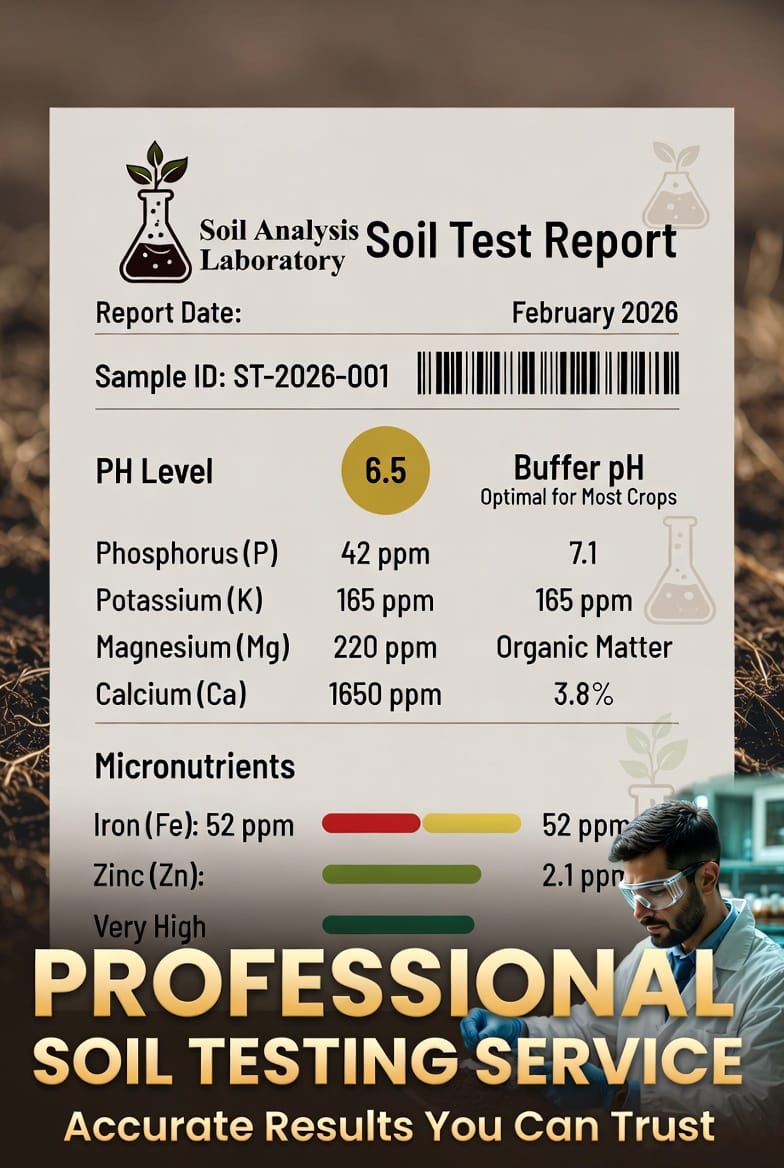
Achieving a lush, green lawn isn't about guesswork—it's about science. A soil test provides the precise data needed to feed your turf effectively while avoiding wasteful or harmful applications. By understanding your report's key metrics—pH, the macronutrients nitrogen (N), phosphorus (P), and potassium (K), plus essential micronutrients—you can create a targeted nutrition plan that promotes deep roots, vibrant color, and resilience against stress, pests, and disease.
Call Now for a Greener, Healthier Lawn
Homeowners often apply fertilizers blindly, leading to imbalances that stunt growth or contribute to runoff. Soil testing eliminates that uncertainty. Reputable labs, such as those from university extensions, deliver clear results and recommendations. Let's break down the most important elements so you can interpret your report confidently and act with precision.
Why Soil pH Matters More Than You Think
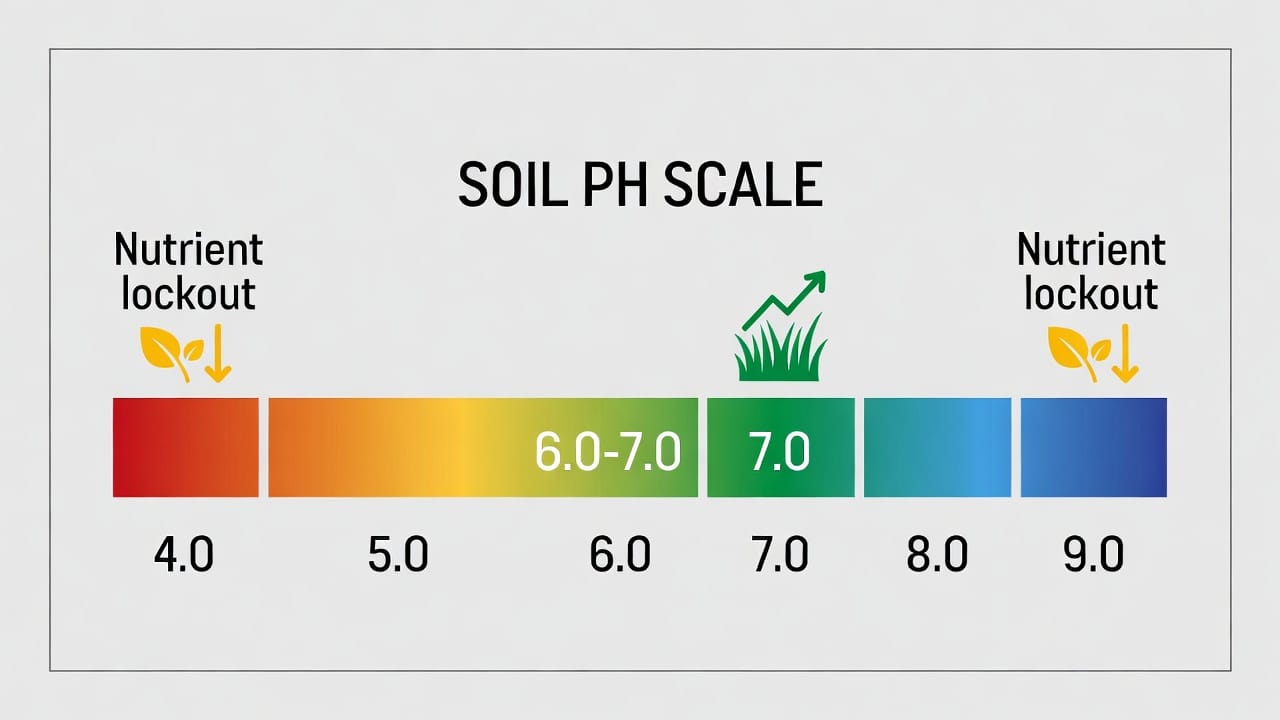
Soil pH measures acidity or alkalinity on a scale from 0 to 14, with 7.0 neutral. For most turfgrasses (cool-season types like Kentucky bluegrass, fescue, and ryegrass, or warm-season varieties like Bermuda and Zoysia), the optimal pH range falls between 6.0 and 7.0. This slightly acidic to neutral zone maximizes nutrient availability.
When pH drifts too low (acidic soil, below 6.0), key nutrients like phosphorus, calcium, and magnesium become less available, while toxic elements like aluminum can harm roots. Conversely, alkaline soil (above 7.5–8.0) locks up iron, manganese, and other micronutrients, often causing yellowing (chlorosis) despite adequate levels in the soil.
Correcting pH is straightforward once you know your results:
- Low pH (acidic) → Apply agricultural lime (calcitic or dolomitic) to raise it gradually. Follow lab rates—typically 20–50 lbs per 1,000 sq ft to increase pH by 0.5–1.0 unit—applied in fall or early spring for best incorporation.
- High pH (alkaline) → Use elemental sulfur or acidifying fertilizers (e.g., ammonium sulfate) to lower it slowly over months or years, especially on buffered soils.
Always retest after amendments, as changes take time and depend on soil type, organic matter, and rainfall.
Decoding N-P-K: The Core Macronutrients for Lawn Health
The N-P-K values on your report represent nitrogen, phosphorus, and potassium—the backbone of lawn fertilizers. Labs report these in ppm (parts per million) or lbs/acre, often with ratings (low, medium, optimum, high) and specific recommendations.
- Nitrogen (N) — Drives leaf growth, density, and that rich green color. Most reports don't measure soil N directly (it leaches quickly), but provide annual application guidelines in lbs N per 1,000 sq ft. Cool-season lawns often need 2–4 lbs N/year; warm-season 1–3 lbs. Split applications prevent burn and runoff.
- Phosphorus (P) — Supports strong root development, seedling establishment, and energy transfer. Optimal levels vary by extraction method (e.g., Mehlich-3 or Bray), but aim for medium to high for established lawns. Excess P can harm waterways, so only apply when deficient.
- Potassium (K) — Enhances stress tolerance, drought resistance, disease recovery, and winter hardiness. Target medium-high levels; sandy soils deplete K faster.
Labs often recommend balanced or targeted fertilizers based on these readings. For example, if P and K test high but N is needed, choose a high-N, low-P/K product.
Micronutrients: The Often-Overlooked Essentials
While macronutrients get the spotlight, micronutrients like iron, manganese, zinc, copper, and boron play critical roles in enzyme function, chlorophyll production, and overall vigor. Deficiencies appear as yellowing between veins or poor color, especially in high-pH soils.
Most reports list these in ppm with sufficiency ranges. Iron deficiency is common in alkaline conditions—foliar chelated iron sprays provide quick greening without altering soil pH drastically. Only amend when levels test low, as excess can cause imbalances.
Translating Recommendations into Real-World Applications
Soil test reports include practical guidelines, such as "apply 1 lb N per 1,000 sq ft." Match this to fertilizer bags by calculating based on the product's N-P-K analysis.
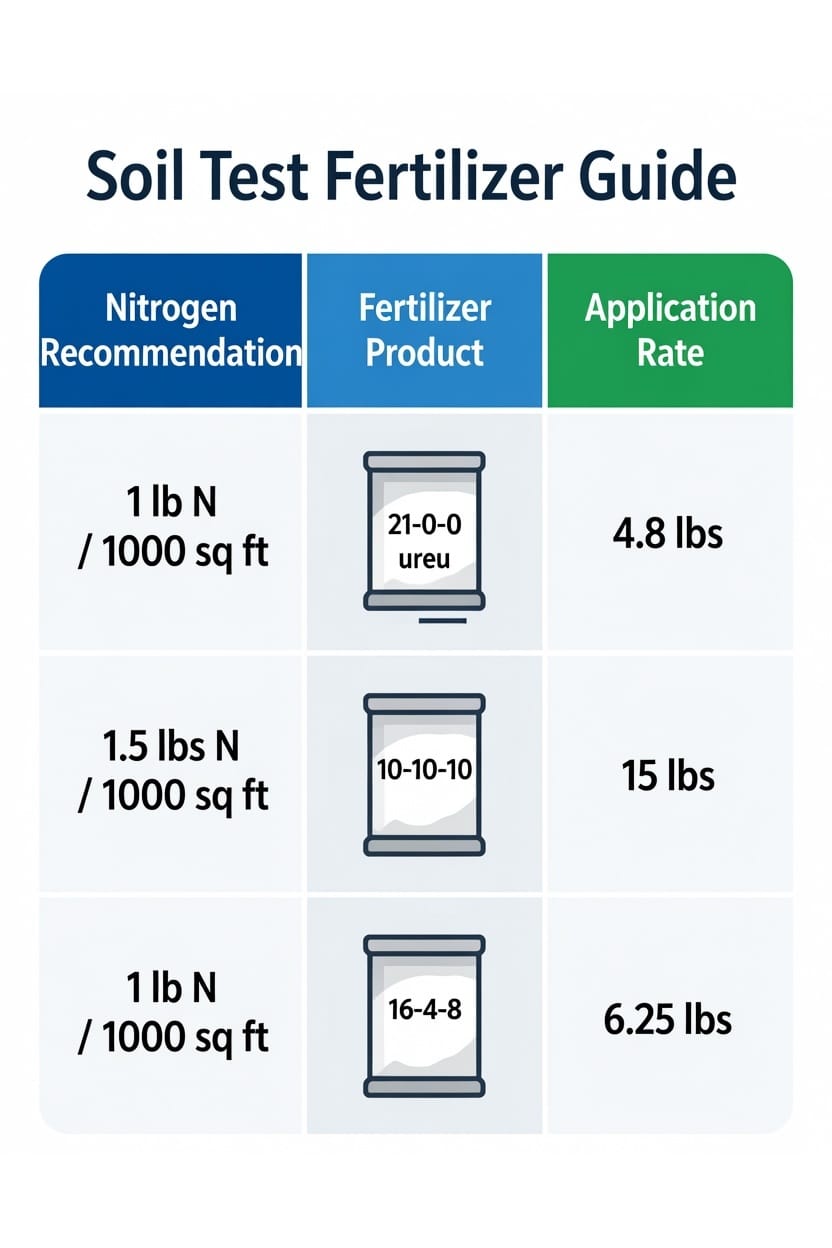
Choose slow-release nitrogen sources for steady feeding and reduced burn risk. Always apply with a calibrated spreader, water in lightly, and follow local regulations on phosphorus use.
Take Control of Your Lawn Nutrition Today
Interpreting a soil test empowers you to make informed, efficient decisions that save money and protect the environment. No more blanket applications—just targeted nutrition that builds healthier turf from the roots up.
Stop guessing, start testing. If your report leaves you with questions or you need expert guidance to create a custom plan, reach out—we're here to help interpret your soil test results.
Your dream lawn starts with understanding what's beneath the surface. Test today, feed smartly, and enjoy the results season after season.
Professional Lawn Care Starts with One Call