The Snake in the Basement: Safe Identification, Removal, and Prevention Strategies for Reptilian Visitors
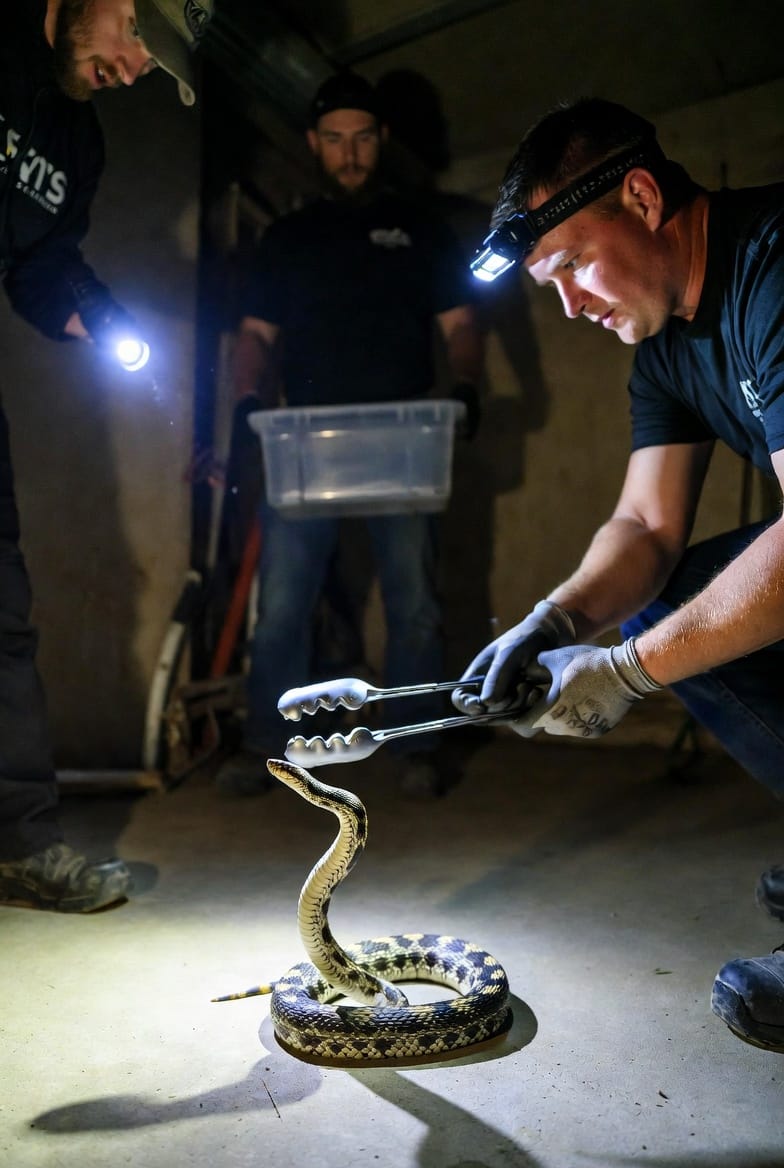
Discovering a snake in your basement can be a startling experience, but rest assured, most encounters are harmless and resolvable with the right knowledge and approach. As experts in wildlife removal, we understand the anxiety this can cause, but we're here to guide you through safe identification, professional removal, and effective prevention strategies. Whether you're dealing with a common garden snake or something more unusual, staying calm is key. In this comprehensive guide, we'll empower you with authoritative insights to handle reptilian visitors humanely and securely, ensuring your home remains a safe haven.
Snake in Your Basement? Get Professional Help Now
Snakes play a vital role in our ecosystem, controlling pests like rodents and insects. However, when they venture indoors, it's essential to address the situation promptly and safely. We'll cover everything from spotting the differences between venomous and non-venomous species to implementing long-term exclusion methods. By the end, you'll feel confident in preventing future intrusions and knowing when to call in professionals.
Understanding Snake Encounters: Why They Happen
Snakes don't seek out human homes intentionally; they're often drawn in by prey sources like mice or rats, or they're seeking shelter from extreme weather. Basements, with their cool, dark, and sometimes damp environments, mimic the natural habitats many snakes prefer. Common entry points include cracks in foundations, gaps around pipes, or open vents.
- Seasonal Patterns: Snakes are more active in warmer months, but in colder regions, they may hibernate in basements during winter.
- Common Attractants: Overgrown vegetation near the home, woodpiles, or bird feeders that attract rodents can indirectly invite snakes.
- Myth Busting: Contrary to popular belief, most snakes aren't aggressive; they bite only when threatened.
Recognizing these factors helps demystify the presence of a snake and shifts focus to proactive solutions. Remember, panicking can escalate the situation—take a deep breath and observe from a safe distance.
Safe Identification: Venomous vs. Non-Venomous Snakes
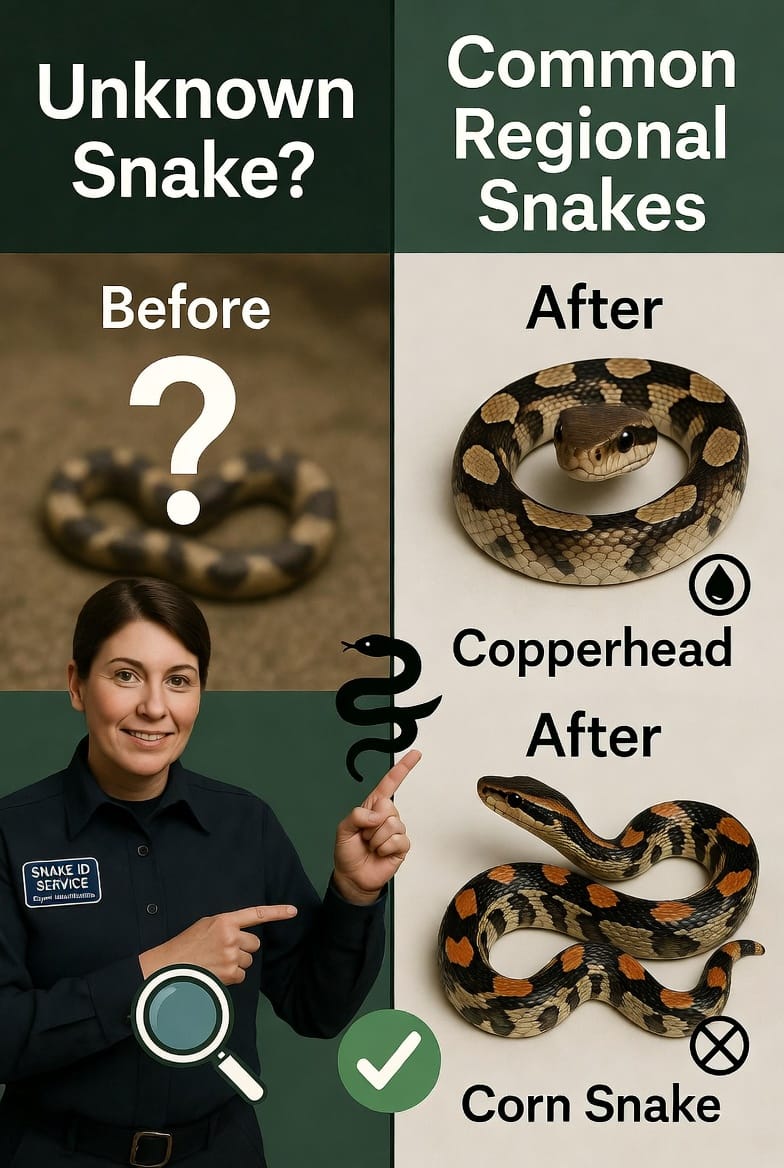
Identifying a snake correctly is the first step in ensuring safety. Not all snakes are dangerous; in fact, the majority in North America are non-venomous and beneficial. However, knowing regional species is crucial, as venomous ones like rattlesnakes or copperheads require extra caution.
To identify safely:
- Observe from Afar: Use binoculars or a zoomed-in phone camera to note color, patterns, head shape, and pupil type.
- Key Characteristics:
- Non-Venomous Snakes: Often have round pupils, slender heads, and uniform patterns. Examples include garter snakes (striped, harmless) and rat snakes (beneficial rodent controllers).
- Venomous Snakes: Typically feature triangular heads, elliptical pupils, and heat-sensing pits. Common ones: Timber rattlesnakes (rattle tail, found in eastern U.S.), cottonmouths (white mouth interior, semi-aquatic in the South).
- Regional Variations: In the Midwest, watch for prairie kingsnakes (non-venomous mimics) vs. massasauga rattlesnakes (venomous, endangered). Coastal areas might see coral snakes (venomous, red-yellow-black bands) vs. milk snakes (similar but harmless).
If unsure, err on the side of caution and assume it's venomous until proven otherwise. Apps like iNaturalist or local wildlife guides can aid identification, but never handle the snake yourself.
Professional Removal Techniques: Leave It to the Experts
Once identified, removal should always prioritize safety for both you and the snake. DIY capture is strongly discouraged, as it risks bites, escapes, or inhumane treatment. Instead, rely on trained professionals equipped with specialized tools.
Why professional help?
- Risk Reduction: Experts assess the snake's behavior and species to minimize harm.
- Humane Methods: Snakes are relocated to suitable habitats, preserving ecological balance.
- Legal Compliance: Many areas protect certain species, making unlicensed removal illegal.
Safe removal steps professionals follow:
- Initial Assessment: Using flashlights and mirrors to locate the snake without disturbance.
- Tools of the Trade:
- Snake Tongs: Long, padded grabbers for gentle handling from a distance.
- Snake Hooks: Curved tools to lift and guide snakes into containers.
- Transport Buckets: Secure, ventilated containers for relocation.
- Containment and Extraction: The snake is carefully maneuvered into a bag or bucket, then transported away from residential areas.
- Post-Removal Cleanup: Checking for eggs, shed skins, or additional snakes.
In a real scenario, a professional might arrive within hours, suited in protective gear, and resolve the issue efficiently. For instance, in a basement encounter with a non-venomous black rat snake, tongs allow safe capture without stress to the animal.
Prevention Strategies: Sealing Your Home Against Snakes
Prevention is the most effective way to avoid future snake intrusions. By addressing entry points and attractants, you create an inhospitable environment for reptiles while enhancing your home's overall security.
Key exclusion methods:
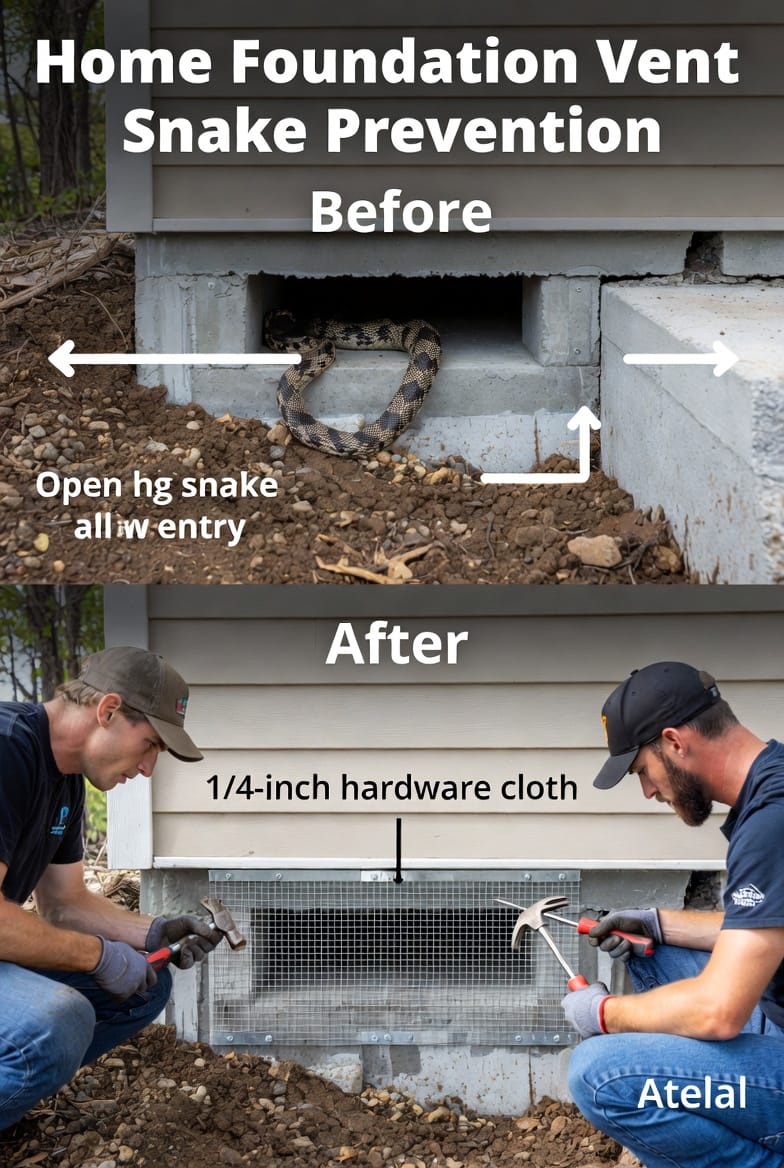
- Seal Foundation Gaps: Inspect and fill cracks with caulk or concrete; use 1/4-inch hardware cloth over vents and openings.
- Landscaping Tips:
- Keep grass short and remove debris piles.
- Trim bushes away from the house foundation.
- Rodent Control: Since snakes follow food sources, implement traps or professional pest services to reduce mice populations.
- Door and Window Checks: Install sweeps under doors and ensure screens are intact.
- Outdoor Lighting: Motion-sensor lights deter nocturnal snakes.
Implementing these can drastically reduce risks. For example, covering crawl space vents with hardware cloth not only blocks snakes but also other wildlife.
Long-Term Benefits of Professional Wildlife Management
Engaging professionals for snake removal and prevention offers peace of mind and lasting results. Our team uses eco-friendly practices, ensuring no harm to your family, pets, or the environment. Regular inspections can catch issues early, saving time and money.
Common FAQs:
- What if the snake is venomous? Professionals are trained in antivenom protocols and safe extraction.
- Are there natural repellents? Mothballs or sulfur are ineffective and toxic; focus on habitat modification.
- How often do snakes return? With proper exclusion, recurrence is rare.
By following these strategies, you're not just solving a immediate problem but investing in a snake-free future.
Conclusion: Empowering Safe Coexistence
Encountering a snake in the basement doesn't have to be a nightmare. With accurate identification, professional removal, and robust prevention, you can handle these situations confidently. Remember, snakes are more afraid of you than you are of them—treat them with respect for a harmonious ecosystem.
Don’t Risk It – Call for Professional Snake Extraction Now