The Sawtooth Grain Beetle: Common Pest of Cereals and Grains

Discovering tiny invaders in your pantry can be unsettling, but with the right knowledge and professional support, you can quickly regain control. The sawtooth grain beetle is a frequent culprit behind spoiled cereals, grains, and other stored foods. This comprehensive guide equips you with authoritative insights into identification, behavior, and effective elimination strategies.
Eliminate Sawtooth Grain Beetles Today – Call Now!
At our pest control service, we understand the frustration pantry pests cause. Rest assured, these issues are manageable with prompt action and proven methods.
Understanding the Sawtooth Grain Beetle
The sawtooth grain beetle (Oryzaephilus surinamensis) is a small but persistent stored-product pest. Measuring about 1/10 to 1/8 inch long, these beetles thrive in homes, warehouses, and food processing facilities where dry goods are stored.
Key identification features include:
- A distinctive flat, elongated body that allows them to slip into the smallest openings.
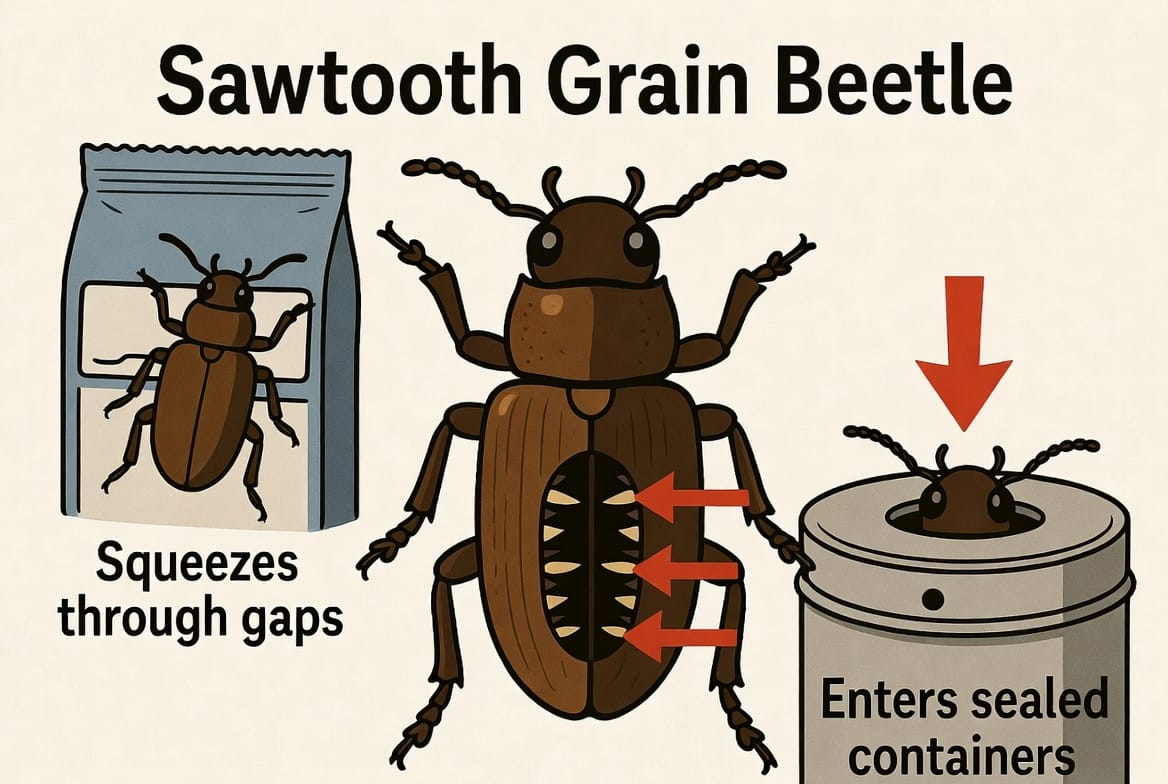
- Six saw-like teeth along each side of the thorax (the middle body section), giving them their common name.
- Brown to dark brown coloration with a shiny appearance.
- Antennae with club-like ends.
These characteristics make the sawtooth grain beetle easy to spot once you know what to look for. Unlike some other pantry pests, adults and larvae both feed actively on a wide range of products.
Why These Beetles Target Your Pantry
Sawtooth grain beetles are highly adaptable survivors. Their behavior centers on exploiting stored food sources rich in starches and proteins.
The most remarkable adaptation is their flat body structure, which enables them to squeeze through microscopic gaps in packaging. Even factory-sealed boxes of cereal or tightly closed plastic bags offer little resistance. Once inside, females lay dozens of eggs directly on or near food sources. Larvae then emerge to feed, creating a multiplying infestation if left unchecked.
These pests prefer warm, humid environments but can survive in most household conditions. They don't bite humans or spread diseases directly, but their presence contaminates food with frass (waste) and cast skins, making products unsafe and unappetizing.
Vulnerable Foods and Signs of Infestation
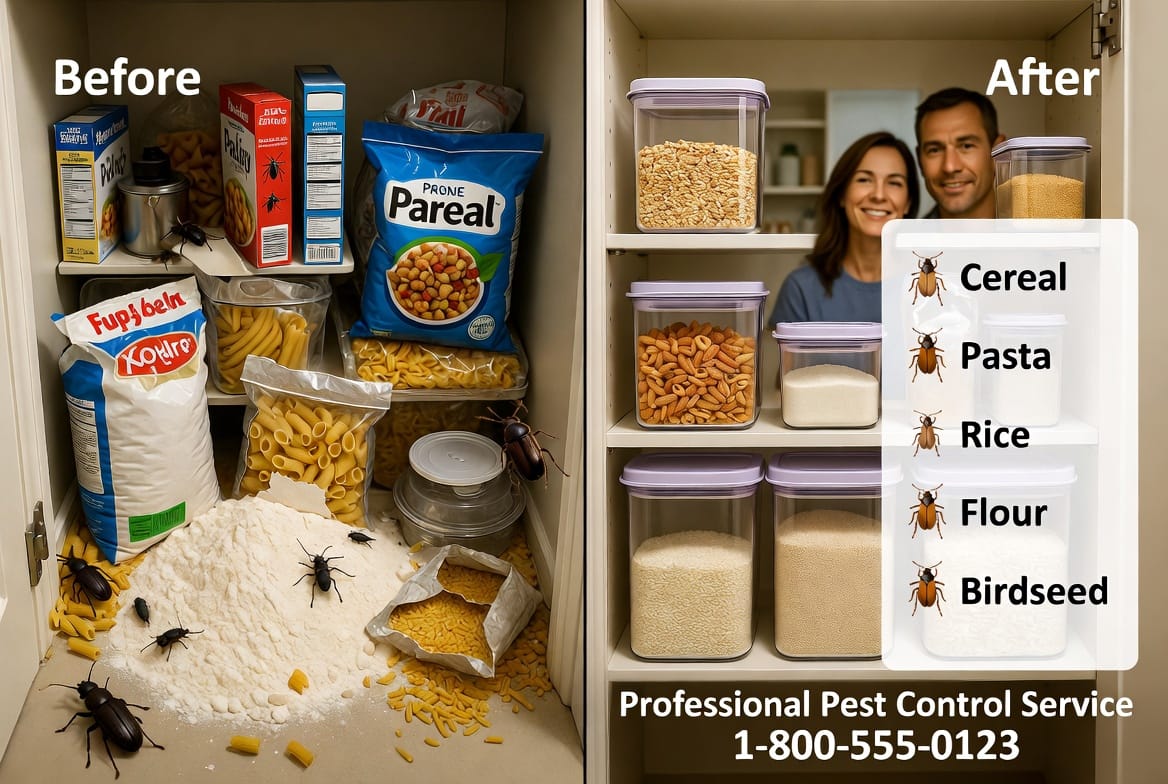
Sawtooth grain beetles have a broad diet that makes many common pantry staples susceptible. Primary targets include:
- Breakfast cereals
- Pasta and noodles
- Rice and other grains
- Flour and baking mixes
- Birdseed
- Dried pet food
You may notice fine dust (frass) at the bottom of packages, clumped or webbed contents (though less common than with moths), or live beetles crawling on shelves. Early detection prevents widespread contamination.
Effective Elimination Strategies
Eliminating a sawtooth grain beetle infestation requires systematic action. Here's a professional-recommended step-by-step approach:
1. Inspection and Removal
Thoroughly examine all pantry items. Discard any infested products immediately in sealed outdoor trash. Do not attempt to salvage contaminated food.
2. Deep Cleaning
Vacuum shelves, cracks, and crevices to remove hidden eggs and larvae. Wash surfaces with hot soapy water or a vinegar solution. Pay special attention to corners and under containers.
3. Proper Storage Solutions
Transfer remaining goods into airtight glass or heavy plastic containers. This prevents future entry by blocking the beetle's flat-body advantage.
4. Monitoring and Prevention
Use pheromone traps to monitor activity. Maintain cool, dry storage conditions and practice FIFO (first-in, first-out) rotation of stock.
While DIY methods help with minor issues, significant infestations benefit from professional intervention. Our technicians use targeted, safe treatments that reach hidden areas without compromising food safety.
The Lifecycle and Why Speed Matters
Understanding the sawtooth grain beetle lifecycle reinforces the need for quick response. Under ideal conditions, the cycle from egg to adult takes about one month. Multiple generations can overlap, turning a few beetles into hundreds rapidly.
Adults live several months and can fly short distances, spreading to adjacent cabinets or even neighboring homes in multi-unit buildings. This mobility underscores why isolated cleaning may not suffice.
Health and Economic Impacts
Beyond inconvenience, unchecked infestations lead to wasted food and potential secondary issues like attracting other pests. For businesses handling bulk grains, the financial impact can be substantial. Homeowners appreciate peace of mind knowing their family's food supply remains protected.
Our service emphasizes integrated pest management (IPM) — combining exclusion, sanitation, and minimal chemical use for long-term results.
When to Call Professional Pantry Pest Control
If you've found beetles in multiple packages or continue seeing activity after cleaning, professional help ensures complete eradication. Signs warranting expert attention include:
- Persistent sightings over several weeks
- Beetles in non-food areas like living rooms
- Large numbers of insects
Our team arrives equipped with specialized tools, performs a detailed inspection, and provides a customized treatment plan. We also offer follow-up visits and prevention tips tailored to your home.
Long-Term Prevention Tips from the Experts
Maintaining a beetle-free pantry involves ongoing vigilance:
- Buy in smaller quantities when possible
- Check new groceries before storing
- Seal entry points around windows, doors, and pipes
- Maintain cleanliness with regular shelf wipes
- Consider professional maintenance programs for year-round protection
These practices minimize risks and save time and money over repeated DIY efforts.
Common Misconceptions About Pantry Pests
Many believe freezing items kills all stages — while it helps, some eggs survive. Others think one treatment solves everything; however, follow-through sanitation is crucial. Our authoritative approach dispels myths and delivers reliable outcomes.
Protecting Your Home Year-Round
Seasonal changes affect pest activity. Summer warmth accelerates breeding, while winter drives pests indoors seeking shelter. Consistent prevention strategies adapt to these patterns.
For families in areas with high humidity or older homes, proactive measures yield the best results. We tailor solutions to local conditions for maximum effectiveness.
Your Next Steps Toward a Pest-Free Pantry
Don't let the sawtooth grain beetle disrupt your household. Start today by checking your grains for tiny beetles. Implement the strategies outlined here, and experience the confidence that comes with professional-grade protection.
Our experienced team stands ready to restore your peace of mind with safe, effective, and discreet service.
With prompt attention and expert guidance, you can protect your cereals, grains, and stored foods from future invasions. Trust in proven solutions that prioritize your family's safety and well-being.
Get Expert Pantry Pest Control – Call Immediately!