The Roof Woven Valley: Traditional Technique for Shingled Valleys
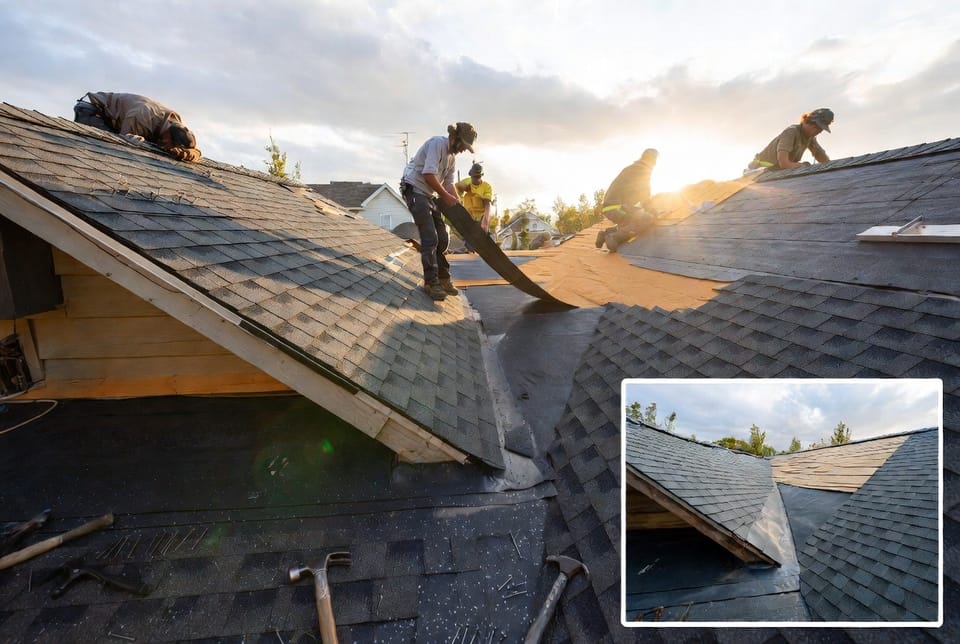
In the world of roofing, few details matter more than how water is directed away from your home. Among the many valley installation methods, the woven valley stands out as a time-honored approach that delivers unmatched elegance and reliability when executed correctly. This traditional technique involves interwoven shingles from both sides of the roof plane, creating a continuous, seamless appearance without any exposed metal flashing.
Get Expert Woven Valley Roofing – Call Now!
Homeowners and builders who appreciate classic craftsmanship often seek this method for its proven performance on steep pitches and its ability to blend perfectly with the rest of a shingled roof. While modern alternatives like closed-cut and open valleys have gained popularity for their speed, the woven valley remains a benchmark of quality that many roofing professionals still recommend for the right projects.
In this comprehensive guide, we explore exactly how a woven valley is installed, its distinct advantages, and why it has become less common today. You will also discover when this technique makes perfect sense for your home and how to ensure long-lasting results. Traditional craftsmanship still works – and it works exceptionally well.
Understanding the Woven Valley Technique
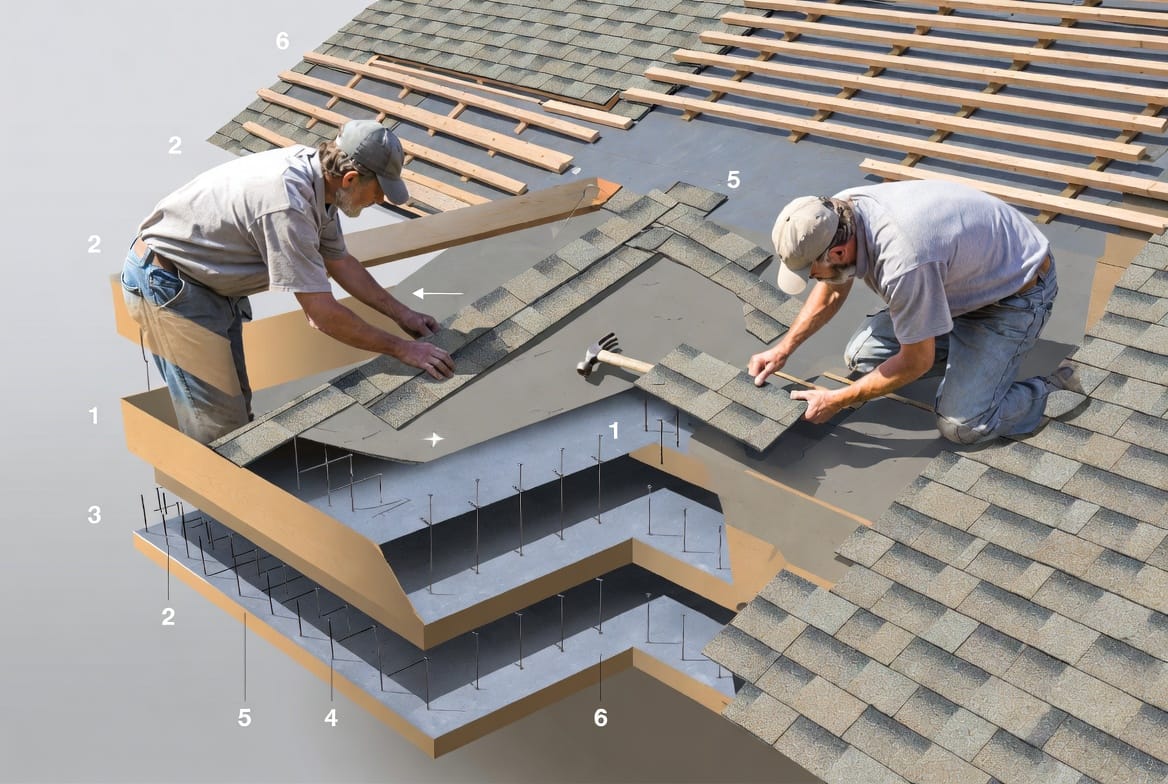
A woven valley is formed when asphalt shingles from the two intersecting roof planes are alternately laid across the valley centerline. Instead of cutting shingles or installing metal flashing, each course of shingles from one side overlaps the next course from the opposite side in a tight, interlocking pattern.
This creates a tightly sealed channel that guides water smoothly downward while maintaining the uniform texture and color of the surrounding roof. The result is a seamless appearance that many homeowners describe as invisible elegance – the valley simply disappears into the overall roof design.
Key characteristics of a properly executed woven valley include:
- No exposed metal that can corrode or expand/contract differently from the shingles
- Consistent shingle exposure across the entire valley
- Superior water-shedding capability on steeper roof pitches
- A classic, handcrafted look that complements historic and traditional homes
Because the shingles are interwoven, the valley gains added strength from the multiple layers of overlapping material, providing natural reinforcement against wind uplift and heavy rainfall.
The Precise Step-by-Step Installation Method
Installing a woven valley demands patience, experience, and meticulous attention to detail. Here is the proven process that experienced roofers follow:
- Prepare the valley centerline – Install high-quality underlayment along the full length of the valley, extending at least 12 inches on each side of the centerline. This creates the first line of defense against moisture.
- Start from the bottom – Begin laying the first course of shingles at the eaves, working upward. The initial shingles that cross the valley are cut at an angle so they follow the roof plane’s natural flow.
- Alternate sides with precise overlap – For each subsequent course, roofers lay a full shingle from the left plane across the valley, then immediately follow with a full shingle from the right plane that overlaps the previous one by at least 6 inches. This interwoven pattern continues upward, maintaining consistent 6-inch overlaps at every course.
- Maintain uniform exposure – Every shingle tab that crosses the valley must expose exactly the same distance (typically 5 to 5½ inches depending on shingle specifications) to ensure a clean, professional appearance.
- Nail placement is critical – Nails are driven only in the areas that will be covered by the next overlapping shingle. No nails are placed within 6 inches of the valley centerline to prevent creating potential leak points.
- Seal the top – At the ridge or where the valley terminates, install a final cap shingle that fully covers the last interwoven courses, then apply generous amounts of high-quality roofing sealant along all exposed edges.
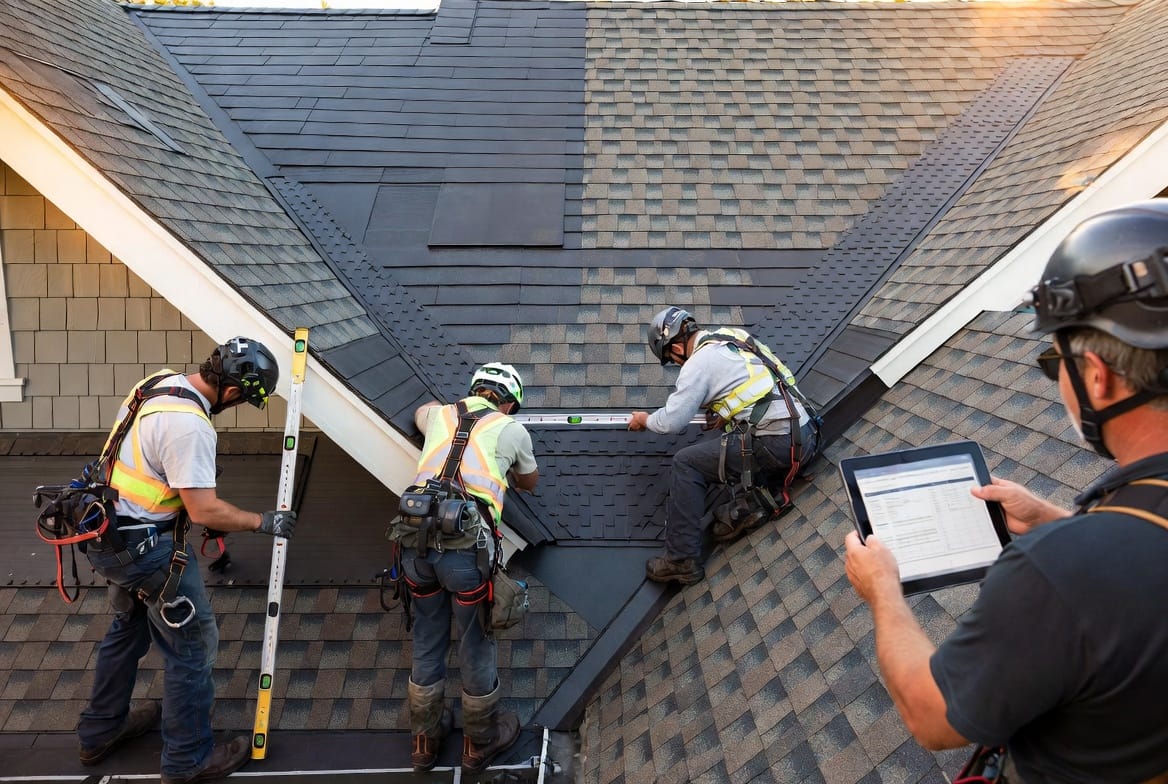
- Final inspection – Walk the entire valley, checking for any gaps, uneven overlaps, or exposed nail heads. A properly installed woven valley should feel solid and look completely seamless from every angle.
This labor-intensive process typically takes 30-50% longer than open-valley installations, which is one reason it requires a skilled installer who understands both the science and the art of roofing.
Advantages That Set Woven Valleys Apart
The woven valley offers several compelling benefits that continue to make it a preferred choice for discerning homeowners:
- Seamless aesthetic integration – Because no metal is visible, the valley matches the roof’s texture and color perfectly, creating a clean, uninterrupted look.
- No dissimilar materials – Eliminating metal flashing removes concerns about thermal expansion differences that can eventually cause cracks or separation.
- Enhanced water flow – The gradual, overlapping design promotes smooth water shedding without the abrupt edges sometimes found in other methods.
- Superior wind resistance – Multiple layers of interwoven shingles create a stronger bond that holds up exceptionally well in high-wind areas.
- Long-term durability – When installed correctly, a woven valley can outlast the surrounding roof by many years, providing peace of mind for decades.
These advantages make the technique particularly suitable for steep-pitch roofs where water velocity is higher and visual appeal matters most.
Why Woven Valleys Are Less Common Today
Despite its proven performance, the woven valley has become less common compared to closed-cut and open valleys. The primary reason is labor. Modern construction timelines favor faster installation methods that require less specialized skill.
Closed-cut valleys involve laying shingles on one side completely across the valley and then cutting the opposing shingles at an angle to create a clean line. Open valleys use metal flashing down the center, which can be installed quickly but introduces a visible metal strip.
Many manufacturers have also shifted warranty language to favor their proprietary flashing systems, making woven installations more difficult to warrant in some regions. Additionally, the decline in apprenticeship-style training means fewer roofers today possess the hands-on experience necessary to weave valleys consistently.
Yet for homeowners who prioritize traditional roofing techniques and long-term performance over speed, the woven valley remains unmatched.
Important Considerations Before Choosing a Woven Valley
Not every roof is an ideal candidate for this technique. Success depends on several critical factors:
- Roof pitch – Woven valleys perform best on steeper pitches (6:12 or greater) where water flows quickly and the interwoven layers can shed moisture efficiently.
- Installer expertise – This method requires a skilled installer with years of experience; choosing the wrong crew can lead to improper overlaps and future leaks.
- Shingle type compatibility – Certain architectural and laminated shingles weave more effectively than standard three-tab shingles.
- Local climate – In areas with heavy ice and snow, additional underlayment and ice barriers become essential.
- Maintenance expectations – While durable, woven valleys benefit from periodic inspections to ensure seals remain intact.
Ensuring Lasting Success With Traditional Craftsmanship
The beauty of the woven valley lies in its simplicity and strength. When roofers follow proper techniques, the result is a roof feature that quietly protects your home for decades while enhancing its architectural beauty.
Homeowners often report fewer issues with ice damming and water intrusion in valleys installed this way. The absence of metal also means no concerns about rust stains or mismatched materials as the roof ages.
Traditional Craftsmanship Still Works
In an era of fast-track construction and synthetic materials, the woven valley reminds us that time-tested methods continue to deliver exceptional results. This traditional technique for shingled valleys combines beauty, function, and durability in a way few modern shortcuts can match.
If you are considering a new roof or replacement and want to explore valley options that prioritize quality and craftsmanship, we encourage you to speak with a professional who understands both traditional and contemporary approaches. Ask about woven valley possibilities for your specific roof design.
Traditional craftsmanship still works. Contact our roofing specialists today to discuss your valley options and discover the best solution for your home.
Secure a Seamless Woven Valley Roof – Call Now!