The Roof Ventilation Retrofit: Adding Intake and Exhaust to Older Homes
In homes built decades ago, the roof often stands as the first line of defense against the elements, yet many lack the sophisticated ventilation systems required by today’s standards. A roof ventilation retrofit addresses these common deficiencies head-on by introducing proper intake and exhaust pathways that older attics desperately need. Without it, trapped heat and moisture can quietly undermine your home’s structure, raise energy costs, and shorten the life of your roofing materials.
Get Balanced Roof Ventilation Today – Call Now!
This guide walks you through everything homeowners should know about adding ventilation to older homes that were constructed without soffit vents. We’ll explore practical solutions such as edge vents and roof deck vents for intake, combined with expert ridge vent installation for exhaust, creating true balanced airflow. The process is straightforward when handled by professionals, and the results are transformative: cooler attics, longer-lasting roofs, and greater peace of mind. At every step, the focus remains on safety, efficiency, and long-term protection for your property.
Understanding Common Ventilation Deficiencies in Older Homes
Older homes frequently suffer from inadequate attic ventilation because building practices from earlier eras prioritized basic shelter over advanced airflow management. Many roofs were sealed tightly with minimal or no dedicated vents, relying instead on small gable-end openings or nothing at all. This design flaw becomes more problematic as homes age, especially in regions with extreme seasonal temperature swings.
The result? Hot air rises and stays trapped during summer months, while winter moisture condenses on cold roof sheathing. Over time, these conditions accelerate wear on shingles, rafters, and insulation. A targeted roof ventilation retrofit corrects these inherited shortcomings without requiring a complete roof replacement. By strategically adding intake at the lower edges and exhaust at the peak, homeowners restore the natural convection cycle that modern roofs depend on.
The Hidden Risks of Poor Attic Airflow
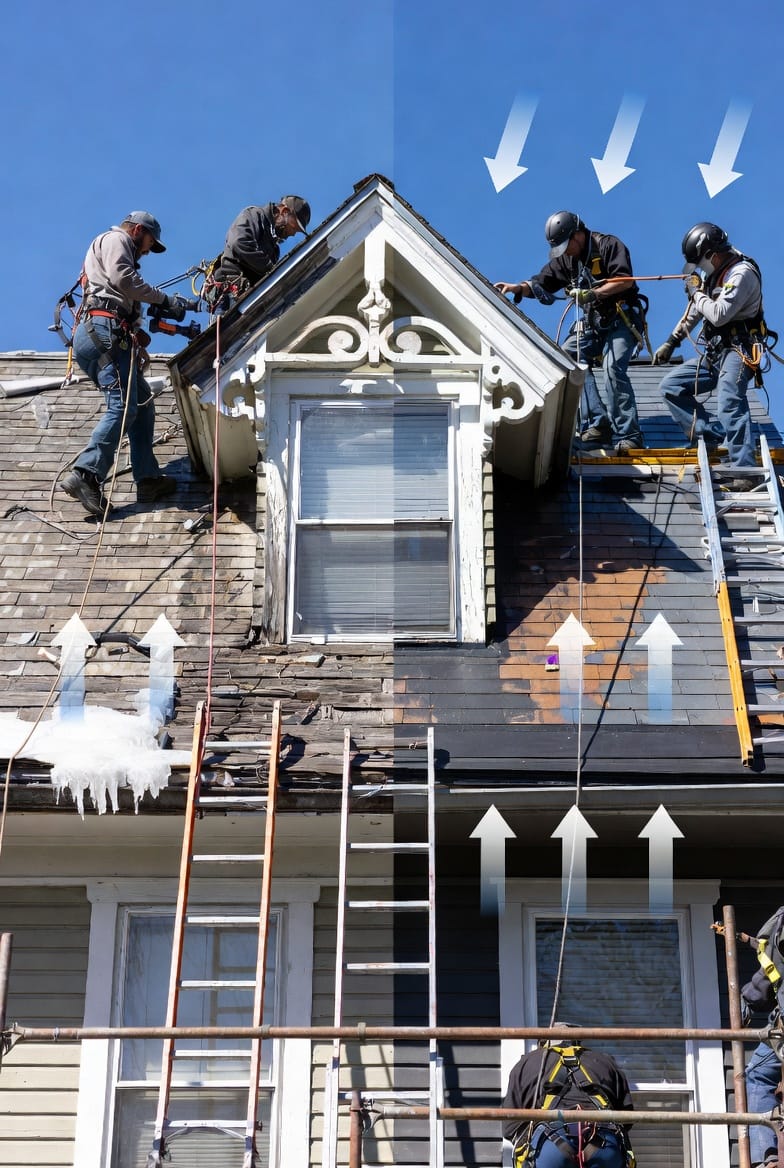
Neglecting attic ventilation isn’t just uncomfortable—it creates measurable risks that can affect your entire home. Ice dams form when heat escapes into the attic and melts snow on the roof, only for it to refreeze at the eaves. The weight and water backup can damage gutters, siding, and interior ceilings. In warmer seasons, excessive attic heat radiates downward, making upper floors stifling and forcing air conditioners to work overtime.
Moisture buildup fosters mold growth and wood rot, while premature shingle aging shows up as curling, cracking, and granule loss well before the warranty expires. Energy bills climb unnecessarily, and indoor air quality suffers. The good news is these issues are preventable. A professional ventilation retrofit restores balance, protects your investment, and delivers immediate comfort improvements you’ll notice right away.
Recognizing the Signs Your Home Needs a Ventilation Retrofit
Early detection makes any retrofit far simpler and more cost-effective. Watch for these clear indicators that your older roof is crying out for better airflow:
- Ice dams along eaves during winter months, signaling heat trapped in the attic.
- Hot upstairs rooms even when the rest of the house feels comfortable.
- Premature shingle aging, including curling edges or rapid color fading.
- Attic moisture visible as condensation on sheathing or musty odors when you inspect.
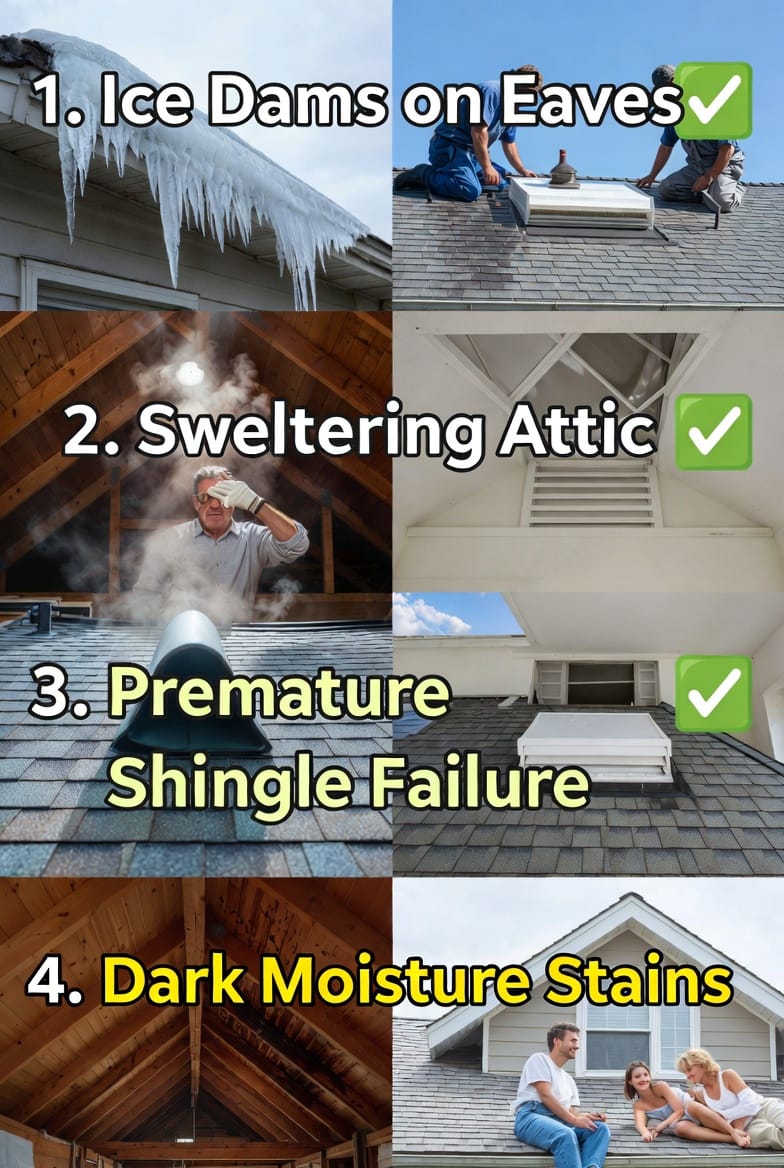
If any of these signs sound familiar, a roof ventilation retrofit offers a targeted solution that restores proper function without major disruption.
The Science Behind Balanced Roof Ventilation
Effective ventilation relies on a simple yet powerful principle: warm air rises. Intake vents at the lowest points draw cooler outside air into the attic, while exhaust vents at the highest point allow hot, moist air to escape. This creates continuous passive airflow driven by natural convection and wind.
In a balanced system, intake and exhaust areas should be roughly equal—typically aiming for a 50/50 split. Older homes often lack this balance entirely. Retrofitting corrects the imbalance by adding dedicated intake where soffits are absent and ensuring reliable exhaust at the ridge. The outcome is an attic that stays closer to outside temperatures year-round, protecting everything beneath the roof deck.
Challenges in Older Homes Without Soffit Vents
Traditional soffit vents sit under the roof overhang, but countless older homes feature tight eaves, no overhangs, or blocked soffits from previous renovations. These architectural realities make standard solutions impossible. Fortunately, modern retrofit options bypass these limitations entirely.
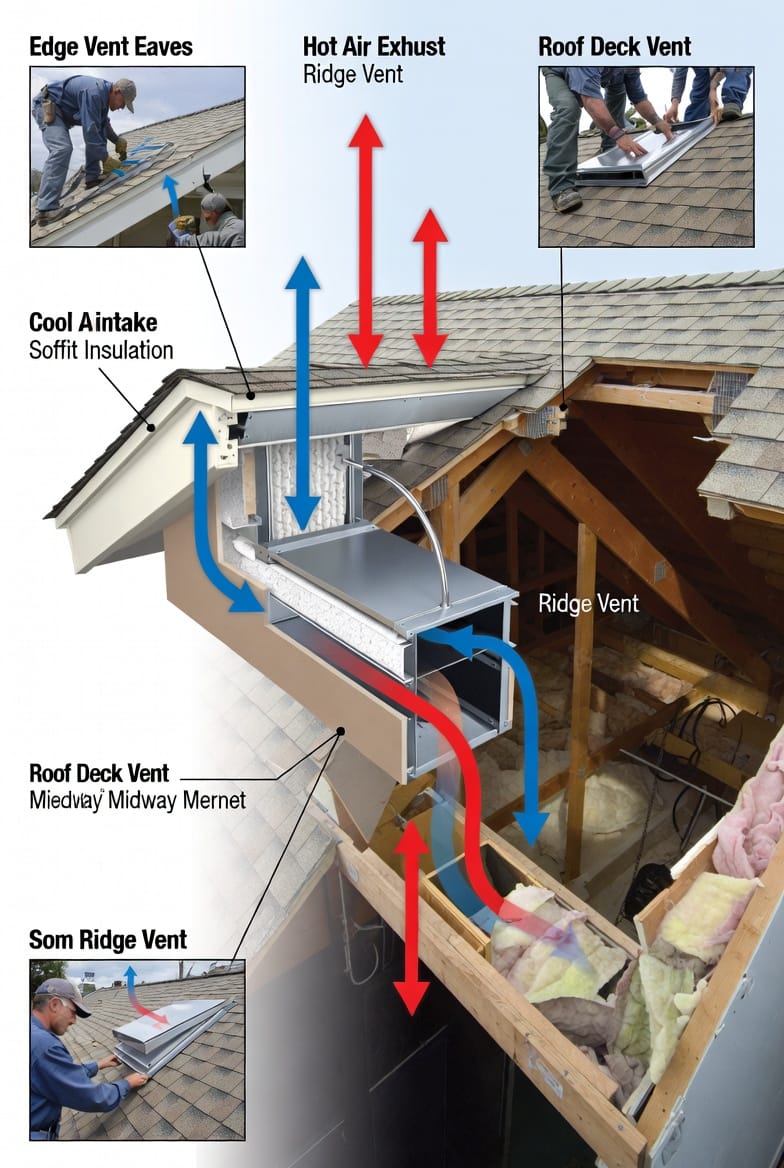
Edge vents install directly along the roof’s lower edge, tucked beneath the shingles or integrated with drip edging. Roof deck vents or intake vents mounted on the lower roof plane provide supplemental airflow without altering the home’s exterior appearance. These methods deliver the fresh air intake needed to pair with proper exhaust.
Retrofitting Intake Ventilation: Edge Vents and Roof Deck Vents
Adding intake to an older home begins with careful assessment of the eaves and lower roof sections. Professionals first ensure the structure can support the modifications, then proceed with precise installation.
Key steps include:
- Inspecting and clearing any existing blockages along the eaves.
- Installing continuous edge vents that allow air to enter while keeping pests and weather out.
- Adding strategically placed roof deck vents on the lower third of the roof for additional intake capacity.
- Sealing all penetrations to maintain weather tightness.
These intake solutions work seamlessly on homes without traditional soffits, creating the foundation for balanced airflow. Homeowners appreciate that the finished appearance blends naturally with the existing roofline—no bulky boxes or obvious modifications required.
Proper Ridge Vent Installation for Effective Exhaust
The ridge serves as the ideal location for exhaust because hot air naturally collects at the highest point. Installing a ridge vent requires removing a narrow section of ridge shingles and capping the opening with a continuous vent product that allows air to escape while preventing rain and debris entry.
Professionals follow these critical steps:
- Measuring and marking a precise cut along the ridge line.
- Installing baffles or baffling material to maintain proper airflow channels inside the attic.
- Securing the ridge vent with weatherproof fasteners and high-quality sealant.
- Re-shingling over the vent edges for a clean, integrated look.
When paired with the new intake vents added earlier, this creates the complete balanced system your older home has been missing.
The Professional Roof Ventilation Retrofit Process
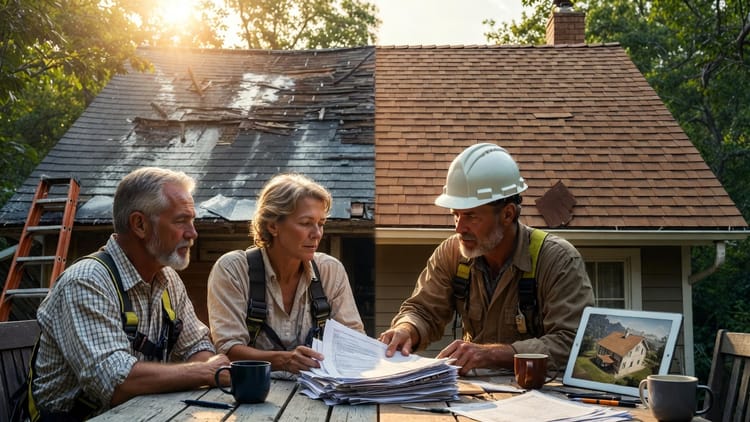
From initial inspection to final walkthrough, a qualified roofing team handles every detail with minimal disruption to your daily life. They begin with a thorough attic evaluation, followed by precise measurements and material selection tailored to your roof type and local climate. All work complies with current building codes and manufacturer warranties.
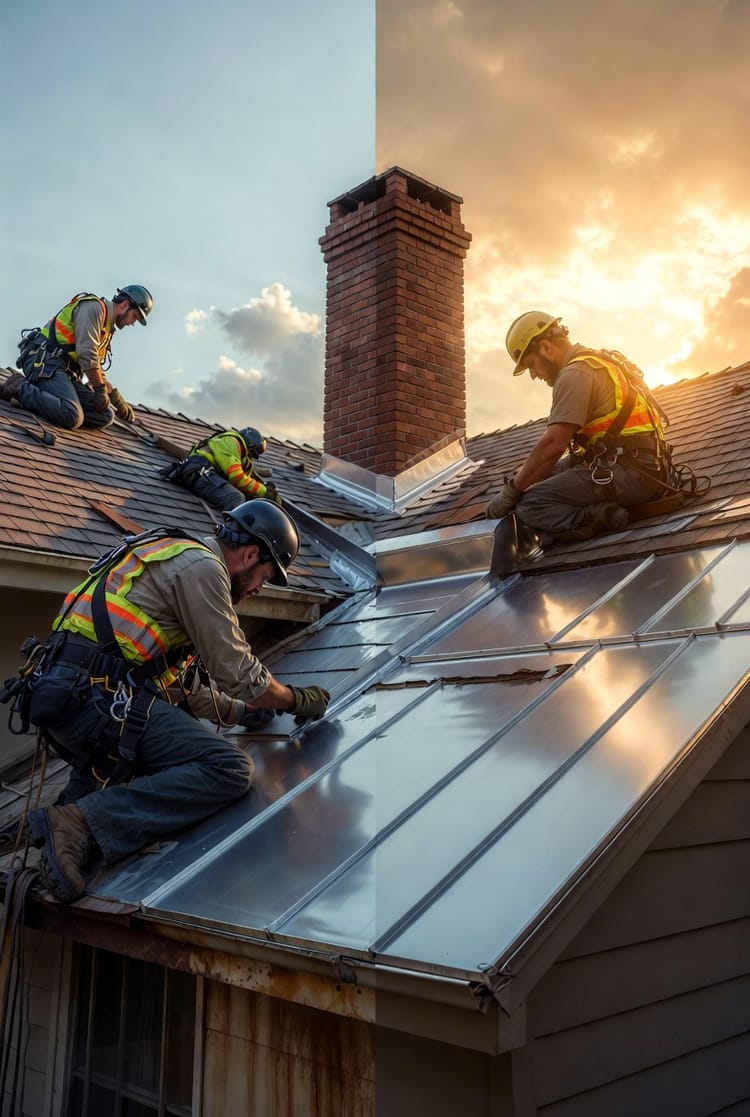
Safety remains paramount—professionals use proper harnesses, scaffolding, and ventilation during installation to protect both workers and your home. The entire retrofit typically completes in just a few days, leaving you with a roof that performs like a modern system.
The Many Benefits of a Professional Ventilation Retrofit
Investing in a roof ventilation retrofit delivers benefits that extend far beyond the attic:
- Extended roof lifespan by reducing heat and moisture stress on shingles and underlayment.
- Lower energy bills as your HVAC system works more efficiently.
- Improved indoor comfort with cooler upper floors year-round.
- Prevention of costly repairs from ice dams, mold, and wood rot.
- Increased home value through visible upgrades that appeal to future buyers.
Homeowners consistently report noticeable differences within the first season after completion. The attic feels fresher, rooms stay more comfortable, and the roof looks better for longer.
Why Trust Professionals for Your Older Home Retrofit
While some DIY projects succeed, roof ventilation requires specialized knowledge of airflow dynamics, structural considerations, and local codes. Professionals bring the right tools, materials, and experience to ensure your retrofit performs perfectly for decades. They also provide warranties that protect your investment long after the job is finished.
Let Your Roof Breathe
Your older home deserves the same protection and efficiency found in today’s new construction. A thoughtfully executed roof ventilation retrofit—complete with intake via edge vents and roof deck vents plus proper ridge vent installation—delivers balanced airflow that safeguards your property and enhances daily living.
Don’t wait for small problems to become expensive repairs. Let your roof breathe.
Our experienced team is ready to evaluate your home and design the perfect retrofit solution tailored to your needs.
Eliminate Ice Dams & Attic Heat – Call for Ventilation Retrofit