The Roof Cricket Installation: Diverting Water Away from Chimneys and Wall Intersections
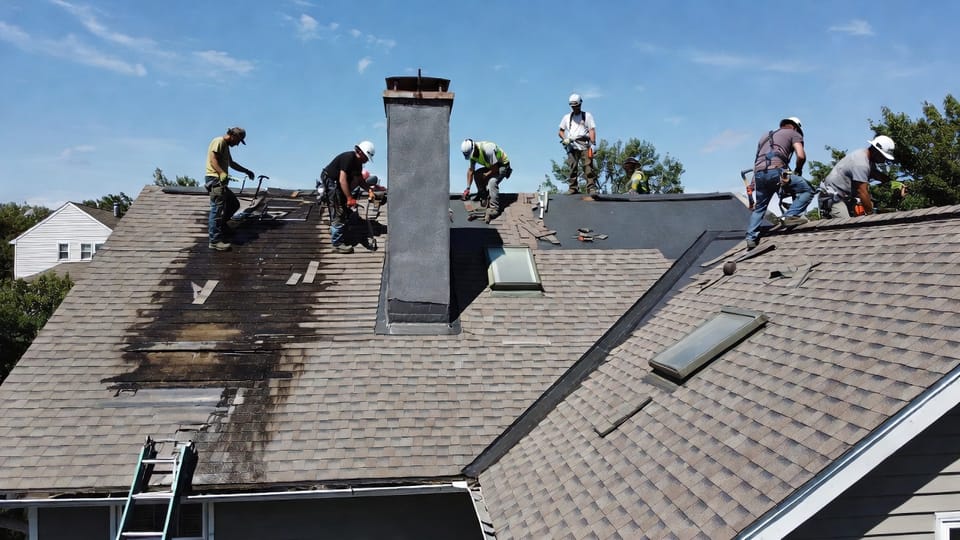
When it comes to protecting your home from the elements, few details are as crucial as proper roof flashing and water management. A roof cricket, also known as a saddle, plays a pivotal role in safeguarding chimneys and wall intersections from water damage. In this comprehensive guide, we'll explore what a roof cricket is, how it effectively diverts water, and why its correct installation is essential to prevent leaks—a common failure point in roofing systems. With our authoritative insights, you'll feel reassured knowing that simple yet strategic solutions like this can extend your roof's lifespan and maintain your home's integrity.
Expert Roof Cricket Installation – Get Protected Now
Understanding the Roof Cricket: A Key Roofing Component
A roof cricket is a small, ridge-like structure built on the uphill side of a chimney or where a roof meets a vertical wall. Shaped like a miniature peaked roof, it acts as a deflector, channeling rainwater and snowmelt away from these vulnerable areas. Without it, water can accumulate, leading to persistent leaks, wood rot, and costly repairs.
Why is this detail so important? Chimneys and wall intersections create natural barriers on sloped roofs, interrupting the smooth flow of water. A well-constructed cricket ensures that water is redirected around these obstacles, reducing the risk of infiltration. According to industry standards from the National Roofing Contractors Association (NRCA), proper cricket installation is recommended for chimneys wider than 30 inches to mitigate these risks effectively.
- Core Function: Diverts water laterally to the roof's edges, preventing pooling.
- Common Materials: Often made from wood framing covered with metal flashing or shingles for durability.
- Benefits: Enhances roof longevity, minimizes interior damage, and supports energy efficiency by keeping insulation dry.
Rest assured, investing in a roof cricket isn't just about compliance—it's about proactive home protection.
The Mechanics of Water Diversion: How Roof Crickets Work
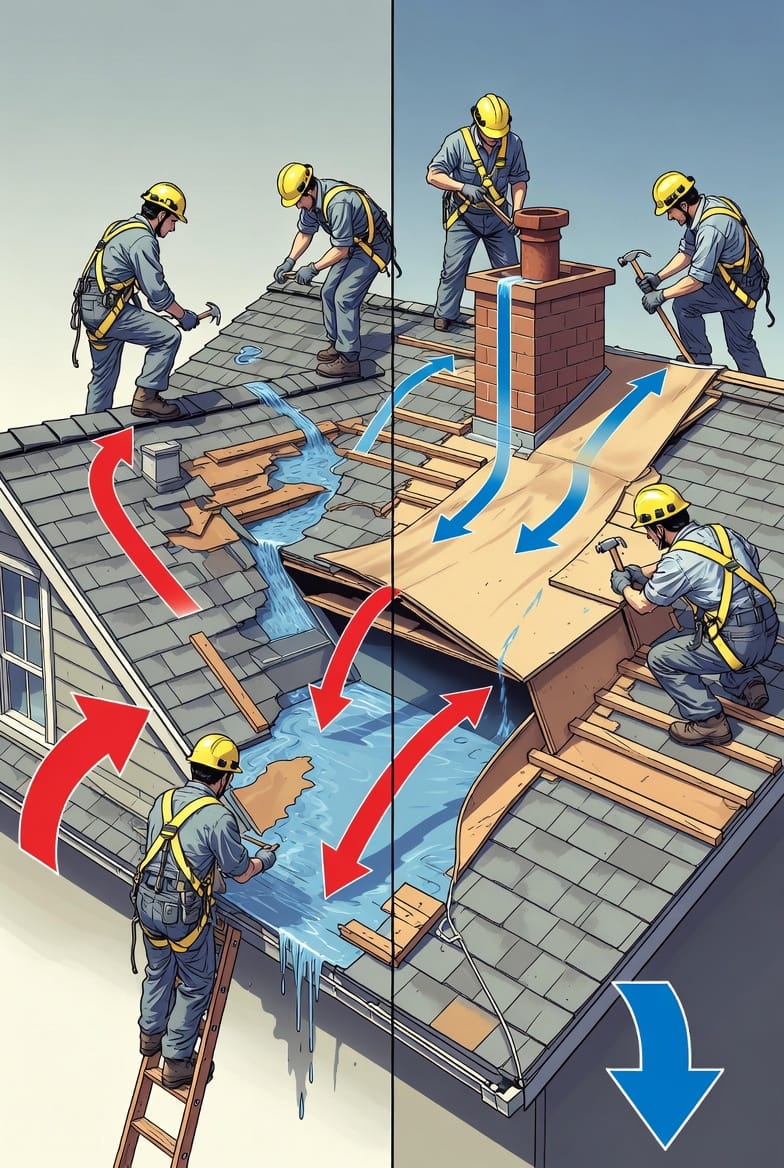
At its core, a roof cricket functions by altering the roof's topography. On the high side of a chimney, where water flows downward, the cricket creates a sloped diversion path. This prevents water from backing up and seeping under shingles or flashing.
Imagine heavy rainfall cascading down your roof. Without a cricket, water hits the chimney's flat base and pools, exerting pressure on seals and joints. Over time, this leads to cracked flashing, deteriorated mortar, and leaks that can compromise your home's structure. With a cricket in place, water is guided smoothly around the sides, flowing harmlessly to gutters.
Key to this process is the cricket's angle and height, typically matching the roof's pitch for seamless integration. Professional installers calculate these dimensions precisely to ensure optimal performance.
Why Proper Construction Prevents Leaks at Common Failure Points
Leaks at chimneys and wall intersections are among the most frequent roofing issues, often stemming from inadequate water diversion. Improper flashing or the absence of a cricket can lead to water penetrating the roof deck, causing mold growth, structural weakening, and even electrical hazards if water reaches wiring.
Proper cricket construction addresses these by:
- Sealing Vulnerabilities: Integrating with counter-flashing and step flashing to create a watertight barrier.
- Adapting to Roof Pitch: For steeper roofs, taller crickets are used to handle faster water flow.
- Material Selection: Choosing corrosion-resistant metals like copper or galvanized steel for longevity in harsh weather.
Studies from roofing experts indicate that homes with correctly installed crickets experience up to 50% fewer leak-related claims. This isn't alarmist—it's a reassuring fact that highlights the reliability of this solution. By focusing on quality craftsmanship, you avoid the pitfalls of DIY attempts, which often overlook critical details like secure fastening and weatherproof underlayment.
Step-by-Step Guide to Roof Cricket Installation
Installing a roof cricket requires expertise, but understanding the process empowers homeowners to make informed decisions. Here's a breakdown:
Preparation and Planning
- Assess the chimney width and roof slope to determine cricket size—typically, height equals half the chimney's width.
- Gather materials: Plywood for framing, ice-and-water shield for underlayment, and matching shingles or metal.
- Ensure safety with harnesses and scaffolding, especially on steep roofs.
Building the Frame
- Cut triangular wood pieces to form the cricket's ridge, nailing them securely to the roof deck.
- Cover with self-adhering membrane to prevent moisture intrusion.
Flashing and Integration
- Install step flashing along the sides, overlapping each piece for redundancy.
- Add counter-flashing from the chimney to tuck under the cricket's covering.
- Shingle over the cricket, ensuring nails are sealed with roofing cement.
Final Inspection
- Test for water flow using a hose to simulate rain.
- Check for gaps or loose edges that could invite leaks.
This methodical approach guarantees durability. If you're unsure, consulting professionals ensures compliance with local building codes.
Materials and Design Choices for Optimal Performance
Selecting the right materials is vital for a cricket's effectiveness. While functionality is key, aesthetics matter too for curb appeal.
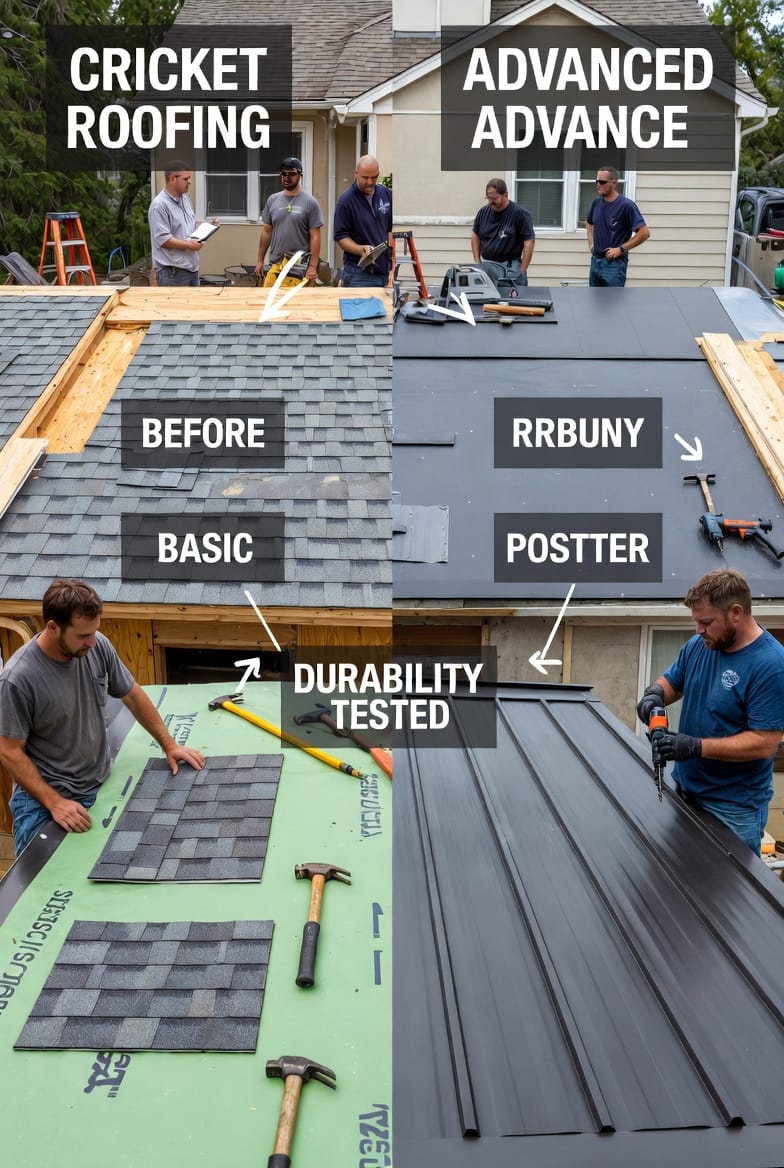
- Metal Crickets: Preferred for their rust resistance and low maintenance; ideal in regions with heavy snowfall.
- Shingled Crickets: Blend with asphalt roofs for a uniform look, though they may require more frequent inspections.
- Hybrid Options: Combine metal bases with shingle tops for the best of both worlds.
Durability trumps cost here—cheaper materials might save upfront but lead to expensive fixes later.
Common Mistakes and How to Avoid Them
Even with good intentions, errors in cricket installation can undermine its purpose. Avoid these pitfalls:
- Insufficient Height: A too-short cricket won't divert water effectively—always scale to chimney size.
- Poor Sealing: Skipping underlayment invites leaks; use high-quality membranes.
- Ignoring Roof Pitch: Mismatched angles cause uneven flow; measure twice.
- Neglecting Maintenance: Annual checks for debris buildup keep crickets functional.
By steering clear of these, you maintain a leak-free roof confidently.
The Long-Term Benefits: Protecting Your Investment
A properly installed roof cricket isn't just a fix—it's an investment in your home's future. It reduces repair costs, preserves structural integrity, and enhances resale value. Homeowners often report peace of mind during storms, knowing water is managed efficiently.
In areas prone to heavy rain or snow, crickets are indispensable. They align with sustainable roofing practices by minimizing waste from frequent replacements.
When to Call in the Professionals
While some handy individuals might tackle this, professional installation ensures precision and warranty coverage. Look for certified roofers with experience in flashing details.
In conclusion, mastering roof cricket installation is about understanding its role in water diversion and leak prevention. With this knowledge, you're equipped to safeguard your property effectively. Remember, a small detail like a cricket can make a monumental difference in your roof's performance.
Keep Water Away from Your Chimney – Contact Us Now