The Red Flour Beetle: Common Pantry Pest with a Long Lifespan
Red flour beetles are one of the most persistent pantry pests homeowners encounter. These hardy insects can survive for years, quietly damaging stored foods and multiplying before most people notice their presence. Understanding their behavior, identification, and effective elimination methods is essential for protecting your kitchen from long-term infestations.
Get Rid of Pantry Pests Permanently – Call Now!
At BizTrendWatch Pest Control, we help families regain control of their pantries with proven, safe solutions. This comprehensive guide will equip you with everything you need to identify, prevent, and eliminate red flour beetles effectively.
Understanding the Red Flour Beetle
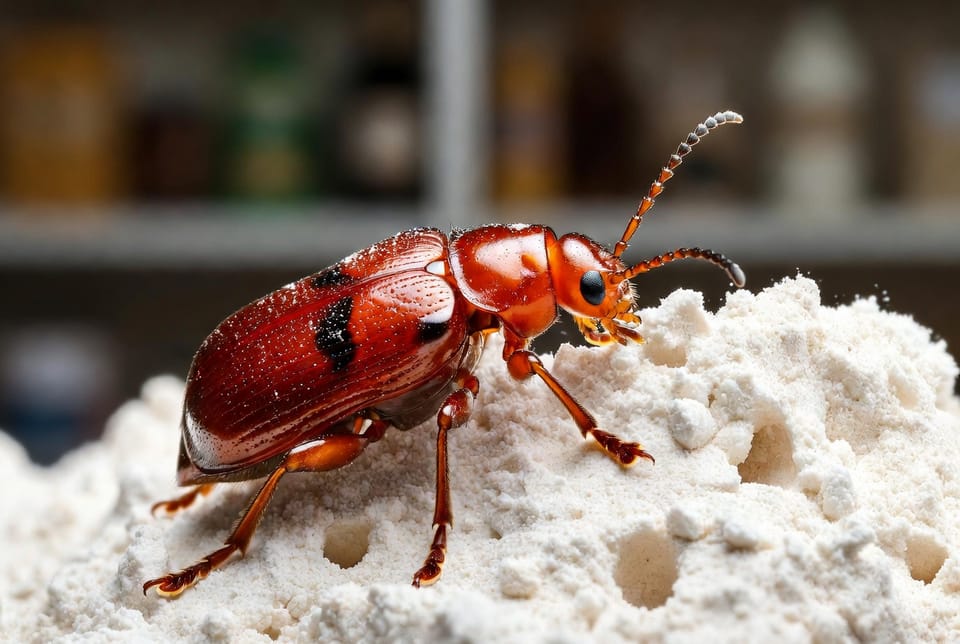
The red flour beetle (Tribolium castaneum) is a stored-product pest that thrives in warm, dry environments like kitchens, pantries, and food storage areas. Unlike many other insects that die off quickly, these beetles have an impressively long lifespan — adults can live up to three years under favorable conditions.
This extended longevity allows them to survive through seasons when food sources might be limited, making them particularly challenging to control. They are highly adaptable and can infest a wide variety of dried food products.
Key characteristics include:
- Small size (about 1/8 inch long)
- Reddish-brown to dark brown color
- Flattened, oval-shaped body
- Distinctive antennae with three enlarged segments at the tips
Red flour beetles are strong fliers, which helps them spread between different storage areas or even from neighboring properties. They prefer flour, cereals, dried fruits, and spices, but their appetite is broad.
Life Cycle and Reproduction Behavior
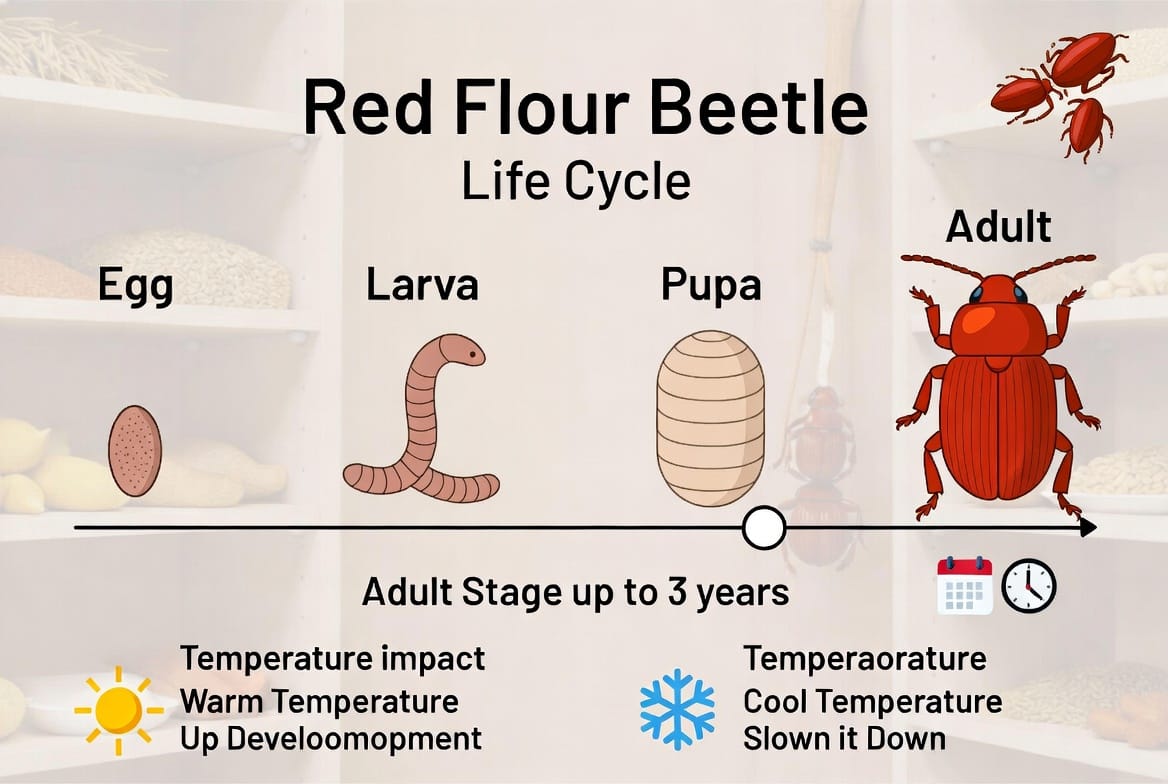
One reason red flour beetles are so difficult to eliminate is their rapid and continuous reproduction. A single female can lay up to 450 eggs during her lifetime, scattering them directly in food sources where they are nearly impossible to spot.
The complete life cycle — from egg to adult — typically takes 30 to 90 days depending on temperature. Warmer pantry temperatures (around 80–85°F) accelerate development, allowing multiple generations per year.
Bold fact: Because adults live up to three years, established infestations can persist even after you remove visibly contaminated food if eggs or larvae remain hidden.
These beetles do not need much moisture. They extract what they need from dry foods, which explains why they thrive in sealed packages that appear intact from the outside.
How to Identify a Red Flour Beetle Infestation
Early detection is crucial. Look for these common warning signs:
- Tiny reddish-brown beetles crawling on shelves or inside packages
- Fine dust or "frass" (insect waste) at the bottom of containers
- Unusual clumping or web-like material in flour or cereal
- Small holes in packaging
- Musty or unpleasant odors from heavily infested items
Red flour beetles are often confused with confused flour beetles, but the red flour beetle has a slightly different antennae shape and is more likely to fly.
Pro Tip: Shake suspected packages over a white sheet of paper. Any movement will be clearly visible against the white background.
Vulnerable Food Items Red Flour Beetles Target
These pests are not picky eaters. They commonly infest:
- All types of flour and baking mixes
- Breakfast cereals and oatmeal
- Pasta and rice
- Dried fruits and nuts
- Spices and herbs
- Chocolate and cocoa powder
- Cake mixes and crackers
- Pet food and birdseed
Even small amounts of spilled food in cabinet corners can sustain a population for months.
The Risks of Ignoring a Red Flour Beetle Problem
Beyond physical contamination, red flour beetles pose several concerns:
- Food waste — Large quantities of groceries may need to be discarded
- Potential allergen introduction from insect parts and waste
- Risk of spreading to neighboring cabinets or even other rooms
- Damage to expensive bulk food storage
The reassuring news? With prompt action and proper techniques, you can successfully eliminate these pests and prevent future infestations.
Effective Elimination Strategies
Step 1: Inspection and Removal
Begin with a thorough pantry audit. Remove every item and inspect carefully. Discard any infested products immediately in sealed outdoor trash bags. Do not try to salvage heavily contaminated food.
Step 2: Deep Cleaning
After removal:
- Vacuum all shelves, cracks, and crevices thoroughly
- Wash surfaces with hot soapy water
- Pay special attention to corners and edges where food particles accumulate
Step 3: Freezing Method for Salvageable Items
For unopened or lightly affected goods you wish to keep:
- Place items in the freezer for at least 7 days at 0°F or below
- This kills eggs, larvae, and adults safely
Step 4: Proper Storage Solutions
Prevention is your strongest defense. Use:
- Airtight glass or heavy plastic containers
- Clear labeling with purchase dates
- Regular rotation of stock (first-in, first-out)
Professional Treatment Options
While DIY methods work for minor issues, long-lived red flour beetle infestations often require professional intervention. Our technicians use targeted treatments that reach deep into cracks and crevices where beetles hide.
We focus on Integrated Pest Management (IPM) approaches that prioritize safety for your family and pets while delivering lasting results.

Long-Term Prevention Tips
Protecting your home from red flour beetles requires ongoing vigilance:
- Buy smaller quantities of dry goods when possible
- Store everything in sealed containers immediately after purchase
- Keep pantry areas cool and dry
- Check new packages carefully before storing
- Clean up spills instantly
- Schedule periodic professional inspections
Bold reminder: Even the cleanest homes can experience occasional pantry pest issues, especially during warmer months when beetle activity increases.
When to Call Professional Pest Control
Consider calling experts if:
- You find beetles in multiple locations
- The problem returns after cleaning
- You have a large food storage area
- You prefer guaranteed, long-term protection
Our team provides thorough inspections, customized treatment plans, and follow-up service to ensure your pantry stays pest-free.
Conclusion: Take Control of Your Pantry Today
Red flour beetles are formidable opponents due to their long lifespan and adaptability, but they are not unbeatable. With proper identification, swift action, and preventive measures, you can protect your food supply and enjoy peace of mind.
Don’t let these persistent pantry pests compromise your home. Check your pantry for these long-lived pests today.
For expert inspection and reliable elimination services. We’re here to help you maintain a clean, pest-free kitchen environment all year round.
Free Your Kitchen from Long-Lived Beetles – Call Today