The Psocid Problem: Managing Booklice in Humid Environments
Psocids, commonly known as booklice, are tiny moisture-loving pests that can quickly turn a humid home or workspace into an unwelcome habitat. While they may seem insignificant due to their microscopic size, these pests signal a deeper issue: excessive moisture and hidden mold growth. At Domain House Pest Control, we understand that addressing the psocid problem requires more than surface-level treatments. It demands a strategic focus on humidity reduction and mold removal to restore comfort and safety.
Dry Out Your Home & Remove Psocids Today – Call Now
If you’ve noticed small, pale insects scurrying across bookshelves, wallpaper, or stored papers, you’re likely dealing with a psocid infestation. These creatures thrive in environments where relative humidity exceeds 60 percent, feeding primarily on mold, fungi, and starchy materials. The good news? With the right knowledge and proven control methods, you can eliminate them permanently and prevent future outbreaks. This comprehensive guide walks you through everything you need to know about managing booklice in humid environments – from understanding their behavior to implementing effective, long-term solutions.
Understanding Psocids: Tiny Pests with Big Implications
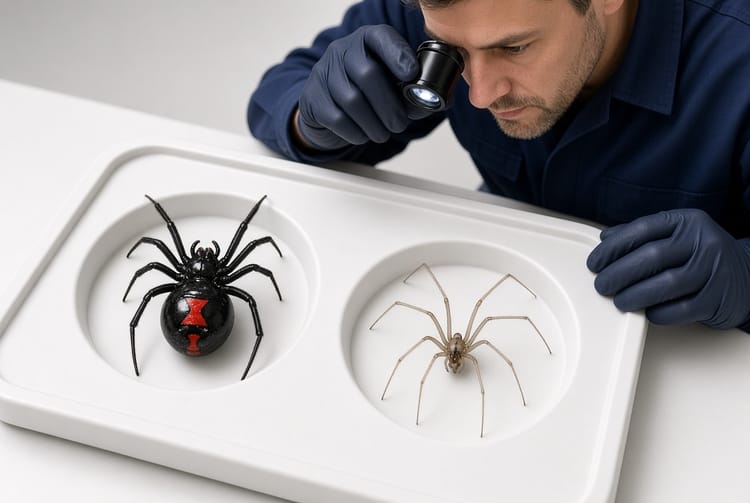
Psocids belong to the order Psocoptera and are often mistaken for dust or small mites at first glance. Adults measure less than 2 millimeters in length, appearing translucent white or pale gray with delicate wings in some species. Despite their unassuming appearance, booklice are highly efficient survivors in damp conditions.
These pests do not bite humans or pets, nor do they transmit diseases. However, their presence indicates an underlying moisture problem that can lead to structural damage and respiratory concerns if left unchecked. In humid climates or poorly ventilated spaces, psocids reproduce rapidly, with females laying up to 100 eggs in favorable conditions. Their ability to complete a full life cycle in as little as two weeks makes early intervention essential.
Homeowners in regions with high ambient humidity often discover psocids in libraries, basements, bathrooms, kitchens, and storage areas. They are particularly drawn to paper products, leather bindings, and any surface where mold can flourish. Recognizing psocids early empowers you to act decisively before the infestation escalates.
Why Psocids Appear: The Critical Link to Humidity and Mold
The root cause of nearly every psocid infestation is excess moisture. These insects cannot survive without high humidity because they absorb water directly through their exoskeletons. When indoor humidity levels climb above 60 percent – often due to poor ventilation, leaks, or seasonal weather patterns – mold and fungi begin to grow. Psocids then arrive as opportunistic feeders, consuming the mold spores and organic debris.
Common triggers include:
- Leaking pipes or roofs that create persistent dampness.
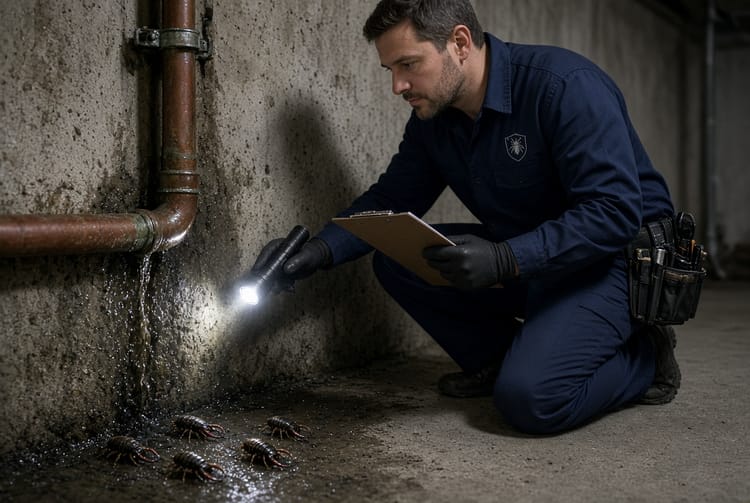
- Inadequate airflow in enclosed spaces like attics or crawl spaces.
- High indoor plant density or aquariums that release moisture into the air.
- Recent water damage from floods or spills that was not fully dried.
Once established, psocids serve as a visible warning sign. Their appearance alerts you to address the moisture source immediately. Ignoring this signal allows mold to spread, potentially compromising air quality and the integrity of your belongings.
Psocid Behavior and Life Cycle: Why Moisture Control Is Non-Negotiable
Psocids exhibit simple yet highly effective survival strategies tied directly to environmental moisture. They are nocturnal and prefer dark, undisturbed areas where humidity remains stable. Their diet consists almost exclusively of microscopic mold, fungi, pollen, and starchy residues found in books, wallpaper paste, and cardboard.
The life cycle of booklice underscores their dependence on humid conditions:
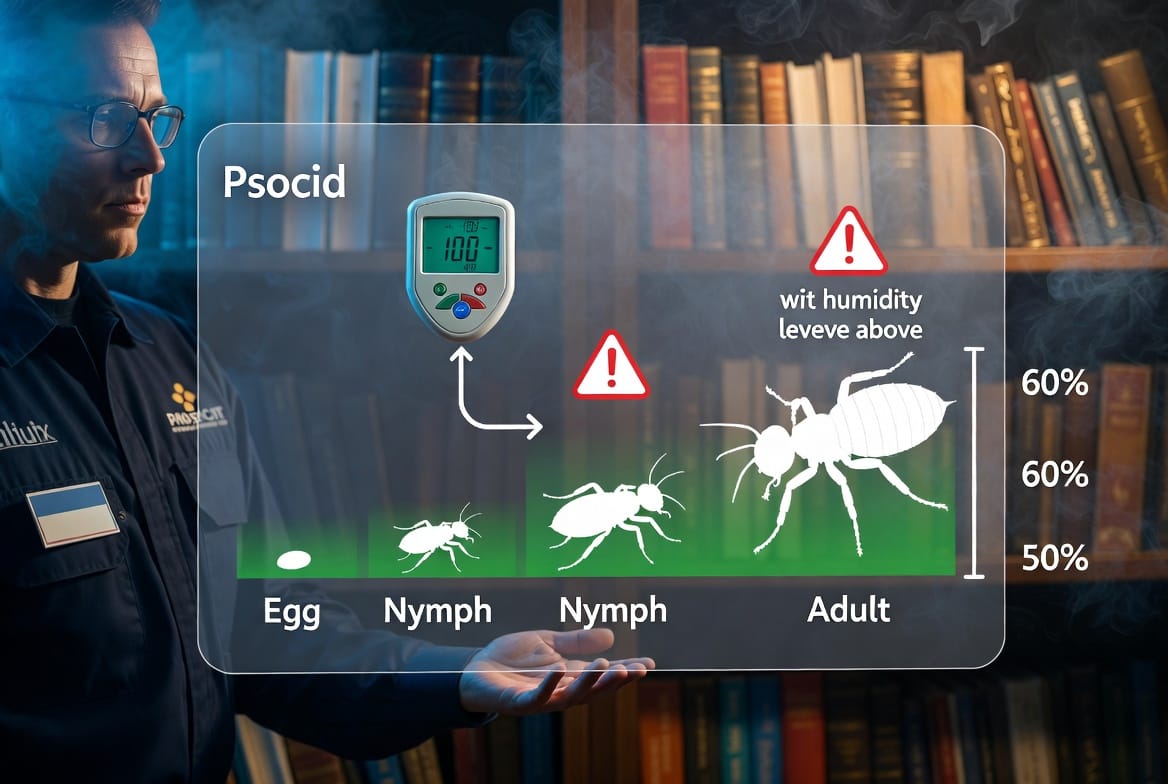
- Egg stage: Females deposit eggs on moldy surfaces; eggs hatch within 1–2 weeks when humidity supports development.
- Nymph stage: Young psocids resemble miniature adults and molt several times while feeding voraciously on available mold.
- Adult stage: Fully formed insects live 1–3 months, continuing the cycle as long as moisture levels permit.
Without sufficient humidity, eggs fail to hatch and nymphs desiccate rapidly. This biological vulnerability is your greatest advantage in control. By systematically lowering humidity below 50 percent, you disrupt the entire life cycle and starve the population. Professional monitoring confirms that consistent humidity reduction combined with mold removal yields permanent results, providing peace of mind for homeowners.
Identifying Signs of Booklice Before They Multiply
Early detection prevents costly escalation. Look for these telltale indicators:
- Tiny moving specks on books, walls, or stored documents that disappear when disturbed.
- Fine powdery residue resembling dust but actually consisting of shed skins and fecal matter.
- Mold patches on paper surfaces or wallpaper accompanied by increased insect activity.
- Musty odors in enclosed areas signaling hidden fungal growth.
If you observe these signs, conduct a thorough inspection focusing on high-humidity zones. Document findings with photos to track progress after implementing controls.
Potential Risks and the Importance of Prompt Action
While booklice pose minimal direct threat to health, their presence often coincides with mold spores that can trigger allergies, asthma, or respiratory irritation – especially in children and sensitive individuals. Property damage accumulates as mold weakens paper, fabrics, and even wooden structures over time.
Acting promptly protects your investment and maintains a healthy living environment. Rest assured that psocid management through proven moisture-focused methods is both safe and highly effective when executed correctly.
Proven Strategies for Managing Psocids: Focus on Humidity Reduction and Mold Removal
Successful booklice control centers on eliminating the conditions they require. Here are the core, evidence-based tactics:
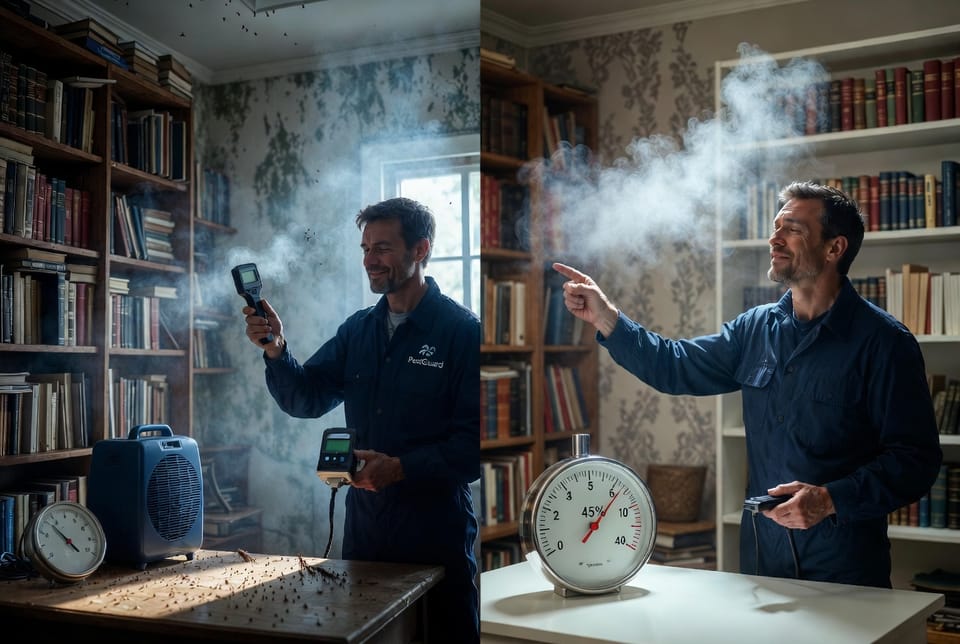
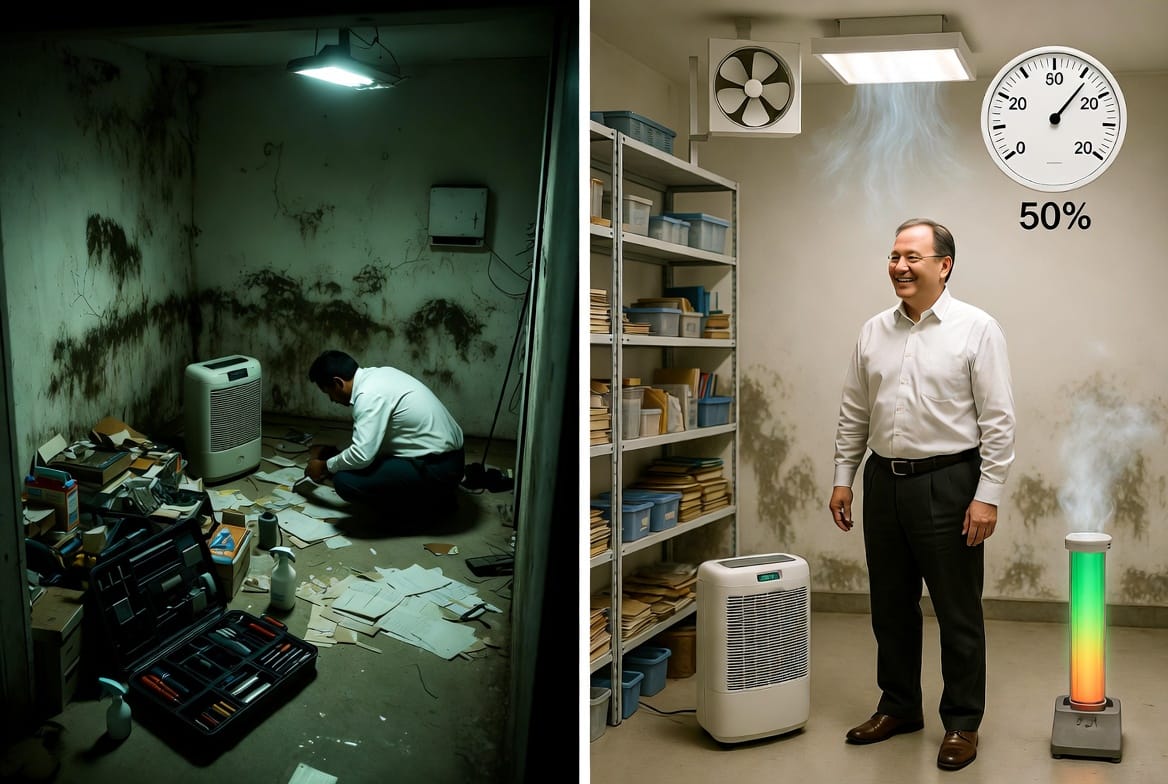
- Install high-capacity dehumidifiers in affected rooms and maintain relative humidity consistently below 50 percent. Monitor levels daily with a digital hygrometer for accuracy.
- Improve ventilation by using exhaust fans in bathrooms and kitchens, opening windows during dry weather, and ensuring attic and crawl space vents remain clear.
- Remove and dispose of moldy materials promptly. Seal infested books or papers in plastic bags before removal to prevent spreading.
- Clean thoroughly with HEPA-filtered vacuums and mold-inhibiting solutions on non-porous surfaces.
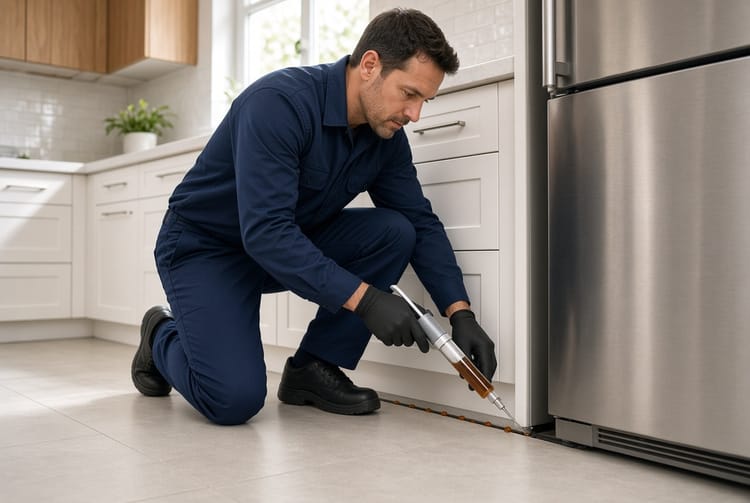
- Repair moisture sources such as leaks, condensation-prone windows, and poor drainage around the foundation.
- Use silica gel packets or moisture-absorbing crystals in storage areas as supplemental protection.
These steps, when combined, deliver rapid population decline and long-term prevention. Many homeowners report complete resolution within 2–4 weeks when humidity is rigorously controlled.
When Professional Expertise Makes All the Difference
While DIY efforts can help mild cases, severe or recurring psocid infestations benefit from professional intervention. Trained technicians use advanced moisture mapping tools, industrial-grade dehumidification equipment, and targeted mold remediation protocols that go beyond household methods. They also identify hidden sources of dampness that might otherwise remain undetected.
Partnering with a reputable service ensures thorough treatment, follow-up monitoring, and customized prevention plans tailored to your specific environment.
Long-Term Prevention Tips for Humid Climates
Sustain your success with these ongoing practices:
- Schedule seasonal humidity audits.
- Maintain HVAC systems and replace filters regularly.
- Store books and papers in climate-controlled containers.
- Monitor indoor plants and reduce their numbers if humidity spikes occur.
- Consider whole-home dehumidification systems for consistent protection.
By treating humidity management as an essential part of home maintenance, you create an environment where booklice simply cannot thrive.
Dry Out to Eliminate Booklice – Take Action Today
The psocid problem is entirely solvable when you address its moisture-driven root cause. Through consistent humidity reduction and mold removal, you can reclaim your space and enjoy a pest-free, healthier home.
For expert moisture control and professional booklice management tailored to humid environments. Our team is ready to deliver fast, reliable results you can trust.
Get Rid of Booklice Permanently – Call for Expert Help