The Pipe Corrosion: Identifying and Addressing Aging Copper and Galvanized Lines
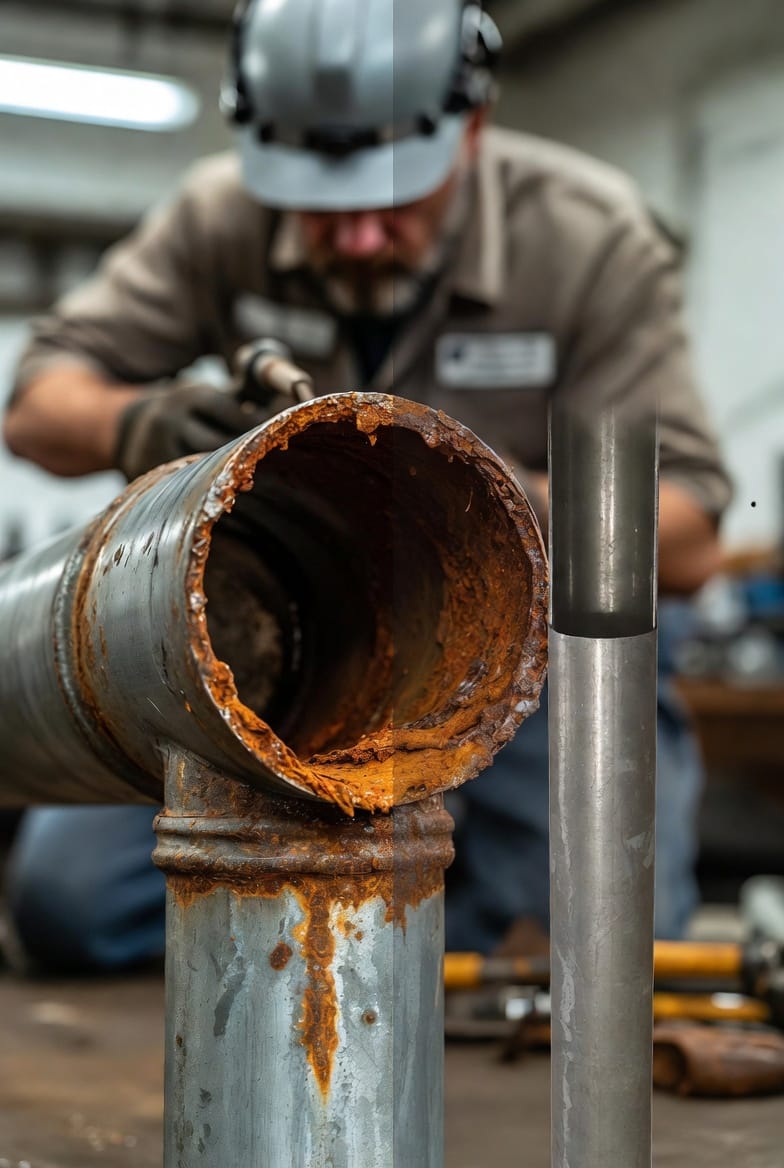
Aging infrastructure in homes built decades ago often hides a silent threat beneath floors, walls, and ceilings: pipe corrosion. Left unchecked, corroded pipes can lead to costly water damage, reduced water quality, and unexpected failures. At the heart of many older plumbing systems are galvanized steel pipes and copper lines, both of which degrade over time in very different ways. Understanding pipe corrosion is the first step toward protecting your home and your family’s comfort.
Protect Your Home from Hidden Corrosion – Call Now!
Homeowners across the country are discovering that what once seemed like a reliable plumbing system is now showing its age. Whether your house was built in the 1950s, 1960s, or even the 1970s, the pipes inside may be approaching or past their expected lifespan. The good news? With early identification and professional intervention, pipe corrosion can be addressed effectively before small issues become major disasters. This comprehensive guide walks you through the signs, the science behind different pipe materials, and the smart replacement options available today.
Pipe corrosion is not just an inconvenience—it is a progressive condition that worsens gradually, often without obvious external warning until it is too late. By learning to spot the early indicators and understanding your specific pipe type, you gain the power to act decisively and restore peace of mind to your household.
What Causes Pipe Corrosion in Aging Homes?
Every plumbing system faces natural wear from water chemistry, temperature fluctuations, and time itself. In older homes, galvanized steel pipes were once the standard. These pipes were coated with zinc to resist rust, but that protective layer eventually breaks down after 40 to 70 years of service. Once the zinc is gone, the underlying steel begins to oxidize rapidly, forming thick layers of rust that narrow the pipe’s interior.
Copper pipes, popular in homes built from the 1960s onward, are generally more resistant but still vulnerable to specific conditions. Acidic water, high mineral content, or even improper installation can trigger pitting corrosion—small, deep holes that weaken the pipe wall over time. Both materials respond differently to the same water supply, which is why knowing your pipe type is essential.
Factors accelerating pipe corrosion include:
- Hard water high in minerals that deposit inside pipes
- Low pH levels that eat away protective coatings
- Temperature extremes that cause expansion and contraction stress
- Lack of maintenance over decades of use
These conditions are common in aging neighborhoods, making pipe corrosion a widespread concern for homeowners today.
Recognizing the Early Warning Signs of Pipe Corrosion
The best defense against plumbing failure is vigilance. Discolored water, low water pressure, and pinhole leaks are the most common red flags that pipe corrosion has already begun.
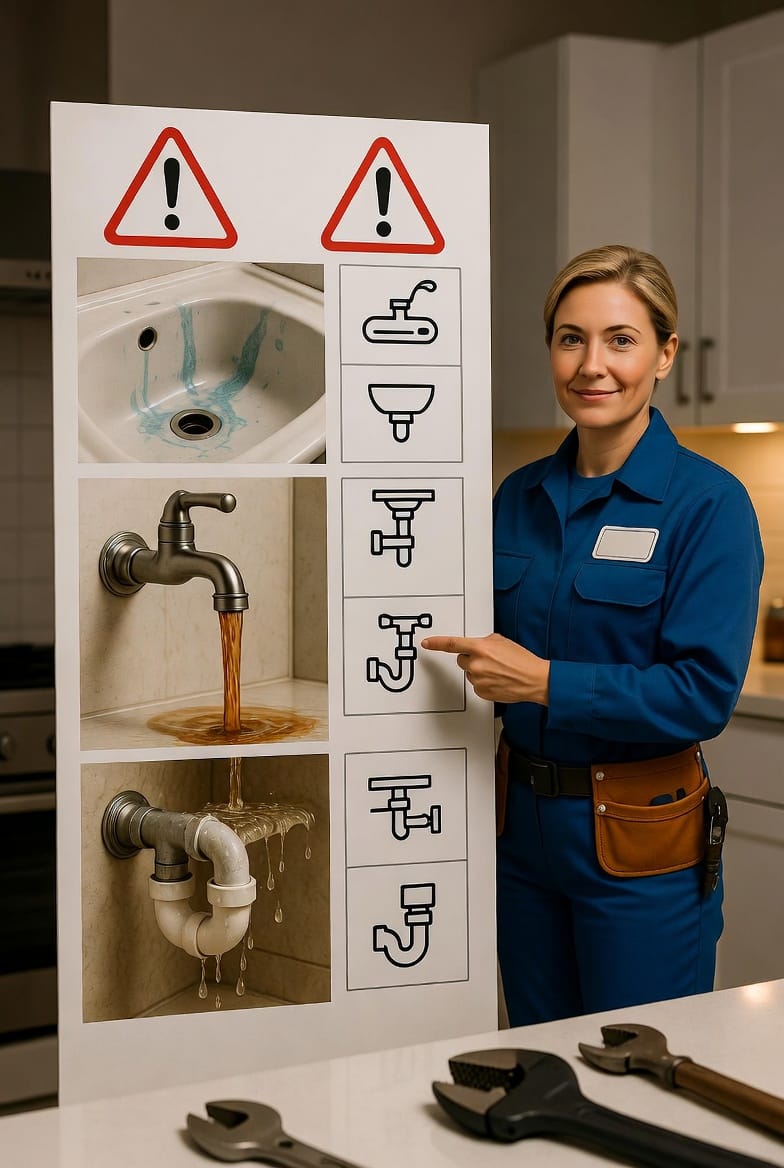
Discolored water is often the first noticeable symptom. If your tap water suddenly runs brown or reddish, galvanized pipes are likely the culprit as rust particles break loose. In contrast, copper pipe corrosion frequently leaves blue-green stains on sinks, tubs, and fixtures where water sits or drips.
Low water pressure develops as corrosion builds up inside the pipe, restricting flow like plaque in an artery. You might notice weaker showers, slower-filling toilets, or reduced output from multiple fixtures at once. This gradual decline is a clear signal that your pipes are narrowing from internal buildup.
Pinhole leaks represent an advanced stage of pipe corrosion. These tiny perforations allow water to escape, often causing hidden damage behind walls or under floors before you ever see a puddle. A sudden spike in your water bill without increased usage is another subtle clue worth investigating immediately.
Other indicators include:
- Frequent clogs that resist normal plunging or snaking
- Unusual noises such as banging or whistling in the pipes
- Musty odors near plumbing fixtures or in basements
- Visible rust or staining around pipe joints in accessible areas
When you notice any of these signs, prompt professional evaluation prevents small problems from escalating into emergency repairs.
Copper vs. Galvanized: How Corrosion Progresses Differently
Understanding the distinct behaviors of copper and galvanized pipes helps you choose the right long-term solution.
Galvanized steel pipes corrode from the inside out. The zinc coating sacrifices itself to protect the steel, eventually exposing the iron beneath. Rust accumulates in thick layers, dramatically reducing water flow and introducing metallic particles into your drinking water. This type of corrosion often leads to widespread blockages and requires complete replacement rather than spot repairs.
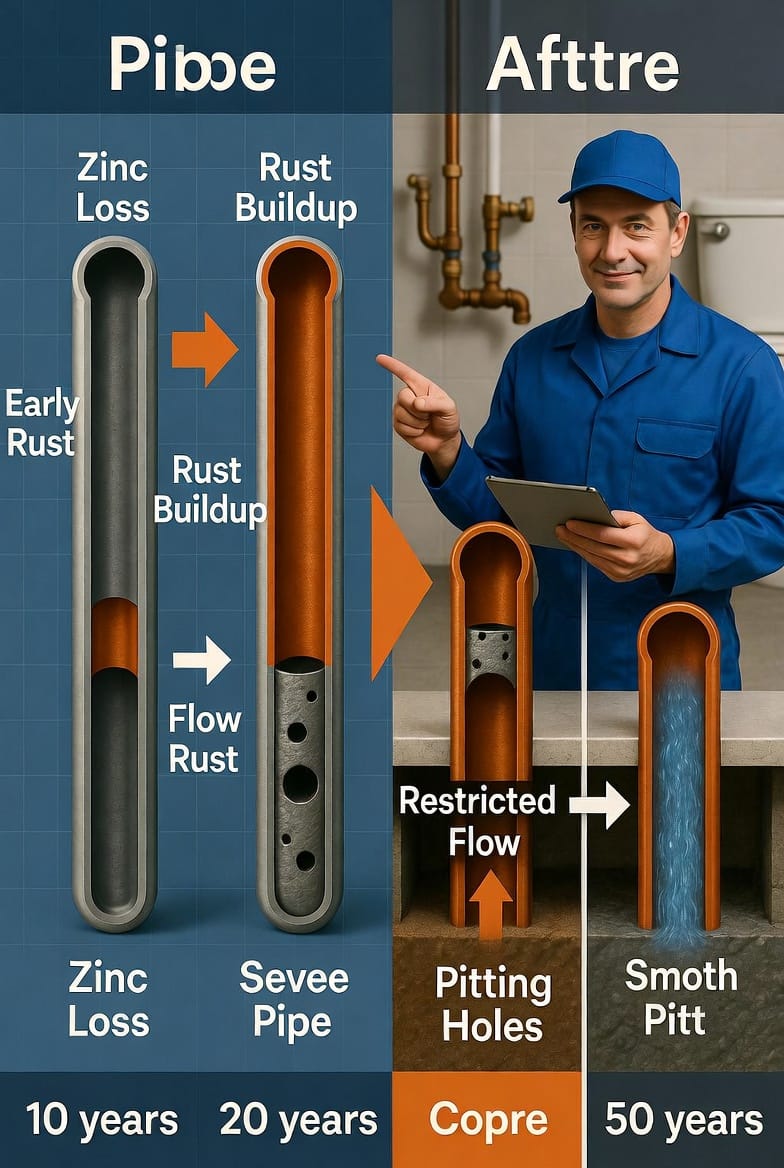
Copper pipes corrode through a process called pitting. Small pits form on the interior surface and deepen over years, eventually breaching the pipe wall and causing pinhole leaks. While copper is less likely to cause widespread discoloration, the leaks it produces can be sudden and destructive. Blue-green staining on fixtures is the hallmark of active copper pipe corrosion.
The key difference lies in repair feasibility. Galvanized systems almost always need full replacement once corrosion sets in, while copper systems may allow limited patching—though experts strongly recommend full repiping for lasting results in both cases. Mixing old and new materials can actually accelerate corrosion in remaining sections due to differing electrical properties in the water.
The Hidden Risks of Ignoring Aging Pipes
Continuing to live with corroded pipes exposes your home and health to serious risks. Structural water damage from leaks can weaken foundations, promote mold growth, and destroy valuable belongings. Insurance claims related to plumbing failures are rising, and many policies limit coverage for gradual damage from aging infrastructure.
Water quality also suffers. Rust particles and dissolved metals from corroded lines can affect taste, odor, and safety. In extreme cases, older galvanized systems installed before 1986 may have contributed to elevated lead levels if solder or fittings contained the metal.
Financially, the cost of emergency repairs far exceeds proactive repiping. A single major leak can cause thousands in water damage restoration, while scheduled replacement protects your investment and maintains your home’s value.
Modern Replacement Options That Deliver Lasting Results
Fortunately, today’s plumbing technology offers reliable, long-lasting solutions for pipe corrosion.
Cross-linked polyethylene (PEX) tubing has become the preferred choice for many homeowners. Flexible, resistant to corrosion, and easy to install, PEX eliminates the rust and pitting issues of older materials while maintaining excellent water pressure and flow.
New copper piping remains an excellent option for those who prefer traditional materials. Modern copper is more durable than its predecessors and pairs well with improved water treatment methods.
Chlorinated polyvinyl chloride (CPVC) provides another corrosion-proof alternative, particularly suited for hot water lines.
Each material has advantages depending on your home’s layout, budget, and local water conditions. A professional assessment ensures you select the best fit for long-term performance.
During repiping, technicians often use trenchless or minimally invasive techniques that reduce drywall damage and cleanup time. Many projects can be completed in just a few days, returning your home to normal quickly.
Why Professional Repiping Is the Smartest Investment
DIY attempts at fixing pipe corrosion rarely provide lasting relief. Temporary patches often fail within months, leading to repeated service calls and escalating costs. Licensed plumbers bring specialized tools, years of experience, and warranties that protect your investment.
A thorough inspection includes camera scoping of hidden lines to map the full extent of damage. This data-driven approach prevents surprises and ensures every corroded section is addressed.
Homeowners who choose professional repiping report immediate improvements in water pressure, clearer water, and greater peace of mind. The upgrade also increases property value and appeal to future buyers who understand the importance of updated plumbing.
Taking Action Before Failure Occurs
Pipe corrosion never improves on its own. The longer you wait, the more expensive and disruptive the solution becomes. By addressing aging copper and galvanized lines proactively, you safeguard your home, protect water quality, and avoid emergency situations.
Our team of experienced professionals is ready to evaluate your plumbing system and recommend the most effective path forward. Whether you need a full repiping project or targeted solutions, expert guidance ensures results that last for decades.
Replace aging pipes before they fail. Don’t let hidden corrosion compromise your home’s safety and comfort. Ask about professional repiping today by calling (844) 578-2593. Early action is the key to reliable, worry-free plumbing for years to come.
Frequently Asked Questions About Pipe Corrosion
How long do galvanized pipes typically last?
Most last 40 to 70 years before corrosion becomes problematic. Homes built before 1970 are most at risk.
Can I replace just a section of corroded pipe?
While possible in some cases, partial replacement often leads to accelerated failure in remaining old sections. Full repiping is usually the most cost-effective long-term choice.
Will repiping disrupt my daily routine?
Modern techniques minimize disruption. Most homes regain full water service within a few days.
Is my water safe if I have discolored water?
Discoloration signals active corrosion. While not always immediately harmful, it indicates the need for professional assessment to ensure long-term water quality.
What is the best material for replacement?
PEX offers excellent durability and flexibility for most homes. Your plumber will recommend the optimal material based on your specific water chemistry and home layout.
By staying informed and acting promptly, you transform a potential plumbing crisis into a straightforward home improvement project. Pipe corrosion is manageable when you understand the signs and solutions. Contact a trusted plumbing professional today to schedule your inspection and take the first step toward a healthier, more reliable plumbing system.
Restore Strong Water Pressure & Clear Water – Call Today