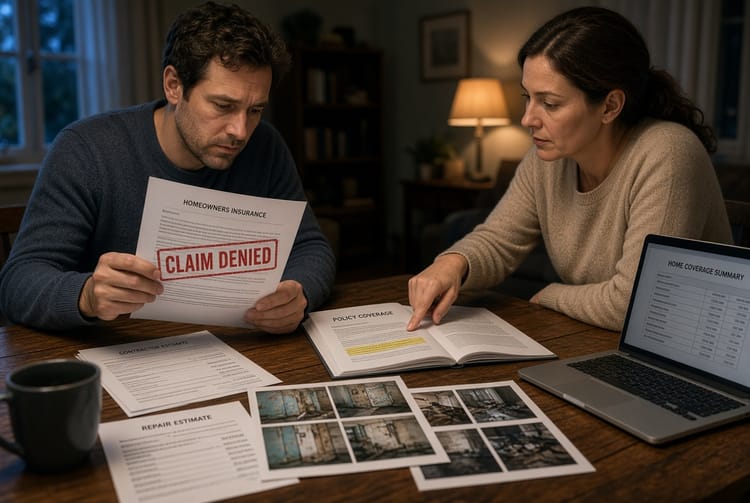
The Permitted vs. Unpermitted Work: Why Insurance May Deny Claims

Home insurance is designed to protect your most valuable asset — your home. Yet many homeowners unknowingly put their coverage at risk through unpermitted work. When disaster strikes, an insurance company may deny your claim entirely if the damage stems from construction or renovations completed without proper permits.
Don’t Let Unpermitted Work Void Your Claim – Call Now!
This article explores this critical coverage pitfall, explains why permits matter for insurance protection, and provides practical steps to safeguard your policy. Understanding these rules helps ensure your home insurance claims are paid when you need them most.
Understanding Permitted vs. Unpermitted Work
Permitted work refers to any home improvement, addition, or renovation that has received official approval from your local building department. This process includes plan reviews, inspections, and final sign-offs that confirm the project meets current building codes and safety standards.
Unpermitted work, on the other hand, bypasses these requirements. Homeowners sometimes attempt DIY projects or hire contractors who skip permits to save time and money. While it may seem convenient, this choice can create serious financial vulnerabilities.
Key point: Insurance companies base coverage on the assumption that your home complies with local codes. When it doesn't, they have valid reasons to limit or deny claims.
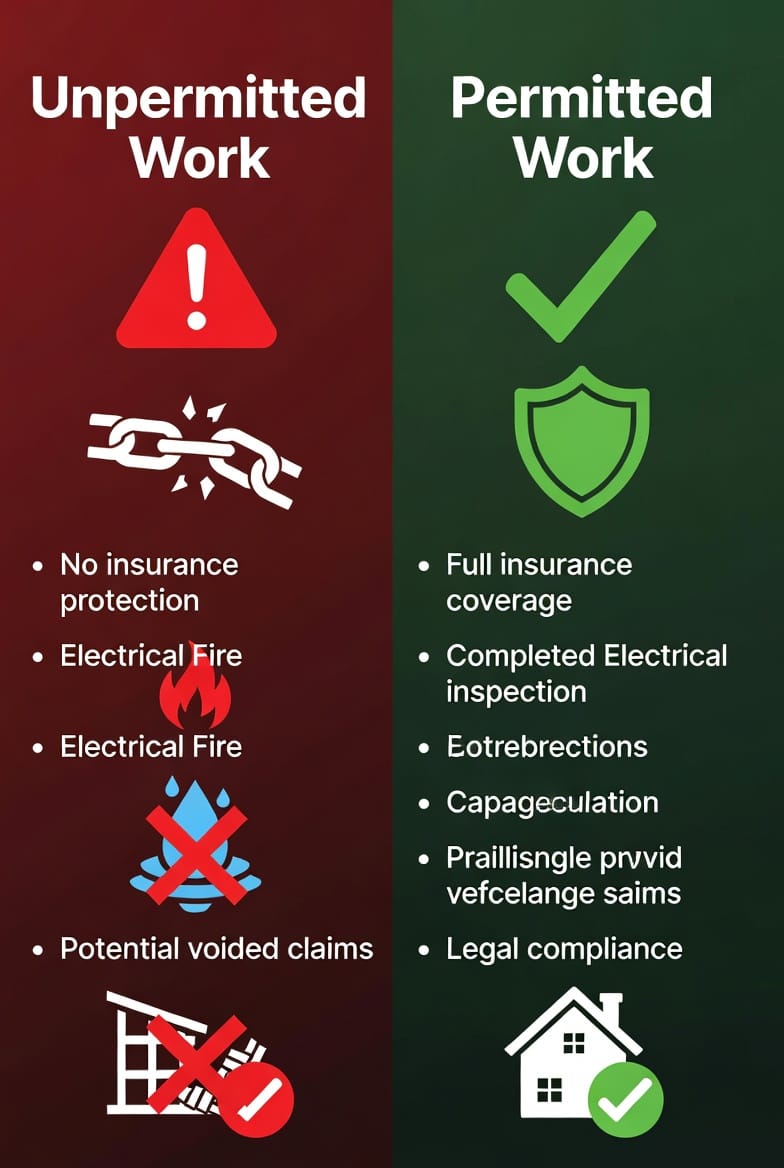
Real-World Examples of Claim Denials
Insurance claim denials related to unpermitted work happen more frequently than most homeowners realize. Here are common scenarios:
- Electrical Fire from DIY Wiring: A homeowner installs new lighting without permits. Later, faulty wiring causes a fire. The insurance company investigates, discovers the unpermitted electrical work, and denies the entire claim despite the policy covering fire damage.
- Water Damage from Unpermitted Bathroom: During a bathroom remodel without permits, plumbing is installed incorrectly. A leak causes significant water damage to multiple floors. The claim is denied because the root cause traces back to non-compliant plumbing work.
- Structural Issues After Unpermitted Addition: Adding a room or deck without permits seems minor until a storm causes collapse. Adjusters often reject claims when unpermitted structural changes are involved.
These examples highlight a crucial reality: coverage depends on compliance.
Why Permits Matter for Insurance Coverage
Insurance policies contain specific language regarding building codes and legal compliance. Here's why permits play such an important role:
- Code Compliance Verification: Permits ensure work meets safety standards designed to prevent damage. Insurance companies rely on this verification.
- Risk Assessment: Underwriters evaluate homes based on known risks. Unpermitted modifications introduce unknown variables that may fall outside policy terms.
- Legal Obligations: Many policies explicitly exclude damage resulting from violations of building laws or ordinances.
Bold truth: Even if you had no knowledge of the unpermitted work (for example, when buying a home), insurers may still deny claims if the issue is discovered during investigation.
High-Risk Areas of Unpermitted Work
Certain types of projects carry higher risk of claim denial:
- Electrical Systems: Any rewiring, panel upgrades, or new circuits
- Plumbing Modifications: New bathrooms, kitchens, or drainage changes
- Structural Changes: Load-bearing walls, foundations, or room additions
- Roofing Projects: Complete replacements or significant modifications

How to Address Prior Unpermitted Work
If you suspect or know about existing unpermitted work on your property, take proactive steps:
- Hire a Professional Inspection — Engage a qualified home inspector or contractor familiar with local codes to assess the work.
- Consider Retroactive Permitting — Some jurisdictions allow "after-the-fact" permits, though this may involve fees and required corrections.
- Document Everything — Keep detailed records of assessments and any remediation work performed.
- Review Your Insurance Policy — Speak directly with your agent about how to disclose modifications properly.
- Update Your Coverage — Ensure your policy reflects current home conditions after bringing work into compliance.
Taking these steps demonstrates good faith and can help maintain coverage integrity.
The Financial Impact of Denied Claims
A denied claim due to unpermitted work can result in thousands of dollars in out-of-pocket expenses. Major repairs for fire, water, or structural damage often exceed $50,000 — sometimes reaching six figures.
Beyond immediate costs, unresolved issues may also affect your ability to sell your home or secure future insurance. Lenders and new insurers frequently request documentation of permitted work.
Best Practices for Future Home Projects
Protect yourself by following these guidelines for any renovation:
- Always Pull Permits — Even for projects that seem minor.
- Work with Licensed Contractors — Verify they handle permitting processes.
- Keep Records — Maintain all permits, inspections, and approvals.
- Notify Your Insurance Agent — Inform them of significant improvements.
- Schedule Regular Policy Reviews — Ensure your coverage matches your home's current state.
These practices provide peace of mind and strengthen your home insurance protection.
When to Seek Professional Guidance
Don't navigate these complexities alone. Insurance policies contain nuanced language that requires expert interpretation. A knowledgeable insurance professional can help review your specific situation, identify potential gaps, and recommend appropriate solutions.
Whether you're planning renovations or addressing past modifications, expert advice helps safeguard your investment.
Conclusion: Secure Your Coverage Today
Unpermitted work represents one of the most common yet avoidable reasons for home insurance claim denials. By understanding the risks, addressing existing issues, and committing to proper permitting processes, you protect both your home and your financial security.
Don't let unpermitted work void your coverage. Take action now to ensure your policy works as intended when you need it most.
Call our team today to discuss your home insurance needs and learn about potential risks with unpermitted modifications.
Avoid Denied Claims Due to Unpermitted Work – Speak to Us Now