The Nutrition Therapy: Eating for Mental Health in Recovery

In the journey of rehabilitation, addressing mental health goes far beyond traditional therapy sessions. Nutrition therapy emerges as a powerful, practical tool that empowers individuals to support their brain chemistry and emotional stability from within. At its core, what we eat directly influences how we feel, think, and recover. This comprehensive approach helps stabilize mood, reduce cravings, and build resilience during the vulnerable phases of recovery.
Start Healing Your Brain with Nutrition – Call Now!
Proper nutrition isn't just about physical health—it's a cornerstone of mental wellness in recovery. By understanding the science behind food and mood, individuals gain control over their healing process. This article explores how targeted dietary choices can transform recovery outcomes, offering actionable insights for lasting emotional balance.
Understanding the Gut-Brain Connection in Recovery
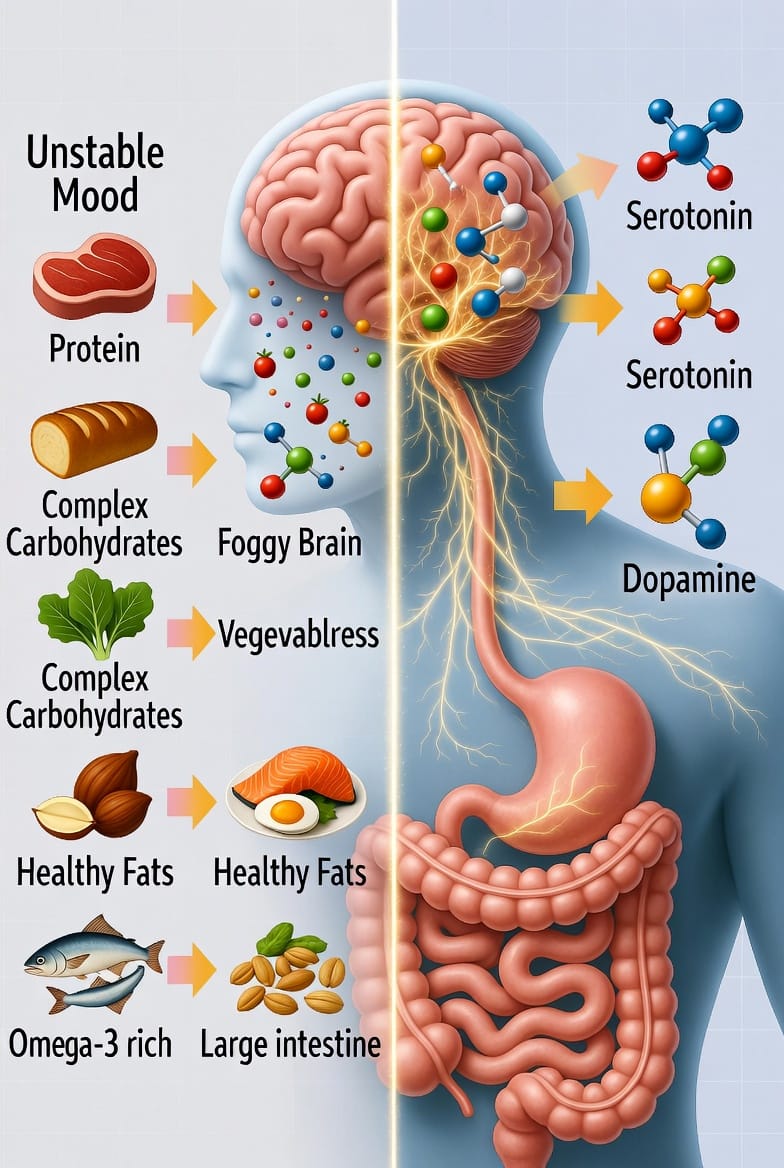
The relationship between nutrition and mental health is profound. The gut and brain communicate constantly through the gut-brain axis, where dietary choices influence neurotransmitter production and inflammation levels. In recovery, this connection becomes even more critical as the brain heals from the effects of substance use.
Blood sugar swings represent one of the most immediate challenges. Rapid rises and falls in blood glucose levels—often triggered by refined sugars and processed foods—can lead to irritability, anxiety, fatigue, and intense cravings. These fluctuations mirror the emotional instability many experience early in recovery, potentially increasing relapse risk.
By focusing on complex carbohydrates, proteins, and healthy fats, individuals can maintain steady energy levels. This stability creates a foundation for clearer thinking and better emotional regulation, making it easier to engage fully in rehab programs and therapy.
The Role of Amino Acids in Neurotransmitter Production
Neurotransmitters are the brain's chemical messengers, and their balance is essential for mental health. Amino acids from dietary proteins serve as building blocks for these vital compounds.
- Tryptophan converts into serotonin, the neurotransmitter associated with mood regulation, sleep, and feelings of well-being. Low serotonin levels often contribute to depression and anxiety during recovery.
- Tyrosine supports the production of dopamine, which governs motivation, pleasure, and reward pathways. Healthy dopamine function helps combat the anhedonia (inability to feel pleasure) common after substance withdrawal.
A diet rich in high-quality proteins ensures adequate supplies of these precursors. When combined with supportive nutrients like vitamins B6, B12, and folate, the body efficiently synthesizes these mood-regulating chemicals.
This biochemical support reassures those in recovery: your brain has the capacity to heal naturally when given the right fuel.
How a Balanced Diet Supports Emotional Stability
A well-rounded nutritional plan does more than prevent deficiencies—it actively promotes resilience. Omega-3 fatty acids, antioxidants, and essential minerals work together to reduce brain inflammation, support neural repair, and enhance cognitive function.
Consistent intake of nutrient-dense foods helps regulate the HPA axis (hypothalamic-pituitary-adrenal axis), which governs stress responses. Lower chronic stress means fewer mood swings and greater ability to handle recovery challenges.
Individuals often report improved sleep, sharper focus, and a more positive outlook within weeks of adopting recovery-friendly eating habits. These changes reinforce commitment to sobriety and overall wellness.
Key Nutrients That Empower Recovery
Certain foods stand out for their mental health benefits. Incorporating them regularly can make a significant difference:
- Fatty fish like salmon: Packed with omega-3 fatty acids that reduce inflammation and support membrane health in brain cells.
- Eggs: Excellent source of tryptophan and choline for neurotransmitter synthesis and cognitive function.
- Nuts and seeds: Provide zinc, magnesium, and healthy fats that help regulate mood and stress.
- Leafy greens: Rich in folate and antioxidants that support methylation processes essential for neurotransmitter production.
These foods are accessible, versatile, and can be prepared in countless satisfying ways.
Practical Strategies for Implementing Nutrition Therapy
Adopting nutrition therapy doesn't require perfection. Start with small, sustainable changes tailored to recovery needs:
- Meal timing: Eat balanced meals every 3-4 hours to prevent blood sugar crashes.
- Hydration focus: Proper water intake supports detoxification and cognitive clarity.
- Mindful eating practices: Pay attention to hunger cues and emotional triggers around food.
- Meal planning: Prepare nutrient-rich meals in advance to reduce decision fatigue during early recovery.
Working with nutrition professionals familiar with addiction recovery ensures personalized plans that address specific deficiencies and preferences.
Common challenges like limited appetite or digestive issues during withdrawal can be managed through gentle, healing foods such as bone broths, smoothies, and fermented items that support gut health.
The Science-Backed Benefits of Nutrition in Rehab
Research consistently shows that nutritional interventions improve recovery outcomes. Balanced diets correlate with reduced depression symptoms, lower anxiety, and better treatment adherence.
By stabilizing blood sugar and supporting neurotransmitter production, individuals experience fewer mood dips that might otherwise derail progress. This creates a positive feedback loop: better nutrition leads to better mental health, which strengthens commitment to sobriety.
Reassuring truth: Your body and brain are remarkably adaptive. With consistent, informed nutrition choices, healing accelerates.
Addressing Nutritional Deficiencies Common in Recovery
Long-term substance use often depletes key vitamins and minerals. Thiamine, magnesium, vitamin D, and B vitamins are frequently low, contributing to fatigue, poor mood, and cognitive fog.
Targeted repletion through food (and supplements when needed under professional guidance) restores balance. This foundational work enhances the effectiveness of counseling, support groups, and other rehab modalities.
Building a Sustainable Recovery Plate
Visualize your ideal recovery plate: half filled with colorful vegetables and fruits, one-quarter with quality proteins, and one-quarter with complex carbs. Add healthy fats and herbs for flavor and extra benefits.
Examples include:
- Grilled chicken or tofu with quinoa and steamed broccoli
- Salmon salad with mixed greens, avocado, and olive oil dressing
- Greek yogurt parfait with berries, nuts, and seeds
These meals satisfy, nourish, and support emotional regulation throughout the day.

Overcoming Barriers to Healthy Eating in Recovery
Many face obstacles such as financial constraints, lack of cooking skills, or co-occurring eating disorders. Professional programs address these holistically, offering education, group cooking sessions, and resource connections.
The goal remains empowerment: learning to nourish oneself builds self-efficacy that transfers to all areas of recovery.
Long-Term Advantages of Nutrition Therapy
Sustained attention to nutrition yields compounding benefits. Improved physical health supports mental clarity. Better mood regulation strengthens relationships and life satisfaction. Many discover newfound energy for pursuing goals and hobbies.
Nutrition therapy integrates seamlessly with other evidence-based practices, creating a comprehensive recovery framework.
Taking the Next Step Toward Nourished Healing
Heal your brain with proper nutrition. The power of food as medicine becomes clear when applied intentionally in recovery. Small daily choices accumulate into profound transformations.
Learn about our comprehensive nutrition program designed specifically for mental health and addiction recovery. Our experts provide personalized guidance, education, and ongoing support.
Transform Your Recovery with Proper Nutrition – Call Now