The Liquid vs. Granular Debate: Choosing the Right Fertilizer Formulation for Your Lawn's Needs
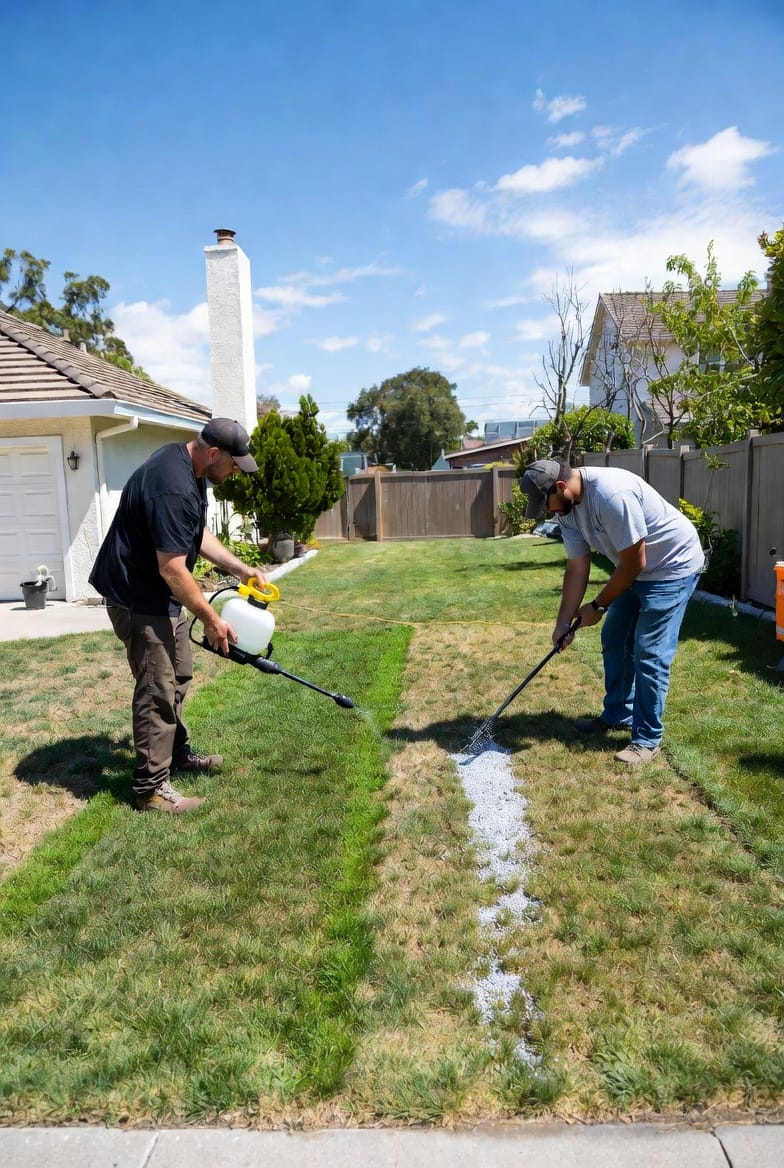
Maintaining a lush, vibrant lawn requires more than just regular mowing and watering—fertilizer choice plays a pivotal role in achieving those enviable green results. As homeowners and lawn enthusiasts grapple with the liquid vs. granular fertilizer debate, understanding the nuances can transform your yard from average to exceptional. In this comprehensive guide, we'll break down the key differences, compare application methods, explore quick-release versus slow-release benefits, and provide tailored advice based on seasons, equipment, and desired outcomes. Rest assured, with the right knowledge, you can nourish your lawn effectively and sustainably.
Transform Your Lawn This Season – Call Now
Understanding Liquid Fertilizers: Fast-Acting Nutrition
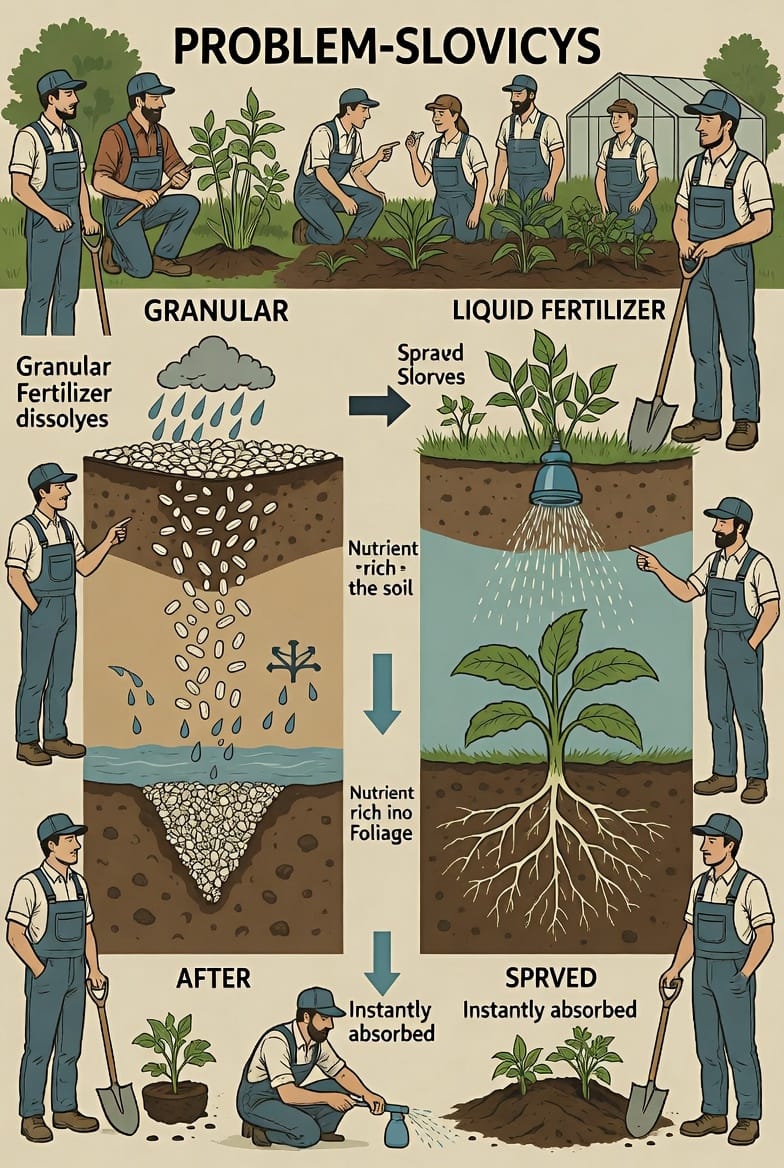
Liquid fertilizers are water-soluble solutions that deliver nutrients directly to your lawn's foliage and roots. They're often mixed with water and applied via sprayers, making them a go-to for quick green-up scenarios.
- Composition and Benefits: These formulations typically include a balanced NPK ratio (nitrogen for growth, phosphorus for roots, potassium for resilience) in a readily available form. The quick-release nature means plants absorb nutrients almost immediately, leading to visible improvements in days.
- Application Ease: Using a hose-end sprayer or backpack applicator, you can achieve even coverage across uneven terrain, reducing the risk of patchy spots.
- Ideal Scenarios: Perfect for addressing nutrient deficiencies swiftly, especially in cooler weather when soil absorption is slower.
Homeowners love liquids for their versatility—mix them with herbicides or insecticides for multi-tasking treatments. However, over-application can lead to nutrient burn if not diluted properly, so always follow label instructions for a healthy outcome.
Granular Fertilizers: Sustained Release for Long-Term Health
In contrast, granular fertilizers come in solid, pellet-like forms that you spread across the lawn. They break down gradually with moisture, providing a slow-release of nutrients over weeks or months.
- How They Work: Coated or time-release granules ensure steady feeding, minimizing the need for frequent applications and reducing leaching risks into groundwater.
- Durability Advantages: Once applied, they withstand foot traffic better and offer longer-lasting benefits, ideal for maintaining consistent growth without spikes.
- Common Types: Options range from organic blends to synthetic, with customizable NPK ratios for specific soil needs.
While they require more initial effort in spreading, the payoff is a resilient lawn that thrives through varying conditions. Professionals often recommend them for established lawns seeking enduring vitality.
Comparing Application Methods: Precision vs. Simplicity
The way you apply fertilizer significantly impacts its effectiveness. Let's dive into the application methods for both types.
Liquid Application: Spray and Go
Liquid fertilizers shine in their straightforward application:
- Tools Needed: A simple garden hose sprayer or professional-grade pump sprayer ensures uniform distribution.
- Process: Dilute the concentrate, attach to your hose, and walk the lawn in overlapping patterns for even coverage.
- Pros: Quick to apply (often under 30 minutes for average yards), penetrates thatch easily, and allows for foliar feeding where nutrients are absorbed through leaves.
- Cons: Wind can cause drift, and immediate watering isn't always required but helps activation.
This method is reassuring for beginners, as it mimics watering and provides instant gratification.
Granular Application: Spread for Success
Granular options demand a bit more technique but reward with reliability:
- Tools Needed: Broadcast or drop spreaders calibrate the flow for precise dispersal.
- Process: Fill the spreader, set the rate based on your lawn size, and push in straight lines, overlapping slightly to avoid stripes.
- Pros: Less affected by wind, provides slow-release nutrition, and integrates well with overseeding.
- Cons: Requires post-application watering to activate, and uneven spreading can lead to fertilizer stripes.
With practice, granular application becomes second nature, ensuring your lawn gets sustained care without frequent interventions.
Pros and Cons: Weighing the Trade-Offs
To make an informed choice, consider these balanced comparisons:
- Speed of Results: Liquids offer quick-release for rapid greening, while granules provide gradual improvements, preventing growth surges that weaken grass.
- Coverage and Efficiency: Liquids excel in even coverage on sloped or irregular lawns; granules ensure no missed spots with mechanical spreaders.
- Environmental Impact: Granules reduce runoff risks due to their slow-release mechanism, promoting eco-friendly practices.
- Cost Factors: Initial liquid setups might be cheaper, but granules often last longer, offering better value over time.
- Risk Management: Both can cause issues if misused—nutrient burn from liquids or clumping in granules—but proper timing mitigates these.
Ultimately, your lawn's specific needs dictate the winner; many experts blend both for optimal results.
Seasonal Guidance: Timing Your Fertilizer Choice
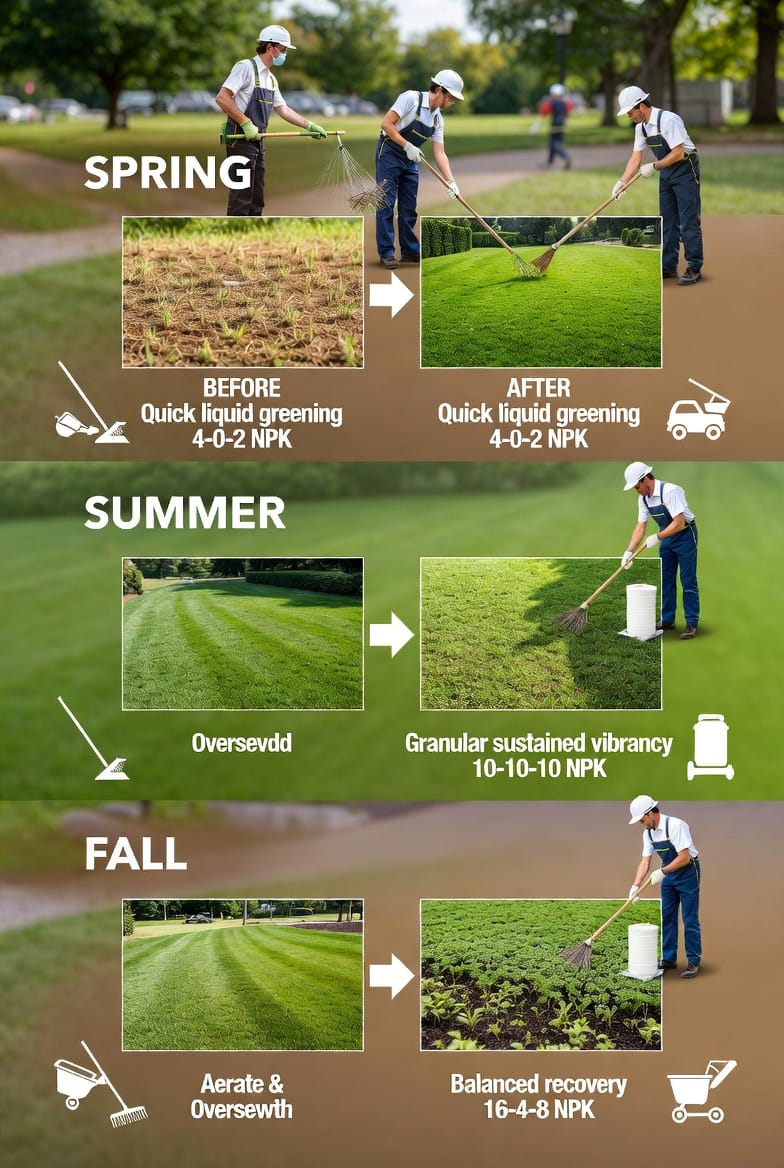
Seasons dictate lawn metabolism, influencing the best fertilizer type. Here's a tailored approach:
- Spring: Quick Green-Up with Liquids: As temperatures rise, use liquid fertilizers for fast nutrient delivery. Aim for a high-nitrogen NPK ratio like 20-5-10 to kickstart growth after winter dormancy. This promotes dense turf without overwhelming new shoots.
- Summer: Longevity with Granules: Heat stresses lawns, so opt for slow-release granular formulas (e.g., 15-5-10) that feed steadily through droughts. They maintain color and health without frequent reapplications.
- Fall: Balanced Prep for Both: Combine liquids for immediate root strengthening and granules for winter reserves. A 10-10-20 ratio supports recovery and prepares for cold snaps.
Adjust based on your region's climate—cool-season grasses like Kentucky bluegrass thrive on this schedule, while warm-season varieties like Bermuda may need tweaks. Soil tests from local extensions provide
Equipment Considerations: Tools for Every Task
Your available gear can sway the decision:
- For Liquids: Invest in adjustable sprayers for control. Backpack models suit larger areas, while hose-ends work for small yards.
- For Granules: Choose spreaders with edge guards to prevent sidewalk overspill. Battery-powered options ease the push for expansive lawns.
- Hybrid Tips: Many pros use both—liquids for spot treatments and granules for broad coverage.
Quality equipment minimizes errors, making fertilization a breeze rather than a chore.
Desired Results: Matching Formulation to Goals
What do you want from your lawn?
- Rapid Revival: If reviving a dull yard post-winter, liquids deliver quick-release magic.
- Enduring Vitality: For low-maintenance longevity, granules' slow-release wins.
- Custom Blends: Experiment with combinations for tailored results, like liquid starters followed by granular maintainers.
Track progress with before-and-after photos, adjusting as needed for that perfect curb appeal.
Common Myths Debunked: Facts Over Fiction
Misconceptions abound in lawn care:
- Myth: Liquids Are Always Better for the Environment: Not true—proper granular use prevents excess runoff.
- Myth: Granules Take Forever to Work: Modern formulas activate quickly with irrigation.
- Myth: You Can't Mix Types: Blending is fine; just monitor total nutrient input to avoid overloads.
Armed with facts, you'll avoid pitfalls and achieve superior results.
Expert Tips for Success
- Conduct annual soil tests to fine-tune NPK ratios.
- Water deeply post-application to activate nutrients without washing them away.
- Mow at recommended heights to enhance fertilizer uptake.
- Consider organic options for both types to boost soil health naturally.
With these strategies, your lawn will flourish year-round.
In conclusion, the liquid vs. granular debate isn't about one being superior—it's about alignment with your lawn's needs, season, and goals. Whether seeking quick-release even coverage or slow-release longevity, informed choices yield thriving results. Feed your lawn smarter, not just harder.
Upgrade Your Lawn Care Strategy – Call for Your Plan