The Law and the Wild: Understanding Local Regulations and Protected Species in Wildlife Control
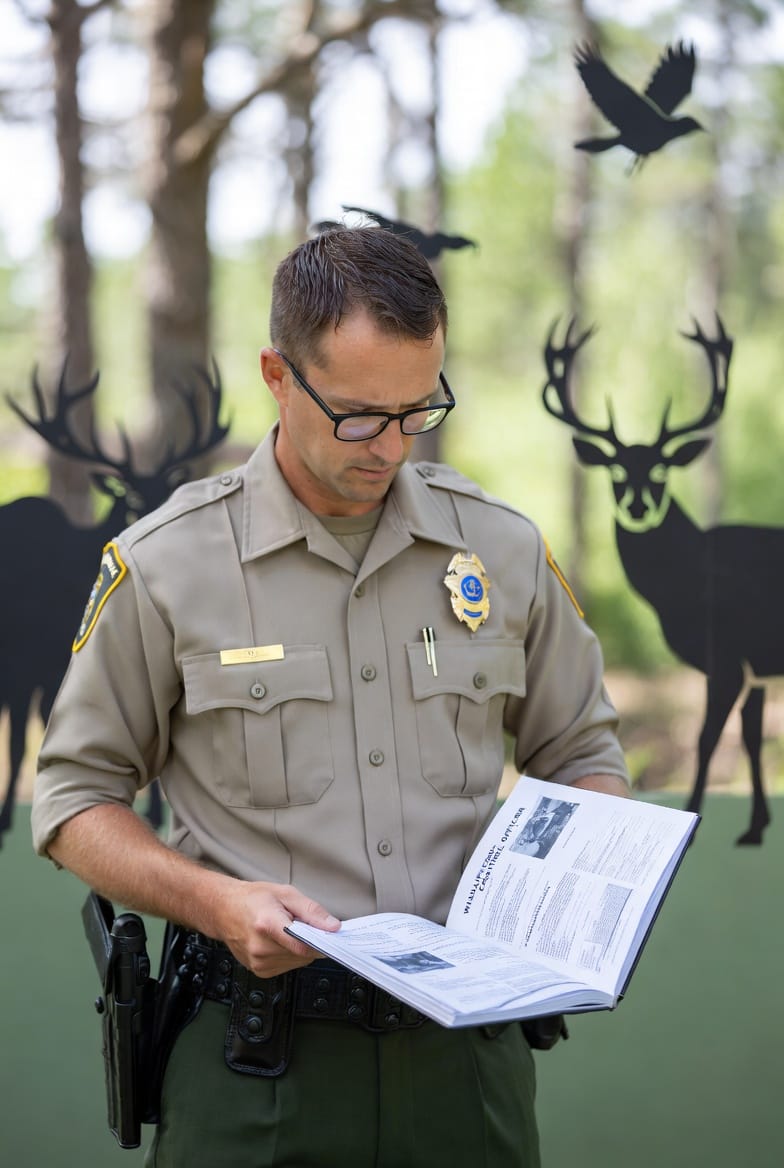
As a homeowner, encountering wildlife in your living space can be both surprising and stressful. Whether it's a raccoon rummaging through your attic or bats nesting in your eaves, the instinct might be to handle it yourself. However, navigating the legal landscape of wildlife control is crucial to avoid hefty fines, environmental harm, or even criminal charges. This comprehensive guide delves into the intricacies of local regulations, protected species, and why enlisting licensed, insured professionals is not just recommended—it's essential. With an authoritative approach grounded in ethical practices, we'll empower you to make informed decisions that protect both your home and the ecosystem.
Licensed Experts Ready – Call for Safe Removal Today
The Foundations of Wildlife Laws: Why Regulations Matter
Wildlife laws are designed to balance human needs with environmental conservation. At their core, these regulations prevent the spread of diseases, protect biodiversity, and ensure humane treatment of animals. Ignoring them can lead to severe consequences, including fines up to thousands of dollars or legal prosecution.
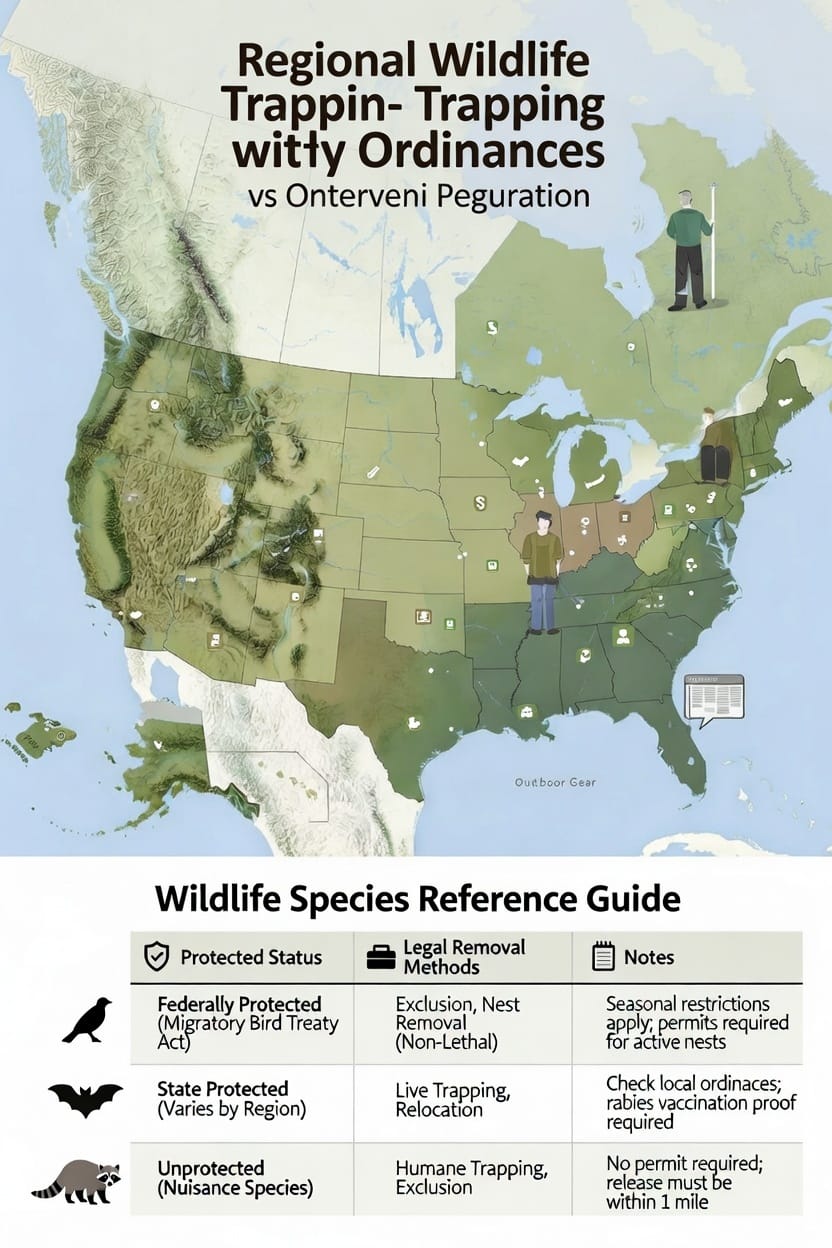
Federal laws, such as the Migratory Bird Treaty Act (MBTA) and the Endangered Species Act (ESA), set broad protections. For instance, the MBTA safeguards over 800 bird species, making it illegal to harm, relocate, or possess them without permits. Similarly, the ESA protects endangered animals like certain bats or owls from any form of disturbance.
State laws build on these, often adding specifics tailored to regional ecosystems. Local ordinances can vary dramatically, even between neighboring counties, dictating everything from trapping methods to relocation distances. Understanding this multi-layered system is key to compliant wildlife control.
- Federal Oversight: Ensures nationwide protection for migratory and endangered species.
- State-Specific Rules: Address local wildlife populations and habitats.
- Local Variations: Focus on community safety and nuisance prevention.
By adhering to these, homeowners contribute to sustainable wildlife management, reassuring you that ethical solutions are within reach.
Protected Species: Identifying What You Can't Touch
Certain animals enjoy heightened legal protections due to their ecological roles or declining populations. Bats, for example, are often federally protected under the ESA, especially species like the Indiana bat or northern long-eared bat, which are endangered. Disturbing their roosts can result in fines exceeding $100,000 per violation.
Birds are another category with strict safeguards. The MBTA covers common nuisance birds like starlings or pigeons in specific contexts, but raptors such as hawks and owls are untouchable without federal permits. Relocating or harming these can disrupt migration patterns and ecosystems.
Other protected species include:
- Reptiles and Amphibians: Many states protect turtles or snakes, viewing them as indicators of environmental health.
- Mammals: Animals like black bears or bobcats may require special handling protocols.
- Insects: Pollinators like certain bees are increasingly protected to combat biodiversity loss.
Knowing these protections prevents accidental violations. If you spot a protected species, immediate consultation with authorities or professionals is advised, ensuring a reassuring, legal resolution.
The Perils of Relocation: Crossing Lines You Shouldn't
One common misconception is that relocating wildlife is a humane, DIY solution. However, it's often illegal and unethical. For instance, relocating raccoons across county lines is prohibited in many areas because it can spread diseases like rabies to new populations, disrupt local ecosystems, and stress the animal, leading to higher mortality rates.
Why these restrictions?
- Disease Control: Moving animals can introduce pathogens to unaffected areas.
- Ecological Balance: Relocated wildlife may compete with native species for resources.
- Animal Welfare: Survival rates drop significantly in unfamiliar territories.
States like California or New York enforce strict no-relocation policies for certain mammals, requiring euthanasia in extreme cases only by licensed experts. Always verify local rules—some allow short-distance relocations with permits, but crossing jurisdictional boundaries is a red flag.
This underscores the importance of professional intervention, where experts use humane exclusion techniques instead of relocation, providing peace of mind.
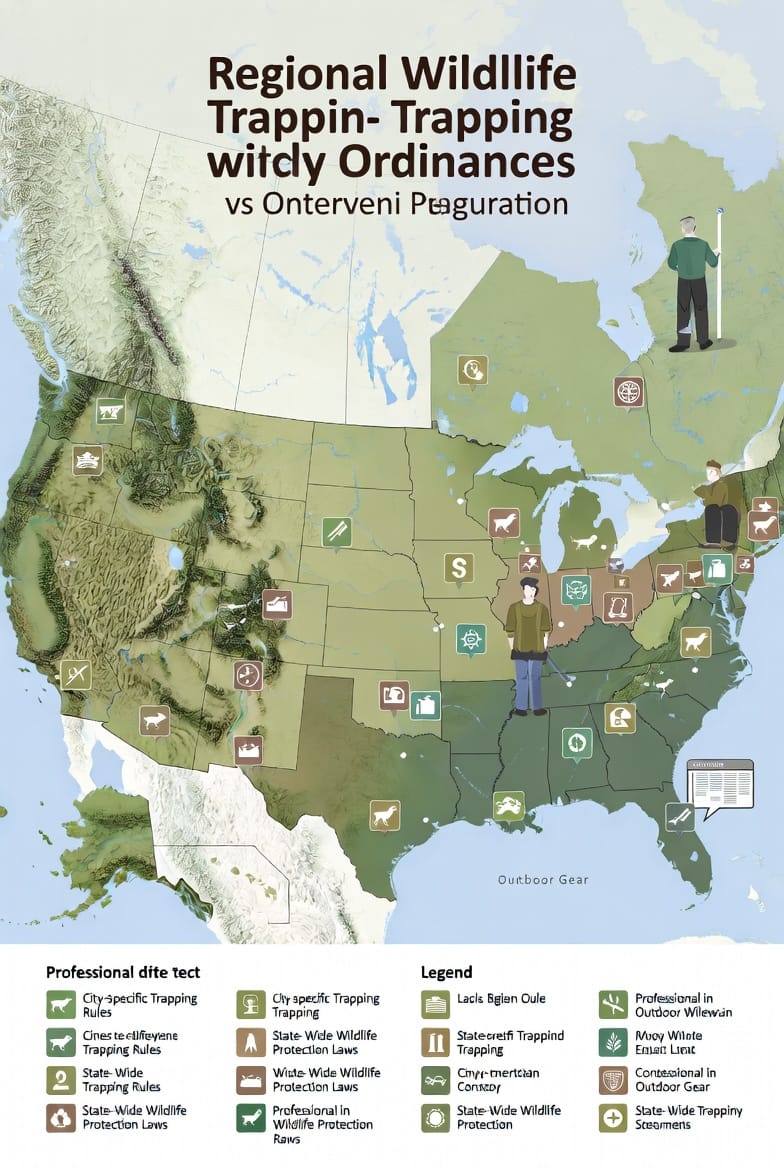
Navigating State and Local Regulations: A Homeowner's Guide
While federal laws provide a baseline, state and local regulations add layers of complexity. In Texas, for example, armadillos are considered non-game animals, allowing certain controls, but in Florida, they're protected. Bats in most states require maternity season exclusions (typically May to August) to avoid orphaning pups.
Local ordinances might mandate:
- Permit Requirements: For trapping or removing any wildlife.
- Method Restrictions: Prohibiting poisons or lethal traps in residential areas.
- Reporting Obligations: Notifying wildlife agencies of certain encounters.
These variations emphasize why self-handling is risky. A simple mistake, like using an unapproved trap, can lead to legal repercussions. Professionals stay updated on these changes, offering authoritative guidance.
Consider these tips for compliance:
- Research your state's wildlife agency website.
- Check county-specific codes via local government portals.
- Consult with certified experts for site-specific advice.
This proactive approach ensures you're always on the right side of the law.
The Risks of DIY Wildlife Control: What Could Go Wrong?
Attempting to manage wildlife without expertise exposes you to multiple hazards. Legally, unauthorized actions can result in citations or lawsuits. Ethically, improper handling causes unnecessary suffering.
Common pitfalls include:
- Injury Risks: Animals like squirrels or opossums can bite or scratch, transmitting diseases.
- Property Damage: DIY methods might exacerbate issues, like sealing entry points without full exclusion.
- Environmental Impact: Disrupting protected species harms broader ecosystems.
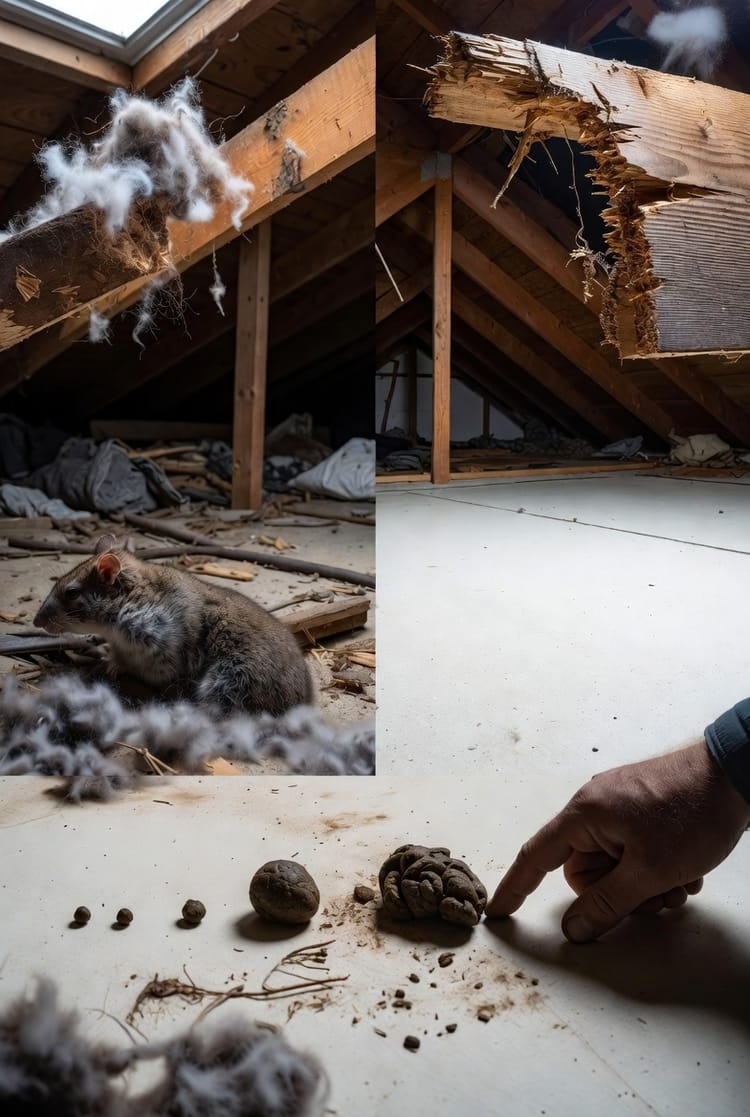
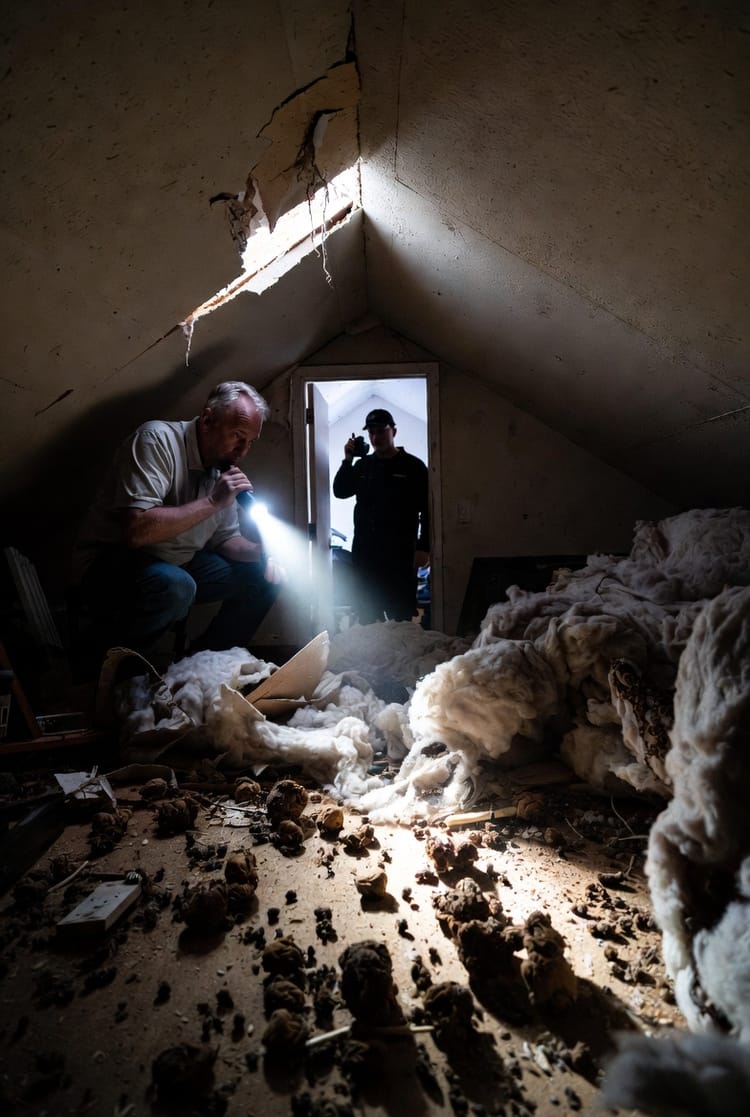
Financially, fines for violating protections can reach $50,000, plus remediation costs. Health-wise, exposure to histoplasmosis from bat guano or leptospirosis from rodents is a serious concern.
Reassuringly, professionals mitigate these risks with insurance, training, and compliance knowledge, turning a potential nightmare into a resolved issue.
Why Choose Licensed and Insured Professionals?
Enlisting licensed, insured wildlife control experts is the gold standard for ethical, legal resolutions. Licensing ensures they've passed rigorous exams on laws and humane methods. Insurance protects you from liability if accidents occur during removal.
Benefits include:
- Regulatory Navigation: They handle permits and reporting seamlessly.
- Humane Techniques: Using one-way doors or repellents over lethal options.
- Long-Term Solutions: Preventing re-entry through home sealing and habitat modification.
Look for certifications from bodies like the National Wildlife Control Operators Association (NWCOA). These pros provide warranties, ensuring lasting peace.
In contrast, unlicensed operators might cut corners, leading to recurring problems or legal entanglements. Investing in quality service safeguards your home and conscience.
Case Studies: Real-World Applications of Wildlife Laws
To illustrate, consider a scenario in Michigan where a homeowner attempted to relocate a family of raccoons. Unaware of cross-county bans, they faced a $500 fine and mandatory disease testing. A professional, however, used humane eviction and sealed entries, complying fully.
In another case, a New Jersey resident disturbed a bat colony during attic cleaning, violating ESA provisions. The result? A $10,000 penalty. Experts would have timed the work post-maternity season, avoiding issues.
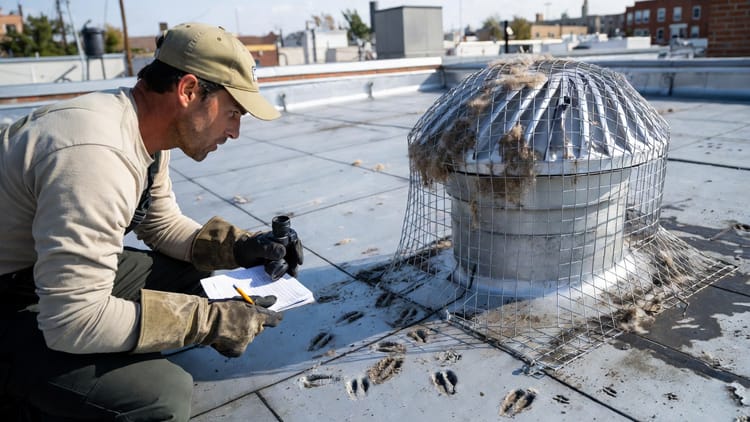
These examples highlight how knowledge of laws prevents mishaps. Ethical pros prioritize animal welfare, using tools like thermal imaging for non-invasive assessments.
Ethical Considerations in Wildlife Control
Beyond legality, ethics play a pivotal role. Humane societies advocate for least-harm approaches, aligning with laws. Professionals often collaborate with rehabilitators for orphaned wildlife, ensuring survival.
Key ethical principles:
- Minimize Suffering: Opt for exclusion over euthanasia.
- Promote Coexistence: Educate on deterrents like motion lights.
- Sustainability: Support conservation through proper practices.
This ethical framework reassures homeowners that control doesn't mean cruelty—it's about harmony.
Staying Informed: Resources for Homeowners
To stay ahead, utilize resources like the U.S. Fish and Wildlife Service website or state departments of natural resources. Apps and online forums can provide updates, but always verify with official sources.
Join local homeowner associations for wildlife tips, or subscribe to professional blogs for insights. Knowledge empowers compliant, compassionate actions.
Conclusion: Partnering for a Wildlife-Free Home
Understanding the law and the wild equips you to handle intrusions responsibly. From protected species like bats and birds to relocation restrictions on raccoons, the legal landscape demands expertise. By choosing licensed, insured professionals, you ensure ethical, effective solutions without the risks.
Expert Wildlife Solutions That Follow the Law – Call Today