The Ice and Water Shield Imperative: Protecting the Vulnerable Edges of Your Roof from Wind-Driven Rain
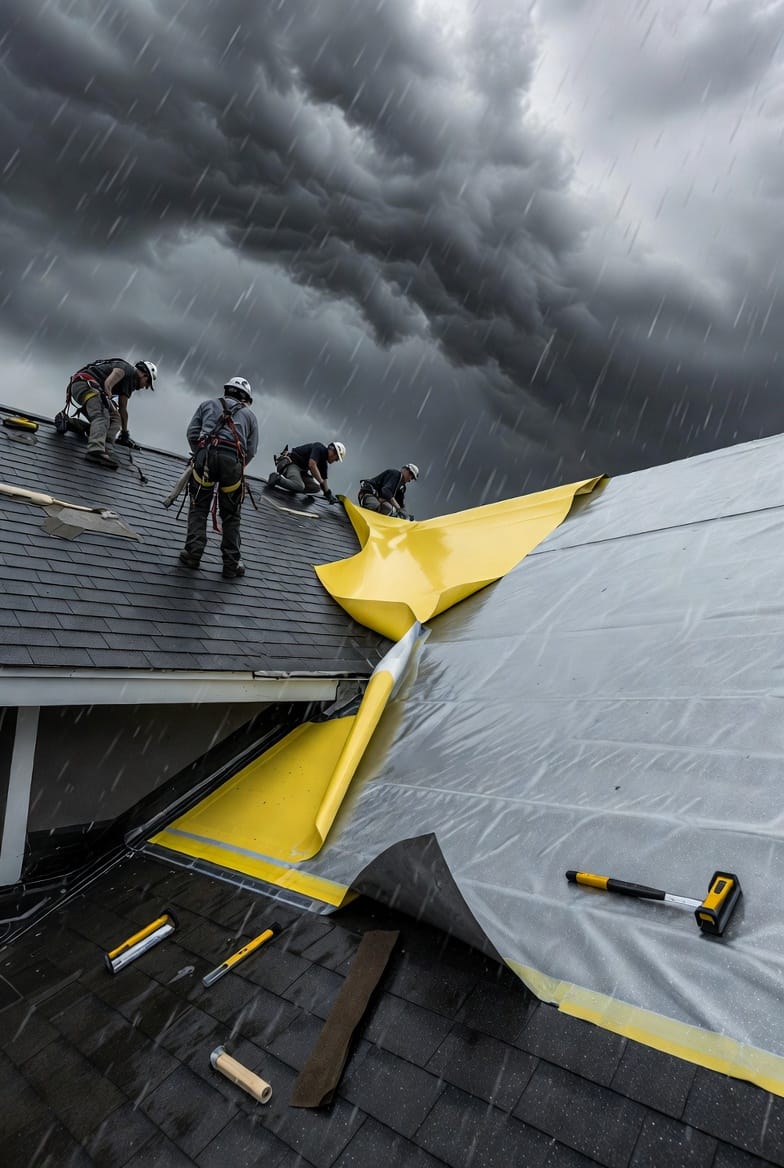
In the realm of roofing, where the elements relentlessly test the integrity of your home's first line of defense, one component stands out as a silent guardian: the self-adhering ice and water protection membrane. Often overlooked yet indispensable, this innovative underlayment plays a pivotal role in safeguarding your roof against the insidious threats of wind-driven rain, ice dams, and severe weather events. As homeowners increasingly face unpredictable climate patterns, understanding and implementing this protective layer isn't just advisable—it's essential for long-term durability and peace of mind.
Ensure True Weatherproofing – Call for a Free Assessment
Imagine a scenario where heavy rains lash against your roof, driven by gusty winds that seek every possible entry point. Traditional shingles, while robust, have their limits, especially at the edges and junctions where water can infiltrate. This is where the ice and water shield steps in, providing a secondary waterproof barrier that seals vulnerabilities and prevents costly leaks. In this comprehensive guide, we'll delve into what this membrane is, why building codes mandate its use in specific areas, and how it fortifies your roof under challenging conditions. Rest assured, with proper installation, your home can withstand nature's fury with confidence.
Understanding Self-Adhering Ice and Water Protection Membrane
At its core, the self-adhering ice and water protection membrane is a specialized roofing underlayment designed to create an impermeable seal against moisture. Composed of rubberized asphalt or similar waterproof materials backed by a peel-and-stick adhesive, it adheres directly to the roof deck, eliminating gaps that could allow water ingress.
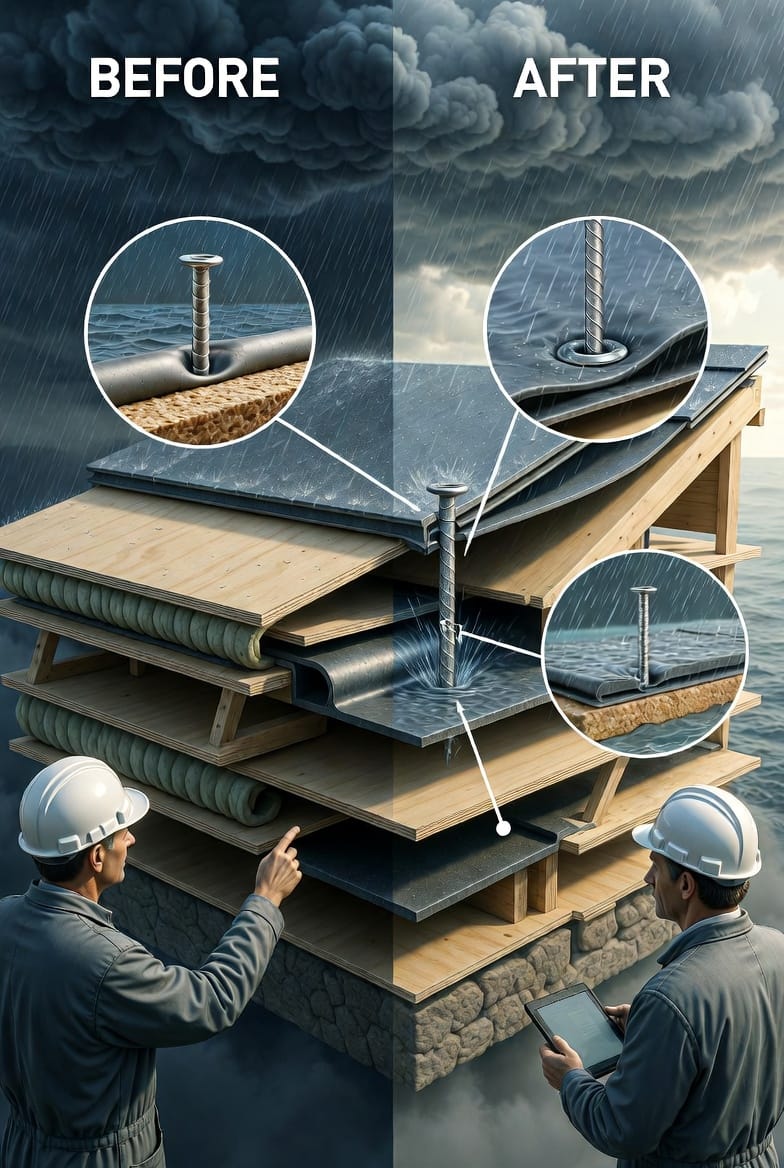
Unlike traditional felt underlayments, which rely on mechanical fasteners and can tear or shift over time, this membrane forms a monolithic layer that self-seals around nails and staples. Its flexibility allows it to conform to irregular surfaces, ensuring comprehensive coverage. Available in rolls typically 36 inches wide, it's engineered to withstand extreme temperatures, from freezing winters to scorching summers, without losing efficacy.
Key benefits include:
- Superior Waterproofing: Acts as a backup when primary shingles are compromised.
- UV Resistance: Some variants include protective coatings to endure brief exposure during installation.
- Ease of Application: The adhesive backing simplifies the process, reducing labor time and errors.
This technology has evolved from basic tar papers to advanced composites, incorporating polymers for enhanced durability. For homeowners in regions prone to heavy snowfall or tropical storms, investing in high-quality membranes from reputable manufacturers ensures optimal performance.
Building Codes and Mandatory Applications
Building codes aren't arbitrary; they're the culmination of decades of research and real-world failures, aimed at protecting lives and property. The International Residential Code (IRC) and local amendments often mandate the use of ice and water shields in high-risk zones to mitigate water damage risks.
Specifically, these regulations require installation in:
- Eaves and Rakes: The lower edges of the roof, extending at least 24 inches inside the exterior wall line, where ice dams commonly form.
- Valleys: The intersections where two roof planes meet, channeling water and susceptible to pooling.
- Penetrations: Areas around chimneys, vents, skylights, and pipes, where flashing alone may not suffice.
Why these zones? In cold climates, ice dams occur when snow melts and refreezes at the eaves, forcing water upward under shingles. Codes in areas with average January temperatures below 30°F typically enforce this. In hurricane-prone regions, wind-driven rain can uplift shingles, allowing horizontal water entry. The membrane's self-sealing properties provide a failsafe, complying with standards like those from the Insurance Institute for Business & Home Safety (IBHS).
Non-compliance isn't just a regulatory issue; it can void warranties and insurance claims. Authoritative bodies like the National Roofing Contractors Association (NRCA) recommend exceeding minimum requirements for added resilience, especially in coastal or mountainous areas.

The Secondary Waterproof Barrier in Action
The true genius of the ice and water shield lies in its role as a secondary waterproof barrier. Shingles are the visible armor, but they're prone to failure under duress. High winds can lift edges, hail can crack surfaces, and thermal cycling can cause expansion cracks. Here, the membrane intervenes, ensuring that even if water breaches the outer layer, it doesn't reach the deck or interior.
Consider ice dam conditions: Heat from the attic melts snow on the roof, but colder eaves cause refreezing. The resulting ice ridge backs up water, which seeps under shingles. The membrane's adhesive seal blocks this path, directing water harmlessly over the edge.
In hurricane scenarios, sustained winds over 100 mph drive rain sideways. Traditional underlayments might allow penetration at laps or fasteners, but the self-adhering nature creates a continuous shield. Studies from organizations like FEMA highlight how such barriers reduce interior damage by up to 80% in severe storms.
Moreover, around penetrations, where nails and screws create holes, the membrane's rubberized composition expands to seal them, preventing leaks that could lead to mold or structural rot. This proactive approach not only extends roof life but also maintains indoor air quality.
Installation best practices include:
- Surface Preparation: Ensure the deck is clean, dry, and primed if necessary.
- Overlapping: Lap seams by at least 3-6 inches, rolling for adhesion.
- Integration with Flashing: Combine with metal flashings for hybrid protection.
Professional roofers emphasize starting from the bottom up, avoiding wrinkles that could trap moisture. With these measures, homeowners can trust their roof to perform reliably.
Combating Wind-Driven Rain: A Deeper Dive
Wind-driven rain poses a unique challenge, as it doesn't fall vertically but assaults at angles, exploiting every weakness. In coastal areas or during nor'easters, this can lead to widespread saturation if not addressed.
The ice and water shield counters this by extending coverage beyond code minimums. For instance, in high-wind zones defined by ASCE 7 standards, full-deck application is advisable. This creates a fortress-like envelope, where the membrane bonds to the substrate, resisting uplift and infiltration.
Real-world examples abound: Post-Hurricane Katrina analyses showed homes with enhanced underlayments suffered less water damage. Similarly, in snowy regions like the Northeast, properties with proper shields avoid the dreaded "interior waterfalls" from ice dams.
To quantify risks:
- Leak Probability: Without membrane, up to 40% in severe weather.
- Repair Costs: Average $5,000-$10,000 for water damage remediation.
- Longevity Boost: Adds 5-10 years to roof life.
By prioritizing this component, you're not just complying—you're investing in resilience.
Common Misconceptions and Expert Tips
Despite its importance, myths persist. Some believe felt paper suffices, but it lacks the self-sealing and adhesion of modern membranes. Others skimp on coverage to cut costs, only to face expensive fixes later.
Expert tips for assurance:
- Choose Quality: Opt for membranes with granule surfaces for slip resistance.
- Inspect During Installation: Verify overlaps and adhesion.
- Maintenance Integration: Pair with gutter guards to prevent debris-related issues.
In sustainable building, these membranes contribute to energy efficiency by reducing air leaks, aligning with LEED certifications.
Ensuring Comprehensive Protection
Ultimately, the ice and water shield isn't a luxury—it's a necessity for vulnerable roof edges. By understanding its function, adhering to codes, and appreciating its barrier role, you empower your home against the elements.
Demand the hidden details that prevent leaks. Ensure your roof includes proper membrane protection.
Insist on Proper Membrane Protection – Contact Us Today