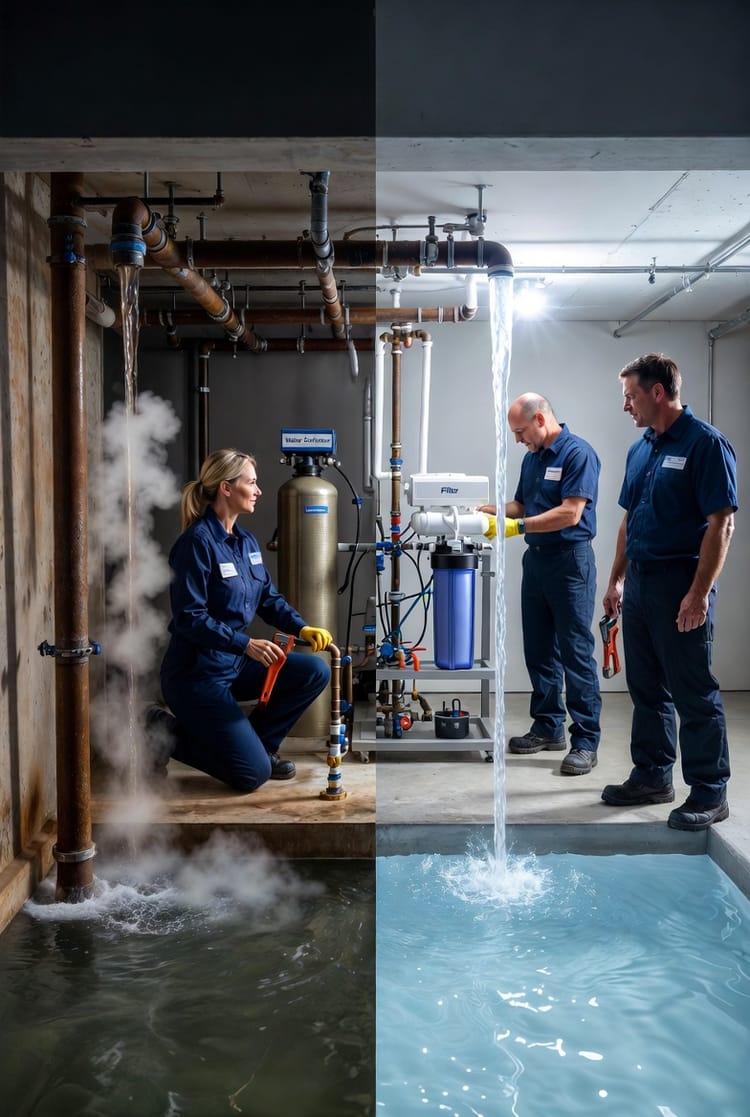
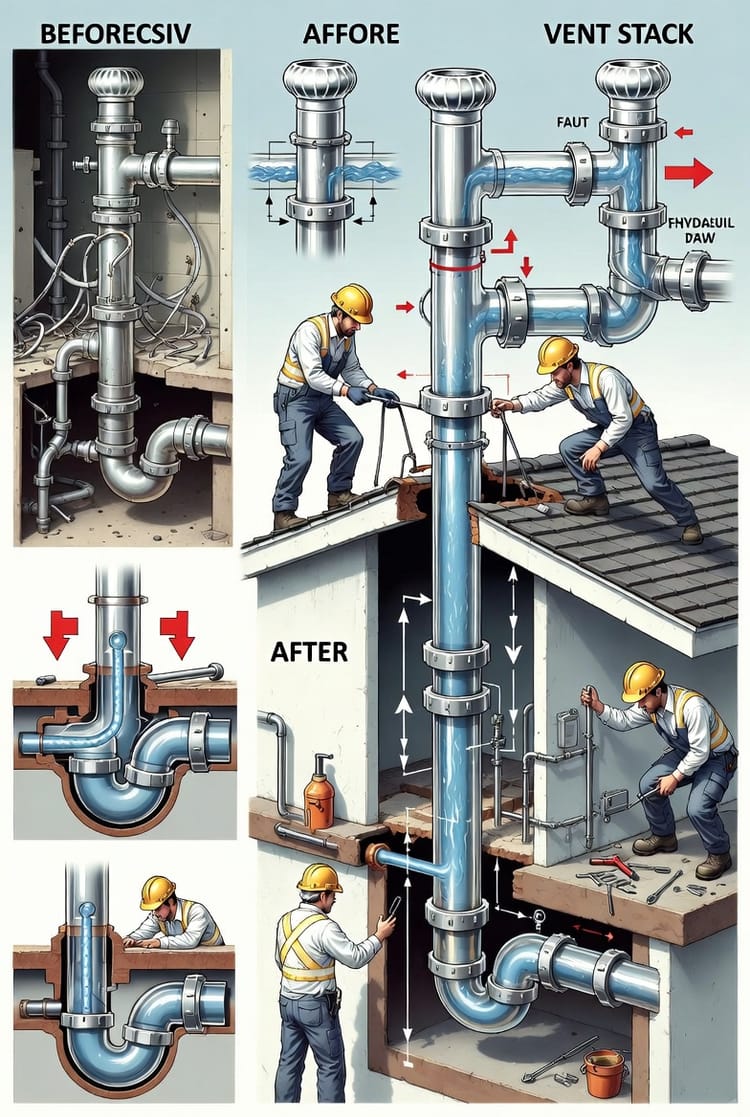
The Hydronic Advantage: Exploring Modern Radiant Heating and Smart Water Delivery Systems
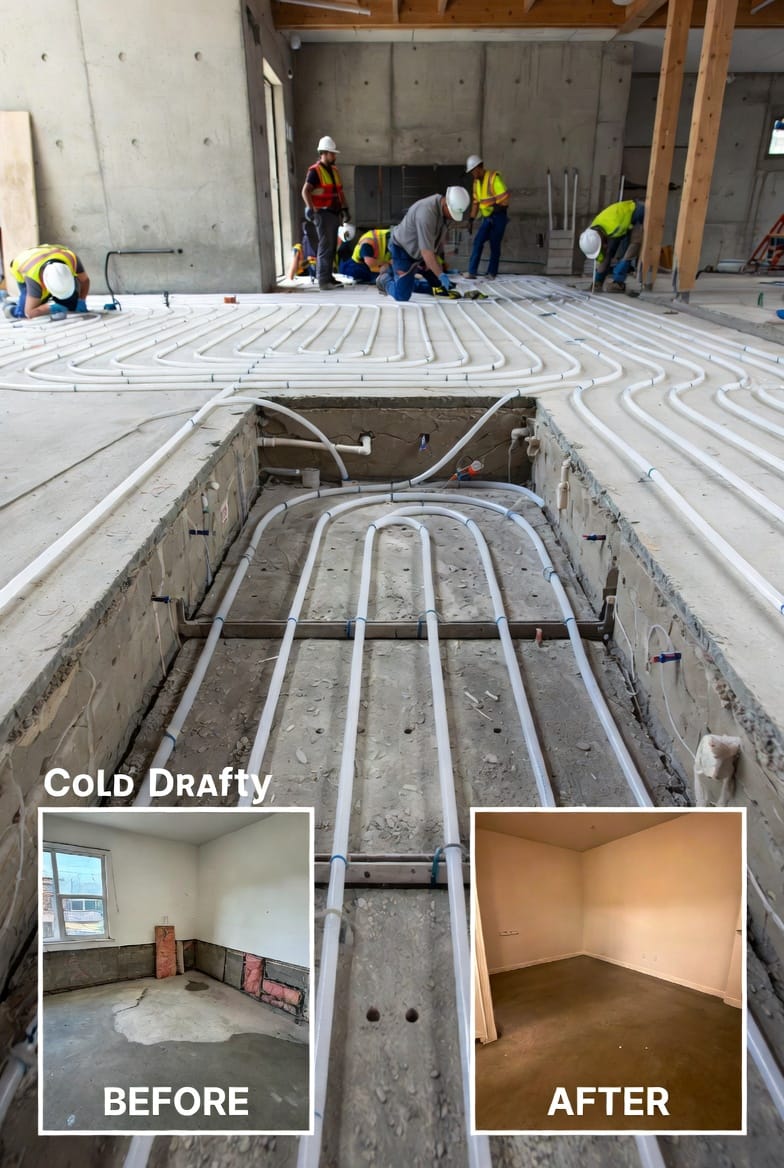
In today's fast-evolving world of home comfort, radiant heating systems stand out as a superior choice for homeowners seeking energy efficiency, unparalleled comfort, and seamless integration with smart technologies. Gone are the days when heating meant relying solely on forced-air systems that circulate dust and create uneven temperatures. Instead, hydronic radiant heating—which uses water to distribute heat—offers a sophisticated solution that warms your living spaces from the floor up. This article delves into the intricacies of in-floor radiant heating, its remarkable efficiency and comfort benefits, and how it ties into advanced plumbing innovations like smart water delivery systems. Whether you're renovating or building anew, understanding these systems can elevate your home's performance while reducing long-term costs. Rest assured, with professional guidance, implementing these technologies is straightforward and rewarding.
Transform Your Home with Hydronic Heating – Call Experts!
Understanding Hydronic Radiant Heating: The Basics
At its core, hydronic heating involves circulating heated water through a network of pipes embedded in your home's structure. Unlike traditional radiators or baseboards, modern in-floor systems use flexible PEX tubing (cross-linked polyethylene) installed beneath flooring materials such as concrete slabs, tiles, or wood. This setup allows heat to radiate evenly upward, creating a gentle, consistent warmth that mimics the sun's natural rays.
Why choose hydronic over other methods? For starters, it operates at lower temperatures—typically 80-140°F—compared to the 120-180°F required for forced-air systems. This lower operating range means your boiler or heat pump works less intensively, leading to significant energy savings. According to industry standards, hydronic systems can achieve up to 30-50% greater efficiency in well-insulated homes, translating to lower utility bills and a reduced carbon footprint.
But efficiency isn't just about numbers; it's about real-world performance. In-floor radiant heating eliminates the drafts and hot spots common in conventional setups. Imagine walking barefoot on a toasty floor during winter mornings— that's the everyday luxury hydronic systems provide. For families with allergies, this is a game-changer, as there's no air movement to stir up dust or allergens.
- Key Components: Boiler or heat source, circulation pumps, manifolds for zoning, and PEX tubing.
- Installation Flexibility: Suitable for new construction or retrofits, with options for wet (embedded in concrete) or dry (suspended under floors) methods.
- Longevity: PEX tubing lasts 50+ years with minimal maintenance, outpacing many HVAC components.
Homeowners often worry about installation disruptions, but rest easy: experienced plumbers can integrate these systems with minimal downtime, ensuring your home remains livable throughout the process.
Efficiency Benefits: Saving Energy and Money
One of the standout advantages of modern radiant heating is its exceptional energy efficiency. By heating objects and people directly rather than the air, these systems minimize heat loss. In a traditional forced-air setup, warm air rises to the ceiling, leaving lower areas cooler and requiring constant reheating. Hydronic radiant floors, however, maintain even temperatures from floor to ceiling, reducing the need for frequent cycling.
Consider the numbers: A well-designed hydronic system can lower heating costs by 20-40% annually, especially when paired with renewable energy sources like solar thermal panels or geothermal heat pumps. This efficiency stems from zonal control—dividing your home into independent areas (e.g., bedrooms vs. living rooms) that heat only when needed. No more wasting energy on unoccupied spaces.
Moreover, hydronic systems excel in cold climates where consistent heat is crucial. They respond quickly to temperature changes, providing on-demand warmth without the energy spikes of electric resistance heating. For eco-conscious homeowners, this means aligning your comfort with sustainability goals, all while enjoying a quieter home free from blower noises.
- Energy Savings Breakdown:
- Reduced boiler runtime: Up to 25% less fuel consumption.
- Better insulation synergy: Enhances the effectiveness of home insulation.
- Integration with renewables: Easily connects to solar or heat pumps for near-zero emissions.
In essence, investing in hydronic radiant heating isn't just a purchase—it's a long-term strategy for cost-effective, planet-friendly living.
Comfort Benefits: A Warmer, Healthier Home
Beyond efficiency, the true allure of in-floor radiant heating lies in its superior comfort. Human bodies lose heat primarily through radiation and conduction, and radiant systems address this by warming surfaces directly. This creates a "thermal envelope" where floors, walls, and furniture absorb and re-radiate heat, enveloping you in balanced warmth.
Picture this: No more cold toes on tile floors or chilly drafts near windows. Radiant heating promotes even heat distribution, maintaining indoor temperatures within 1-2°F variance—far better than the 5-10°F swings in forced-air homes. This stability is particularly beneficial for the elderly, children, or those with circulatory issues, as it fosters a healthier indoor environment.
Health perks extend further. Without forced air, there's less circulation of pollutants, mold spores, or pet dander, improving air quality. Studies show radiant-heated homes report fewer respiratory complaints, making them ideal for allergy sufferers. Plus, the silent operation enhances overall well-being—no humming vents disrupting your peace.
- Comfort Enhancers:
- Custom zoning: Tailor heat to room usage, like warmer bathrooms.
- Floor material compatibility: Works with carpets, hardwood, or stone without warping.
- Therapeutic warmth: Mimics natural underfloor heating for joint relief.
Rest assured, these systems are designed for durability and safety, with built-in sensors preventing overheating.
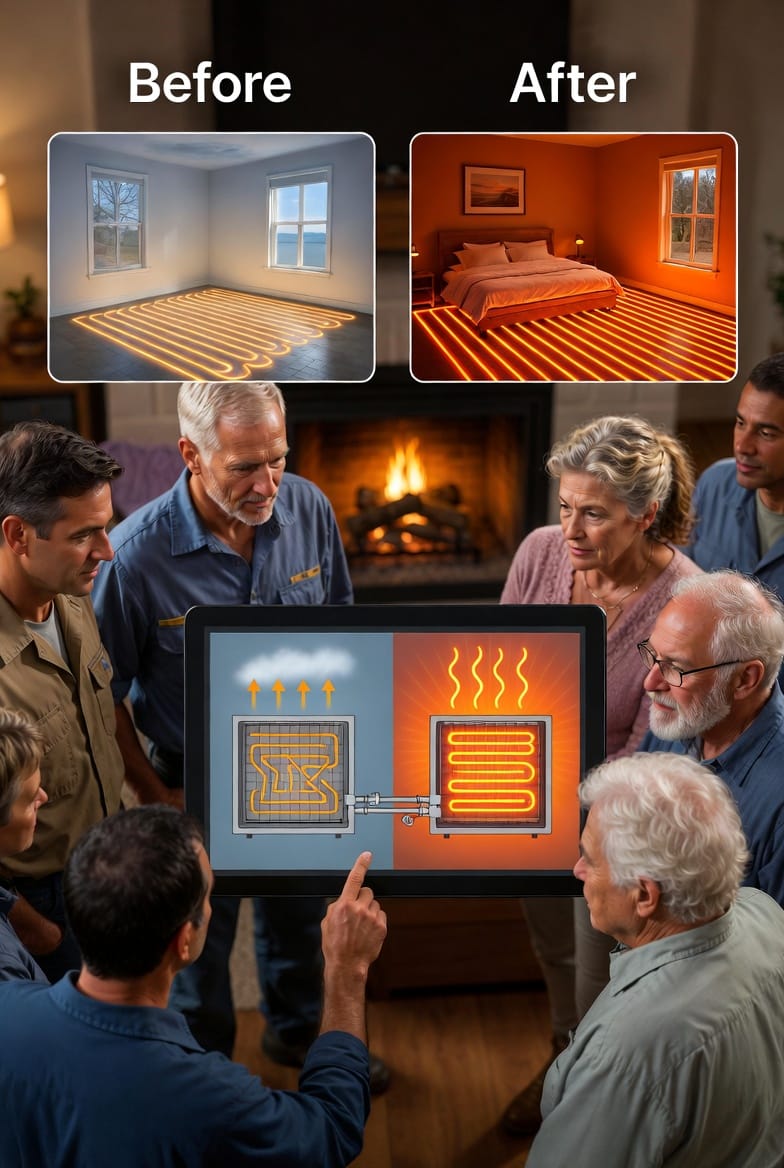
Integrating Modern Plumbing with Smart Home Controls
The hydronic advantage doesn't stop at heating; it seamlessly merges with smart water delivery systems to optimize your entire plumbing infrastructure. Modern plumbing innovations, like hot water recirculation pumps, ensure instant hot water at every tap, eliminating wasteful waiting times. These systems use sensors to detect usage patterns, circulating water only when needed and reducing water waste by up to 10,000 gallons per year per household.
Tie this into smart home controls, and you get a powerhouse of efficiency. Apps like those from Nest or Ecobee allow remote monitoring of your hydronic boiler, adjusting temperatures based on occupancy or weather forecasts. Imagine your system pre-heating floors before you arrive home— all automated for convenience.
Leak defense takes center stage here too. Advanced plumbing integrates smart leak detectors and automatic shut-off valves that alert you via smartphone if moisture is detected. This proactive approach prevents costly water damage, with systems capable of isolating issues to specific zones. For hydronic setups, this means safeguarding your PEX network from potential bursts, ensuring longevity.
- Smart Integration Features:
- Voice control: Compatible with Alexa or Google Home for hands-free adjustments.
- Energy analytics: Track usage in real-time to fine-tune efficiency.
- Predictive maintenance: Alerts for low water pressure or pump issues before they escalate.
With these technologies, your home becomes intelligent, responsive, and secure—reassuring you that comfort and protection go hand in hand.
Types of Radiant Heating: Choosing the Right Fit
Radiant heating isn't one-size-fits-all; options include floor, wall, and baseboard systems, each with unique applications. In-floor remains the gold standard for new builds, but walls suit retrofits where floor access is limited, and baseboards offer a hybrid approach.
To help you decide, consider this overview:

This table highlights how floor systems, despite higher initial investment, offer the best long-term value through superior efficiency.
Overcoming Common Concerns: Myths vs. Reality
Some homeowners hesitate due to myths about radiant heating. For instance, concerns about repair access are overstated—modern designs use accessible manifolds, and leaks are rare in quality PEX. Cost-wise, while upfront expenses range from $6-15 per square foot, rebates and energy savings often recoup this in 5-7 years.
Installation timelines? Typically 1-2 weeks for a standard home, with professionals handling everything from zoning to integration. And compatibility with flooring? Virtually all materials work, provided proper underlayment is used.
Rest easy: With expert plumbing services, these systems are reliable, backed by warranties up to 25 years.
The Future of Home Heating: Embracing Innovation
As smart homes evolve, hydronic radiant heating positions itself at the forefront, blending timeless plumbing principles with cutting-edge tech. From optimized hot water recirculation to robust leak defense, these systems deliver not just warmth, but peace of mind.
In summary, the hydronic advantage transforms ordinary homes into efficient, comfortable sanctuaries. By prioritizing even heat distribution, energy savings, and smart controls, you're investing in a future-proof solution.
Elevate Home Comfort from the Floor Up – Call Experts!